Beverages
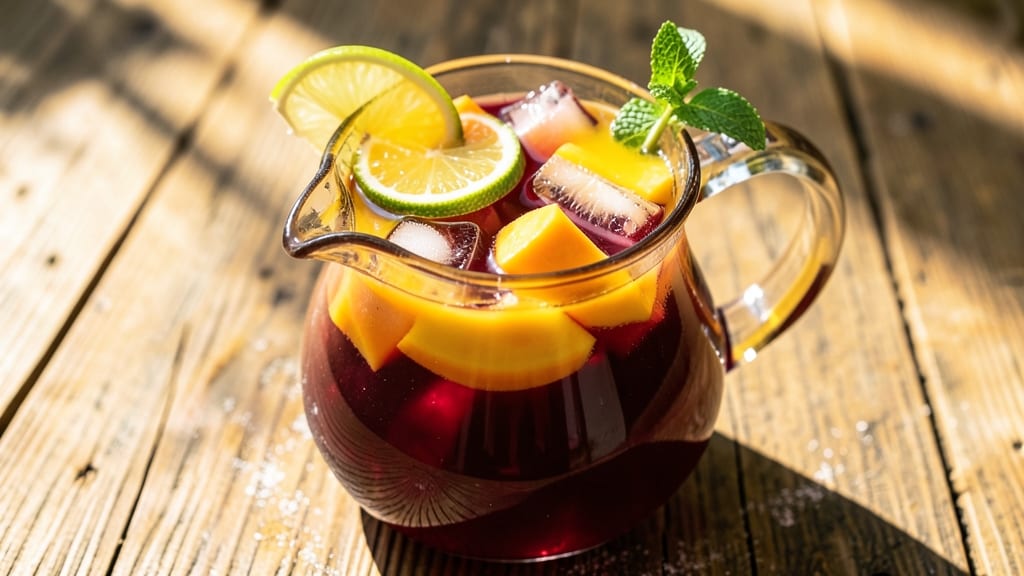
This Outback-style sangria recipe transforms a classic wine punch into a vibrant tropical escape—perfect for summer gatherings or lazy afternoons by the pool. The bold red wine base meets fresh pineapple, mango, and citrus, creating a refreshing balance that feels both nostalgic and innovative.
I developed this version after realizing how much my guests loved the tropical twist on traditional sangria, and it’s become a staple at my gatherings.
The beauty of this recipe lies in its simplicity: just eight ingredients come together with minimal effort, yet the flavors are anything but basic. A 15-minute prep time followed by at least 2 hours of chilling ensures the perfect balance of sweetness and acidity.
The key is using ripe tropical fruit and a high-quality red wine—like a robust Cabernet or Merlot—to anchor the bright, fruity notes.
What you’ll end up with is a deep ruby-red drink that’s effervescent, aromatic, and packed with layers of flavor. The tropical fruit infuses the wine with natural sweetness, while the citrus keeps it bright and refreshing.
Serve it in a large pitcher with ice and garnish with fresh mint or a lime wedge for an extra touch of elegance.
This sangria is incredibly versatile—add a splash of rum or tequila for a boozy twist, or keep it non-alcoholic by using grape juice instead of wine. It’s the kind of drink that gets better as it sits, making it ideal for meal prep or entertaining. Let’s get started!
Ingredients for outback sangria
Eight ingredients for a tropical sangria that tastes like a vacation in every sip.
| Ingredient | Amount | Notes |
|---|---|---|
| Bold Red Wine 🍷 | 7 cups | Cabernet Sauvignon or Merlot preferred |
| Fresh Pineapple 🍍 | 2 cups | Chopped, ripe fruit only |
| Fresh Mango 🥭 | 1 whole | Peeled, diced, ripe mango |
| Orange Juice 🍊 | 1 cup | Freshly squeezed preferred |
| Lime Juice 🍋 | ½ cup | Freshly squeezed, no pulp |
| Lemon Juice 🍋 | ¼ cup | Freshly squeezed, for brightness |
| Granulated Sugar 🍯 | ¾ cup | Adjust to taste, or use honey |
| Fresh Mint Leaves 🌿 | ¼ cup | Lightly muddled for aroma |
| Ice Cubes ❄️ | 2 cups | For serving, reserve batch |
| Sparkling Water 💧 | 1 cup | Optional, for effervescence |
The wine is non-negotiable—Cabernet Sauvignon or Merlot from a reputable brand like Robert Mondavi or Apothic gives that bold backbone. I grab mine from Total Wine when I'm stocking up, but any quality grocery store red works. Ripe pineapple is key: Dole fresh-cut is convenient, but whole fruit tastes better. For mango, Ataulfo is the sweetest variety—ask your Latin market for it. Fresh citrus juice makes all the difference, so skip the bottled stuff unless you're desperate. The sugar? Domino brand dissolves perfectly, but honey adds depth if you prefer.
No fresh mango? Canned mango chunks in juice work in a pinch, but drain them well. Short on lime? Key lime juice is tangier, but regular lime juice is fine. The sparkling water is optional but adds that Outback-style fizz—LaCroix or Spindrift keep it light. For a non-alcoholic version, swap the wine for grape juice (like Welch's Concord) and add a splash of ginger ale for kick. The mint? Organic from the grocery store works, but avoid the dried stuff—it lacks that fresh aroma. If you're making this ahead, add the mint last to keep it vibrant.
This sangria tastes better the longer it sits—4-6 hours is ideal, but overnight is perfect. Store in the fridge in an airtight pitcher. For serving, double the ice cubes if you're in a hot climate. The fruit will sink, so give it a stir before pouring. Garnish with a lime wheel or mint sprig for that resort vibe. Leftovers? It keeps for 3-4 days in the fridge, though the fruit gets softer. Freeze extra juice in ice cube trays for future batches.
Why You'll Love This Recipe
- No-Chopping Needed: I swear by this—just toss in pre-cut fruit or even frozen chunks. The red wine and tropical juices do all the blending for you, and honestly? The mango and pineapple stay bright and juicy without any fuss.
- Tropical Twist: That first sip of bold red wine with sweet mango and tart lime? It’s like a vacation in a glass. The orange juice rounds it out so smoothly—no cloying sweetness, just pure, refreshing balance.
- Weekend or Weeknight: Make a big batch for Sunday brunch, or whip up half a pitcher to sip while grilling. It’s my go-to for date nights (impresses every time) or lazy afternoons with friends. No rules—just pour and enjoy.
- Leftovers That Taste Better: Between us, this sangria actually improves overnight. The flavors meld, the wine softens, and the fruit gets even juicier. Perfect for when you forget to drink it all at once—or when you do and want seconds.
Step-by-step instructions for Outback-style sangria
This tropical fusion comes together in minutes but tastes like hours of summer in the Outback.
Prepare the Fruit and Citrus Base
Start by peeling and dicing the whole fresh mango into ½-inch cubes. I like to use a sharp chef's knife for clean cuts that won't turn to mush. In a large pitcher, combine the mango with the 2 cups of chopped fresh pineapple, 1 cup of freshly squeezed orange juice, 0.5 cup of lime juice, and 0.25 cup of lemon juice. Give everything a gentle stir to distribute the juices evenly through the fruit.
The reason we use freshly squeezed citrus is that it brightens the flavor profile—store-bought juice just can't compete. If you're using pre-cut fruit, drain it well first to avoid a watery sangria. This step is where the tropical essence builds, so don't rush it. Let the mixture sit for 5 minutes while you prepare the next components—this allows the flavors to begin melding together.
Sweeten and Infuse with Mint
In a small bowl, gently muddle the 0.25 cup of fresh mint leaves with 2 tablespoons of the granulated sugar until you release their aromatic oils. This is key for that fresh, herbal note that makes this sangria truly special. I use a wooden spoon for this because it's gentle on the leaves and won't bruise them like metal might.
Add the muddled mint mixture to the fruit and citrus combination in the pitcher. Then, sprinkle the remaining 0.5 cup of granulated sugar over everything and stir until fully dissolved. Taste a small amount—you want it to be just sweet enough to balance the tart citrus and bold wine. If you prefer it sweeter, add a bit more sugar now, but remember we'll be adding wine next, which will mellow the sweetness slightly.
Combine with Red Wine
Pour in the 7 cups of bold red wine—Cabernet Sauvignon or Merlot work perfectly for this tropical twist. I always use room-temperature wine because cold wine can mute the flavors and make the sangria taste flat. Give everything a thorough stir to ensure the wine coats all the fruit and mint evenly. Let the mixture sit at room temperature for 15-20 minutes—this allows the wine to infuse with the fruit and develop those complex flavors.
Here's the thing—don't be tempted to skip this waiting period. The wine needs time to marry with the citrus and fruit juices. If you're short on time, you can refrigerate it for 30 minutes instead, but the longer it sits, the better the flavor integration. This is where the magic happens, transforming simple ingredients into something truly special.
Chill and Serve
Transfer the sangria to the refrigerator and let it chill for at least 2 hours, or up to 4 hours if you have time. This chilling period is crucial for balancing the alcohol content and letting all the flavors come together harmoniously. Before serving, add the 2 cups of ice cubes and the 1 cup of sparkling water to each pitcher—this creates that signature effervescence that makes sangria so refreshing.
When ready to serve, give it one final stir. The sangria should be vibrant in color, with the red wine providing a rich base that the tropical fruit and citrus brighten beautifully. Pour into glasses filled with fresh ice, and garnish each serving with a mint sprig and a few pineapple or mango chunks for that restaurant-worthy presentation. Serve immediately while the sparkling water maintains its fizz and the ice keeps everything perfectly chilled.
Pro Tips For Making Outback Sangria
- CHILL THE WINE FIRST: Pour your bold red wine into a pitcher or jug and pop it in the fridge for 30 minutes before mixing. Cold wine keeps the flavors sharp and prevents the sangria from turning into a warm, murky mess—especially when you’re adding tropical fruit that’ll heat up fast. (Yes, even if you’re impatient like me.)
- CUT FRUIT SMALLER THAN YOU THINK: Dice the pineapple and mango into ½-inch cubes, not the big chunks you’d serve on a plate. Smaller pieces infuse faster and dissolve just enough to sweeten the drink without making it slushy. I learned this the hard way—my first batch had pineapple rings that never broke down, and it looked like a fruit salad exploded in my pitcher.
- ADD LIME JUICE LAST: Stir in the lime juice right before serving, not when you first mix everything. The acid cuts through the sweetness and keeps the drink bright, but if you add it too early, the sangria can turn cloudy or lose its snap. (Pro move: Use freshly squeezed lime—bottled juice tastes like sad, watered-down lemonade.)
- USE ORANGE JUICE SPARINGLY: Start with half the orange juice called for, then add more to taste. Too much turns your sangria into a fruity wine cooler, and the bold red wine’s depth gets lost. I was skeptical until I tried it—now I always keep a small pitcher of OJ on hand to adjust as I go. (Your future self will thank you.)
Common mistakes when making your outback sangria
Over-Sweetening Risks
The biggest mistake I see is going overboard with sugar. This tropical sangria already has naturally sweet pineapple and mango, plus the wine's inherent sweetness. I've caught myself adding extra sugar because I think it needs it—only to realize after chilling that the drink becomes cloying.
Start with the ¾ cup of sugar and taste before adding more. Remember, the wine will mellow the sweetness as it infuses. If it's still too sweet after chilling, you can balance it with a splash of 1-2 tablespoons of lime juice per pitcher.
Using Underripe Fruit
Nothing ruins sangria faster than tart, underripe fruit. I learned this the hard way when I used green pineapple in my first batch—I ended up with a drink that tasted more like vinegar than tropical paradise.
Always choose fruit that's fully ripe: pineapple should smell sweet at the base, and mango should give slightly when pressed. For pineapple, I cut off the top and bottom, then slice through the core—this ensures you're using the sweetest parts.
If you're buying pre-cut fruit, check the color: it should be golden yellow, not greenish.
Skipping the Chill Time
I know we're all eager to serve, but rushing the 2-hour minimum chill time is a common mistake. The chilling period lets the alcohol mellow and the flavors meld properly. I've made sangria that tasted harsh and alcoholic when served too soon.
The first time I tried serving it immediately, my guests actually winced at the first sip! Set a timer and let it properly chill—your taste buds will thank you.
Pro tip: If you're in a hurry, refrigerate it for 30 minutes after adding the wine, then finish chilling while you prep garnishes.
Cold Wine Shortcut
Pouring cold wine directly into your sangria is a flavor killer. Cold wine can mute the tropical fruit flavors and make the drink taste flat. Always use wine at room temperature—around 65-70°F. I keep my wine bottles in the pantry for about 30 minutes before using them.
If you're in a rush, pour the wine into a glass first and let it warm up while you prep the fruit. The difference in flavor is night and day. Trust me, your guests will notice if you skip this step!
Ignoring the Fruit-to-Wine Ratio
Using too much fruit can make your sangria taste like fruit punch rather than wine. The 2 cups of pineapple and 1 mango in this recipe are perfect for 7 cups of wine.
I've seen people double the fruit thinking it'll taste better—only to end up with a drink that's overwhelmingly sweet and lacks wine character. Stick to the ratio and adjust sweetness with sugar or citrus, not more fruit.
The wine should be the star, with the fruit enhancing its flavors, not drowning them out.
Adding Sparkling Water Too Early
The sparkling water adds that signature fizz, but adding it too soon kills the bubbles. I've made this mistake when prepping sangria for large groups—I'd add the sparkling water right after mixing everything, only to have flat drinks by serving time.
Always add the 1 cup of sparkling water right before serving. This ensures maximum effervescence and that refreshing fizz everyone loves. If you're making sangria ahead of time, store it without the sparkling water and add it just before pouring glasses.
Nutrition facts
Frequently asked questions
Can I make this sangria without alcohol?
Swap the 7 cups of red wine for 7 cups of bold grape juice (like Welch's Concord) and add 1 cup of ginger ale instead of sparkling water. The tropical fruit flavors will still shine through beautifully. For extra depth, add a splash of non-alcoholic sparkling wine if available.
How long will this sangria keep in the fridge?
This tropical drink stays fresh for 3-4 days when stored in an airtight pitcher. The fruit will soften slightly after 2 days, so it's best enjoyed within 48 hours for peak freshness. The longer it sits, the more the flavors meld, but the texture becomes slightly mushy. For best results, make it fresh for gatherings.
What's the best way to adjust sweetness for different tastes?
Start with the ¾ cup sugar as written, then taste after chilling. If it's too sweet, add 1-2 tablespoons of lime juice per pitcher to brighten the flavors. For those who prefer less sweetness, reduce the sugar to ½ cup initially. Remember, the wine's natural sweetness will mellow over time, so don't be afraid to start conservative.
Can I use frozen tropical fruit instead of fresh?
Frozen fruit works in a pinch, but it lacks the vibrant texture and natural sweetness of fresh. If using frozen, thaw it completely first and drain excess liquid. For best results, stick with fresh pineapple and mango—they infuse the wine with superior flavor. If you must use frozen, consider adding an extra ½ cup of sugar to compensate for the less ripe taste.
What's the ideal serving temperature?
Serve this sangria well-chilled at 45-50°F. The 2-hour minimum chill time ensures proper temperature and flavor balance. For extra cold drinks, add extra ice cubes right before serving. The sparkling water should be added just before pouring to maintain that refreshing fizz—never chill it separately beforehand.