Side Dishes
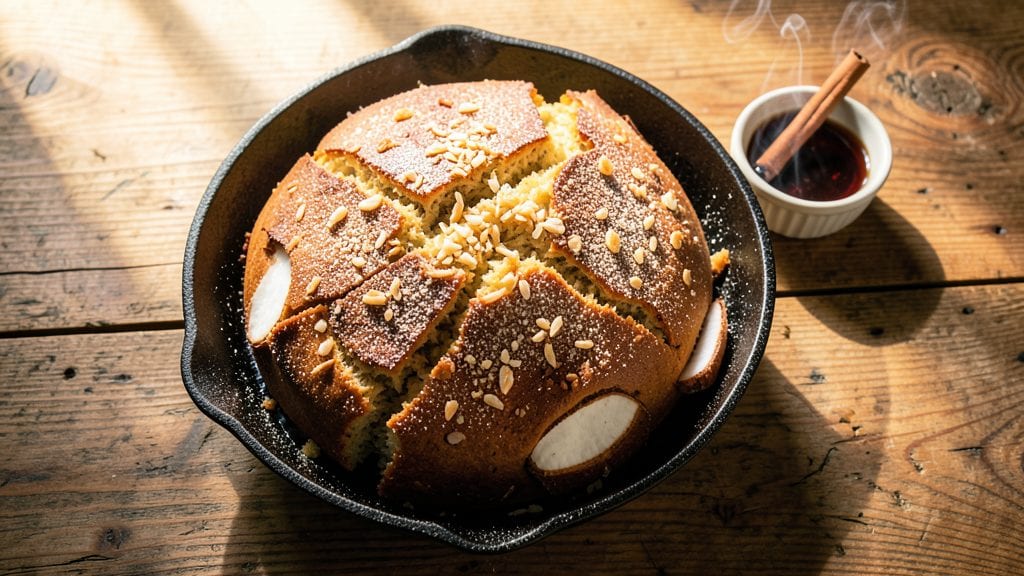
This authentic Jamaican coco bread recipe brings the warm, spiced flavors of Jamaica straight to your kitchen, with its signature crunchy top and tender crumb. The secret lies in the perfect balance of cornmeal, coconut, and a touch of spiced rum that infuses every bite with island sweetness.
I've perfected this technique over years of baking, ensuring the bread stays moist yet develops that coveted crispy crust.
The traditional method calls for a cast-iron skillet or Dutch oven, which creates that iconic caramelized top while keeping the inside soft and fluffy.
Unlike many recipes that skimp on key ingredients, this version stays true to Jamaican roots—using cornmeal for texture, shredded coconut for flavor, and baking powder for lift. The spiced rum adds depth, but don't worry if you can't find it; a splash of vanilla extract works in a pinch.
By the time you pull this bread from the oven, you'll have a golden, slightly domed loaf with a crackly top that shatters at the touch and a tender interior that melts in your mouth.
Serve it warm with butter, jam, or even as a side to savory dishes—its subtle sweetness pairs beautifully with everything. The aroma alone will transport you to a Jamaican kitchen, where this bread is a beloved staple.
This recipe delivers restaurant-quality results at home, with a method that's both traditional and foolproof. Whether you're baking for a family gathering or simply craving a taste of the Caribbean, this coco bread will become a quick favorite.
Let's get started on creating your own piece of Jamaica in your kitchen.
Ingredients for authentic jamaican coco bread
Pantry staples plus a few Caribbean touches—this bread delivers island flavors every time.
| Ingredient | Amount | Notes |
|---|---|---|
| All-Purpose Flour 🌾 | 2 cups | Sifted for even texture |
| Cornmeal 🌽 | 1 cup | Fine grind preferred |
| Granulated Sugar 🍚 | ½ cup | Light brown sugar works too |
| Unsalted Butter 🧈 | ½ cup | Cold, cubed for mixing |
| Shredded Coconut 🥥 | 1 cup | Sweetened, unsweetened works too |
| Spiced Rum 🍹 | ¼ cup | Or vanilla extract for substitute |
| Large Eggs 🥚 | 1 whole | Room temperature preferred |
| Baking Powder 🍞 | 1 tsp | Double-acting preferred |
| Ground Cinnamon 🌿 | 1 tsp | Freshly ground for warmth |
| Ground Nutmeg 🌶️ | ½ tsp | Freshly grated preferred |
| Salt 🧂 | ½ tsp | Fine sea salt preferred |
| Milk 🥛 | ½ cup | Whole milk for richness |
| Vanilla Extract 🍯 | 1 tsp | Pure vanilla extract |
The cornmeal is non-negotiable for that signature Jamaican texture—Bob's Red Mill or King Arthur brands work perfectly. Grab sweetened shredded coconut if you can find it (the Trader Joe's brand is my go-to), but unsweetened works too—just add a pinch of sugar. The spiced rum adds depth, but if you're avoiding alcohol, vanilla extract plus a splash of orange juice mimics the warmth. For the butter, don't melt it—cold cubes create flaky layers. I always buy European-style butter (like Plugrá) for extra richness, but regular unsalted works fine.
No spiced rum? Vanilla extract plus 1 tsp orange zest gets you close. Cornmeal shortage? Substitute half the cornmeal with all-purpose flour, but the texture won't be quite the same. The baking powder must be fresh—if it's over a year old, test it with vinegar (should bubble). For nutmeg, freshly grated from a whole nutmeg makes all the difference, but pre-ground is fine in a pinch. The milk can be any kind, but whole milk gives the best texture. If you're feeling fancy, swap half the milk for coconut milk for extra island flavor.
This dough keeps for 2 days in the fridge, covered. The baked bread? 3 days at room temperature wrapped in a towel, or 1 week in the fridge. For longer storage, freeze the baked loaf (up to 3 months)—thaw at room temperature before serving. The best part? It reheats beautifully—just wrap in foil and warm in a 350°F oven for 10 minutes. I always bake two loaves—one for breakfast, one to freeze for lazy mornings.
Why You'll Love This Recipe
- No-Mess Mixing: I swear by this—just toss the dry ingredients in a bowl, cut in the butter until it looks like crumbs, then fold in the coconut. No food processor, no fuss, and the texture comes out just right every time.
- Tropical Crunch Magic: That buttery cornmeal crust with shredded coconut? It’s the kind of bite that makes you stop mid-sentence. Sweet, nutty, and crispy—like a hug from Jamaica in every bite.
- Breakfast or Dessert?: Serve it warm with butter for breakfast, or drizzle honey over slices for a quick dessert. Honestly, I’ve even used it as a base for fruit salads when I’m lazy. Works every time.
- Budget-Friendly Staple: Flour, cornmeal, sugar, butter—these are pantry basics. A single batch stretches for days, and the leftovers toast up perfectly. My wallet (and my taste buds) thank me.
Step-by-step instructions for authentic Jamaican coco bread
Here's how to make this classic Caribbean treat with its signature crunchy top and spiced rum flavor.
Mix Dry Ingredients for Perfect Texture
In a large mixing bowl, combine the 2 cups all-purpose flour, 1 cup cornmeal, 1 teaspoon baking powder, 1 teaspoon ground cinnamon, 0.5 teaspoon ground nutmeg, and 0.5 teaspoon salt. Sift the ingredients together for the first time to aerate the flour and ensure an even distribution of spices. This creates a light, fluffy base that's essential for that signature Jamaican texture.
Use a whisk to break up any lumps, then make a well in the center of the dry mixture. This well will be where we add our wet ingredients next. I like to press down gently on the flour mixture with my fingers to create a smooth well—this prevents flour from flying everywhere when we add the liquids.
Cream Butter and Sugar for Rich Flavor
In a separate medium bowl, beat the 0.5 cup unsalted butter and 0.5 cup granulated sugar together using an electric mixer on medium speed for 2-3 minutes. The mixture should become light and fluffy, nearly doubling in volume. This step incorporates air into the batter, which helps create that distinctive crunchy top while keeping the interior tender.
Watch for the color to change from pale yellow to a slightly off-white hue. This indicates proper aeration. If you're using light brown sugar, you'll notice a deeper color from the start, but the texture transformation will be the same. Add the 1 teaspoon vanilla extract now and mix for another 30 seconds to fully incorporate.
Combine Wet Ingredients and Fold in Coconut
In a small measuring cup, combine the 0.5 cup milk, 0.25 cup spiced rum, and the 1 whole large egg. Whisk vigorously for 30 seconds until fully blended. The rum adds that authentic Jamaican flavor while keeping the bread moist. If you're using vanilla extract instead of rum, add it here with the milk and egg.
Pour the wet ingredients into the butter-sugar mixture and mix on low speed for 1 minute until just combined. Then, using a rubber spatula, gently fold in the 1 cup shredded coconut. Be careful not to overmix—the batter should be slightly thick but still pourable. You'll see some coconut pieces clumping, which is normal and actually enhances the texture.
Prepare the Baking Pan for Perfect Rise
Preheat your oven to 350°F. Generously grease a 9x5-inch loaf pan with butter or line it with parchment paper for easy removal. The greased pan helps create that signature crispy top while preventing the bread from sticking. Tap the pan gently on the counter to settle any air bubbles that might have formed in the batter.
Pour the batter into the prepared pan and smooth the top with a spatula. The batter should fill the pan about ¾ full. Sprinkle the remaining shredded coconut evenly over the top—this extra layer creates that beautiful crunchy crust we all love. Gently press down on the top to help it set slightly before baking.
Bake to Golden Perfection with Crispy Top
Bake the coco bread for 50-60 minutes until the top is deep golden brown and a toothpick inserted in the center comes out clean. The bread is done when the edges pull away slightly from the pan and the top has developed that characteristic crackly crust. I usually check at the 45-minute mark—every oven runs slightly differently.
For the final 5 minutes of baking, increase the oven temperature to 375°F to help crisp the top. This high-heat finish is what gives coco bread its signature texture. Let the bread cool in the pan for 10 minutes before transferring to a wire rack. The residual heat will continue to set the crunchy top as it cools.
Pro Tips For Making Authentic Jamaican Coco Bread
- Mix Butter Slowly: Start with cold butter cubes and toss them into the flour mixture one at a time while mixing on low. I learned this the hard way—adding all the butter at once creates a gummy dough that fights you every step of the way. Let the heat of your hands work with the mixer to emulsify it gradually.
- Toast the Cornmeal: Dry-toast the cornmeal in a separate pan over medium heat for 3–4 minutes until it smells nutty and golden. This isn’t just about flavor—it prevents the bread from tasting raw and helps the coconut crisp up properly. (Yes, even if you’re impatient like me, don’t skip this.)
- Avoid Overmixing the Dough: Once the dough comes together, stop mixing the second the flour disappears—overworking it makes the bread dense and chewy. I used to think more mixing meant better texture, but this dough is delicate. Two minutes max after the last flour disappears.
- Press the Coconut Firmly: When shaping the loaf, press the shredded coconut into the top hard—like you’re trying to make it stick. The coconut should be packed tight enough that it doesn’t sink into the bread as it bakes. (Your future self will thank you when it stays crispy.)
Flavor customization for these flavors
Spiced Rum Variations
For a more robust flavor, use dark rum instead of spiced rum—it adds caramel notes that deepen the bread's complexity. I recommend Appleton Estate or Hampden Estate rums for authentic Jamaican taste.
If you prefer a sweeter profile, reduce the rum to 2 tablespoons and add 1 tablespoon molasses to the batter for a subtle caramel undertone. 🍹
Sweetness Adjustments
If you love extra sweetness, increase the sugar to ¾ cup and add 2 tablespoons brown sugar for molasses depth. For a more subtle sweetness, reduce sugar to ¼ cup and boost the coconut to 1½ cups—the natural sweetness of coconut balances perfectly.
I find unsweetened coconut works best here to avoid overpowering the bread's delicate crumb.
Spice Blends
Swap the cinnamon and nutmeg for a Jamaican jerk spice blend—use 1 teaspoon (like Grace Jerk Seasoning) for a bold kick. For warmth without heat, try ½ teaspoon cardamom and ¼ teaspoon allspice instead.
These spices add layers of complexity that mimic traditional Jamaican baking. Always toast whole spices briefly in a dry pan before grinding for maximum flavor. 🌶️
Coconut Swaps
For a nutty twist, replace half the coconut with toasted pecans or walnuts—chop them finely and toast in butter for 3 minutes at 350°F before folding in. If you're allergic to nuts, use extra toasted coconut flakes (toasted in the same way) for texture.
For a tropical variation, fold in ½ cup dried pineapple (finely chopped) along with the coconut—it adds moisture and a tangy contrast.
Gluten-Free Adaptation
Replace the all-purpose flour with a 1:1 gluten-free baking flour (like Bob's Red Mill GF Blend) and add 1 extra tablespoon cornstarch to improve texture. Reduce the baking powder to ½ teaspoon since gluten-free flours often require less leavening.
For extra moisture, add 2 tablespoons coconut milk to the wet ingredients. The bread will still have a crunchy top but a slightly denser crumb—perfect for those with gluten sensitivities. 🌾
Vegan Version
Use vegan butter (like Miyoko's) and replace the egg with 1 flax egg (1 tablespoon ground flaxseed + 3 tablespoons water, mixed and rested for 5 minutes). Swap milk for coconut milk and ensure your baking powder is aluminum-free (like Bob's Red Mill Vegan Baking Powder).
The texture stays moist and tender, with a slightly denser crumb that still delivers on that signature Jamaican flavor. 🥥
Nutrition facts
Frequently asked questions
Why does Jamaican coco bread have a crunchy top?
The signature crunch comes from baking in a greased pan at 350°F for most of the time, then finishing at 375°F for the last 5 minutes. The high heat caramelizes the sugars in the batter while the coconut topping adds texture. The extra coconut sprinkled on top before baking also creates that crackly crust.
Can I make this bread without spiced rum?
Replace the 0.25 cup spiced rum with 1 teaspoon vanilla extract plus 1 teaspoon orange zest for a similar warm, aromatic flavor. If you want a rum-like depth without alcohol, use 2 tablespoons molasses instead. The bread will still taste delicious—just with a slightly different profile.
How do I store leftover coco bread?
Wrap cooled bread tightly in a clean kitchen towel or foil to keep it moist. Store at room temperature for 3 days, or refrigerate for 1 week. For longer storage, freeze for up to 3 months. To reheat, wrap in foil and warm at 350°F for 10 minutes—this restores the crispy top perfectly.
What's the best way to serve coco bread?
Jamaican coco bread is versatile! Serve it warm with butter or jam for breakfast, or toast slices for a crunchy snack. It also pairs beautifully with savory dishes like jerk chicken or curried fish. For a sweet treat, drizzle with melted chocolate or peanut butter. The coconut flavor works with both sweet and savory pairings.
Why did my coco bread turn out dense instead of fluffy?
Overmixing the batter or using old baking powder are the most common causes. Make sure to mix just until combined (about 1 minute after adding wet ingredients) and use fresh baking powder (test it with vinegar—it should bubble). Also, don't skip the 10-minute cooling period in the pan—this helps set the crumb properly. If your oven runs hot, reduce temperature to 325°F and bake for 65-70 minutes.