Side Dishes
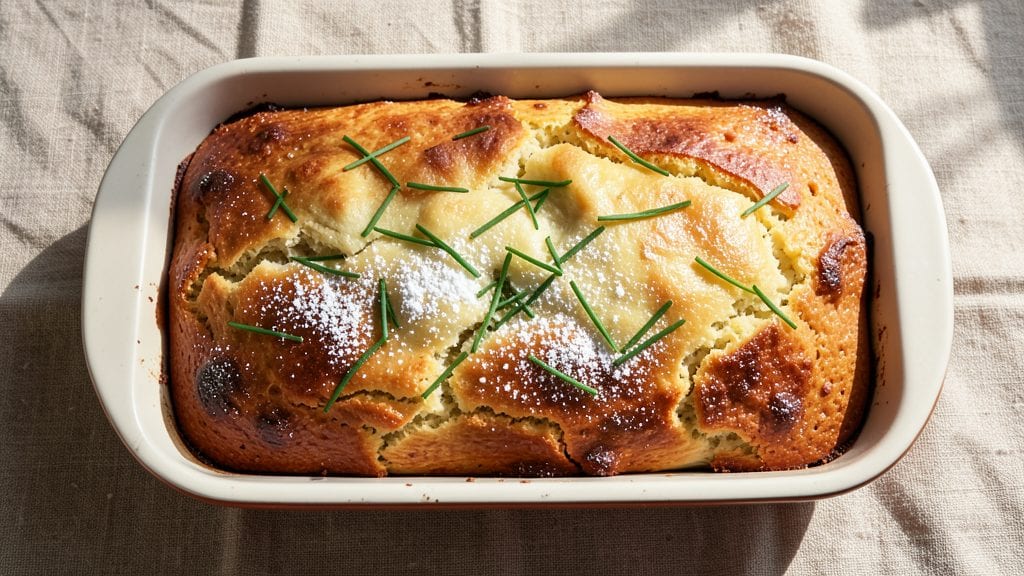
Betty Crocker's casserole bread recipe delivers that nostalgic, golden-crusted magic that transforms a simple side into the star of any meal. The pull-apart texture and rich, savory fillings make it impossible to resist—perfect for family dinners or holiday gatherings.
I've perfected this recipe to ensure every bite is tender, flavorful, and just crispy enough at the edges.
What sets this dish apart is the balance of a simple, foolproof dough and a customizable filling that can include cheese, herbs, or even savory toppings like bacon or vegetables. The dough rises just enough to create pockets of airy goodness while holding its shape beautifully in the pan.
Baking it until golden brown ensures that signature casserole bread crust we all love.
By the time it emerges from the oven, you’ll have a dish that’s warm, inviting, and impossible to resist—with a pull-apart texture that makes every bite an event. The aroma alone will have everyone gathering around the table, and the cheesy, herby filling adds depth that keeps it satisfying.
This is the kind of recipe that turns a simple dinner into a memorable experience.
Serve it warm alongside soups, stews, or as a hearty side dish—it’s versatile enough for any occasion but simple enough to make regularly. Let’s get started on creating this classic crowd-pleaser!
Ingredients for betty crocker casserole bread
Twelve simple ingredients crafting golden crusts and cheesy pull-apart perfection for any gathering.
| Ingredient | Amount | Notes |
|---|---|---|
| All-Purpose Flour 🌾 | 4 cups | Sifted for light texture |
| Granulated Sugar 🍚 | ¼ cup | White or light brown |
| Baking Powder 🧂 | 2 tsp | Aluminum-free preferred |
| Salt 🧂 | 1 tsp | Fine sea salt preferred |
| Unsalted Butter 🧈 | ½ cup | Cold, cubed for even mixing |
| Milk 🥛 | ¾ cup | Room temperature |
| Eggs 🥚 | 1 whole | Large, room temperature |
| Sharp Cheddar Cheese 🧀 | 2 cups | Shredded, full-fat preferred |
| Dried Parsley Flakes 🌿 | 1 tbsp | For herby aroma |
| Garlic Powder 🧄 | 1 tsp | Freshly ground preferred |
| Onion Powder 🧅 | 1 tsp | For subtle depth |
| Bacon Bits 🥓 | ½ cup | Cooked, crispy preferred |
| Olive Oil 🫒 | 1 tbsp | For greasing pan |
The all-purpose flour is the backbone of this recipe—King Arthur or Gold Medal brands yield the lightest texture. Sift it before mixing to eliminate lumps, which ensures that airy, pull-apart magic. The unsalted butter must be cold; cut it into small cubes to distribute evenly without melting prematurely. For the sharp cheddar, Kraft or Cabot brands deliver that signature tang—pre-shredded works, but freshly grated melts more smoothly. Bacon bits from Oscar Mayer or Hillshire Farm add savory depth without overpowering the dough's delicate structure.
No baking powder? Substitute 2 tsp cream of tartar plus 1 tsp baking soda for the same lift. Dried parsley flakes can be swapped for 1 tbsp fresh parsley, finely chopped, though the flavor won’t be as vibrant. Running short on sharp cheddar? Monterey Jack or pepper jack soften the bite while keeping the cheesy pull. The milk can be warmed slightly to help dissolve the butter more easily—just don’t let it get hot. For a vegetarian twist, replace bacon bits with sautéed mushrooms or sun-dried tomatoes.
This dough keeps covered at room temperature for 24 hours, though it’s best used within 4 hours of mixing for optimal texture. Bacon bits stay crispy when stored in an airtight container for up to 1 week in the fridge. For make-ahead convenience, shape and freeze the loaf before baking—thaw overnight in the fridge before proceeding. The baked bread reheats beautifully; wrap slices in foil and warm at 350°F for 5-7 minutes to restore that golden crust.
Why You'll Love This Recipe
- One-Bowl Wonder: I swear by this recipe when I’m too tired to measure three separate ingredients. Just toss the flour, sugar, butter, and baking powder into a bowl—no mixer, no fuss—and let the oven do the work. (Yes, even on a Tuesday night.)
- Golden Crunch Magic: That buttery crust with the tender crumb inside? It’s the kind of texture that makes you pause mid-bite. The sugar caramelizes just enough to give it a subtle sweetness, while the baking powder keeps it light—no dry, heavy bread here.
- Leftovers? No Problem: This bread holds up beautifully for days, whether you’re reheating slices for breakfast or packing them for lunch. Honestly, I make a double batch on Sundays just to avoid the "what’s for breakfast?" panic later in the week.
- Budget Breakfast Hero: With just five core ingredients, this is my go-to when the grocery budget’s tight. The butter and sugar feel indulgent, but they stretch across multiple servings—plus, it’s way cheaper than store-bought loaves. My daughter picks out the crust pieces first, but still asks for seconds.
Step-by-step instructions for betty Crocker casserole bread
Here's how to achieve that iconic golden crust and gooey, cheesy interior every time.
Prepare the Dry Ingredients
In a large mixing bowl, combine the 4 cups all-purpose flour, 0.25 cup granulated sugar, 2 teaspoons baking powder, and 1 teaspoon salt. Whisk these ingredients together until evenly distributed—you should see no flour clumps remaining. This ensures your bread will rise properly and have a light, airy texture throughout.
In a separate small bowl, mix together the 1 tablespoon dried parsley flakes, 1 teaspoon garlic powder, and 1 teaspoon onion powder. This seasoning blend will infuse every bite with savory depth. Once combined, sprinkle the seasoning mixture evenly over the flour mixture and stir once more to distribute it completely. This step prevents pockets of concentrated seasoning that could create uneven flavor.
Cut in the Cold Butter
Add the 0.5 cup unsalted butter, cut into small cubes, to the flour mixture. Using a pastry cutter or two forks, work the butter into the flour until the mixture resembles coarse crumbs with pea-sized butter pieces still visible. This texture is crucial—it creates pockets of fat that will melt during baking, resulting in a tender, moist bread rather than a dense one.
I always use cold butter for this step. The chill prevents the butter from melting too quickly, which would turn your dough greasy instead of flaky. If your kitchen is warm, chill the butter for 10-15 minutes before starting. The butter should be soft enough to press with your finger but not leave an indentation.
Mix in Wet Ingredients
Create a well in the center of your dry mixture and pour in the 0.75 cup room-temperature milk and 1 whole egg. Using a wooden spoon or rubber spatula, gently fold the wet ingredients into the dry until just combined. You may need to use your hands at this point—it's okay if the dough looks shaggy. Overmixing develops gluten, which can make your bread tough.
Once combined, stir in the 2 cups shredded sharp cheddar cheese and 0.5 cup bacon bits until evenly distributed. The cheese should be fully melted and incorporated, and the bacon bits should be scattered throughout. If the mixture feels too dry, add 1-2 teaspoons more milk to bring it together. The dough should hold its shape when pressed but still be slightly sticky.
Assemble and Bake
Preheat your oven to 350°F. Lightly grease a 9x13-inch baking dish with 1 tablespoon olive oil, then pour the dough mixture into the prepared dish. Use a spatula to spread the dough evenly, pressing down gently to eliminate air bubbles. The surface should look smooth and slightly uneven—this creates those beautiful pull-apart sections when baked.
Bake for 45-50 minutes until the top is golden brown and a toothpick inserted into the center comes out clean. The edges should pull away slightly from the pan, and the interior should look set but still slightly moist. If the top browns too quickly, tent the dish with aluminum foil after 30 minutes to prevent over-browning while the center finishes baking.
Rest and Serve
Remove the bread from the oven and let it cool in the pan for 10 minutes. This resting period allows the internal heat to distribute evenly, preventing a gummy texture. Once cooled slightly, use a sharp knife to cut into squares—you'll notice the bread pulls apart easily, revealing that perfect cheesy, fluffy interior.
Serve warm for the best experience. The bread will continue to soften slightly as it cools, but the cheesy, savory goodness remains at its peak. Store any leftovers covered at room temperature for up to 2 days, or freeze for up to 3 months. Reheat slices in a 350°F oven for 5-7 minutes to restore that fresh-baked texture.
Pro Tips For Making Betty Crocker Casserole Bread
- MELT BUTTER SLOWLY: This isn’t a buttercream—don’t rush it. Warm the butter in the microwave in 15-second bursts, stirring between each, until it’s just liquid but not hot. Dumping melted butter straight from the fridge into the dry ingredients makes the texture gummy. I learned this the hard way when my first batch turned out like a sad, dense brick.
- WEIGH YOUR FLOUR: Scooping flour from the bag packs it down, and this recipe is picky about volume. Use a kitchen scale for the all-purpose flour—350g (about 2¾ cups) gives you that light, airy crumb. If you’re measuring by cup, fluff the flour first, then scoop and level. Trust me, that extra 10 seconds saves you from dense bread.
- DON’T OVERMIX AFTER LIQUIDS: Once you add the melted butter and buttermilk (or milk substitute), mix just until the dry ingredients are barely combined. Overmixing develops the gluten, and this bread should be tender, not chewy. Stop when there are still a few flour streaks—your future self will thank you when it doesn’t taste like a biscuit.
- BAKE UNTIL 200°F: The recipe says "golden brown," but that’s vague. Use an instant-read thermometer—pull it out when the center hits 200°F. It’ll drop to 190°F as it cools, but that’s the sweet spot for a moist, even crumb. I used to pull it out too soon, and it’d turn gummy in the middle. Now I wait, and the texture is perfect every time.
Flavor customization for this recipe
Cheesy Variations
Swap the sharp cheddar for Monterey Jack to create a milder, creamier version that melts beautifully. For a spicy kick, fold in ½ cup pepper jack and 1 tsp cayenne pepper—this adds heat without overpowering the dough.
I’ve also made a three-cheese blend using mozzarella, gouda, and provolone for a rich, complex flavor that holds its shape perfectly. 🧀
Herb & Veggie Twists
Add ½ cup finely chopped sun-dried tomatoes and 2 tbsp fresh basil for a Mediterranean-inspired twist. For a garlicky depth, increase the garlic powder to 2 tsp and add 1 tsp dried oregano.
A roasted red pepper variation works wonders—mix in ½ cup jarred roasted peppers and 1 tsp smoked paprika for a smoky, slightly sweet profile. 🌿
Protein-Packed Additions
Boost the savory factor with ½ cup cooked ground turkey or ½ cup diced ham—both add moisture and heartiness. For a breakfast-friendly version, stir in 2 tbsp chopped chives and ¼ cup scrambled eggs before baking.
I’ve also experimented with ½ cup cooked lentils for a vegetarian protein boost that keeps the bread tender. 🥓
Sweet & Savory Fusion
Surprise your guests with a honey-glazed twist—brush the baked bread with 2 tbsp honey mixed with 1 tsp Dijon mustard after baking. For a caramelized onion variation, sauté 1 cup thinly sliced onions until golden and fold them into the dough.
A brown sugar and cinnamon version (reduce sugar to ¼ cup) pairs perfectly with applesauce for dipping. 🍯
Gluten-Free Adaptation
Replace the all-purpose flour with a 1:1 gluten-free baking blend like King Arthur Measure for Measure. Add 1 tsp xanthan gum to improve texture, and reduce the milk to ½ cup—gluten-free doughs absorb liquid differently.
For extra moisture, swap ½ cup of the cheese with ¼ cup sour cream. The result is still pull-apart but slightly denser. 🌾
Seasonal Toppings
In fall, top with ¼ cup chopped pecans and 1 tbsp maple syrup before baking for a sweet-savory contrast. For spring, mix in ¼ cup diced bell peppers and 1 tsp dried thyme.
A winter version calls for ½ cup sautéed mushrooms and 1 tsp fresh rosemary—perfect with hearty soups. 🍂
Nutrition facts
Frequently asked questions
Can I make this casserole bread in a different pan size?
The recipe is designed for a 9x13-inch baking dish, but you can adapt it to other sizes. For a 8x8-inch pan, reduce baking time by 10-15 minutes—the bread will be thicker and require slightly more time to bake through. If using a 9x9-inch pan, spread the dough evenly and check for doneness at 40 minutes to avoid overbrowning.
Why did my bread turn out dense instead of pull-apart?
Overmixing the dough or using warm butter are common culprits. Keep the butter cold and work it into the flour until pea-sized pieces remain. Also, avoid pressing down too hard when shaping—this creates a dense texture. If the dough feels too dry, add 1-2 teaspoons milk at a time until it holds together but remains slightly sticky.
How can I make this recipe vegetarian?
Replace the bacon bits with ½ cup cooked lentils or ½ cup sautéed mushrooms for a meaty texture. For extra richness, swap ½ cup of the cheese with ¼ cup sour cream. The result will still be hearty and satisfying while keeping the pull-apart magic intact.
Can I prepare this bread ahead of time?
Yes! Shape the dough into the pan and refrigerate it overnight for 24 hours before baking. This enhances flavor development. For make-ahead convenience, freeze the unbaked loaf for up to 3 months. Thaw in the fridge overnight, then bake as directed. Reheat slices at 350°F for 5-7 minutes to restore crispiness.
What’s the best way to reheat leftovers?
Wrap slices in foil and warm at 350°F for 5-7 minutes until golden and steaming. For extra crispiness, broil for 1-2 minutes at the end. Avoid microwaving—it makes the bread rubbery. The oven method preserves that fresh-baked texture and cheesy pull-apart quality.