Soups & Stews
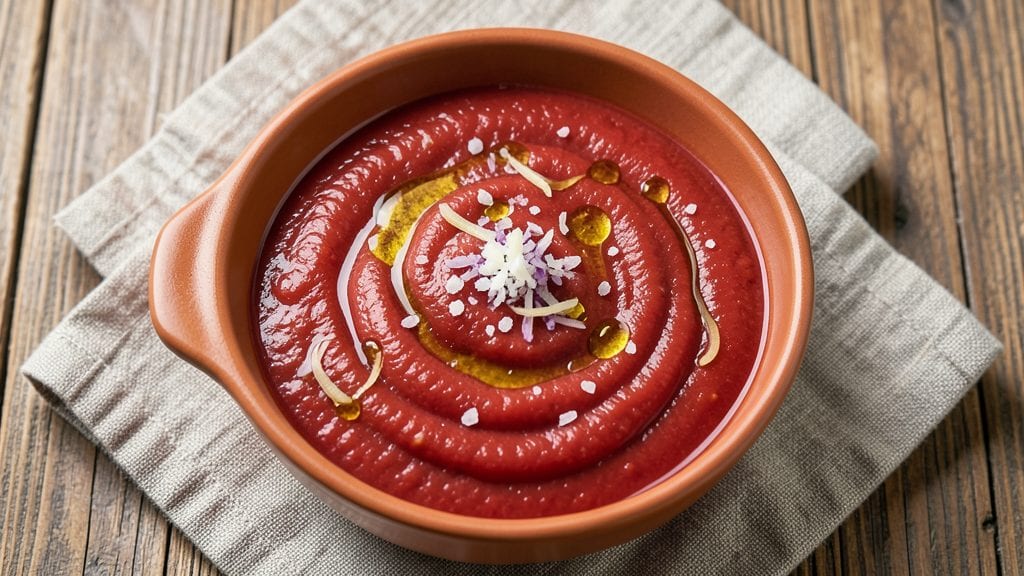
Transforming canned tomatoes into luscious tomato puree is the secret weapon behind restaurant-quality sauces and soups. This versatile base recipe delivers a smooth, concentrated flavor that elevates everything from marinara to chili—all with just five simple ingredients and 30 minutes of hands-on time.
The key lies in simmering the tomatoes until they break down naturally, preserving their rich sweetness while intensifying their depth.
What sets this tomato puree apart is its professional-level consistency and adaptability. You can use it immediately for sauces or soups, or store it for up to six months in the fridge, making it the perfect pantry staple.
The puree develops a velvety texture that clings beautifully to pasta, enhances stews, and adds complexity to braises—without the need for expensive ingredients or complicated techniques.
By controlling the cooking time and seasoning balance, you'll achieve a puree that's perfectly smooth yet still retains the natural tomato flavor. The subtle sweetness from the sugar and the aromatic depth from garlic and onion create a foundation that works in both classic and modern recipes.
Whether you're making a quick weeknight dinner or prepping for a holiday feast, this puree will become your go-to ingredient.
For those who want to customize, try adding smoked paprika for depth, red pepper flakes for heat, or fresh basil for brightness. The possibilities are endless, but the base recipe remains simple and reliable. Let's get started on creating your perfect tomato puree foundation.
Ingredients for canned tomato puree
Five ingredients transform canned tomatoes into velvety puree—your secret weapon for restaurant-quality sauces and soups.
| Ingredient | Amount | Notes |
|---|---|---|
| San Marzano Whole Canned Tomatoes 🍅 | 28 oz | Crushed by hand for even consistency |
| Granulated White Sugar 🍚 | 1 tbsp | Balances acidity naturally |
| Yellow Onion 🧅 | 1 whole | Finely chopped, sweet variety preferred |
| Garlic Cloves 🧄 | 4 cloves | Minced, fresh for aromatic depth |
| Extra-Virgin Olive Oil 🫒 | 2 tbsp | Light fruity variety for neutral base |
| Diamond Crystal Kosher Salt 🧂 | 1 tsp | Adjust to taste after simmering |
| Fresh Basil Leaves 🌿 | ⅛ cup | Optional, for brightness (chopped) |
San Marzano tomatoes are worth the splurge here—their natural sweetness and low acidity make all the difference. Grab a few cans from Whole Foods or Trader Joe's if you want the best flavor profile. The sugar isn't about sweetness; it's about balancing the acidity so you don't end up with a tart puree. Brown sugar works too, but white keeps things neutral. Onions and garlic? Sweet yellow onions like Vidalia add natural sweetness, while garlic should be fresh—pre-minced from jars has no flavor. The olive oil isn't just for cooking; it helps create that silky texture. Use a light variety so it doesn't overpower the tomato flavor.
No San Marzano? Any good-quality canned tomatoes work—just expect slightly more acidity. Skip the sugar? Add a pinch of baking soda to neutralize acidity, but taste first. Garlic powder is a poor substitute—fresh garlic is non-negotiable for that aromatic depth. Onion powder? It's better than nothing, but freshly cooked onion develops sweetness that powder can't match. Running low on olive oil? Avocado oil or grapeseed oil are neutral alternatives. And if you're feeling fancy, add a splash of red wine (about 1 tbsp) to the simmering pot for extra depth—just reduce it down completely before pureeing.
This puree keeps for up to 6 months in the fridge, sealed in an airtight container with a thin layer of olive oil on top to preserve color. For longer storage, freeze in ice cube trays—perfect for single-use portions. Reheat gently on the stove, stirring occasionally, until warmed through. Never microwave—it breaks down the texture. I like to portion mine into small jars so I always have a ready-to-use base for quick weeknight dinners. The flavor actually improves after a few days as the ingredients meld together, so don't hesitate to make extra.
Why You'll Love This Recipe
- Pantry Magic Ready: I swear by this—just open a can of San Marzanros, simmer with onion and garlic, and boom, you’ve got a flavor bomb. No fresh tomatoes to peel, no blender cleanup, and it’s done before your coffee gets cold.
- Sweet-Savory Balance: That sugar isn’t just for sweetness—it’s the secret to cutting the acidity while letting the tomatoes sing. The olive oil finish? Rich, buttery perfection that makes me want to eat it straight from the pot.
- Weeknight Superhero: Slap this into marinara for pasta, stir it into soups, or even use it as a glaze for roasted veggies. I make a big batch on Sundays and freeze portions—because why stress when dinner’s this easy?
- Budget-Friendly Luxury: San Marzanros are a splurge, but one can stretches into so many meals. Onion and garlic are cheap staples, and a little sugar goes a long way. Honestly? This is the kind of recipe that makes frugal cooking feel fancy.
Step-by-step instructions for canned tomato puree
Here's how to transform simple pantry staples into a rich, velvety base that elevates any dish.
Prepare the Base Ingredients
Start by finely chopping the 1 whole yellow onion into small, even pieces—about ¼-inch dice. This ensures even cooking and prevents any large chunks in your final puree. In a separate bowl, mince the 4 cloves garlic cloves until you have a fine paste. Fresh garlic adds depth that frozen or powdered can't match.
While you're prepping, crush the 28 oz San Marzano whole canned tomatoes by hand using your fingers or a wooden spoon. This breaks them down into larger chunks rather than a fine puree, which gives you better control over the final texture. I like to work directly in the can for easy transfer later.
Sauté Aromatics in Olive Oil
Heat the 2 tbsp extra-virgin olive oil in a large, heavy-bottomed pot over medium heat. Once the oil shimmers—about 30 seconds—add the chopped yellow onion. Cook for 5-6 minutes until the onions soften and become translucent, stirring occasionally to prevent browning.
Add the minced garlic and cook for another 30 seconds until fragrant. You'll know it's ready when the kitchen fills with that unmistakable garlic aroma. Be careful not to let it brown—garlic burns quickly and becomes bitter. Remove the pot from heat temporarily to prevent this while you prepare the tomatoes.
Build the Puree Foundation
Return the pot to medium heat and add the crushed San Marzano tomatoes along with the 1 tbsp granulated white sugar. Stir well to combine, then bring the mixture to a gentle simmer. The sugar will help balance the acidity of the tomatoes while adding subtle sweetness to the base.
Let the mixture simmer uncovered for 20-25 minutes, stirring occasionally. You're looking for the tomatoes to break down completely and the mixture to reduce by about one-third. The puree should thicken noticeably, coating the back of a spoon when you stir. This reduction process concentrates the flavors and creates that velvety texture.
Season and Finish
Once the tomatoes have reduced, stir in the 1 tsp diamond crystal kosher salt. Taste the puree and adjust the seasoning if needed—this is your chance to balance the flavors before proceeding. The salt should enhance the natural sweetness of the tomatoes without overpowering them.
For the optional brightness, add the 0.125 cup fresh basil leaves and stir gently. Let the mixture simmer for an additional 2-3 minutes to allow the basil to infuse its flavor without becoming bitter. The basil should be just visible in the final puree, adding a fresh herbal note that complements the rich tomato base.
Strain and Store
Transfer the puree to a fine-mesh strainer or food mill to remove any remaining skins or seeds. Press gently with a wooden spoon to extract all the liquid. This step ensures a silky-smooth texture perfect for sauces, soups, or braises. If you prefer a slightly chunkier texture, skip this step entirely.
Your finished tomato puree should yield about 4 cups, ready to use immediately or store in the refrigerator for up to 5 days. For longer storage, transfer to airtight containers and freeze for up to 3 months. This versatile base works equally well in marinara sauces, creamy soups, or as a flavorful braising liquid for meats.
Pro Tips For Making Canned Tomato Puree
- Peel and Score Tomatoes: DESCRIPTION:
- Sweat Onions Low and Slow: DESCRIPTION:
- Crush Garlic First: DESCRIPTION:
- Simmer, Don’t Boil: DESCRIPTION:
Perfect pairings for this dish
Sauce Pairings
Use this tomato puree as the base for homemade marinara—simmer 2 cups puree with 1 tbsp tomato paste, ½ tsp dried oregano, and ¼ cup red wine to create a rich, velvety sauce for pasta.
For a creamy tomato sauce, blend 1 cup puree with ½ cup heavy cream and a pinch of nutmeg after cooking. 🍝
Soup Enhancements
Elevate soups by adding ½ cup puree to minestrone or tomato basil soup just before serving—it deepens flavor without overpowering. For cream of tomato soup, reduce 1 cup puree with 1 cup chicken broth and finish with cream and Parmesan. The puree’s natural sweetness balances acidity beautifully.
Braising & Stews
Deglaze your Dutch oven with ½ cup puree after browning meat for beef stew or shredded chicken. The puree clings to proteins, creating a glossy, flavorful coating.
For braised short ribs, mix 1 cup puree with ½ cup red wine and 1 tsp smoked paprika to intensify the sauce.
Dips & Spreads
Blend 1 cup puree with 2 oz cream cheese, 1 tbsp lemon juice, and chopped fresh basil for a tomato-basil dip perfect with crusty bread. For a spicy twist, add ½ tsp cayenne and serve with tortilla chips. The puree’s smooth texture makes it ideal for dips.
Meat Glazes
Reduce ½ cup puree with 1 tbsp balsamic vinegar and 1 tsp brown sugar for a sticky glaze over grilled chicken or pork chops. Brush on during the last 5 minutes of cooking for a caramelized finish. The puree’s depth enhances meaty flavors without masking them.
Vegetable Roasts
Toss roasted eggplant or zucchini with 2 tbsp puree, 1 tsp Italian seasoning, and 1 tbsp olive oil before roasting at 400°F for 20 minutes. The puree caramelizes slightly, adding sweetness and richness to the vegetables. 🌱
Nutrition facts
Frequently asked questions
Can I use regular canned tomatoes instead of San Marzano?
Yes, you can substitute regular canned tomatoes, but expect slightly more acidity in the final puree. San Marzano tomatoes are prized for their natural sweetness and low acidity, which creates a more balanced flavor. If using regular tomatoes, reduce the sugar to ½ tablespoon or add a pinch of baking soda to neutralize excess acidity before simmering.
How do I adjust the thickness of the puree?
For a thicker puree, simmer the mixture uncovered for an extra 5-10 minutes to reduce it further. If it becomes too thick, stir in 1-2 tablespoons of water or broth to reach your desired consistency. The key is to taste and adjust gradually—thick puree works best for sauces, while thinner versions suit soups or braising liquids.
What can I do if my puree tastes too acidic?
If your puree tastes overly tart, add a pinch of sugar or a small amount of baking soda (⅛ teaspoon) to balance the acidity. For a more natural approach, stir in a spoonful of tomato paste or a splash of red wine (about 1 tablespoon) and simmer for another 5 minutes to mellow the flavors. Avoid adding too much sugar at once—it can make the puree taste cloying.
Can I make this puree in a slow cooker?
Follow the same steps, but transfer everything to a slow cooker after sautéing the aromatics. Cook on low heat for 4-5 hours, stirring occasionally, until the tomatoes break down completely. The slow cooker method is hands-off and ideal for busy days—just remember to stir frequently to prevent sticking. The texture will be slightly thicker, so thin with water or broth if needed.
How do I store leftover puree for long-term use?
For short-term storage, keep puree in an airtight container in the fridge for up to 5 days. For long-term storage, freeze in ice cube trays or small jars, leaving ½-inch headspace for expansion. Label with the date—frozen puree stays fresh for up to 3 months. When ready to use, thaw overnight in the fridge and reheat gently on the stove. Avoid microwaving to preserve texture.