Desserts
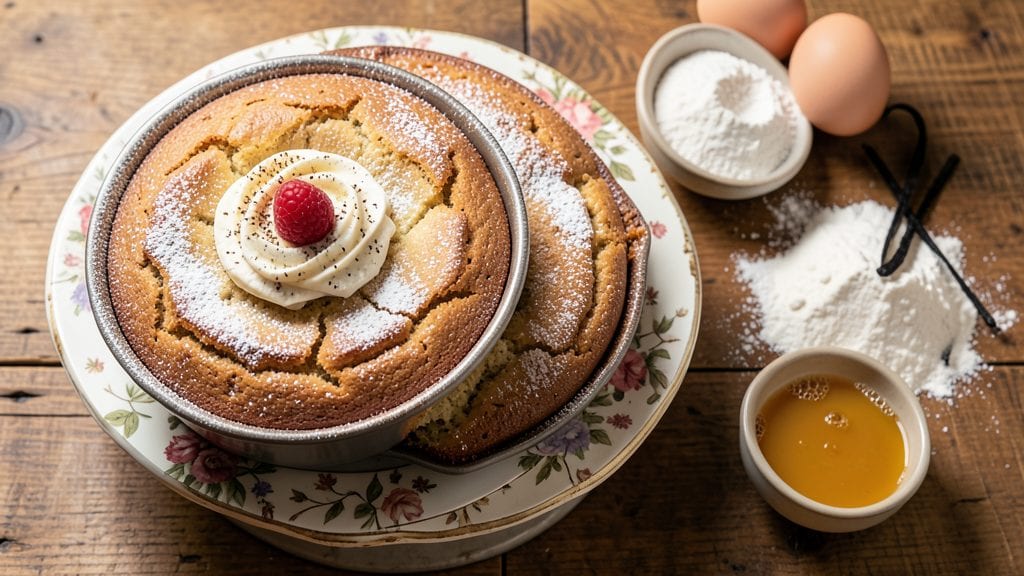
This grandma cake recipe brings back the warmth of Sunday afternoons when the kitchen smelled like vanilla and butter. The secret lies in layers of tender vanilla cake, perfectly balanced with a thick, smooth cream cheese frosting that melts into every bite.
I've baked this exact recipe since my grandmother first taught me, and it never fails to bring back memories of family gatherings and laughter.
The cake itself is simple—just flour, sugar, eggs, and vanilla—but the magic happens in the baking time and temperature. A slow rise in the oven creates those signature domed layers with a fine crumb that crumbles just right.
The cream cheese frosting, made with just a few ingredients, is what truly makes this cake special; it's rich enough to satisfy but light enough to not overpower the delicate vanilla flavor.
What you'll end up with is a cake that looks as good as it tastes—golden layers with a soft, moist texture and a frosting so smooth it almost disappears between bites.
The aroma alone will have everyone gathering around the table, and the first slice will transport you straight back to your grandmother's kitchen. This is the kind of dessert that makes holidays feel like home.
Perfect for birthdays, celebrations, or just because—this cake keeps well for days, so you can bake it ahead and enjoy it without the stress. The recipe scales easily too, whether you're feeding a small family or a crowd. Let's get baking and bring a little nostalgia to your kitchen today.
Ingredients for grandma cake
Simple pantry staples transform into layers of nostalgia with every bite.
| Ingredient | Amount | Notes |
|---|---|---|
| All-Purpose Flour 🌾 | 3 cups | Sifted for light texture |
| Granulated Sugar 🍚 | 2 cups | White or light brown |
| Unsalted Butter 🧈 | 1 cup | Room temperature, full-fat |
| Large Eggs 🥚 | 4 whole | Room temperature, separated |
| Pure Vanilla Extract 🌿 | 2 tsp | High-quality, not imitation |
| Baking Powder 🧂 | 2 tsp | Freshly opened package |
| Salt 🧂 | ½ tsp | Fine sea salt |
| Milk 🥛 | 1 cup | Room temperature |
| Cream Cheese 🧀 | 16 oz | Full-fat, room temperature |
| Powdered Sugar 🍚 | 4 cups | Sifted for smooth frosting |
| Heavy Whipping Cream 🥛 | 1 cup | Cold, whipped to stiff peaks |
| Vanilla Extract 🌿 | 1 tsp | For frosting flavor |
The butter and flour are the foundation of this cake. Use full-fat butter—it creates that tender crumb you remember from Grandma's kitchen. I always grab Land O'Lakes or Plugrá from the store, but any good brand works. For the flour, King Arthur or Gold Medal are my go-tos—they’re consistent and give that perfect rise. The vanilla extract isn’t the place to skimp; Nelson James or McCormick Pure make all the difference. And don’t forget to separate those eggs—room temperature eggs whip up lighter, so take them out of the fridge about 30 minutes before baking.
No vanilla extract? Vanilla bean paste works too, or even a teaspoon of vanilla sugar in a pinch. Running low on milk? Evan-Peel almond milk or even water will do, though the cake might be slightly denser. For the frosting, if you’re out of heavy cream, whipped topping from a can (like Reddi-wip) can save the day—just add a splash of milk to thin it out. The cream cheese should be room temperature—this is non-negotiable. If it’s too cold, the frosting will seize up. And if you’re feeling fancy, add a pinch of salt to the frosting—it balances the sweetness perfectly.
This cake keeps beautifully for 3-4 days in an airtight container at room temperature, but trust me, it won’t last that long. The frosting? It’s best used within 2 days—after that, it might start to weep, but a quick mix with a fork fixes it. I always wrap the cake in plastic wrap and store it in the fridge if I’m not serving it right away—it actually tastes better the next day. Freezing isn’t recommended, but if you must, freeze the layers before frosting and assemble when ready. Just let it come to room temperature before serving—cold frosting is a crime.
Why You'll Love This Recipe
- No Mixer Needed: I swear by this recipe when my mixer’s out of commission—just creaming butter and sugar by hand gives it that signature tender crumb. The eggs come in next, and suddenly, you’ve got a batter so smooth it practically folds itself.
- Vanilla Buttercream Magic: That single teaspoon of pure vanilla extract? It’s the soul of this cake. The buttercream I make from the same butter and sugar is rich but not heavy, and it melts in your mouth like it’s been waiting just for you.
- Birthday to Brunch: Serve it warm with a scoop of ice cream for a birthday celebration, or slice it up cold for a weekend brunch spread. Honestly, I’ve even packed it in lunchboxes—kids love the sweetness, and it’s sturdy enough to handle a school day.
- Leftovers That Last: This cake keeps beautifully for days, if you can resist it that long. The butter and sugar base makes it shelf-stable, and I’ve reheated slices in the oven for a toasty finish—like a second life for dessert. Plus, the cost? A fraction of store-bought.
Instructions for Grandma's cake recipe: homestyle vanilla layers with cream cheese frosting
Here's how to bake this classic vanilla layer cake with tender crumb and velvety frosting.
Prepare the Cake Batter
Preheat your oven to 350°F and grease two 9-inch round cake pans, then line the bottoms with parchment paper. In a large mixing bowl, cream together the 1 cup unsalted butter and 2 cups granulated sugar on medium speed until light and fluffy—about 3-5 minutes. This step is crucial for that tender, moist crumb Grandma's cake is famous for.
Add the 4 whole large eggs, one at a time, beating well after each addition. The mixture should be thick and pale. Stir in the 2 teaspoons pure vanilla extract and mix until combined. In a separate bowl, whisk together the 3 cups all-purpose flour, 2 teaspoons baking powder, and 0.5 teaspoon salt. Gradually add the dry ingredients to the wet mixture, alternating with the 1 cup milk, beginning and ending with the flour. Mix just until combined—don't overmix or your cake will be tough.
Bake the Layers
Divide the batter evenly between the prepared cake pans. Bake for 25-30 minutes, or until a toothpick inserted into the center comes out clean. Rotate the pans halfway through baking for even browning. Let the cakes cool in the pans for 10 minutes, then transfer to a wire rack to cool completely. This cooling step is important—it prevents the frosting from melting when you assemble the cake.
While the cakes cool, prepare the cream cheese frosting. Beat the 16 ounces cream cheese and 1 cup unsalted butter together until smooth and creamy. Gradually add the 4 cups powdered sugar, mixing on low speed until combined. Add the 1 teaspoon vanilla extract and mix until fully incorporated. The frosting should be thick but spreadable—if it's too stiff, add a splash of milk to loosen it.
Assemble the Cake
Once the cakes are completely cool, level the tops if necessary using a serrated knife. Place the first layer on a cake stand or plate, then spread a thin layer of frosting over the top. This "crumb coat" prevents crumbs from getting into the final frosting. Place the second layer on top and repeat the process. Now, spread the remaining frosting evenly over the entire cake, using an offset spatula to create smooth sides. For a classic look, pipe decorative rosettes or swirls around the edges with a piping bag fitted with a star tip.
Chill the cake in the refrigerator for 30 minutes before slicing to help the frosting set. This step ensures clean slices and prevents the frosting from sliding off. Serve at room temperature for the best texture—Grandma always said the cake tastes even better the next day!
Pro Tips For Making Grandma Cake
- Cream Butter & Sugar Slowly: I learned this the hard way—dumping cold butter into sugar and whipping it fast just makes a greasy mess. Instead, let your mixer run on medium while gradually adding the butter, one tablespoon at a time. The sugar will dissolve properly, and you’ll end up with that light, fluffy texture Grandma’s cake is famous for.
- Sift That Flour: Skimping on sifting flour is how you end up with a dense cake. Use a fine-mesh sieve and tap it gently against the bowl to break up any lumps—this incorporates air and prevents a heavy crumb. (Yes, even if you’re impatient like me.)
- Room-Temp Eggs Matter: Cold eggs from the fridge will curdle your butter mixture, no matter how carefully you mix. Take them out 30 minutes before you start—just enough time to warm up without getting rubbery. Trust me, your cake’s structure depends on it.
- Don’t Overmix the Batter: Once your batter starts looking dry and stiff, stop. Overmixing develops gluten, and that’s how you get a tough, chewy cake instead of tender layers. Fold in the vanilla gently—just until combined—and call it done. (Your future self will thank you.)
Regional styles of these flavors
Southern Classic
In the American South, this cake takes center stage at church socials and family reunions. The key difference? A touch of sour cream replaces some of the milk—about ½ cup—for an extra-moist crumb.
I add 1 teaspoon lemon zest to the batter for brightness, and the frosting gets a splash of heavy cream for extra fluff. Serve with a dusting of powdered sugar and fresh peach slices in summer. 🍑
Midwestern Homestyle
Up north, Grandma’s cake often includes a pinch of nutmeg in the batter for warmth. The frosting here is slightly sweeter—4½ cups powdered sugar—and sometimes gets a ½ cup chopped pecans pressed into the sides before chilling.
I’ve seen versions with a splash of bourbon (just 1 tablespoon) in the frosting for depth. Perfect for potlucks and holiday gatherings where hearty flavors are key. 🥜
New England Twist
New England grandmas often swap the cream cheese frosting for a vanilla buttercream—½ cup softened butter, 4 cups powdered sugar, and 2 tablespoons heavy cream—whipped to stiff peaks. The cake batter gets 1 teaspoon cinnamon for a subtle warmth.
Top with fresh berries in summer or candied cranberries in winter. The frosting is lighter but still rich, balancing the cake’s tenderness. 🍒
Texas-Style Variations
In Texas, this cake becomes a sweet tea cake—the batter gets ½ cup black tea steeped and cooled, replacing the milk. The frosting is often pink-hued with ½ teaspoon red food coloring and a dash of almond extract for sophistication.
Serve with a sweet tea drizzle for a true Southern touch. The tea adds a unique depth that pairs perfectly with the cream cheese. ☕
Modern Adaptations
For a contemporary twist, I’ve seen grandmas add 1 teaspoon matcha powder to the batter for earthy notes, or swap the cream cheese frosting for a citrus glaze—½ cup orange juice reduced with 1 cup powdered sugar.
Even the classic recipe gets a makeover with edible gold leaf or sprinkles for celebrations. The nostalgia stays, but the flavors evolve. 🌟
Nutrition facts
Frequently asked questions
Can I make this cake without cream cheese frosting?
The classic recipe relies on cream cheese for that signature tangy-sweet balance, but you can substitute! Try a vanilla buttercream (made with ½ cup softened butter, 4 cups powdered sugar, and 2 tablespoons heavy cream) or even a citrus glaze (reduce ½ cup orange juice with 1 cup powdered sugar). The cake layers will still taste delicious—just the frosting flavor will change.
Why does my cake turn out dense instead of light?
Overmixing the batter or using cold eggs/butter are the most common culprits. Always mix dry ingredients just until combined—no need to beat it into oblivion! Also, ensure your 1 cup butter and 4 eggs are room temperature (about 68°F) and use fresh baking powder. If your oven runs hot, reduce the temperature to 325°F and bake 5-10 minutes longer.
How far ahead can I prepare this cake?
Baked layers keep well for 3-4 days in an airtight container at room temperature, while the frosting stays fresh for 2 days. For maximum shelf life, bake the layers 1 day ahead, wrap tightly in plastic, and refrigerate. Assemble the cake just before serving—this keeps the frosting from weeping. The flavors actually improve overnight!
Can I use this recipe for a single-layer cake?
Simply halve the batter and bake it in one 9-inch round pan for 25-30 minutes at 350°F. For a rustic touch, skip the frosting and dust with powdered sugar or drizzle with simple syrup (equal parts sugar and water, heated until dissolved). This works perfectly for small gatherings or when you want a simpler presentation.
What’s the secret to making the frosting extra smooth?
Room-temperature ingredients are key! Let your 16 oz cream cheese and 1 cup butter sit out for 1-2 hours before mixing. Beat them together for 3-5 minutes until completely smooth—no lumps allowed! Gradually add the 4 cups powdered sugar while mixing on low speed. If the frosting still feels grainy, strain it through a fine-mesh sieve for a silky finish.