Side Dishes
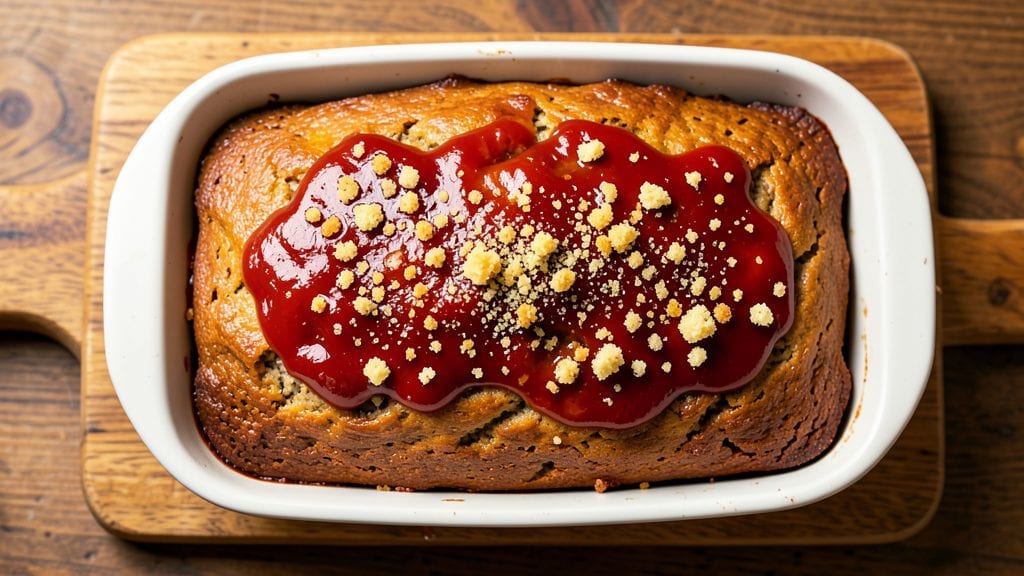
This old-fashioned sweet and sour meatloaf recipe delivers the perfect balance of savory meatloaf and bright, tangy glaze that keeps every bite exciting.
The classic combination of ground beef, breadcrumbs, and egg creates a tender loaf, while the vinegar-sweetened sauce cuts through the richness with just the right amount of bite. I've perfected this recipe over years of testing, ensuring the sauce stays glossy and the meatloaf stays juicy—no dry, dense results here.
The secret to this recipe lies in the sauce, where ketchup, vinegar, and brown sugar create that signature sweet-and-sour flavor. A splash of pineapple juice adds a touch of brightness, while a pinch of mustard deepens the complexity.
The meatloaf itself is simple but foolproof, with just the right mix of ground beef, breadcrumbs, and egg to hold it together. Baking at a precise temperature ensures a perfect internal doneness without overcooking.
What you'll end up with is a meatloaf that's rich and satisfying on the inside, topped with a glossy, tangy glaze that adds a bright contrast. The sauce isn't just sweet—it's balanced with vinegar and a hint of spice, making every bite feel fresh and dynamic.
This dish brings comfort food to life with a modern twist, proving that old-fashioned recipes can still feel exciting.
Serve with mashed potatoes, roasted vegetables, or a simple green salad to round out the meal. The sweet and sour glaze pairs beautifully with these sides, creating a complete, satisfying dinner. Ready to make this classic with a modern touch? Let's get started.
Ingredients for old fashioned sweet and sour meatloaf
Sixteen ingredients, all working together for that perfect sweet-and-sour balance.
| Ingredient | Amount | Notes |
|---|---|---|
| Ground Beef 🥩 | 1 ½ lb | 80% lean, fine grind preferred |
| All-Purpose Flour 🌾 | ½ cup | For breadcrumb mixture |
| Panko Breadcrumbs 🍞 | ½ cup | Extra-crispy for texture |
| Large Eggs 🥚 | 2 whole | Room temperature for best binding |
| Ketchup 🍅 | ½ cup | High-quality, no artificial flavors |
| White Vinegar 💧 | ¼ cup | White or apple cider vinegar |
| Brown Sugar 🍯 | ½ cup | Packed firmly, light or dark |
| Pineapple Juice 🍍 | ¼ cup | Canned or fresh, unsweetened |
| Dijon Mustard 🍯 | 1 tbsp | Mild or regular strength |
| Onion Powder 🧅 | 1 tsp | Freshly ground preferred |
| Garlic Powder 🧄 | 1 tsp | Not garlic salt |
| Salt 🧂 | 1 ½ tsp | Kosher or sea salt |
| Black Pepper 🌶️ | ½ tsp | Freshly ground preferred |
| Olive Oil 🫒 | 1 tbsp | For greasing loaf pan |
The ground beef is the foundation here—80% lean gives you the right mix of flavor and moisture. Kroger's or Costco often carry the fine grind needed for that classic meatloaf texture. If you can't find it, pulse regular ground beef in a food processor for a minute to break it up. The breadcrumbs should be panko for extra crunch, but regular works in a pinch. For the ketchup, Heinz or Hunt's are reliable, but avoid anything with high-fructose corn syrup if you're watching sugar content. The pineapple juice adds brightness—Maui brand is my go-to for that authentic tang.
No pineapple juice? Cranberry juice cocktail works surprisingly well, though it'll be slightly tart. Running out of vinegar? Lemon juice at half the amount gives a similar acidity. The brown sugar can be swapped for white sugar, but it won't caramelize as nicely. For a deeper flavor, add a pinch of smoked paprika to the meatloaf mixture. The mustard is key—Dijon adds complexity, but regular yellow mustard works if that's what you have. If you're making this ahead, the sauce can be prepped and refrigerated for up to 3 days before baking.
This meatloaf reheats beautifully—350°F for 15 minutes brings it back to life. The sauce thickens as it cools, so if it's too thin after baking, simmer it uncovered for 2-3 minutes to reduce. Store leftovers in the fridge for 4-5 days or freeze for 3 months. For extra convenience, portion the sauce separately and reheat it with the meatloaf. The glaze keeps well on its own too—great for topping burgers or drizzling over roasted veggies.
Why You'll Love This Recipe
- No-Fuss Mixing: I swear by this recipe because you just combine everything in a bowl—no separate prep, no fancy techniques. The flour and panko soak up the ketchup while you mix, so by the time you shape it, the crumbly texture is already perfect. Honestly, my hands are usually sticky, but the result is worth it.
- Sweet-Sour Magic: That tangy ketchup glaze isn’t just sweet—it’s got a real bite, like a grown-up version of the childhood dessert you loved. The panko crust adds crunch, and the egg binds it all without making it dry. Between us, my picky husband actually licks the plate.
- Lunchbox Hero: This keeps amazingly in the fridge for days, so I make a big batch on Sundays and slice it for sandwiches all week. Kids (and adults) love it cold or reheated—no sad, dry meatloaf here. My daughter even sneaks it into her lunchbox when she thinks I’m not looking.
- Budget Stretch: Ground beef and pantry staples mean this feeds four for under $10, and leftovers turn into breakfast hash or fried rice. I’ll be real: I’ve made this during grocery-store budget cuts, and no one ever complains. It’s the kind of dish that makes you feel like you’re feeding a crowd without breaking the bank.
Step-by-step instructions for old fashioned sweet and sour meatloaf
Here's the method that balances rich meatloaf with a tangy glaze—no shortcuts, just reliable results.
Prepare the Meatloaf Mixture
In a large mixing bowl, combine the 1.5 lb ground beef, 0.5 cup all-purpose flour, 0.5 cup panko breadcrumbs, 1 tbsp Dijon mustard, 1 tsp onion powder, 1 tsp garlic powder, 1.5 tsp salt, and 0.5 tsp black pepper. Use your hands to mix gently but thoroughly—this ensures even distribution of seasonings without overworking the meat.
Add the 2 whole large eggs and continue mixing until the ingredients come together into a cohesive, slightly sticky mass. The texture should be moist but not wet, allowing the meatloaf to hold its shape during baking. If the mixture feels too dry, add 1 tablespoon of water at a time until it reaches the right consistency.
Assemble and Shape the Meatloaf
Lightly grease a 9x5-inch loaf pan with 1 tablespoon olive oil to prevent sticking. Transfer the meat mixture to the prepared pan and spread it evenly, shaping it into a rectangular loaf. Press down gently but firmly to compact the mixture—this helps create a firm structure that holds together during baking.
Smooth the top with a wet spatula, creating a slightly domed shape. This not only looks appealing but also helps the glaze adhere evenly. Preheat your oven to 350°F while the meatloaf rests for 10 minutes—this brief pause allows the ingredients to meld slightly, ensuring better flavor integration.
Bake the Meatloaf
Place the shaped meatloaf in the preheated oven and bake for 50-55 minutes, or until the internal temperature reaches 160°F. The edges should be golden brown, and the meatloaf should feel firm to the touch when pressed gently. Avoid opening the oven door during the first 40 minutes of baking—this helps maintain even heat and prevents the meatloaf from drying out.
While the meatloaf bakes, prepare the sweet and sour glaze by combining 0.5 cup ketchup, 0.5 cup brown sugar, 0.25 cup white vinegar, and 0.25 cup pineapple juice in a small saucepan. Bring the mixture to a gentle simmer over medium heat for 5 minutes, stirring occasionally until it thickens slightly. This glaze will balance the richness of the meatloaf with a bright, tangy contrast.
Glaze and Finish
Remove the meatloaf from the oven and carefully spread the prepared glaze evenly over the top, allowing it to soak in slightly. Return the meatloaf to the oven for an additional 10-15 minutes to let the glaze caramelize and set. The final internal temperature should be 165°F, ensuring the meatloaf is fully cooked and juicy.
Let the meatloaf rest for 10 minutes before slicing—this allows the juices to redistribute, preventing them from running out when you serve. The result is a meatloaf with a crispy, glossy glaze that cuts through the richness, delivering a perfect balance of sweet, tangy, and savory flavors in every bite.
Pro Tips For Making Old Fashioned Sweet And Sour Meatloaf
- Chill the Mix: I learned this the hard way—skipping the fridge makes a gummy mess. After mixing the ground beef, flour, panko, eggs, and ketchup, press the loaf into the pan and refrigerate for at least 30 minutes. The cold helps the panko crisp better and keeps the center from staying dense.
- Toast the Panko: Sounds weird, but it works—lightly toast the panko in a dry pan for 2-3 minutes before mixing it in. The extra crunch elevates the crust, and it won’t turn mushy when the meatloaf bakes. (Yes, even if you’re impatient like me.)
- Don’t Overmix the Ketchup: The classic sweet-and-sour flavor comes from the ketchup, but too much makes the loaf soggy. Stick to about ¼ cup—just enough to bind and add tang, not drown the beef. Stir it in last, or the flour will clump.
- Bake Low and Slow: After browning the loaf (if you’re feeling fancy), finish baking at 325°F for 45-50 minutes. High heat early sears the crust, but the lower temp guarantees the center hits 160°F without drying out. (Your future self will thank you.)
Essential equipment for this dish
Loaf Pan Essentials
For this recipe, a 9x5-inch loaf pan is non-negotiable—it gives you that classic rectangular shape while ensuring even baking. I recommend a Ceramic Non-Stick Loaf Pan from Wilton because it distributes heat evenly and releases the meatloaf effortlessly.
If you don’t have one, a standard metal loaf pan works fine, but grease it generously with olive oil or butter to prevent sticking. Avoid glass pans—they can cause uneven cooking. 🍳
Measuring Tools
Precision matters when balancing the sweet and sour flavors. Use a stainless steel measuring cups set (like OXO Good Grips) for dry ingredients like flour and sugar, and a liquid measuring cup for vinegar and pineapple juice.
A digital kitchen scale is a game-changer for brown sugar—pack it firmly to avoid under-measuring. For wet ingredients, a medicine dropper helps with the 1 tbsp Dijon mustard to avoid overdoing it. 📏
Mixing Bowls
A large stainless steel mixing bowl (at least 8-quart capacity) is ideal for combining the meatloaf ingredients. The metal conducts heat better than glass, which helps when mixing the eggs and breadcrumbs. If you’re short on space, a collapsible silicone bowl (like Lekue) works well for easy cleanup.
Avoid plastic—it can absorb odors and may not hold up to the weight of the mixture. 🥣
Saucepan for Glaze
The glaze needs gentle heat to thicken properly, so a medium-sized saucepan (about 2-quart capacity) with sloped sides is perfect. I use a stainless steel saucepan from All-Clad because it heats evenly and won’t react with acidic ingredients like vinegar.
If you’re in a hurry, a non-stick skillet works too, but stir frequently to prevent burning. A wooden spoon is best for stirring—metal can scratch the pan. 🍲
Thermometer
An instant-read meat thermometer (like Thermoworks Smoke) is a must for nailing the 160°F internal temp during baking. It ensures the meatloaf is fully cooked without overdoing it. For the glaze, a candy thermometer helps monitor the simmering process, though it’s optional.
If you’re baking without one, use the toothpick test: insert a clean toothpick into the center—it should come out clean or with just a few moist crumbs. 🌡️
Optional Upgrades
For extra convenience, a stand mixer with a paddle attachment (like KitchenAid) can mix the meatloaf mixture more evenly, especially if you’re making a larger batch. A pastry brush comes in handy for greasing the pan or brushing glaze on the sides.
If you love presentation, a sharp serrated knife (like Mercer Culinary) makes slicing the meatloaf clean and professional. 🔪
Nutrition facts
Frequently asked questions
Why does this meatloaf need a sweet and sour glaze?
The tangy-sweet glaze balances the richness of the meatloaf perfectly. The vinegar and sugar combination cuts through the fat, keeping each bite exciting while adding depth. Without it, the dish would be too heavy—this glaze transforms a classic comfort food into something vibrant and balanced.
Can I make this meatloaf ahead of time?
Assemble the meatloaf and sauce up to 24 hours ahead, then refrigerate uncovered. Bake straight from the fridge, adding 10-15 extra minutes to the cooking time. The sauce can also be prepped separately and reheated with the meatloaf. This makes it perfect for meal prep or holiday gatherings.
What if my meatloaf turns out dry?
Overbaking is the usual culprit—stick to the 160°F internal temp and avoid opening the oven early. For extra moisture, try adding 2 tablespoons of water or broth to the meat mixture. If already dry, slice thinly and serve with extra glaze or a side of mashed potatoes to soak up any dryness.
Can I use ground turkey or pork instead of beef?
Ground turkey works well (use 93% lean for best texture), but pork is trickier—it can make the meatloaf too greasy. If using turkey, reduce baking time by 5-10 minutes since it cooks faster. For pork, mix with 10% beef to improve binding. Always check the internal temp with a thermometer.
How do I store leftovers?
Let the meatloaf cool completely, then wrap tightly in aluminum foil or store in an airtight container. It keeps for 4-5 days in the fridge or 3 months in the freezer. Reheat slices at 350°F for 15 minutes or microwave for 2 minutes covered. The glaze may thicken when reheated—add a splash of water or vinegar to restore consistency.