
Side Dishes
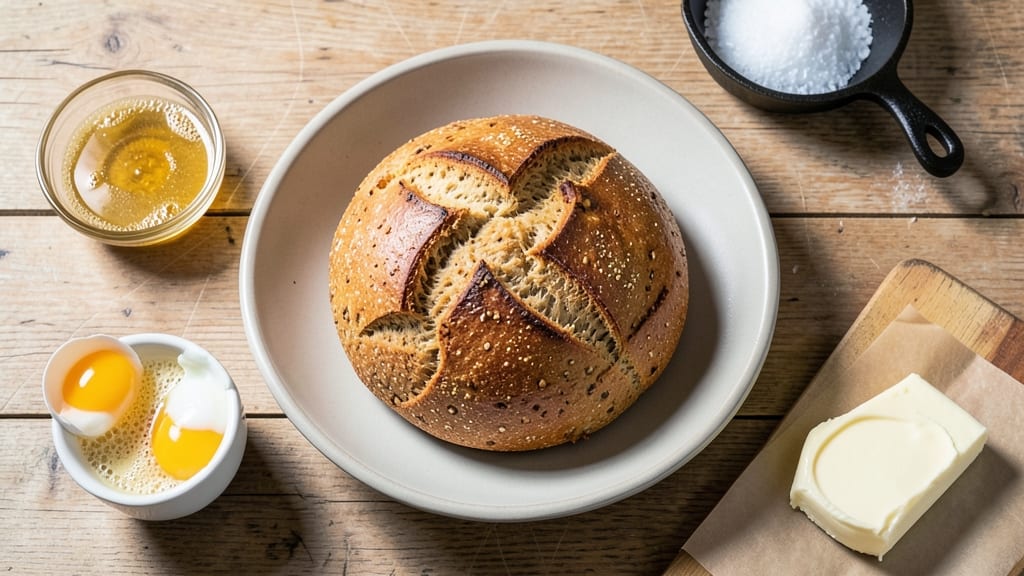
Adding whole wheat flour to your bread recipe delivers a nutrient-dense loaf that rivals traditional white flour versions—if you adjust hydration and technique properly. The key lies in understanding how whole wheat flour absorbs moisture differently, requiring precise ingredient ratios and gentle handling to avoid dense, dry results.
My years of testing have proven that even small adjustments in water content and kneading time make all the difference between a heavy brick and an airy, flavorful loaf.
Whole wheat flour brings natural sweetness and depth to bread, but its higher protein content and bran require careful hydration management. Start by increasing water by 10-15% compared to all-purpose flour recipes, and let the dough rest longer to develop gluten properly.
The result? A loaf with improved texture, enhanced flavor, and all the nutritional benefits of whole grains without sacrificing structure.
This method yields a golden-brown crust with a tender crumb that stays moist for days—ideal for sandwiches, toast, or serving with soups. The secret is patience: proofing the dough longer allows the gluten to relax, while baking at a slightly higher temperature ensures even browning without overcooking the interior.
Every bite delivers the satisfying chew of whole wheat without compromising on taste.
Whether you're adapting an existing recipe or starting from scratch, these techniques ensure your whole wheat bread turns out light, flavorful, and structurally sound. Let's get started with the exact ratios and step-by-step method that delivers professional results at home.
Ingredients for adding whole wheat flour to bread
Precision ratios and professional techniques transform whole wheat flour into a loaf with restaurant-quality texture.
| Ingredient | Amount | Notes |
|---|---|---|
| Bread Flour (All-Purpose Substitute) 🌾 | 3 cups | High-protein for structure, or blend 2 cups whole wheat with 1 cup all-purpose |
| Whole Wheat Flour 🌾 | 1 cup | Stone-ground for optimal texture |
| Active Dry Yeast 🍞 | 0.01 oz | 1 packet (2¼ tsp), fresh or proofed |
| Granulated Sugar 🍚 | 0.06 cup | For yeast activation |
| Unsalted Butter 🧈 | ¼ cup | Cold, cubed, for optimal fat distribution |
| Large Eggs 🥚 | 1 whole | Room temperature for even mixing |
| Diamond Crystal Kosher Salt 🧂 | 1 ½ tsp | Adjust to taste, not included in yeast activation |
| Warm Water 💧 | 1 ½ cups | 105-110°F for ideal yeast activation |
| Honey 🍯 | 1 tbsp | Enhances browning and moisture retention |
| Ground Flaxseed 🌱 | 0.03 cup | Optional, for added fiber and moisture |
| Cornmeal 🌽 | 0.06 cup | For dusting bread pans |
The foundation begins with flour selection. King Arthur Whole Grain Flour or Bob's Red Mill are optimal choices, offering consistent protein levels and fine grind. For those without access, blend 2 cups all-purpose with 1 cup whole wheat to mimic the protein structure. The yeast must be active—test by dissolving 1 tsp sugar in warm water, adding 1 tsp yeast, and waiting 5-10 minutes for frothy action. Fresh yeast from specialty stores like Whole Foods often outperforms store-bought packets. Avoid pre-sifted flours; sift your own to eliminate air pockets and ensure even hydration. The butter should be cold but pliable, never melted, to create proper fat distribution in the final crumb.
Substitutions require careful balancing. White whole wheat flour yields a lighter crumb but similar nutritional benefits, while spelt flour adds nuttiness but demands 15% more water. For those avoiding dairy, coconut oil replaces butter at equal weight, though it may slightly alter flavor. Honey can be swapped for maple syrup at a 1:1 ratio, though it may darken the crust. The flaxseed is optional but recommended—it improves moisture retention in whole wheat loaves. If omitting, reduce water by 1 tbsp. For gluten-free adaptations, replace 10% of the flour blend with gluten-free all-purpose flour, though texture will differ significantly.
Dough preparation and storage demand precision. Once mixed, the dough should be covered and refrigerated for 12-18 hours to develop flavor and relax gluten. This cold fermentation is critical for whole wheat—skip it at your peril. For longer storage, freeze shaped loaves wrapped in plastic for up to 3 months. Thaw at room temperature before slicing. The bread reaches peak freshness 2-3 days after baking, when the crust fully develops its depth. Store wrapped at room temperature to maintain moisture; whole wheat bread dries out faster than white flour varieties. For maximum shelf life, slice and freeze portions—reheat individual slices in a toaster or oven for crispiness.
Why You'll Love This Recipe
- No Yeast Fuss: I just mix the warm water, yeast, and sugar—wait five minutes, stir again—and boom, it’s ready. No waiting for proofing drama or guessing if it’s alive.
- Nutty Rich Crust: That whole wheat flour gives it a deeper, toasty flavor you won’t find in plain white bread. The butter keeps it tender, but the crust? Chef’s kiss—crispy without burning.
- Weeknight Workhorse: Toss in garlic powder for sandwiches, cinnamon for toast, or keep it basic for grilled cheese. Same dough, endless uses—no last-minute panic when the kids ask for PB&J at 7 PM.
- Pantry Magic: I make a double batch, freeze half, and pull it out when I’m tired of takeout. Whole wheat stretches my grocery budget, and the leftovers? Toast, croutons, or French toast—no waste.
Step-by-step instructions for integrating whole wheat flour into artisan bread
Here's how to transform traditional dough into a nutrient-dense loaf without sacrificing texture or rise.
Prepare the Yeast Mixture for Optimal Activation
In a small bowl, combine the 0.014 oz active dry yeast, 0.0625 cup granulated sugar, and 1.5 cups warm water (between 105-110°F). Let it sit for 5-7 minutes until you see frothy bubbles form on the surface and the mixture smells slightly sweet. This indicates the yeast is active and ready to work.
The warm water should be lukewarm to the touch—not hot enough to kill the yeast but warm enough to activate it. If you don't see bubbles within 10 minutes, your yeast may be expired, and you'll need to start over with fresh yeast. This activation step is critical for developing the proper gluten structure in your whole wheat-enriched dough.
Combine Flours and Hydrate the Dough
In the bowl of a stand mixer fitted with the dough hook attachment, combine the 3 cups bread flour (all-purpose substitute) and 1 cup whole wheat flour. Add the 1.5 tsp diamond crystal kosher salt and mix on low speed for 30 seconds to distribute the salt evenly through the flours. This prevents localized saltiness in your finished loaf.
Create a well in the center and pour in the yeast mixture, 1 whole large egg, 1 tbsp honey, and 0.03125 cup ground flaxseed. Mix on low speed for 2 minutes until a shaggy dough forms. The whole wheat flour will absorb moisture more quickly than white flour, so you may need to add 1-2 tablespoons of warm water if the dough appears too dry. The ideal consistency should be slightly tacky but not sticky.
Develop Gluten Through Kneading
Increase the mixer speed to medium and knead the dough for 5-7 minutes until it becomes smooth, elastic, and springs back slowly when poked. The whole wheat flour will make the dough denser and slightly heavier, so you'll need to knead 1-2 minutes longer than you would with all-purpose flour to achieve proper gluten development.
Test the dough by performing the "windowpane test": stretch a small piece of dough between your fingers until it's thin enough to see light through it. If it tears easily, knead for another 2 minutes. Proper gluten development is essential for trapping gas during fermentation, which gives your bread its rise and structure. The dough should feel slightly firm but not rock-hard.
First Rise and Shaping
Lightly grease a large bowl with a small amount of the 0.25 cup unsalted butter, then place the dough in the bowl. Cover with a damp kitchen towel and let it rise in a warm place (75-80°F) for 1-1.5 hours, or until the dough has doubled in size. The whole wheat flour will slow fermentation slightly, so you may need to extend this time by 15-20 minutes compared to all-white flour dough.
Once the dough has risen, punch it down gently to release air bubbles. Divide the dough into 4 equal portions (about 8 oz each) and shape each into a smooth, round boule. Place the shaped dough on a baking sheet lined with parchment paper, cover with the damp towel, and let it rise for another 30-45 minutes until slightly puffy. The second rise should be just enough to let the dough expand slightly—over-rising can cause the bread to collapse during baking.
Bake to Perfection with Proper Technique
Preheat your oven to 425°F with a Dutch oven inside for 30 minutes. Remove the Dutch oven and place the shaped dough balls into it, spacing them about 1 inch apart. Sprinkle the tops with 0.0625 cup cornmeal to create a crispy crust and prevent sticking. Cover the Dutch oven with the lid and bake for 25 minutes. Remove the lid and bake for an additional 10-15 minutes until the bread is deep golden brown and sounds hollow when tapped on the bottom.
Transfer the bread to a wire rack and let it cool for at least 30 minutes before slicing. The internal temperature should reach 190-200°F when done. The whole wheat flour will yield a denser crumb with a slightly nuttier flavor, but the proper technique ensures a well-structured loaf with an open crumb and crisp exterior. Slice the bread while still warm for the best texture and flavor.
Pro Tips For Making Adding Whole Wheat Flour To Bread
- Mix Flours First: Combine your bread flour and whole wheat flour in the bowl before adding yeast—this prevents the yeast from getting clumped by the whole wheat’s moisture. I learned this the hard way when my first batch turned out dense because the yeast struggled to activate properly.
- Soften the Whole Wheat: Whole wheat flour absorbs water faster—mix it with the wet ingredients (like butter and sugar) first to soften it before adding the yeast. This keeps the dough from seizing up mid-knead, and your bread will rise more evenly.
- Skip the Over-Kneading: Whole wheat dough is tougher and less forgiving—stop kneading when it springs back just slowly (not instantly). I used to overwork mine, and the bread turned out gummy. Test it early: press a finger into the dough; if it holds a slight indent, you’re good.
- Use Cold Butter: Cut that unsalted butter into tiny cubes and freeze it for 10 minutes before mixing—it’ll distribute better in the dough and create a lighter crumb. Warm butter makes the whole wheat dough too sticky, and your bread will end up dense. Trust me, it’s worth the wait.
Dietary considerations for this dish
Gluten-Free Adaptations
For gluten-free adaptations, replace 10% of the flour blend with a gluten-free all-purpose flour like Bob's Red Mill 1-to-1 Baking Flour. This maintains some structure while accommodating dietary needs. Expect a denser crumb—whole wheat flour’s natural gluten is replaced with xanthan gum or guar gum in GF blends.
I recommend adding ½ tsp xanthan gum directly to the dough to improve elasticity. 🌾
Nut-Free Options
If you're avoiding nuts but still want added fiber, swap the ground flaxseed for 1 tbsp psyllium husk powder. This binds moisture effectively and mimics the texture benefits of flax.
For extra moisture without nuts, add 2 tbsp ground chia seeds—they absorb liquid well and add a subtle tang. Always increase water by 1 tbsp when using chia, as it thickens significantly.
Allergen-Friendly Swaps
Dairy-free bakers can replace the unsalted butter with coconut oil (equal weight) or vegan butter like Miyoko’s. For egg-free versions, use 1 flax egg (1 tbsp ground flaxseed + 3 tbsp water, mixed and rested for 5 minutes).
The egg provides structure, so expect a slightly denser crumb. I’ve found that adding ½ tsp apple cider vinegar to the dough helps balance flavors when omitting eggs.
Low-Sodium Adjustments
Reduce the 1.5 tsp kosher salt to ½ tsp for a lower-sodium loaf. To compensate for flavor, add 1 tsp garlic powder or 1 tsp onion powder during mixing. For a deeper umami profile, stir in 1 tbsp nutritional yeast (it adds a cheesy note without salt).
Whole wheat flour’s natural earthiness masks mild saltiness well, so these tweaks work beautifully. 🧂
Sugar-Free Versions
Omit the granulated sugar and honey entirely, but add 1 tsp apple cider vinegar to the yeast mixture to activate it. For sweetness, use 1 tbsp maple syrup (though it may darken the crust). The honey isn’t just for sweetness—it also enhances browning and moisture retention.
If avoiding all sweeteners, the bread will be slightly less caramelized but still flavorful. I recommend brushing the baked loaf with melted butter post-bake for extra richness.
Keto-Friendly Modifications
For a keto-friendly approach, replace all flour with almond flour (3 cups) and 1 cup coconut flour. Add 4 extra egg whites for structure and 1 tbsp psyllium husk to bind. Reduce water to 1 cup—coconut flour absorbs moisture aggressively.
The result is a dense, moist loaf with a slightly sweet, nutty flavor. Bake at 350°F for 40-45 minutes to avoid over-browning. This version is more like a quick bread than traditional bread but works well for keto diets. 💪
Nutrition facts
Frequently asked questions
Why does whole wheat flour make my bread denser than all-purpose?
Whole wheat flour contains bran and germ, which absorb more moisture and create a heavier texture. The higher protein content also requires longer kneading to develop gluten properly. To compensate, increase water by 10-15% and knead 1-2 minutes longer than usual for a lighter loaf.
Can I substitute all-purpose flour for whole wheat 1:1 in bread?
No, direct substitution leads to dry, dense bread. Whole wheat flour needs 10-15% more liquid and often benefits from a 15-minute autolyse (mixing flour and water first) to hydrate properly. For best results, blend 2 cups all-purpose with 1 cup whole wheat and adjust hydration accordingly.
How do I prevent my whole wheat bread from turning out gummy?
Overmixing or insufficient kneading causes gummy texture. Knead until the dough passes the windowpane test (stretches thin without tearing) and proof at 75-80°F for 1-1.5 hours. If the dough feels sticky, add 1 tbsp extra flour during kneading. Underproofing is often the culprit—let it rise until doubled in size.
What’s the best way to store whole wheat bread to keep it fresh?
Wrap cooled bread in a beeswax wrap or cloth bag at room temperature for 2-3 days. For longer storage, slice and freeze portions—thaw in the toaster for crispiness. Whole wheat bread dries faster than white flour varieties, so avoid plastic bags (they trap moisture and create sogginess).
Can I add seeds or nuts to whole wheat bread without altering texture?
Yes, but replace ¼ cup flour with seeds/nuts (e.g., sunflower, pumpkin) to maintain structure. Soak seeds for 10 minutes first to prevent dryness. For nuts, toast them first to enhance flavor. Add them during the final 30 minutes of kneading to avoid overworking the dough.