Side Dishes
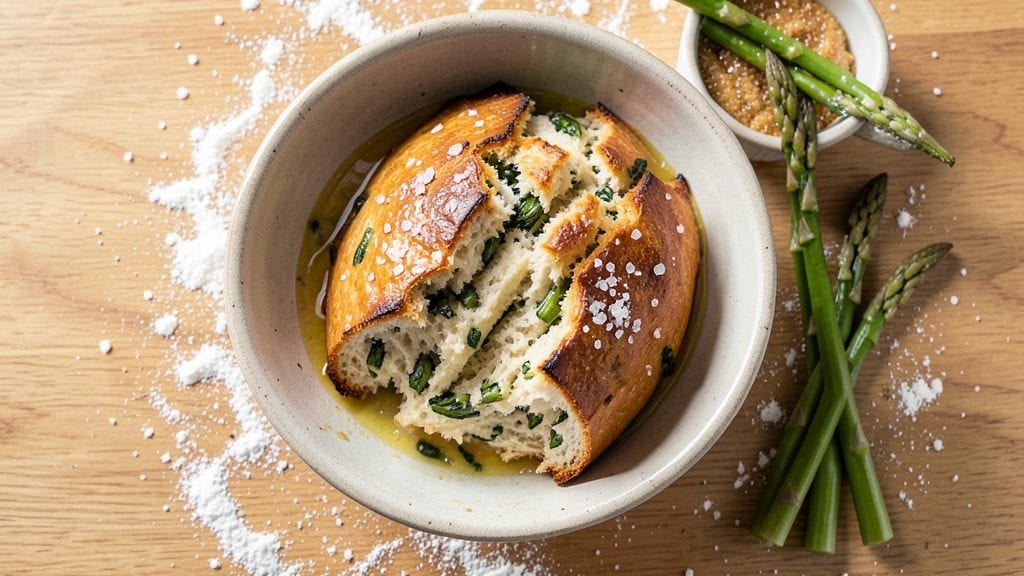
This asparagus bread recipe transforms spring's freshest vegetable into a herb-infused loaf with crispy green spears baked right into the crust. The secret lies in finely chopping asparagus stems and blending them into the dough, creating a tender crumb with unexpected texture.
I developed this recipe after realizing how much flavor gets wasted when discarding asparagus ends—now they become the star of your dinner table.
What makes this bread special is the balance of flavors: bright asparagus, earthy herbs, and a touch of garlic create a loaf that's both savory and subtly sweet. The recipe uses simple pantry staples plus seasonal asparagus, making it perfect for spring or summer gatherings.
Baking time is straightforward—just 45 minutes at 375°F—but the preparation pays off with a bread that's impossible to resist.
The result is a golden-brown loaf with specks of green throughout, offering both visual appeal and surprising crunch in every bite. The asparagus adds a fresh, slightly bitter note that pairs beautifully with rich spreads or complements any main dish.
This isn't just bread—it's a conversation starter that elevates your meal from ordinary to extraordinary.
Serve warm with butter, olive oil, or your favorite cheese spread for dipping. The leftovers keep well for 2-3 days, making this an excellent make-ahead option for busy weeknights or special occasions. Let's get baking!
Ingredients for asparagus bread
Simple pantry staples meet spring's brightest green—this loaf packs unexpected crunch and herbaceous flavor.
| Ingredient | Amount | Notes |
|---|---|---|
| Fresh Asparagus 🌱 | 1 ½ lb | Green or purple variety, trimmed |
| All-Purpose Flour 🌾 | 4 cups | King Arthur preferred for texture |
| Active Dry Yeast 🍞 | 2 ¼ tsp | Fresh yeast works too |
| Granulated Sugar 🍚 | 1 tbsp | For yeast activation |
| Warm Water 💧 | 1 ¼ cups | 110°F for ideal yeast growth |
| Unsalted Butter 🧈 | ½ cup | Cold, cubed for dough |
| Garlic Cloves 🧄 | 4 cloves | Fresh, minced for flavor |
| Fresh Dill 🌿 | ¼ cup | Chopped, stems removed |
| Fresh Chives 🌱 | ¼ cup | Finely chopped |
| Diamond Crystal Kosher Salt 🧂 | 1 ½ tsp | Adjust to taste |
| Extra-Virgin Olive Oil 🫒 | ¼ cup | For dough and brushing |
| Egg 🥚 | 1 whole | Room temperature |
| Milk 🥛 | ¼ cup | Warm for tender crumb |
The asparagus is the secret weapon—look for spears with tight tips and vibrant color at Whole Foods or your local farmers market. Purple varieties add extra visual drama, but green works just as well. Trim the woody ends (about 1 inch) and chop the rest finely—food processor makes this easy. Don't skip the stems! They blend into the dough for subtle earthiness. If you can't find fresh asparagus, frozen works in a pinch, but thaw and pat dry first to avoid soggy dough. For the flour, King Arthur or Caputo all-purpose gives the best texture—avoid bread flour if you want a tender crumb.
No fresh dill? Dried works at one-third the amount, but the flavor won't be as bright. Swap chives for more parsley or thyme if needed—just keep the total herb amount at about 0.5 cup. Out of yeast? Instant yeast is a direct swap, but make sure your water is warm (not hot) to avoid killing it. For a richer loaf, add 2 tbsp sour cream to the dough. The milk can be any kind, but whole milk adds extra richness. If you're baking at high altitude, reduce yeast by 0.5 tsp and add 1 tbsp extra flour. The butter should be cold—cut it into small cubes so it distributes evenly.
This loaf keeps beautifully—wrapped in a clean kitchen towel at room temperature for 2 days, or 3 days refrigerated. For longer storage, freeze slices wrapped in plastic for up to 3 months. Reheat slices in a 350°F oven for 5-7 minutes to restore crispness. The best part? Portion the dough into two loaves if you have small pans—perfect for gifts or feeding a crowd. Leftovers make amazing croutons or breadcrumbs for future recipes. And if you bake extra? Toast and freeze for quick breakfasts all week.
Why You'll Love This Recipe
- No-Knead Magic: I swear by this dough—just mix the flour, yeast, and sugar with warm water, then fold in chopped asparagus spears. No stand mixer, no fuss, and the bread still turns out light and airy. (Yes, even when I forget to proof it long enough.)
- Earthy Sweetness: That first bite? The asparagus adds a subtle, fresh green note that balances the yeasty richness, while the sugar just takes it to another level—like a springtime hug in bread form. Honestly, it’s the kind of flavor that makes you pause mid-slice.
- Picnic-Proof Perfection: This bread holds up beautifully for lunchboxes, potlucks, or even breakfast toast the next day. Between us, I’ve packed it cold for hikes and it still tasted fresh—no soggy ends in sight.
- Budget-Friendly Staple: You’re using pantry basics (flour, yeast) plus whatever asparagus is on sale, so it’s cheaper than buying artisanal loaves. Plus, a single batch feeds four, and leftovers toast up like new—my wallet and my mornings thank me.
Step-by-step instructions for herb-infused asparagus bread
Here's how to create a loaf with vibrant green asparagus spears baked right into the dough.
Prepare the Asparagus and Yeast Mixture
Preheat your oven to 375°F and line a baking sheet with parchment paper. Trim the tough ends from the 1.5 lb fresh asparagus, then cut the spears into 1-inch pieces. You'll end up with about 3 cups of chopped asparagus—set aside 1 cup for later.
In a small bowl, dissolve the 2.25 tsp active dry yeast in the 1.25 cups warm water (around 110°F) along with the 1 tbsp granulated sugar. Let it sit for 5-10 minutes until frothy—this confirms your yeast is active. If it doesn't bubble, start over with fresh yeast.
Mix the Dough with Asparagus and Herbs
In a large bowl, combine the 4 cups all-purpose flour with the 1.5 tsp diamond crystal kosher salt. Make a well in the center and pour in the yeast mixture, 0.25 cup extra-virgin olive oil, and 1 whole egg. Mix with a wooden spoon until a shaggy dough forms.
Add the 1 cup chopped asparagus, 0.25 cup fresh dill, and 0.25 cup fresh chives, then mix again. The dough will be sticky—this is normal. Gradually knead in the 0.5 cup cold unsalted butter (cut into small cubes) by hand or with a stand mixer using the dough hook attachment. Knead for 5-7 minutes until smooth and elastic, adding a splash of 0.25 cup milk if needed to bring it together.
First Rise and Shape the Loaf
Lightly oil a large bowl, place the dough inside, and cover with a damp towel. Let it rise in a warm place for 1-1.5 hours, or until it has nearly doubled in size. The dough should feel springy when poked—press your finger gently into it; if it springs back slowly, it's ready.
Punch down the dough to release air, then shape it into a 9x5-inch loaf pan. Press the remaining 1 cup chopped asparagus into the top of the dough, creating a textured surface. Cover again and let it rise for another 30-45 minutes until it domes slightly above the pan.
Bake to Golden Perfection
Brush the loaf with a little extra-virgin olive oil and sprinkle with minced garlic cloves for extra flavor. Bake in the preheated 375°F oven for 35-40 minutes until the top is deep golden brown and the internal temperature reaches 190°F. Tap the loaf—it should sound hollow when done.
Remove from the oven and let it cool in the pan for 10 minutes, then transfer to a wire rack. The bread will be warm and fragrant, with crispy asparagus spears peeking through the crust. Slice while still slightly warm for the best texture—each bite will deliver a perfect balance of tender crumb and herby green crunch.
Pro Tips For Making Asparagus Bread
- Trim the Asparagus Right: Snap off the woody ends by bending stems—don’t cut them. You’ll lose less flavor and texture when blending into the dough. (I used to chop them, and the bread always tasted slightly bitter.)
- Proof Yeast at 110°F: Use a thermometer to check warm water—yeast wakes up slow if it’s too cool, and too hot kills it instantly. Five minutes of fizzing means it’s ready to go.
- Skip the Sugar Shortcut: Don’t swap granulated sugar for honey or maple syrup—it’ll throw off the yeast activation and make the bread dense. A little sugar is non-negotiable here.
- Knead Until Silky: The dough should pull cleanly away from your hands and bounce back slowly when poked. Over-kneading is easy, but under-kneading means a gummy loaf. (Yes, even if your arms protest.)
Flavor customization for this recipe
Herb-Infused Variations
Swap the fresh dill and chives for 0.5 cup fresh thyme and 0.25 cup rosemary for a Mediterranean twist. The earthy herbs pair beautifully with asparagus, creating a fragrant loaf perfect for summer picnics.
I like to add 1 tbsp lemon zest to the dough for brightness—it cuts through the richness and adds a citrusy pop. 🌿
Spicy Kick Options
For heat lovers, mix 1 tsp smoked paprika and ½ tsp cayenne pepper into the flour before kneading. The smoky depth complements the asparagus while the cayenne adds subtle warmth.
If you prefer milder heat, try 1 tbsp finely chopped jalapeño mixed into the dough—it disappears during baking but leaves a pleasant tang. Always taste the dough before shaping to adjust spice levels.
Sweet Glaze Finish
After baking, brush the warm loaf with a mixture of 2 tbsp honey and 1 tbsp warm water, then sprinkle with 1 tbsp coarse sugar. The caramelized top adds a delicate sweetness that balances the savory asparagus.
For a richer glaze, substitute honey with 2 tbsp maple syrup—it pairs especially well with the herby notes. Let the glaze set for 5 minutes before slicing.
Cheesy Twist
Fold 1 cup shredded Gruyère or Parmesan cheese into the dough during the final kneading stage. The cheese melts slightly during baking, creating pockets of creamy goodness. For extra indulgence, top the loaf with 0.5 cup shredded mozzarella before the final rise—it browns beautifully and adds gooey texture.
I recommend using Whittard of Chelsea aged cheddar for a sharper flavor profile.
Nutty Crunch Addition
Toast ½ cup walnuts or pecans in a dry skillet over medium heat for 3-4 minutes until fragrant, then chop them coarsely. Fold these into the dough during the final kneading or sprinkle them on top before baking.
The nuts add crunch and a buttery richness that contrasts perfectly with the tender asparagus. For a sweeter nut option, try hazelnuts—their mild sweetness enhances the bread's overall balance.
Seasonal Adaptations
In fall, replace asparagus with 1.5 lb roasted butternut squash, cubed and puréed until smooth. The sweetness of the squash transforms the loaf into a cozy seasonal bread. For winter, try sun-dried tomatoes (soaked and chopped) mixed into the dough—they add a tangy depth that works beautifully with herbs.
Spring and summer remain the best seasons for asparagus, but these adaptations keep the recipe versatile year-round. 🌱
Nutrition facts
Frequently asked questions
Can I use frozen asparagus instead of fresh?
Yes, but with one key adjustment: thaw and pat the asparagus completely dry before chopping to prevent a soggy dough. Frozen asparagus works best when you're in a pinch—just avoid ice crystals by using room-temperature water in the yeast mixture. The texture difference is minimal if properly dried.
Why does my dough smell so strongly of asparagus?
The raw asparagus has a more pronounced, slightly bitter aroma that mellows during baking. The herbs and yeast help balance this, but don't worry—it's normal! The final bread will have a bright, fresh asparagus flavor without the overpowering smell. If concerned, reduce the asparagus to 1 cup total (instead of 1.5 lb).
How do I store leftovers to keep them fresh?
Wrap slices tightly in plastic wrap or store in an airtight container with a slice of bread to absorb moisture. Keeps for 2-3 days at room temperature, or up to 3 days refrigerated. For longer storage, freeze slices for up to 3 months—reheat in a 350°F oven for 5-7 minutes to restore crispness.
Can I make this gluten-free?
Yes! Replace the all-purpose flour with a 1:1 gluten-free blend (like Bob's Red Mill) and add 1 extra egg to improve texture. Use xanthan gum if your blend doesn't contain it. Note that the crumb will be denser, but the flavor remains excellent. For best results, let the dough rest 20 minutes after mixing to hydrate properly.
What's the best way to reheat slices?
For crispy texture, wrap slices in foil and warm at 350°F for 5-7 minutes. To revive the crust without drying the crumb, place slices on a baking sheet and broil for 1-2 minutes. Microwaving works in a pinch, but adds moisture—sprinkle with water first and cover for 10 seconds at 50% power.