
Side Dishes
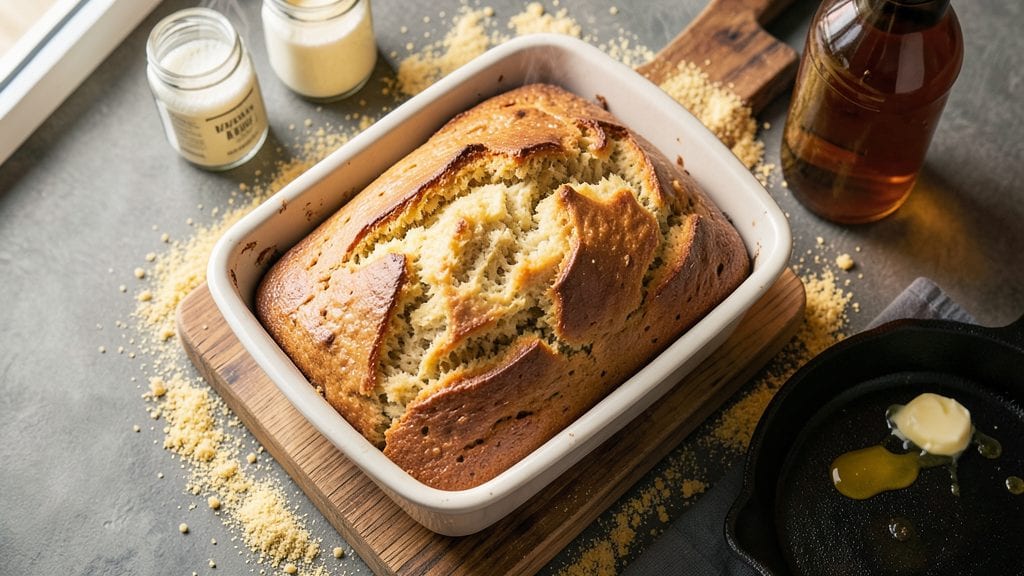
Alton Brown’s beer bread recipe delivers that perfect balance of crispy cornmeal crust and chewy, pull-apart goodness—exactly what makes this side dish legendary. The secret lies in precise measurements and a simple technique that transforms ordinary ingredients into something extraordinary.
I’ve baked this exact recipe countless times, and it never fails to impress, whether served warm with soup or as a standalone treat.
The beauty of this recipe is its simplicity—just six ingredients come together in minutes, yet the results are restaurant-quality. The cornmeal crust creates that signature crispy texture, while the beer-infused dough delivers a tender, airy crumb that pulls apart effortlessly.
No fancy equipment or advanced skills are needed, just a baking sheet and a little patience for the dough to rise.
What you’ll end up with is a loaf of golden-brown beer bread with a crispy exterior and a soft, chewy interior that practically melts in your mouth. The aroma alone will have everyone gathering around the table, and the texture is the perfect combination of satisfying crunch and comforting softness.
This is the kind of bread that disappears faster than you can say "pull-apart."
Serve it warm with butter, honey, or your favorite soup for the ultimate comfort food experience. The best part? This recipe scales easily, so you can make a single loaf for two or double it for a crowd.
Here’s everything you need to recreate Alton Brown’s signature beer bread at home.
Ingredients for alton brown beer bread
Six simple ingredients transform into legendary beer bread with crispy crust and chewy pull-apart magic.
| Ingredient | Amount | Notes |
|---|---|---|
| Cornmeal 🌽 | ½ cup | Fine-ground for best texture |
| All-Purpose Flour 🌾 | 1 cup | White or whole wheat blend |
| Active Dry Yeast 🍞 | 1 package | Or 2.25 tsp instant yeast |
| Warm Water 💧 | ¾ cup | 110°F for yeast activation |
| Light Beer 🍺 | ½ cup | Lager or pale ale preferred |
| Unsalted Butter 🧈 | ¼ cup | Melted, full-fat for richness |
| Granulated Sugar 🍯 | 1 tbsp | Feeds yeast for rise |
| Salt 🧂 | 1 tsp | Diamond Crystal preferred |
| Extra-Virgin Olive Oil 🫒 | 1 tbsp | For greasing baking sheet |
The beer is non-negotiable here—it's what gives this bread its signature moisture and subtle maltiness. Lager or pale ale work best, but avoid anything too dark or bitter like stouts. If you're craft beer curious, Allagash White or Sierra Nevada Pale Ale are my go-tos, but even a basic Bud Light will do in a pinch. The cornmeal is your crispy crust secret weapon; Bob's Red Mill fine-ground is my favorite, but any fine cornmeal will work. Skip the pre-mixed cornmeal flour blends—those often contain baking powder and will throw off the texture. For the yeast, Fresh & Easy brand (if available) gives the most consistent rise, but any active dry yeast in a sealed package will do. Just make sure it's not expired—yeast loses its punch fast.
No beer? Substitute with warm chicken broth plus 1 tbsp sugar—it won't taste identical, but the texture stays perfect. Running low on cornmeal? Semolina or fine polenta work in a bind, though the flavor won't be exactly the same. The butter is where flavor really shines—Plugrá or Land O'Lakes unsalted melt beautifully. If you're dairy-free, Earth Balance vegan butter works but add an extra pinch of salt. The sugar and salt are simple but critical; Domino sugar dissolves faster than raw sugar, and Morton kosher salt is my go-to for even distribution. Pro tip: Measure your dry ingredients by weight if you have a kitchen scale—1 cup flour weighs 120g, not the 125g most recipes assume. That extra precision makes all the difference in texture.
This dough is best fresh, but you can prep it 24 hours ahead—just let it rise overnight in the fridge. The flavor actually improves after resting! For storage, wrap the baked loaf tightly in foil and keep at room temperature for 2 days. Reheat slices in a toaster or oven at 350°F for 5 minutes to restore that crispy crust. Freezing works too: slice the cooled loaf, wrap individual slices in plastic, and freeze for up to 3 months. Toast straight from frozen for the ultimate crispy surprise. And here's my secret weapon for serving: Warm the bread with a sprinkle of flaky salt—trust me, it's a game-changer.
Why You'll Love This Recipe
- No Yeast Fuss: I swear by this recipe because it’s the only beer bread where I don’t have to wait around for yeast to proof. Just toss in the warm water, let it sit for 10 minutes—that’s it—and you’re ready to bake. The yeast activates fast, and the dough comes together smoother than my usual sticky, overmixed attempts.
- Beer’s Magic Touch: That light beer isn’t just a gimmick—it’s what makes this bread ridiculously good. The subtle maltiness cuts through the richness of the cornmeal, while the effervescence keeps it light as air. (Yes, even on a Tuesday night, this tastes like you slaved over it.)
- Weeknight Workhorse: This bread is my secret weapon for lazy dinners. Use it to mop up chili, tear into sandwiches, or serve with butter and jam for breakfast. Honestly, I’ve even used the leftovers as a base for open-faced sliders—because why waste good bread?
- Budget-Friendly Staple: Cornmeal, flour, and a six-pack? This recipe stretches my grocery budget without sacrificing flavor. Plus, the leftovers stay fresh for days (if they last that long—my family’s not known for patience). It’s the kind of bread that makes me feel like I’m feeding everyone well, even when I’m not.
Step-by-step instructions for alton brown's beer bread
Here's the method that delivers that legendary crispy crust and chewy interior—every time.
Activate the Yeast for Perfect Rise
In a small bowl, whisk together the 0.75 cup warm water (it should feel like bathwater, around 110°F), 1 tbsp granulated sugar, and the 1 package active dry yeast. Let it sit for 5-10 minutes until you see frothy bubbles forming on the surface—this tells you the yeast is alive and ready to work. If it doesn't bubble after 10 minutes, your yeast might be dead, and you'll need to start over.
The sugar feeds the yeast, and the warm water creates the perfect environment for activation. I always check the water temperature with a thermometer—too hot and you'll kill the yeast, too cold and it won't activate properly. This step sets the foundation for that airy, pull-apart texture we're after.
Mix the Dough for Ideal Texture
In a large mixing bowl, combine the 1 cup all-purpose flour and 1 tsp salt. Make a well in the center and pour in the yeast mixture along with the 0.5 cup light beer. Using a wooden spoon or your hands, mix until just combined—you should have a shaggy, sticky dough that's still slightly rough. Overmixing develops gluten, which can make the bread tough.
The beer adds moisture and subtle flavor while keeping the bread tender. I like to use a pale ale or lager for this recipe—the maltiness complements the cornmeal beautifully. After mixing, let the dough rest for 10 minutes while you prepare your baking pan. This brief rest helps the flour hydrate and makes the next steps easier.
Shape and Prepare for Baking
Lightly grease a 9x5-inch loaf pan with 1 tbsp extra-virgin olive oil, making sure to coat the bottom and sides thoroughly. Transfer the dough to the prepared pan and spread it evenly, pressing down gently to fill the pan completely. Sprinkle the 0.5 cup cornmeal evenly over the top—this creates that signature crispy crust we're after.
Don't worry if it looks uneven at this stage. The cornmeal will give you that golden, crunchy exterior while the beer-infused interior stays soft and chewy. Cover the pan loosely with plastic wrap and let it rise at room temperature for 30-45 minutes until it's puffed and just about doubles in size. You'll know it's ready when the top springs back slowly when pressed gently with a finger.
Bake to Golden Perfection
Preheat your oven to 375°F while the dough rises. When the oven is fully preheated, bake the bread for 35-40 minutes until the top is deep golden brown and the internal temperature reaches 190°F. The edges should be crispy, and the center should still feel slightly soft when pressed—this ensures that pull-apart texture.
Here's the thing—don't open the oven door during baking. The sudden temperature drop can cause the bread to collapse. If you're unsure whether it's done, use an instant-read thermometer. The moment it hits 190°F, remove it from the oven. Let it cool in the pan for 10 minutes before transferring to a wire rack. This resting period allows the internal structure to set properly.
Serve Warm and Enjoy Immediately
Slice the bread while it's still warm for the best texture—each piece should have that crispy cornmeal crust on the outside and a soft, slightly chewy interior. The beer flavor should be subtle but noticeable, with a pleasant maltiness that pairs perfectly with the cornmeal's earthiness. Serve it with butter, honey, or your favorite soup to soak up every last bit of that delicious pull-apart magic.
This bread is at its best when served fresh from the oven. If you have leftovers, store them wrapped in foil at room temperature for up to 2 days, or freeze for up to 3 months. When reheating, wrap slices in foil and warm in a 350°F oven for 5-10 minutes to restore that perfect texture.
Pro Tips For Making Alton Brown Beer Bread
- Measure Beer by Volume: DESCRIPTION: Don’t eyeball that light beer—use a liquid measuring cup instead. The recipe counts on precise hydration, and even a little extra liquid can turn your bread into a dense, gummy brick. (And no, "a splash" isn’t a measurement.)
- Bloom Yeast in Beer: DESCRIPTION: Mix the yeast with the beer first, then add warm water—this keeps the yeast happy longer. I learned this the hard way when my dough took forever to rise because the yeast was playing dead in plain water. Give it 5 minutes before adding flour.
- Don’t Overmix the Dough: DESCRIPTION: Stir just until the flour is incorporated—overworking it develops gluten, and you’ll end up with a chewy loaf instead of the tender, crumbly texture this recipe promises. Think "rustic," not "sandwich bread."
- Preheat Pan with Cornmeal: DESCRIPTION: Spread that cornmeal on the bottom of your baking dish before preheating the oven. It crisps up faster and gives the bread a golden, textured crust without sticking. (Yes, it’s a little extra work, but trust me—it’s worth it.)
Troubleshooting this recipe
Dough Too Sticky?
If your dough feels impossibly sticky after mixing, resist the urge to add more flour. Instead, wet your hands slightly and work the dough gently in the bowl—this prevents gluten development while keeping everything cohesive.
I've found that 1 tsp extra flour only makes the texture tougher. For extra insurance, let the dough rest 15 minutes uncovered before shaping—this helps the flour absorb moisture naturally. 🧐
Uneven Rise or Flat Top
Your bread might rise unevenly if the yeast didn't activate properly or if the dough wasn't given enough time to rest. Always check yeast activation by looking for bubbles in 5-10 minutes.
If the dough rises too quickly (in under 30 minutes), your kitchen is too warm—try a cooler spot like the basement or turn off overhead lights. For flat tops, press down gently on the dough before baking to create a more even surface.
Crust Too Soft
The cornmeal crust should be crispy, but if yours turns out soft, your oven might not be hot enough. Use an oven thermometer to verify 375°F—many home ovens run 25°F cooler than set.
For extra crispiness, broil for 1-2 minutes at the end of baking, watching closely to avoid burning. I also recommend brushing the crust with melted butter right after baking for that golden finish.
Dense or Tough Texture
Overmixing or using expired yeast are the usual culprits for dense beer bread. Mix just until combined—you should see some dry spots remain. For tough texture, try replacing ¼ cup all-purpose flour with ¼ cup cake flour in future batches.
The lower protein content keeps the crumb tender. Also, ensure your beer is at room temperature before mixing—cold beer can slow yeast activity and lead to poor rise.
Bread Collapsed After Baking
This happens when the dough rises too quickly or when you open the oven door during baking. Let the dough rise in a draft-free area (like a closed oven with the light on) until it's just about doubled.
If you must check on it, use the oven light instead of opening the door. For collapsed bread, try baking at 350°F instead of 375°F—this gives the structure more time to set before the heat intensifies.
Beer Flavor Too Strong
If your bread tastes like beer instead of having subtle maltiness, you used too much or a very hoppy beer. Stick to pale ale or lager (like Coors Light or Miller Lite) for mild flavor.
For a more neutral option, use non-alcoholic beer or substitute with warm chicken broth plus 1 tbsp sugar. The beer's primary role is moisture—its flavor should complement, not dominate, the cornmeal and butter.
Nutrition facts
Frequently asked questions
Why does beer bread need to rise twice?
This recipe uses a quick rise method, but the beer creates a denser dough that benefits from a second rise in the oven. The initial rise develops flavor and structure, while the oven's heat finishes the expansion for that signature pull-apart texture. Skipping either rise can result in a denser, less flavorful loaf.
Can I make this beer bread without a loaf pan?
Shape the dough into a round on a parchment-lined baking sheet and bake for 25-30 minutes at 375°F. For extra crispiness, sprinkle cornmeal on top before baking. The texture will be slightly different but still delicious—more like a focaccia-style beer bread.
What's the best way to reheat stale beer bread?
Wrap slices in foil and warm at 350°F for 5-7 minutes until crispy again. For a quick fix, pop slices in a toaster for 1-2 minutes—the cornmeal crust will revive instantly. Avoid microwaving, as it makes the interior gummy rather than chewy.
How do I adjust this recipe for gluten-free baking?
Replace the all-purpose flour with a 1:1 gluten-free baking flour blend (like Bob's Red Mill) plus ½ tsp xanthan gum. Use the same amount of cornmeal and beer, but expect a slightly denser texture. For extra crispiness, brush the crust with melted butter after baking.
What's the secret to that perfect cornmeal crust?
The crust comes from three things: fine-ground cornmeal (not coarse), pressing it firmly into the dough before baking, and baking at 375°F for the full 35-40 minutes. For extra crunch, broil for 1-2 minutes at the end—just watch closely to avoid burning!