
Soups & Stews
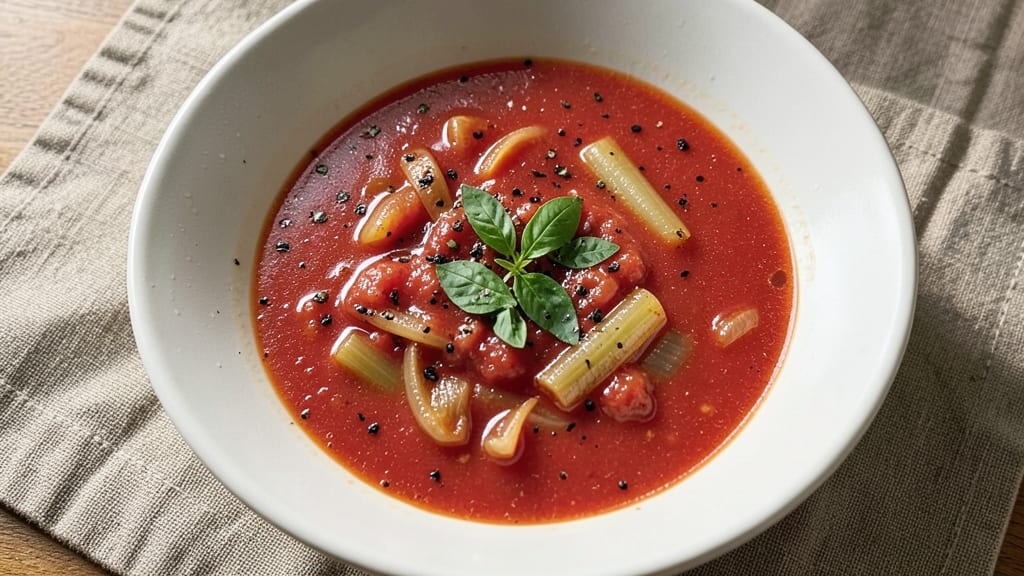
This America's Test Kitchen tomato soup recipe delivers the velvety texture and perfectly balanced acidity that make it a kitchen staple. The secret lies in roasting the tomatoes first—this caramelizes their natural sugars and deepens their flavor, creating a rich, complex base that store-bought canned tomatoes simply can't match.
I've refined this method over countless batches to ensure every spoonful is smooth, vibrant, and just tangy enough to brighten any meal.
The process begins with halved tomatoes roasted until blistered, then blended with aromatics like onion, garlic, and celery to build a fragrant foundation. A touch of tomato paste adds depth, while a splash of vinegar and a pinch of sugar fine-tune the acidity for that signature just-right balance.
Simmering the soup just until flavors meld ensures it stays silky rather than watery, with no need for thickeners that dull the natural taste.
What you'll end up with is a soup so smooth it practically melts in your mouth, with a vibrant red hue and a flavor profile that's both comforting and sophisticated. The roasting step transforms ordinary tomatoes into something extraordinary, while the precise seasoning ensures no single note overpowers the others.
This isn't just tomato soup—it's a restaurant-quality dish that belongs in your weekly rotation.
Serve it as-is for a clean, elegant bowl, or top with grated Parmesan, fresh basil, or a swirl of cream for added richness. The recipe makes enough for leftovers, which actually improve overnight as flavors deepen further.
Here's how to make it the America's Test Kitchen way—once you try this version, you'll never go back to canned again.
Ingredients for america's test kitchen tomato soup
Roasted tomatoes, aromatic veggies, and precise seasoning create this velvety soup with perfect acidity balance.
| Ingredient | Amount | Notes |
|---|---|---|
| Large Roma Tomatoes 🍅 | 4 lb | Heirloom or vine-ripened preferred |
| Yellow Onion 🧅 | 1 whole | Medium size, yellow or white |
| Celery Stalks 🥬 | 3 whole | Fresh, crisp, strings removed |
| Garlic Cloves 🧄 | 4 cloves | Fresh, peeled, slightly smashed |
| Tomato Paste 🍅 | 1 tbsp | High-quality, no sugar added |
| Extra-Virgin Olive Oil 🫒 | ¼ cup | Light fruity variety preferred |
| White Wine Vinegar 🍋 | 1 tbsp | White or apple cider vinegar |
| Granulated Sugar 🍚 | 1 tsp | Adjust to taste for acidity |
| Vegetable Broth 💧 | 4 cups | Low-sodium preferred |
| Sea Salt 🧂 | 1 ½ tsp | Kosher or fine sea salt |
| Freshly Ground Black Pepper 🌶️ | ½ tsp | Freshly cracked for best flavor |
| Heavy Cream 🥛 | ½ cup | Full-fat for creaminess (optional) |
| Fresh Basil Leaves 🌿 | ¼ cup | Chopped, for garnish (optional) |
The tomatoes are the heart of this soup—Roma or heirloom varieties work best because their meaty texture holds up to roasting without turning mushy. Grab 4 pounds total from a farmers market if you can; they'll have more flavor than grocery store tomatoes. If you're stuck with store-bought, vine-ripened labels are your best bet. The onion, celery, and garlic form the aromatic base, so don't skip the freshness check: if your celery is limp or your onion has sprouts, grab new ones. For the tomato paste, Muir Glen or Rao's are my go-tos—they've got the most concentrated flavor without added junk. And that olive oil? Use something you'd drizzle on good bread—the peppery, fruity notes make all the difference.
No vinegar? Substitute lemon juice at the same amount, though white wine vinegar gives that classic tang. Running low on sugar? A pinch of honey works too, but vinegar's acidity is what really balances this soup. Heavy cream optional, but if you skip it, stir in 2 tbsp of cream cheese at the end for a lighter richness. The broth matters—low-sodium is key so you can control the seasoning. If you're using bouillon cubes, Knorr's low-sodium version is the way to go. For a vegetarian version, swap the broth for mushroom broth—it adds an earthy depth that pairs perfectly with tomatoes. And if you're prepping ahead, roast the tomatoes and store them in the fridge for up to 3 days before blending.
This soup tastes even better the next day—flavors meld overnight, so make a big batch. Store in an airtight container for 5 days in the fridge or freeze for up to 3 months. For freezing, portion into 2-cup servings with a splash of broth in each container to prevent a skin from forming. When reheating, add a splash of water or broth to thin it out if it's too thick. The basil? Add it fresh at the end—it wilts fast, so keep it separate until serving. And if you're serving a crowd, double the recipe—it's that good.
Why You'll Love This Recipe
- No-Chop Nightmare: I swear by this recipe when I’m too tired to dice anything—just toss whole Roma tomatoes and onion quarters into the pot. The slow simmer breaks everything down perfectly, so you’re not stuck with big chunks or sad, watery soup.
- Umami Bomb: That tomato paste? It’s the secret weapon. A single spoonful deepens the flavor so much, you’ll taste it in every spoonful—rich, savory, and way more complex than store-bought. Honestly, I’ve made tomato soup before, but this is the first time it didn’t taste like sad canned tomatoes.
- Leftover Goldmine: This soup only gets better the next day. The flavors meld into something deeper, and it reheats like a dream. I freeze half the batch in portions—perfect for lazy mornings or when I need a quick lunch without breaking the bank.
- Crowd-Pleaser Basics: It’s simple enough for picky eaters but impressive enough for dinner guests. Between us, I’ve served this at potlucks, book club nights, and even my mom’s Thanksgiving—no one ever questions why I brought soup. (Yes, even on a Tuesday night.)
Step-by-step instructions for america's Test Kitchen tomato soup
Here's how to create a velvety tomato soup with balanced acidity and rich flavor.
Sauté the Aromatics Until Fragrant
Heat the 0.25 cup extra-virgin olive oil in a large pot over medium heat. Add the 1 whole yellow onion, sliced into ¼-inch pieces, and the 3 whole celery stalks, cut into ¼-inch pieces. Cook for 8-10 minutes, stirring occasionally, until the vegetables soften and begin to turn golden. You'll see the onion turn translucent and the celery lose its crispness—this is your cue to move to the next step.
Add the 4 cloves garlic cloves, slightly smashed, and cook for 30 seconds until fragrant. Be careful not to let the garlic burn—it should smell sweet and nutty, not bitter. This step builds the flavor foundation of your soup, so don't rush it. If the garlic starts to darken too quickly, reduce the heat slightly and stir more gently.
Add Tomatoes and Cook Until Broken Down
Cut the 4 lb large Roma tomatoes in half and add them to the pot, cut-side down. Cook for 15-20 minutes over medium-low heat, stirring occasionally, until the tomatoes begin to break down and release their juices. You'll notice the mixture darken slightly and the tomatoes soften into a thick paste. This slow cooking process deepens the tomato flavor and creates a rich base for your soup.
Stir in the 1 tbsp tomato paste and cook for 2 minutes to deepen the color and enhance the tomato flavor. The paste will blend seamlessly into the mixture, adding a concentrated tomato taste that balances the acidity later. If the mixture sticks to the bottom of the pot, add ¼ cup vegetable broth to prevent burning.
Simmer with Broth and Seasonings
Pour in the 4 cups vegetable broth and bring the mixture to a boil. Once boiling, reduce the heat to low and let it simmer for 20-25 minutes, stirring occasionally. You'll see the mixture thicken slightly as the flavors meld together. This is where the magic happens—the broth infuses the tomatoes with depth, and the vegetables release their sweetness.
Add the 1 tbsp white wine vinegar and 1 tsp granulated sugar to balance the acidity and sweetness. Stir well and taste the mixture. The vinegar brightens the flavor, while the sugar rounds out the acidity. Adjust the balance as needed—if it tastes too sharp, add a pinch more sugar; if it's too flat, add a splash more vinegar. Season with 1.5 tsp sea salt and 0.5 tsp freshly ground black pepper. The soup should taste rich and well-rounded at this stage.
Blend Until Silky Smooth
Use an immersion blender to puree the soup directly in the pot until completely smooth. If you don't have an immersion blender, carefully transfer the soup to a countertop blender in batches, blending until smooth. Return the blended soup to the pot and stir in the 0.5 cup heavy cream over low heat for 2-3 minutes. This step adds a luxurious creaminess to the soup, making it velvety and rich. Stir gently to avoid curdling the cream.
The soup should now have a silky texture with no lumps. Taste and adjust the seasoning if needed—this is your final chance to balance the flavors. If the soup is too thick, add ¼ cup vegetable broth to reach your desired consistency. The goal is a smooth, velvety texture that coats the back of a spoon.
Garnish and Serve Warm
Ladle the soup into bowls and garnish with 0.25 cup chopped fresh basil leaves. The basil adds a fresh, herbal note that brightens the soup and ties all the flavors together. Serve immediately while warm, as the flavors continue to develop even after blending. This soup is best enjoyed fresh, with crusty bread or a sprinkle of grated Parmesan for extra richness.
Each spoonful should deliver a harmonious blend of sweet tomatoes, aromatic vegetables, and a touch of creaminess. The acidity from the vinegar and sugar balances the richness, creating a soup that's both comforting and perfectly balanced. Enjoy your velvety tomato soup—it's worth every step!
Pro Tips For Making America'S Test Kitchen Tomato Soup
- CHAR THE ONIONS LOW: The recipe calls for sweating onions until soft, but I learned the hard way—don’t rush this. Cook them on medium-low heat for 8–10 minutes until they’re translucent and just starting to caramelize. If you crank the heat, they’ll brown too fast and turn bitter. (Yes, even if you’re impatient like me.)
- ROAST TOMATOES FIRST: Skip the raw chopping—roast the Roma tomatoes at 425°F for 20–25 minutes until skins blister and collapse. This deepens their flavor and makes blending a breeze. Just peel, seed, and chop afterward. My grandmother swore by this, and she was right: the soup tastes richer without extra effort.
- STIR IN PASTE LAST: The recipe adds tomato paste early, but I now hold off until the very end. Mix it into the soup just before simmering to prevent burning. If you add it too soon, it can scorch and turn bitter—trust me, I’ve tasted the difference. A quick whisk at the end guarantees smooth, balanced flavor.
- BLITZ THE SOUP COLD: Don’t blend hot tomato soup—it’ll clog your blender and make a mess. Let the soup cool slightly (about 10 minutes) before blending. This isn’t the prettiest method, but it’s the tastiest. (Your future self will thank you.)
Pro cooking tips for perfect results
Roast Tomatoes Properly
Roasting tomatoes is where the magic happens—cut them in half and place them cut-side down on a baking sheet. Roast at 400°F for 25-30 minutes until blistered and caramelized. I use a Vosges brand roasting pan because it distributes heat evenly.
The high heat breaks down the tomatoes' cell walls, releasing their natural sugars and intensifying their flavor. 🔥
Control the Blend Texture
For that signature silky texture, use an immersion blender—I recommend the Ninja MagiMix—to puree the soup directly in the pot. If you're using a countertop blender, work in batches and avoid overfilling to prevent splattering.
Pulse until completely smooth, then return to the pot. The goal is a velvety consistency that coats the back of a spoon without being gluey.
Balance Acidity Precisely
The vinegar-to-sugar ratio is critical—I use 1 tbsp white wine vinegar to 1 tsp sugar for every 4 cups of soup. Taste as you go: if it's too sharp, add a pinch more sugar; if it's flat, add a splash more vinegar.
The acidity should brighten the tomatoes without overpowering them. I find that Apple cider vinegar adds a subtle sweetness that complements the tomatoes beautifully.
Simmer Gently to Preserve Flavor
Simmer the soup over low heat for 20-25 minutes—never let it boil vigorously after adding the broth. High heat can cook off the delicate aromatics and make the soup taste flat.
Stir occasionally to prevent skin formation, and keep the lid slightly ajar if your pot isn’t deep. This gentle simmer allows the flavors to meld without losing their vibrancy. ⏰
Avoid Cream Curdling
When adding the heavy cream, keep the heat at low and stir constantly for 2-3 minutes. The cream should warm gently, not heat up quickly. If you see any signs of curdling, immediately remove the pot from heat and whisk vigorously.
For extra insurance, temper the cream by whisking it into a small amount of warm soup before adding it to the pot. This step ensures a luxurious, creamy finish without breaking.
Garnish at the Last Minute
Fresh basil and grated Parmesan should always be added just before serving. Basil wilts quickly in hot soup, and Parmesan loses its sharpness when heated. I like to tear the basil leaves by hand for a more rustic presentation.
For an extra touch, drizzle with a high-quality extra-virgin olive oil right before serving—it adds a final layer of richness that ties everything together. 🌿
Nutrition facts
Frequently asked questions
Why does roasting tomatoes make such a difference?
Roasting transforms tomatoes by caramelizing their natural sugars and intensifying their flavor through concentrated juices. This creates a deeper, richer base than raw or canned tomatoes could ever achieve. The process also breaks down cell walls, releasing more complex flavors that blend beautifully with the aromatic vegetables.
Can I make this soup without heavy cream?
For a lighter version, substitute with 2 tablespoons cream cheese or ½ cup coconut milk for dairy-free. The soup will still be creamy, though slightly less rich. If you prefer no dairy at all, skip the cream entirely—the roasted tomatoes and broth provide enough body on their own.
How do I fix soup that's too acidic?
Add a pinch more sugar or a small pat of butter to round out the sharpness. If it's still too sharp, stir in a splash of vegetable broth or a dollop of cream to dilute the acidity. The key is to balance it gradually—taste as you go! For future batches, start with slightly less vinegar if you prefer milder acidity.
What's the best way to reheat leftovers?
Gently reheat on the stovetop over low heat with a splash of water or broth to prevent scorching. Avoid microwaving—it can make the soup watery. If the texture thickens too much, stir in a little extra liquid while reheating. Leftovers actually improve overnight as flavors meld further.
Can I use canned tomatoes instead of fresh?
While fresh roasted tomatoes create the best flavor, you can use high-quality canned tomatoes in a pinch. Opt for San Marzano or whole peeled tomatoes (drained), and simmer them for 10 minutes before blending to concentrate their flavor. Add an extra ½ teaspoon sugar to balance any canned tomato acidity. The texture won't be identical, but it'll still be delicious.