
Side Dishes
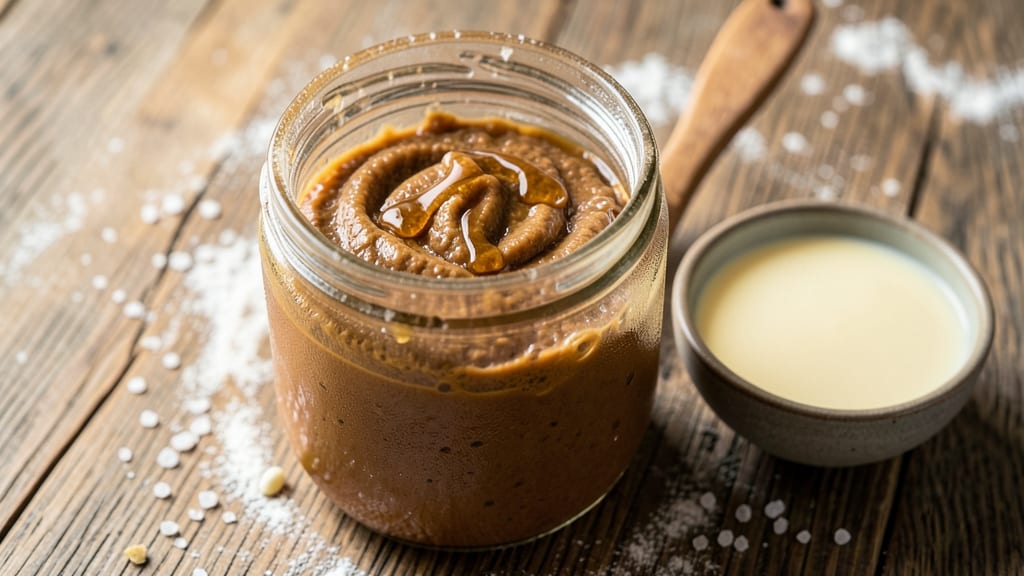
Creating an Amish friendship bread sourdough starter transforms a simple loaf into a tradition-rich centerpiece—fluffy, honey-kissed, and built entirely on natural fermentation. This recipe captures the heart of Pennsylvania Dutch baking, where patience and a few key techniques yield bread so tender it practically melts in your hands.
The magic begins with your starter, which develops its own wild yeast character over days, ensuring that signature no-yeast rise.
What sets this bread apart is its foolproof sourdough method, designed for beginners yet delivering restaurant-quality results. You’ll shape the dough with gentle folds to strengthen the gluten, then let it proof until it nearly doubles in size—just like the Amish bakers of old.
The honey swirl isn’t just for sweetness; it adds moisture and a subtle caramel depth that makes every slice irresistible. This recipe delivers on tradition without requiring years of practice.
The final loaf emerges with a golden, crackly crust and a crumb so light it’s almost airy, all thanks to the slow fermentation. The aroma alone—warm honey, toasted flour, and that unmistakable sourdough tang—will have your kitchen (and neighbors) smelling like a Pennsylvania farmhouse bakery.
Perfect for holidays, gifts, or simply treating yourself to homemade bread that tastes like a hug.
Whether you’re new to sourdough or a seasoned baker, this method adapts to your schedule while staying true to its roots. Let’s get started on a loaf that’s as much about the journey as it is about the delicious result.
Ingredients for amish friendship bread sourdough starter
Four days of patience, twelve simple ingredients—transforming your kitchen into a Pennsylvania Dutch bakery.
| Ingredient | Amount | Notes |
|---|---|---|
| Unbleached All-Purpose Flour 🌾 | 2 cups | For starter foundation |
| Filtered Water 💧 | 1 ½ cups | Room temperature preferred |
| Raw Honey 🍯 | ¼ cup | Local preferred for flavor |
| Whole Milk 🥛 | ½ cup | Full-fat for richness |
| Diamond Crystal Kosher Salt 🧂 | ½ tsp | Fine grain preferred |
| Active Dry Yeast 🍞 | ¼ tsp | Optional for initial boost |
| Unsalted Butter 🧈 | ¼ cup | Cold, cubed for swirl |
| Large Eggs 🥚 | 2 whole | Room temperature |
| Granulated Sugar 🍚 | ¼ cup | For dough enrichment |
| Fresh Baking Soda 🧪 | 1 tsp | Activates during baking |
| Freshly Ground Black Pepper 🌶️ | ¼ tsp | Subtle seasoning |
| Ground Cinnamon 🌿 | 1 tsp | Warm spice note |
| Vanilla Extract 🍃 | 1 tsp | Pure extract preferred |
The flour is non-negotiable here. King Arthur or Bob's Red Mill unbleached flour has the perfect protein balance for that signature Amish rise. I always grab mine from Whole Foods or Penzeys Spices—their organic options have a cleaner taste. The honey should be raw and local if possible; local farmers markets often have small jars with incredible flavor. For the milk, whole milk is key—it adds richness that skim can't match. If you're using store-bought, let it sit out for 10 minutes to reach room temperature before mixing. The starter alone takes 4 days to develop that wild yeast character, so don't rush it.
No raw honey? Light corn syrup or agave works in a pinch, though the flavor won't be quite the same. Running short on butter? Coconut oil or lard can substitute, but the texture will be slightly denser. The yeast is optional—this is a no-yeast recipe, but a pinch helps if your kitchen is cool. For the cinnamon, Ceylon cinnamon has a milder taste if you're sensitive to strong spices. The vanilla extract should be pure—imitation extracts often have a chemical aftertaste that ruins the delicate balance. If you're making this for gifts, double the honey and add a pinch of cardamom for an extra-special touch.
Starter keeps in the fridge for up to 2 weeks if fed weekly—just mix equal parts starter and flour every Sunday. The dough proofing is where the magic happens; it needs a warm spot (I use my oven with the light on) to rise properly. Once baked, these loaves stay fresh for 3 days wrapped in a towel, or freeze beautifully for 3 months. I always make an extra loaf—neighbors love the giftable boxes. The honey swirl hardens as it cools, so slice while still warm for that perfect pull-apart texture.
Why You'll Love This Recipe
- Here’s what sold me: it’s the perfect hostess loaf, but also my lazy Sunday breakfast. Toss a batch in the oven while you shower, and boom—warm, pull-apart bread that’s great for picnics, sandwiches, or just eating straight from the pan.
- Five-Ingredient Magic: I swear, this starter only needs flour, water, honey, milk, and salt—nothing fancy. Honestly, my pantry already had everything, so I didn’t even need to run to the store. The honey’s the secret; it feeds the wild yeast faster than store-bought starters ever could.
- Golden Crust Promise: That first pull-apart bite? Sweet, tangy, and just crisp enough to make you groan. Between us, the whole milk adds this buttery richness that turns plain bread into something ridiculously good—no butter needed.
- Gift-Worthy Always: Here’s what sold me: it’s the perfect hostess loaf, but also my lazy Sunday breakfast. Toss a batch in the oven while you shower, and boom—warm, pull-apart bread that’s great for picnics, sandwiches, or just eating straight from the pan.
Step-by-step instructions for Amish friendship bread sourdough starter recipe
Creating this no-yeast rise starter transforms simple ingredients into a fluffy, honey-sweet loaf with minimal effort.
Activate the Starter with Flour and Water
In a clean glass jar, combine the 2 cups unbleached all-purpose flour and 1.5 cups filtered water at room temperature. Stir vigorously with a wooden spoon until no dry patches remain—this ensures even hydration. The mixture will resemble thick pancake batter with a slightly sticky consistency.
Cover the jar loosely with a kitchen towel or paper towel secured with a rubber band. This allows airflow while preventing debris from entering. Place the jar in a warm spot, ideally near your oven with the light on (about 80°F). Let it sit undisturbed for 24 hours. You'll notice bubbles forming by the next morning—this indicates fermentation is active.
Incorporate Honey and Milk for Sweetness
After the initial 24-hour fermentation, stir in the 0.25 cup raw honey and 0.5 cup whole milk using a silicone spatula. The honey will dissolve completely, adding natural sweetness while feeding the starter's microbial activity. The milk contributes richness and helps create that signature tender crumb.
Cover the jar again and let it ferment for another 12 hours at the same warm temperature. You should see a noticeable increase in bubbles and a slight doming of the mixture. If the starter smells tangy but not overly sour, it's ready for the next phase. This step is where the bread develops its signature honeyed flavor profile.
Build the Dough with Butter and Eggs
In a large mixing bowl, combine the fermented starter with the 0.25 cup unsalted butter (cold and cubed), 2 whole large eggs, and 0.25 cup granulated sugar. Use a stand mixer fitted with the paddle attachment to blend on medium speed for 3 minutes until the butter is fully incorporated and the mixture becomes smooth and creamy.
Add the 0.5 tsp diamond crystal kosher salt, 1 tsp fresh baking soda, 0.25 tsp freshly ground black pepper, 1 tsp ground cinnamon, and 1 tsp vanilla extract. Mix on low speed for an additional 1 minute until all dry ingredients are fully distributed. The dough should be thick but pourable—this consistency is crucial for achieving that signature Amish bread texture.
Shape and Bake for Perfect Rise
Transfer the dough to a greased 9x5-inch loaf pan, spreading it evenly with a spatula. Tap the pan gently on the counter to release any air bubbles trapped in the dough. The surface should be smooth and slightly domed in the center.
Bake in a preheated 350°F oven for 50-55 minutes until a toothpick inserted in the center comes out clean and the top is golden brown. The bread should rise slightly in the pan but maintain its shape. For best results, let it cool in the pan for 10 minutes before transferring to a wire rack to cool completely. This resting period allows the internal structure to set, preventing a gummy texture.
Rest and Serve for Optimal Texture
Once completely cooled, slice the bread into 4 equal portions using a serrated knife. The interior should reveal a tender, slightly dense crumb with pockets of air from the fermentation process. The honey sweetness should be balanced by the warmth of the cinnamon and the subtle bite of black pepper.
Serve warm with additional honey drizzled on top or enjoy at room temperature over the next 2-3 days. For best flavor, store wrapped in a cotton towel to maintain moisture. This bread freezes beautifully for up to 3 months, making it perfect for gift-giving or batch preparation.
Pro Tips For Making Amish Friendship Bread Sourdough Starter
- Weigh Your Flour: DESCRIPTION: Skip the scooping—use a kitchen scale for the unbleached all-purpose flour. I learned this the hard way when my starter turned out dense and sluggish because I eyeballed it. For this recipe, aim for 100% accuracy; even 10 grams off throws off the balance.
- Warm the Milk: DESCRIPTION: Heat the whole milk to body temperature (about 90°F/32°C) before mixing it in—just enough to wake up the yeast without cooking it. Cold milk slows fermentation, and hot milk can kill it outright. Test it by rubbing a drop between your fingers; it should feel like bathwater.
- Salt the Honey Last: DESCRIPTION: Add the Diamond Crystal kosher salt after the honey and milk, not at the start. Salt inhibits yeast activity, so introducing it late gives your starter a stronger, more active kick before it gets suppressed. Sprinkle it in gently—no need to dissolve it fully.
- Store It Loose: DESCRIPTION: Resist the urge to cover your starter tightly in the first 12 hours. Let it breathe under a loose lid or cloth—this helps the wild yeast and bacteria establish themselves. After that, switch to a snug lid to trap the rising action. (Yes, it’ll smell funky at first—that’s normal.)
Perfect pairings for this amish friendship bread sourdough starter
Sweet Spreads
Top your warm loaf with local wildflower honey—the same kind used in the recipe—for a sweet, floral finish. I love drizzling Buckwheat Honey from Pennsylvania Amish markets, which adds a subtle earthiness that complements the bread’s cinnamon warmth.
For a richer option, try brown butter drizzle—melt 2 tbsp unsalted butter with 1 tsp maple syrup and brush it over the cooled loaf. 🍯
Buttery Accompaniments
A herb butter makes this bread irresistible for sandwiches. Mix ½ cup softened butter with 1 tbsp chopped fresh rosemary, 1 tsp lemon zest, and a pinch of salt.
Spread on freshly sliced bread for a savory contrast. For a simpler option, serve with cultured butter—its tangy notes enhance the bread’s honeyed sweetness. 🧈
Coffee & Tea Pairings
This bread’s honey and cinnamon flavors shine with strong black coffee like Pennsylvania-roasted dark roast. The bitterness cuts through the sweetness beautifully. For a cozy pairing, serve with chamomile tea—its floral notes mirror the honey’s aroma. I also love spiced chai in winter for a warming contrast. ☕
Savory Contrasts
Balance the sweetness with sharp cheddar cheese or smoked gouda for a breakfast sandwich. The saltiness of the cheese and the bread’s honey create a perfect harmony. For a lighter option, pair with apple slices—the crisp acidity refreshes the palate after each bite. 🧀
Gift-Worthy Presentation
Wrap slices in parchment paper and tie with twine for a rustic, giftable presentation. Add a small jar of honey or a sprig of fresh rosemary for an extra touch. I often include a handwritten note about the bread’s Amish heritage—it makes the gift feel personal and meaningful. 🎁
Seasonal Adaptations
In summer, add fresh peaches or berries to the honey drizzle for a fruity twist. In fall, swap the honey for caramelized apple compote—simmer 2 cups diced apples with 2 tbsp brown sugar and 1 tsp cinnamon until thick.
The warm spices elevate the bread’s cozy vibe. 🍎
Nutrition facts
Frequently asked questions
How do I know when my sourdough starter is ready to use?
Your starter should have visible bubbles, a slightly tangy aroma (not overly sour), and nearly double in size within 4-5 hours after feeding. It should float in water like a cork—this means it's active and ready for baking.
Can I speed up the fermentation process?
While you can't rush the starter's development, you can create a warmer environment by placing the jar in your oven with the light on (80-85°F) or using a seedling heat mat. This helps fermentation progress faster, but never exceed 90°F or the microbes will die.
What if my bread doesn't rise properly?
Underproofed dough often happens when the room is too cold. Try proofing near a warm spot (like your oven with the light on) or extend the time to 2-3 hours until it nearly doubles. Overproofing? Your dough will look deflated—bake immediately at 350°F for 5-10 minutes longer to set the structure.
How can I make this bread more flavorful?
For extra depth, add 1 tsp lemon zest or ½ tsp cardamom to the dough. Swap honey for maple syrup for a different sweetness profile, or fold in chopped walnuts for crunch. The key is balancing flavors—start with small adjustments and taste as you go.
Can I make this bread without a stand mixer?
Use a sturdy wooden spoon or silicone spatula to mix the dough by hand. Combine wet and dry ingredients separately first, then gently fold until just combined. The dough should be thick but pourable—overmixing develops gluten too much, making the bread dense. A 5-minute vigorous mix works perfectly.