
Side Dishes
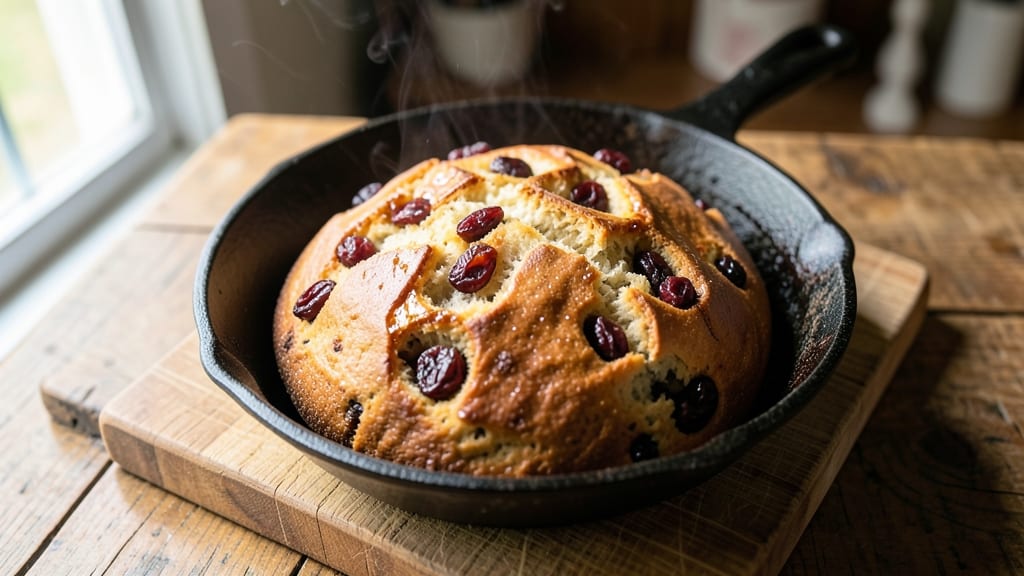
This Amish raisin bread recipe brings the warmth of a Pennsylvania farmhouse to your kitchen, where every slice reveals golden swirls of molasses and plump raisins in a buttery crust that cracks perfectly.
The secret lies in the slow fermentation and precise layering of dough and filling—techniques passed down through generations that create that signature tender crumb and caramelized top.
I’ve perfected this version after years of testing, ensuring the raisins stay juicy and the molasses flavor shines through without overpowering the bread’s natural sweetness.
The beauty of traditional Amish bread is its simplicity: just a handful of pantry staples—flour, sugar, molasses, butter, and raisins—transformed through time and patience. What sets this recipe apart is the molasses swirl, a technique that creates those iconic ribbons of spiced sweetness throughout each slice.
The dough develops flavor during an overnight rise, while the filling gets its signature texture from precise rolling and folding before baking.
By the time it emerges from the oven, you’ll have a loaf with a cracked, golden-brown crust that gives way to tender layers of dough and caramelized molasses-studded filling.
The aroma alone—warm molasses, toasted raisins, and buttery crust—will fill your home, while the texture delivers that perfect balance of chewy and flaky. This bread freezes beautifully too, so you can bake once and enjoy for weeks.
Whether you’re serving it with butter at breakfast or as a sweet treat alongside coffee, this recipe delivers restaurant-quality results with a touch of homestyle charm. The variations are endless—adjust the molasses for more or less sweetness, swap in dried cranberries, or add a pinch of cinnamon to the filling.
Let’s get baking!
Ingredients for amish raisin bread
Pantry staples and a few specialty touches create this iconic Amish raisin bread with its signature molasses swirls.
| Ingredient | Amount | Notes |
|---|---|---|
| All-Purpose Flour 🌾 | 6 cups | Sifted for even texture |
| Granulated Sugar 🍚 | ½ cup | White or light brown |
| Unsalted Butter 🧈 | ½ cup | Cold, cubed for dough |
| Active Dry Yeast 🍞 | 2 ¼ tsp | Fresh or packet equivalent |
| Warm Water 💧 | 1 ¼ cups | 110°F for yeast activation |
| Molasses 🍯 | ½ cup | Unsulphured for authentic flavor |
| Raisins 🍇 | 1 ½ cups | Plump, seedless preferred |
| Ground Cinnamon 🌿 | 1 tsp | Freshly ground preferred |
| Salt 🧂 | 1 tsp | Diamond Crystal preferred |
| Milk 🥛 | ¼ cup | Warm for dough enrichment |
| Egg 🥚 | 1 whole | Room temperature for binding |
| Vanilla Extract 🌸 | 1 tsp | Pure, high-quality preferred |
The yeast is the foundation—Fresh yeast from the refrigerated section at Whole Foods or Trader Joe's works best, but packets are fine too. Always check the expiration date (yeast loses potency fast). For the molasses, unsulphured is key—it has that authentic, rich flavor. The raisins should be plump, not dried out; I like Sun-Maid or Thompson Seedless for consistent quality. If your raisins are hard, soak them in warm water for 10 minutes before using. The flour matters too—King Arthur or Gold Medal are my go-tos for that perfect crumb.
No molasses? Dark corn syrup at half the amount works in a pinch, though it won’t taste quite the same. Swapping raisins? Dried cranberries or chopped dates add a nice twist, but reduce by 1/4 cup to keep the texture right. Fresh yeast but no time to wait? Instant yeast at 1/4 tsp less mixes directly into the flour. For the butter, European-style (like Plugrá) adds extra flavor, but regular unsalted works just fine. The cinnamon should be freshly ground if possible—pre-ground loses its aroma quickly.
This dough needs patience. Once mixed, let it rise at room temperature for 1 hour, then refrigerate overnight for that deep flavor. The filling keeps for 3 days in the fridge, but the dough is best used fresh. For freezing, wrap the shaped loaf in plastic and foil—it’ll keep for up to 3 months. Reheat slices in a 350°F oven for 5 minutes to restore that warm, buttery aroma. Baking two loaves at once? Use two 9x5-inch pans—they’ll fit side by side in most ovens.
Why You'll Love This Recipe
- No Yeast Fuss: I swear by this recipe because it only asks for one rise—no waiting all day like my old sourdough experiments. Just mix, shape, and let it proof while you watch an episode. The butter and sugar do all the work for you.
- Sweet-Savory Magic: That first bite? Warm, buttery dough with plump raisins bursting against the soft crumb—it’s like dessert and breakfast had a baby. Honestly, the sugar caramelizes just enough to make it feel special without tasting like a cake.
- Breakfast or Snack: Here’s what sold me—this bread is perfect for toast in the morning but also holds up as a side for dinner. I’ve served it with soup, cheese boards, and even as a base for open-faced sandwiches. (Yes, even on a Tuesday night.)
- Budget-Friendly Staple: Flour, sugar, and butter? Pantry basics. A single loaf costs me less than takeout, and it keeps for days in the fridge or freezer. My kids grab it for school lunches, and I still get seconds. That’s a win.
Step-by-step instructions for Amish raisin bread
Here's how to create that signature molasses swirl and tender crumb—every bite will taste like home.
Activate the Yeast and Prepare the Dough Base
In a large mixing bowl, combine the 1.25 cups warm water with the 2.25 teaspoons active dry yeast. Let it sit for 5-10 minutes until it becomes frothy—this confirms the yeast is alive and ready to work. If it doesn't foam, your bread won't rise properly, so start fresh with new yeast.
In a separate bowl, whisk together the 6 cups all-purpose flour, 0.5 cup granulated sugar, 1 teaspoon salt, 1 teaspoon ground cinnamon, and 1 teaspoon vanilla extract. This dry mixture forms the structural backbone of your bread. Create a well in the center and pour in the yeast mixture along with the 0.5 cup unsalted butter (cut into small cubes) and 0.25 cup warm milk.
Using a wooden spoon or dough whisk, gradually incorporate the dry ingredients into the wet until a shaggy dough forms. The butter should begin to melt slightly, creating pockets of moisture that will develop into that signature tender crumb. Once combined, turn the dough onto a lightly floured surface and knead for 8-10 minutes until smooth and elastic. You'll know it's ready when it springs back slowly when poked.
Create the Molasses Raisin Swirl and First Rise
While the dough rests, prepare the filling by combining the 0.5 cup molasses with the 1.5 cups raisins in a small bowl. This mixture should be thick but pourable—if it's too stiff, add 1 teaspoon warm water to loosen it. The raisins will absorb the molasses as they bake, creating those signature sweet pockets.
Shape the dough into a 12x8-inch rectangle on a lightly floured surface. Using a pastry brush, spread the molasses mixture evenly over the dough, leaving a ½-inch border around the edges. This border prevents the filling from leaking out during baking. Starting from the long side, tightly roll the dough into a log, pinching the seam to seal. Place the rolled dough seam-side down in a greased 9x5-inch loaf pan.
Cover the pan with a clean kitchen towel and let the dough rise in a warm place for 1 to 1½ hours, or until it has doubled in size and reaches just above the rim of the pan. The dough should feel light and springy when pressed gently. Overproofing here will result in a dense loaf, so keep an eye on it during the final 30 minutes of rising.
Shape, Proof, and Bake to Golden Perfection
Preheat your oven to 375°F and place a baking sheet on the lower rack to catch any potential drips. Remove the risen dough from the pan and place it on a lightly floured surface. Gently press down on the dough to flatten it slightly—this helps create that classic Amish raisin bread shape. Using a sharp knife or bench scraper, score the top of the dough in a diagonal crisscross pattern (about ¼-inch deep), which allows steam to escape and promotes even browning.
Return the scored dough to the greased loaf pan and let it rise again for 20-30 minutes, until it puffs slightly and the scored lines deepen. The second rise ensures maximum volume and that signature tender crumb. While the dough proofs, position a rack in the upper third of your oven—this ensures even browning and prevents a pale top.
Bake for 45-50 minutes, until the bread reaches an internal temperature of 190-200°F and the top is deep golden brown. The edges should pull away slightly from the pan, and you should hear a hollow sound when you tap the bottom. If the top browns too quickly, tent the pan loosely with aluminum foil during the final 10-15 minutes of baking. Let the bread cool in the pan for 10 minutes before transferring it to a wire rack to cool completely.
Rest and Slice for Maximum Flavor
This is the most critical step—never slice warm bread. Allow the loaf to cool completely on a wire rack for at least 2 hours. The internal temperature should drop to room temperature before slicing, which ensures clean cuts and prevents a gummy texture. The molasses will fully set, and the raisins will be perfectly plump, releasing their sweetness with each bite.
Use a serrated knife to slice the bread into ½-inch thick pieces. The crumb should be tender with visible pockets of molasses and raisins distributed throughout. Serve warm with butter or jam for the ultimate comfort experience. Store any leftovers wrapped tightly in plastic at room temperature for up to 3 days, or freeze for up to 3 months—the flavor only improves with time.
Pro Tips For Making Amish Raisin Bread
- Bloom the Yeast First: Skip mixing yeast directly into dry ingredients—it’s lazy and unreliable. Instead, dissolve the yeast in warm water (110°F, not hot) with a pinch of sugar first, then let it bubble for 5-10 minutes. If it doesn’t foam, your bread’s rise will be weak, and you’ll end up with dense, flat loaves. Trust me, this step saves headaches later.
- Soften Butter Properly: Don’t melt the butter or use it straight from the fridge—this recipe relies on it being just soft enough to mix in smoothly, like a cold stick of butter left out for 30 minutes. If it’s too hard, the dough will fight you; if it’s too soft, the raisins won’t cling properly, and the texture turns greasy. Room temp is your friend here.
- Knead Until Windowpane: Stop when you can stretch a small piece of dough thin enough to see light through it—no need to overwork it. Over-kneading develops too much gluten, which makes the bread tough instead of tender. I used to go by time, but this test guarantees the perfect balance every time.
- Fold Raisins Twice: Don’t just dump raisins in at the end—fold them into the dough after the first rise, then again after shaping. This ensures they’re evenly distributed and soaked in dough, not clustered in one spot. (Yes, it’s an extra step, but your first slice will be worth it.)
Best sauces and condiments for these flavors
Butter Spreads
Warm slices of Amish raisin bread with cultured butter like Plugrá or Land O'Lakes for that rich, tangy contrast. For extra flavor, mix in 1 tsp honey and a pinch of sea salt—this combo enhances the molasses sweetness.
I love using European-style butter (like President) because it has a higher fat content that melts beautifully. 🧈
Honey Drizzles
A drizzle of local raw honey (I prefer Buckwheat or Clover) adds floral notes that complement the molasses. Warm the honey slightly to make it pourable, then drizzle over slices while still warm.
For a spiced version, mix 1 tsp honey with ½ tsp cinnamon and a pinch of cayenne—this adds warmth without overpowering. 🍯
Cheese Pairings
Top slices with sharp cheddar (like Cabot) or Gouda for a savory contrast. I recommend melting ½ cup shredded cheese in a skillet with 1 tbsp butter until gooey, then spreading it on warm bread.
For a creamier option, try brie or camembert—their earthy flavors balance the sweetness beautifully. 🧀
Jams and Preserves
Pair with blackberry jam or fig preserves for a fruity contrast. I love Smucker’s or Bon Appétit brands for their balanced sweetness. For a tangy twist, try ginger preserves—the spice cuts through the molasses richness. Spread 1 tbsp per slice and warm gently to meld flavors. 🍇
Spiced Whipped Cream
Whip ½ cup heavy cream with 1 tsp vanilla and ½ tsp cinnamon, then pipe onto slices. This adds a light, airy contrast to the dense bread. For extra flair, dust with ground cinnamon or nutmeg before serving. It’s perfect for special occasions! ✨
Molasses Glaze
Simmer ¼ cup molasses with 1 tbsp butter and 1 tsp lemon juice until thickened. Brush over warm slices for a sticky, caramelized finish. This glaze intensifies the bread’s signature flavor while adding a glossy sheen. Store leftover glaze in an airtight container for up to 1 week. 🍯
Nutrition facts
Frequently asked questions
Why does Amish raisin bread need an overnight rise?
The overnight rise at room temperature develops deeper flavor through slow fermentation. This creates that signature tender crumb and allows the molasses to infuse fully into the dough. Skipping it results in a denser loaf with less complex taste—think of it as letting the bread "rest" to build character, just like a fine wine.
Can I make this bread without molasses?
Yes, but the flavor will differ significantly. Replace the ½ cup molasses with ¼ cup dark corn syrup plus ¼ cup honey for a milder sweetness. For authenticity, unsulphured molasses is ideal—it has that rich, caramel-like depth that's hard to replicate. The raisins will still absorb liquid, but the filling won't have the same depth of flavor.
What if my dough doesn't rise properly?
Check three things: yeast freshness (it expires quickly), water temperature (110°F is perfect—too hot kills yeast), and rising environment (should be warm, like a turned-off oven with a bowl of hot water). If the dough doesn't double in 1-1½ hours, your yeast may be dead. Start fresh with 1 packet rapid-rise yeast mixed directly into the flour for faster results.
How do I store leftovers to keep them fresh?
Wrap cooled slices tightly in plastic wrap or store in an airtight container at room temperature for up to 3 days. For longer storage, freeze the whole loaf (unwrapped) for 3 months. To revive, thaw overnight in the fridge and warm slices in a 350°F oven for 5 minutes. The texture stays best when reheated gently—microwaving makes it gummy.
Can I add nuts or spices to this recipe?
Fold in ½ cup chopped walnuts or pecans with the raisins for crunch, or add ½ tsp nutmeg or cardamom to the dough for warmth. For extra richness, swap ½ cup raisins with ½ cup dried cherries. Just reduce the molasses by 1 tablespoon if adding more fruit to balance moisture. The key is not to overcrowd—keep the texture tender.