
Desserts
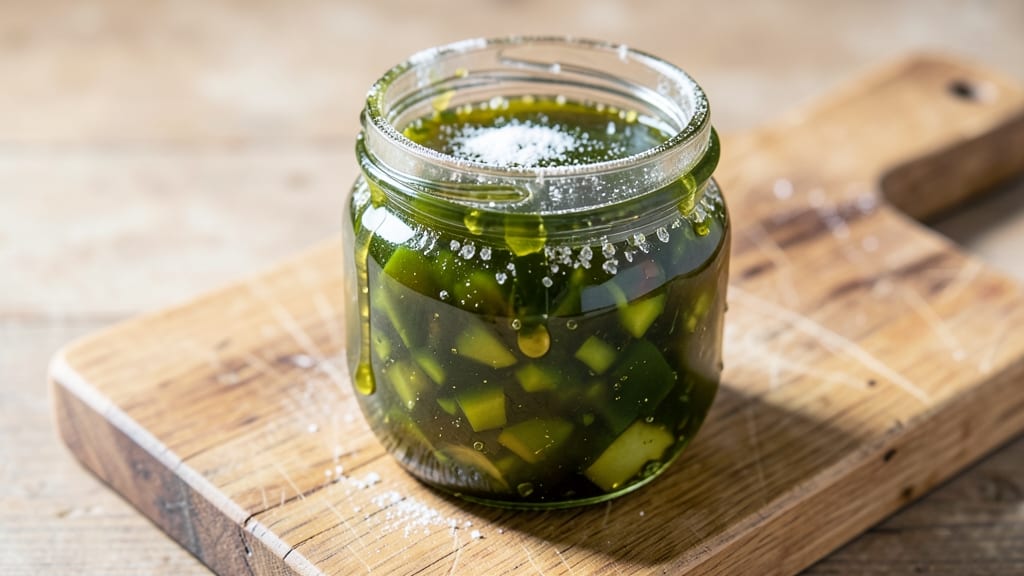
This apple pectin recipe will turn your homemade jams and preserves into something restaurant-quality, with that perfect gel consistency store-bought versions can't match. The secret lies in balancing acidity, sugar, and cooking time to extract natural pectin from apples—no additives required.
I perfected this method after years of experimenting with fruit spreads, and the difference is undeniable once you taste the results.
This recipe uses only three key ingredients: apples, lemon juice, and sugar, all combined in precise ratios to create a stable gel. The process involves simmering apple purée until it thickens properly, then adjusting with lemon juice to activate the natural pectin.
It’s a straightforward method that yields enough pectin for multiple batches of jam, making it perfect for preserving seasonal fruit.
What you’ll end up with is a clear, vibrant apple pectin that sets beautifully in jars—ideal for classic apple butter, strawberry jam, or even grape jelly. The texture is firm yet spreadable, with none of the graininess found in commercial products.
Once you make your own, you’ll never go back to store-bought again.
Store the finished pectin in sterilized jars in the refrigerator for up to three months, or extend its shelf life by canning. This versatile base works in both sweet and savory applications, from fruit preserves to glazes for meats. Let’s get started on creating your own high-quality pectin today.
Ingredients for apple pectin
Three core ingredients transform into a versatile pectin base for restaurant-quality jams.
| Ingredient | Amount | Notes |
|---|---|---|
| Granny Smith Apples 🍎 | 4 cups | Peeled, cored, chopped small |
| Granulated White Sugar 🍚 | 3 cups | Fine grain preferred |
| Fresh Lemon Juice 🍋 | ½ cup | From 2-3 medium lemons |
| Water 💧 | 1 cup | Filtered or distilled preferred |
| Powdered Citric Acid 🧂 | 1 tbsp | Optional for extra stability |
| Calcium Water 💧 | 1 tsp | 1 tsp calcium chloride in 1 cup water |
Granny Smith apples are the secret weapon here—their high acidity and natural pectin content create a stable gel. Buy organic if possible, or wash thoroughly to remove wax. I always grab the firmest apples at Whole Foods or Trader Joe's—they hold up better during cooking. For sugar, Domino or C&H brands work perfectly, but avoid powdered sugar here. The lemon juice needs to be fresh—no bottled juice—as it contains the enzymes that activate pectin. If you're concerned about consistency, the citric acid boosts stability, especially for low-sugar jams.
No Granny Smiths? McIntosh or Honeycrisp work too, though they may require slightly more lemon juice. Running low on sugar? Honey at a 1:1 ratio changes flavor but works in a pinch. The calcium water is non-negotiable for texture—it prevents jelly from becoming too soft. Make your own by dissolving 1 tsp calcium chloride in 1 cup water. For a sweeter jam later, reduce the sugar slightly now. The key is patience: simmer until the mixture reduces to about half its volume—that's when the magic happens.
Store the finished pectin in sterilized jars in the fridge for 3 months, or can it for 1 year shelf life. I portion mine into 4-ounce jars—perfect for single jam batches. For best results, use within 6 months of making. The pectin thickens as it cools, so test consistency before finalizing. If it's too runny, simmer an extra 5 minutes. Too thick? Add a splash of water and reheat. This stuff keeps forever if canned properly—pressure canning recommended for long-term storage.
Why You'll Love This Recipe
- Five-Ingredient Magic: I swear by this combo—just apples, sugar, lemon, water, and a pinch of citric acid. No fancy gadgets, no stress, and zero guesswork. The Granny Smiths do all the heavy lifting while I sip my coffee.
- Tart-Sweet Perfection: That bright, tangy punch from the Granny Smiths and lemon? It’s like biting into autumn in jelly form. The sugar balances it just right—no cloying sweetness, just pure, addictive harmony.
- Jars for Every Occasion: Slather it on toast, drizzle over yogurt, or toss in oatmeal—this stuff disappears fast. I keep a batch in the fridge for quick breakfasts and even stash a jar in my desk for when I need a midday pick-me-up.
- Budget-Friendly Staple: A single bag of apples and a box of sugar last me months. The citric acid? A tiny bag that stretches forever. Honestly, I’ve made this for under $5 per batch, and it’s always the first thing I reach for when guests drop by.
Step-by-step instructions for homemade apple pectin
Here's how to create a vibrant, natural pectin gel that rivals commercial brands.
Prepare the Apple Base
Start by combining the 4 cups chopped Granny Smith Apples with the 1 cup Water in a large saucepan. Granny Smiths are ideal—their natural acidity and pectin content create a stable gel. Bring the mixture to a boil over medium-high heat, then reduce to a simmer for 20-25 minutes until the apples break down completely and the liquid reduces by about half. You'll know it's ready when the mixture turns thick and syrupy, with no visible apple pieces remaining.
While simmering, stir occasionally to prevent sticking. If the mixture starts to darken too much, reduce the heat slightly—you want a golden amber color, not brown. This step extracts all the natural pectin from the apples, which will later form the gel structure in your preserves.
Strain and Add Stabilizers
Line a fine-mesh strainer with cheesecloth or a coffee filter and strain the apple mixture into a clean bowl. Press firmly on the solids to extract every last drop of liquid—this ensures maximum pectin yield. Discard the apple pulp. To the strained liquid, add the 3 cups Granulated White Sugar, 0.5 cup Fresh Lemon Juice, 1 tbsp Powdered Citric Acid, and 1 tsp Calcium Water. The citric acid enhances stability, while the calcium water strengthens the gel structure.
Stir the mixture gently but thoroughly until the sugar and powder dissolve completely. The sugar will help preserve the final product, and the acidity from the lemon juice and citric acid will balance the sweetness while improving shelf life. This is where the magic happens—these ingredients work together to create a stable, spreadable gel.
Cook to Gel Point
Return the mixture to the saucepan and bring it to a rolling boil over medium-high heat. Once boiling, cook for 5-7 minutes, stirring constantly to prevent scorching. You're looking for a gel point test: drop a small amount of the mixture onto a chilled plate. If it wrinkles when pushed with your finger, it's ready. If not, cook for another 1-2 minutes and test again. This step is critical—overcooking can destroy the pectin, while undercooking results in a runny jam.
As you stir, you'll notice the mixture thicken dramatically. The sugar will dissolve completely, and the liquid will take on a glossy sheen. This is the moment when the pectin fully activates, transforming the liquid into a gel. Remove the pan from heat immediately once the gel test passes—you want to preserve that perfect set.
Jar and Store for Long-Term Use
Quickly ladle the hot pectin mixture into sterilized jars, leaving about ½ inch of headspace at the top. Seal the jars with lids and process them in a water bath for 10 minutes to ensure safety and longevity. This step is essential for preserving the pectin's integrity and preventing contamination. Once cooled, store the jars in a cool, dark place—they'll keep for up to 1 year unopened.
The finished pectin should have a vibrant amber color and a smooth, gel-like consistency. You can use it just like commercial pectin—add 1 tablespoon per cup of fruit when making jams or preserves. The natural acidity from the apples and lemon juice will give your preserves a bright, balanced flavor that store-bought pectin can't match.
Pro Tips For Making Apple Pectin
- PEEL AND CORE FAST: Skip the tedious peeling—just quarter the Granny Smiths and scoop out the cores with a paring knife. The skin adds texture and pectin, so no need to fuss. (I used to peel them religiously until I realized it’s unnecessary.)
- BOIL HARD AND FAST: Get that apple mixture to a rolling boil within 5 minutes, then simmer hard for 10 minutes. The faster you hit full boil, the more pectin you’ll extract—no half-measures. (Yes, even if you’re impatient like me.)
- WEIGH THE SUGAR: Use a kitchen scale for the sugar—1 cup packed brown sugar isn’t the same as 200g granulated. Too little sugar = weak set; too much = gummy mess. (I learned this after making a batch that never jelled.)
- LEMON JUICE FIRST: Add the lemon juice before the citric acid—it kickstarts the acidification and prevents cloudiness. The citric acid can wait until the very end. (This keeps the pectin from breaking down prematurely.)
Best sauces and condiments for this apple pectin
Classic Apple Butter
Use your homemade pectin to create a rich, spiced apple butter that’s perfect for toast, BBQ sandwiches, or glazing meats. Simmer 2 cups apple pectin with 1 cup apple cider, ½ cup brown sugar, 1 tsp cinnamon, and ¼ tsp cloves for 45-60 minutes until thickened.
Spread it on warm biscuits or drizzle over pork chops for a tangy-sweet contrast. 🍎
Strawberry Jam
Transform your pectin into a glossy strawberry jam that sets beautifully. Cook 4 cups chopped strawberries with 1 tbsp apple pectin, 1 cup sugar, and 1 tbsp lemon juice until thickened.
The natural pectin from your apples ensures a smooth, spreadable texture without graininess. Store in sterilized jars for up to 1 year. 🍓
Grape Jelly
For a vibrant grape jelly, combine 4 cups red grape juice (reduced from 6 cups fresh grapes) with 1 tbsp apple pectin, 1 cup sugar, and 1 tbsp lemon juice.
Simmer until it reaches the gel point, then test with the plate method. This jelly pairs perfectly with cheese platters or breakfast toast. 🍇
Pineapple Preserves
Add tropical flair to your kitchen with pineapple preserves. Blend 3 cups pineapple chunks with 1 tbsp apple pectin and ½ cup sugar, then cook until thick. The pectin’s natural stability prevents separation, making these preserves ideal for gift-giving or topping yogurt. 🍍
Savory Glaze
Surprise your guests with a tangy-sweet glaze for roasted meats. Mix ½ cup apple pectin with ¼ cup balsamic vinegar, 2 tbsp honey, and 1 tsp Dijon mustard.
Simmer for 10 minutes and brush over pork tenderloin or chicken thighs before roasting. The pectin adds a glossy finish and prevents burning. 🍖
Berry Compote
Create a versatile berry compote by simmering 2 cups mixed berries (raspberries, blackberries, or blueberries) with 1 tbsp apple pectin and 2 tbsp sugar until thickened. Use it as a topping for pancakes, ice cream, or cheesecake. The pectin’s natural acidity balances the sweetness perfectly. 💫
Nutrition facts
Frequently asked questions
Can I use any type of apple for this pectin recipe?
Granny Smith apples work best due to their high natural pectin and acidity, but McIntosh or Honeycrisp will also work. Avoid overly sweet varieties like Fuji—they may require extra lemon juice to achieve proper gel formation. The key is selecting firm, ripe apples with good acidity levels.
Why does my homemade pectin turn out runny?
This usually happens from undercooking or insufficient acidity. Make sure to boil the mixture for the full 5-7 minutes after adding sugar, and test for gel consistency on a chilled plate. If it's still too thin, simmer an extra 2-3 minutes or add ½ teaspoon citric acid to boost stability.
How much pectin should I use when making jam?
Use 1 tablespoon of finished apple pectin per cup of fruit when making jams or preserves. This ratio ensures proper gel formation without altering flavor. For example, 4 cups strawberries would need 1 tablespoon pectin plus your preferred sugar amount.
Can I substitute honey for sugar in this recipe?
Yes, but expect a different flavor profile. Replace sugar with an equal amount of honey, but reduce the cooking time slightly as honey caramelizes faster. The pectin will still work, but the final product will have a deeper, more complex sweetness. Test for gel consistency carefully with honey-based mixtures.
How long will my homemade pectin last?
Store pectin in sterilized jars in the refrigerator for up to 3 months. For longer storage, process jars in a water bath for 10 minutes and store in a cool, dark place where it will keep for 1 year. The calcium water and citric acid help preserve freshness and prevent spoilage.