
Side Dishes
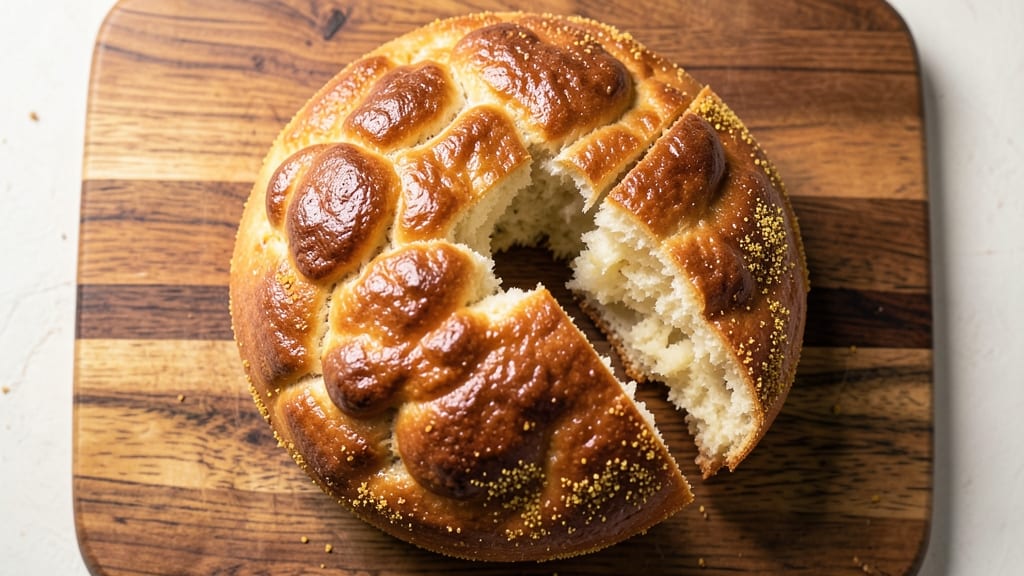
Arizona fry bread recipe brings a taste of Navajo tradition to your kitchen with its signature crispy cornmeal crust and tender interior. This dish carries deep cultural significance as a staple in Navajo cuisine, originally created as a practical food during times of scarcity.
The combination of flour, cornmeal, and lard creates a dough that transforms into golden, flaky perfection when fried just right.
What makes this recipe special is its balance of simplicity and technique—achieving that perfect crispy exterior while keeping the inside soft requires attention to temperature and frying time. The dough is straightforward to prepare, but the frying process demands patience to avoid uneven cooking.
This adaptable dish works as a side, snack, or even breakfast, making it a versatile addition to any meal.
Once fried to a golden brown, Arizona fry bread becomes a canvas for sweet or savory toppings—honey, jam, or powdered sugar are classic choices that enhance its natural richness. The crispy edges contrast beautifully with the soft center, creating a satisfying texture in every bite.
Whether you're honoring its heritage or simply enjoying a delicious treat, this recipe delivers authentic flavor with professional results.
This dish also serves as a wonderful introduction to Navajo culinary traditions, offering a taste of history with every bite. The method is designed to be foolproof for beginners while still impressing experienced cooks.
With just a few simple ingredients and the right technique, you'll create a dish that's both culturally meaningful and undeniably delicious.
Ingredients for arizona fry bread
Traditional Navajo ingredients transformed into golden, crispy perfection with just eleven components.
| Ingredient | Amount | Notes |
|---|---|---|
| All-Purpose Flour 🌾 | 2 cups | Unbleached preferred for lighter texture |
| Cornmeal 🌽 | 1 cup | Fine-ground for smooth dough consistency |
| Baking Powder 🍞 | 1 tsp | Aluminum-free for authentic leavening |
| Salt 🧂 | ½ tsp | Diamond Crystal preferred for purity |
| Unsalted Butter 🧈 | ½ cup | Cold, cubed for proper emulsification |
| Lard 🥓 | ½ cup | Leaf or leaf lard for authentic flavor |
| Warm Water 💧 | ¾ cup | 110°F for optimal dough development |
| Vegetable Oil 🫒 | 3 cups | High smoke point for frying |
| Powdered Sugar 🍬 | ½ cup | For traditional sweet topping |
| Honey 🍯 | ¼ cup | Wildflower preferred for depth |
| Cinnamon 🍃 | 1 tsp | Ground, for optional spiced variation |
The lard and butter combination is non-negotiable for authentic texture—leaf lard from specialty butchers delivers that signature richness, while European-style unsalted butter adds tenderness. For the cornmeal, White Lily or Bob's Red Mill fine-ground varieties create the ideal smooth dough. The baking powder must be aluminum-free to honor traditional recipes, and Diamond Crystal kosher salt ensures proper seasoning without metallic aftertaste. Warm water at exactly 110°F activates the gluten properly without cooking the flour.
No lard available? Shortening or coconut oil maintains crispiness, though texture will differ slightly. Substitute the butter with more lard for authenticity, or use vegetable shortening for a neutral alternative. For the cornmeal, polenta or grits can be used at a 1:1 ratio, though the flavor profile shifts. The powdered sugar and honey toppings are traditional, but maple syrup or fruit preserves offer delicious variations. When frying, maintain oil temperature at 350°F—a thermometer is essential for consistent results.
The dough keeps well for 3 days wrapped in plastic in the refrigerator, though it's best used fresh. For long-term storage, freeze shaped dough balls for up to 3 months. Fry only what you'll use immediately to maintain crispness. The finished fry bread reheats beautifully in a 350°F oven for 5-7 minutes, restoring that golden sheen. Portion toppings separately to prevent sogginess—sprinkle powdered sugar or drizzle honey just before serving.
Why You'll Love This Recipe
- Here’s what sold me: that crispy edge with the creamy center. The baking powder does all the work while you fry, so you’re not hovering over the pan. One bite, and you’ll understand why people drive across state lines for this—it’s dangerously addictive.
- I’ll be real: this recipe won’t break the bank. A bag of flour, a stick of butter, and a little cornmeal stretch far. Plus, leftovers freeze like a dream—just reheat in the oven until crispy again. It’s the kind of dish that makes frugal cooking feel indulgent.
Step-by-step instructions for Arizona fry bread
This traditional Navajo fry bread delivers a perfect balance of crispy crust and tender interior.
Prepare the Dough Mixture
In a large mixing bowl, combine the 2 cups all-purpose flour and 1 cup cornmeal. Add the 1 teaspoon baking powder and ½ teaspoon salt, whisking to distribute evenly. This dry blend forms the structural foundation of the bread.
Cut the ½ cup unsalted butter and ½ cup lard into small cubes and add to the dry ingredients. Using a pastry cutter or your fingers, work the fats into the flour mixture until the texture resembles coarse crumbs with pea-sized fat pieces remaining. This creates pockets that will render during frying, ensuring crispiness.
Gradually add the ¾ cup warm water (about 110°F) while mixing with a wooden spoon. The dough will begin to come together when it forms a shaggy mass that can be pressed into a ball. Avoid overmixing at this stage—just combine until no dry spots remain. The dough should be slightly tacky but not sticky.
Knead and Rest the Dough
Turn the dough onto a lightly floured surface and knead gently for 2-3 minutes until smooth and elastic. You're not developing gluten like bread dough—just creating a uniform texture. Divide the dough into 4 equal portions (about 6 ounces each) and cover with a damp towel to prevent drying.
Let the dough rest for 15-20 minutes at room temperature. This brief relaxation period allows the gluten to relax slightly, making the dough easier to handle and preventing it from shrinking during frying. The surface should feel slightly tacky but not wet.
Shape the Fry Bread
Working with one piece at a time, roll each dough portion into a ¼-inch thick circle about 6 inches in diameter. I press down gently with the heels of my hands while rotating the dough to maintain even thickness. The edges should be slightly thicker than the center—this creates the classic fry bread shape with a slightly puffed middle.
Place the shaped fry bread on a floured surface and cover with a damp towel while you prepare the next piece. Keep them covered to maintain moisture until ready to fry. The dough should hold its shape well without sticking to the surface.
Fry to Golden Perfection
Heat 3 cups vegetable oil in a heavy skillet over medium-high heat until it reaches 350°F (use a deep-fry thermometer for accuracy). The oil should shimmer gently but not smoke excessively. Fry one piece of dough at a time, being careful not to overcrowd the pan.
Add one fry bread to the hot oil and fry for 2-3 minutes per side until deep golden brown with crispy edges. The bread should puff slightly in the center as it cooks. Use tongs to flip carefully—press down gently on the bread during the first minute of frying to prevent curling. Remove to a paper towel-lined plate to drain excess oil.
Serve Warm with Traditional Toppings
While still warm, brush the fried bread with a mixture of ½ cup powdered sugar and ¼ cup honey, whisked together until smooth. For a spiced variation, add the 1 teaspoon cinnamon to the sweet mixture. The heat from the bread will melt the sugar into a caramelized glaze.
Serve immediately for maximum crispiness. Each piece should have a crispy, crackly exterior that gives way to a soft, slightly chewy interior. The traditional sweet topping creates a perfect balance of textures and flavors that make this dish so beloved.
Pro Tips For Making Arizona Fry Bread
- Heat Your Pan Properly: Fry bread isn’t forgiving if your pan is lukewarm—it’ll steam instead of crisp. Get that skillet screaming hot (medium-high to high) for 2-3 minutes before adding the first piece. I learned this the hard way after making a batch that turned out soggy in the middle.
- Mix Cold Butter In: Cut that unsalted butter into cubes and toss it into the dry flour mix before adding water. The cold fat creates pockets that make the bread flaky and crispier, not greasy. Skip this, and you’ll end up with dense, heavy bread that sticks to the pan.
- Don’t Overwork the Dough: Stir the dough just until combined—overmixing develops gluten, and your fry bread will turn out tough instead of light and airy. Think "shaggy" batter, not smooth. I used to mix it like pancakes, and the texture suffered.
- Use a Splatter Screen: Fry bread spits oil like a teenager at a rock concert. Slap a splatter screen over your pan while frying, and you’ll save your cabinets from a greasy mess. No screen? At least stand back—this isn’t the time to be a hero.
Make-ahead tips for arizona fry bread
Dough Prep Ahead
Prepare the dough up to 3 days in advance and store it wrapped tightly in plastic wrap in the refrigerator. The cold temperature slows fermentation, preserving freshness. When ready to fry, let the dough sit at room temperature for 30-45 minutes to relax the gluten and improve handling.
I find this method particularly useful for busy mornings when I want to enjoy warm fry bread for breakfast. 💪
Freeze Shaped Dough
For longer storage, shape the dough into balls and freeze them on a parchment-lined tray for 1 hour until solid. Transfer to a ziplock freezer bag and store for up to 3 months.
Thaw in the refrigerator overnight before frying. This technique works perfectly for meal prep—just pull out what you need and fry fresh for that authentic texture. 🥶
Fry in Batches
Fry bread loses crispiness quickly, so work in small batches. I recommend frying 2 pieces at a time in a 10-inch cast iron skillet—this prevents overcrowding and maintains oil temperature.
Keep fried pieces warm in a 200°F oven on a wire rack while you finish the remaining dough. This keeps them crispy until serving time. 🔥
Reheat Perfectly
To restore crispiness, reheat in a 350°F oven for 3-5 minutes on a wire rack. Avoid covering with foil—this traps steam and makes the bread soggy.
For a quick fix, use a toaster oven set to 375°F for 2 minutes. The key is high heat and minimal moisture exposure. ✨
Topping Prep
Prepare toppings separately to maintain crispness. Whisk the powdered sugar and honey mixture just before serving—this prevents the sugar from absorbing into the bread prematurely. For savory options like refried beans or scrambled eggs, keep them warm in a separate pan until ready to assemble.
The contrast of warm toppings with crispy bread is what makes this dish so special. 🍯
Portion Control
Shape dough into 4 equal portions (about 6 ounces each) for consistent results. Uneven portions can lead to uneven cooking—thicker pieces take longer to fry and may not get as crispy.
I weigh my dough portions using a kitchen scale for precision, especially when teaching this recipe to beginners. This small step makes a big difference in the final texture. 🎚️
Nutrition facts
Frequently asked questions
What makes Arizona fry bread different from regular fry bread?
Arizona fry bread has a distinct cornmeal base and uses lard or butter for richness, giving it a crispier exterior and slightly chewier texture. The traditional Navajo version also emphasizes a specific fat-to-flour ratio that creates that signature golden crust. Regular fry bread often uses more shortening and sometimes lacks the cornmeal component.
Can I make Arizona fry bread without lard?
Yes! You can substitute with shortening or coconut oil for a neutral flavor, though lard or butter creates the most authentic texture. For crispiness, use ½ cup vegetable shortening instead of the lard. The dough will still puff beautifully, though the flavor will be slightly milder.
Why did my fry bread turn out dense instead of crispy?
Dense fry bread usually means the oil wasn't hot enough (350°F is critical) or the dough was overworked. Keep frying in small batches to maintain oil temperature, and avoid kneading too much—just handle gently. Also ensure your baking powder is fresh (aluminum-free works best).
How do I store leftover Arizona fry bread?
Cool completely, then place in an airtight container at room temperature for up to 2 days. For longer storage, freeze for 1 month. Reheat in a 350°F oven for 3-5 minutes on a wire rack to restore crispiness. Never reheat in the microwave—it makes the bread soggy.
What are some traditional toppings besides honey?
Classic options include powdered sugar, cinnamon-sugar mix, or fruit preserves. For savory versions, try refried beans, scrambled eggs, or honey butter. The Navajo tradition often pairs it with blue cornmeal mush or mutton stew for a hearty meal.