
Soups & Stews
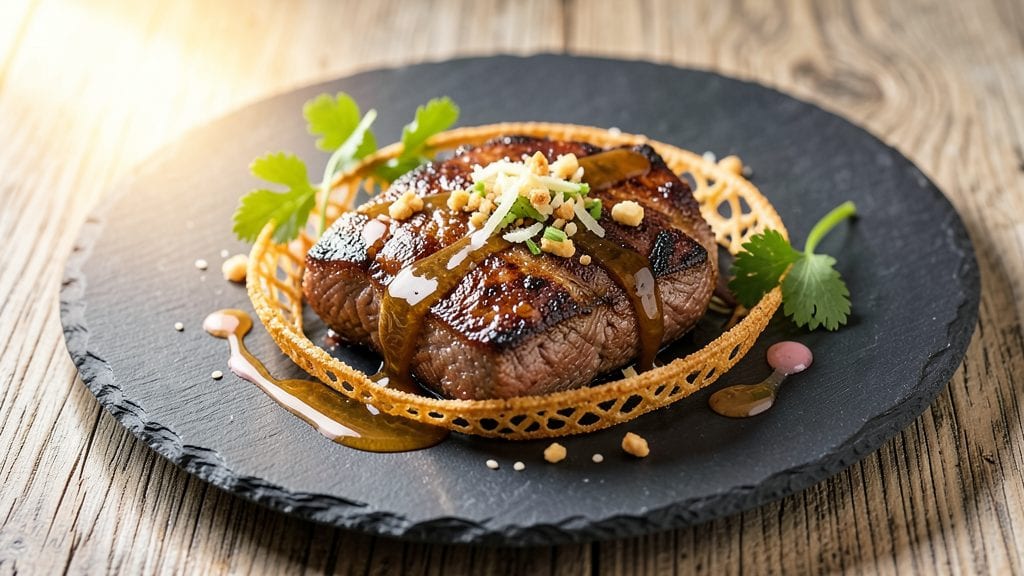
This Asian beef marinade recipe transforms simple cuts of beef into restaurant-quality dishes with just 30 minutes of prep and 4+ hours of marinating. The balance of soy sauce, garlic, ginger, and honey creates a bold umami depth that caramelizes beautifully on the grill or stir-fry pan.
I developed this marinade after years of testing—it’s the one I reach for whenever I want that perfect balance of sweet, savory, and aromatic flavors.
The secret lies in the combination of ingredients: soy sauce provides the salty foundation, while garlic and ginger add layers of aromatic complexity. A touch of honey enhances the caramelization, ensuring the beef develops a rich, glossy crust.
This marinade works equally well for grilling, stir-frying, or even as a quick glaze—just adjust the cooking time based on your preferred texture.
What sets this marinade apart is its versatility and shelf stability. Once mixed, it keeps in the refrigerator for up to one week, making it perfect for meal prep. The flavors deepen over time, so the longer you marinate, the more intense and delicious the results.
Whether you're cooking for a weeknight dinner or prepping for a weekend barbecue, this marinade delivers professional-quality results every time.
Use it on flank steak, sirloin, or even beef strips for stir-fry—just remember to pat the meat dry before cooking for that perfect sear. The marinade also doubles as a quick sauce if you reserve a little before applying it to the beef.
Let’s get started on this flavor-packed essential for your kitchen.
Ingredients for asian beef marinade
Five core ingredients plus three power boosters. Game-changer for any beef dish.
| Ingredient | Amount | Notes |
|---|---|---|
| Soy Sauce 🥢 | ½ cup | Low-sodium preferred for control |
| Honey 🍯 | ¼ cup | Pure, unprocessed for best flavor |
| Garlic Cloves 🧄 | 6 cloves | Freshly minced for aromatic punch |
| Fresh Ginger 🌿 | 2 tbsp | Finely grated, not powdered |
| Sesame Oil 🫒 | 1 tbsp | Toasted sesame oil for nutty depth |
| Rice Vinegar 🍶 | 2 tbsp | White rice vinegar for balance |
| Brown Sugar 🍚 | 1 tbsp | Light or dark, packed firmly |
| Ground Black Pepper 🌶️ | ½ tsp | Freshly cracked for heat |
| Sesame Seeds 🌾 | 1 tbsp | Toasted for garnish and crunch |
The soy sauce is non-negotiable—Kikkoman or Lee Kum Kee are my go-tos, but any good-quality brand works. Low-sodium soy sauce gives you more control over saltiness, which is key since this marinade packs a punch. Fresh ginger and garlic? Don’t skip the zest—it’s what makes this marinade sing. I grab ginger from the Asian market when I can, but the regular grocery store stuff works fine. Toast your sesame seeds in a dry pan for 30 seconds—they’ll add insane crunch when you’re ready to serve.
No sesame oil? Toasted peanut oil works in a pinch, though it’ll change the flavor profile slightly. Short on rice vinegar? Apple cider vinegar is a decent swap, but you’ll lose that delicate tang. The honey can be swapped for maple syrup if you’re vegan, but I find honey’s floral notes essential for the caramelization. Pre-minced garlic from the jar is fine, but fresh is always better. Pro tip: Make a double batch—this marinade keeps for 1 week in the fridge, and the extra makes a killer quick sauce for noodles.
Store the marinade in an airtight container with the lid slightly loose—flavors deepen over time, but you don’t want it to ferment. It’s perfect for meal prep: marinate your beef for 4+ hours, then cook it whenever you’re ready. The leftovers? Use them as a glaze or stir-fry sauce—just simmer for 5 minutes to thicken it up. Freezes beautifully for up to 3 months, though I’ve never had it last that long in my fridge.
Why You'll Love This Recipe
- Five-Ingredient Magic: I swear by this combo—just soy, honey, garlic, ginger, and sesame oil. No fancy pantry trips, no measuring cups that confuse me. Honestly, I keep a jar of this in the fridge now because it’s that reliable.
- Sweet-Savory Balance: That honey cuts through the soy’s saltiness while the garlic and ginger add a punch. Between us, the sesame oil finish? It’s the little detail that makes this marinade ridiculously good every time.
- Weeknight & Wok Night: Slap it on steak for stir-fry, toss it with cubed beef for dumplings, or even glaze it on after grilling. I’ve used it for everything from takeout-style bowls to quick weeknight dinners—it never lets me down.
- Marinade That Multiplies: Make a double batch—it keeps for weeks in the fridge. Use half on beef, save the rest for chicken or tofu later. My wallet thanks me, and so does my lazy Sunday lunch. (Yes, even on a Tuesday night.)
Instructions for Asian beef marinade recipe
This marinade transforms simple beef into restaurant-quality flavor—sweet, savory, and packed with aromatic depth.
Mince Garlic and Grate Ginger
Start by finely mincing the 6 cloves garlic cloves using a sharp knife or garlic press. You want tiny pieces that will dissolve completely into the marinade. Next, grate the 2 tablespoons fresh ginger using a microplane or fine grater—this ensures the ginger releases its bright, zesty flavor rather than sitting as chunks.
I like to press the ginger against the grater with my thumb for maximum surface area. The goal is to create a paste-like texture that blends seamlessly with the other ingredients. If you're using a knife, chop the ginger as finely as possible—you'll notice the difference in flavor distribution when you taste the final marinade.
Whisk Soy Sauce and Honey
In a medium bowl, combine the 0.5 cup soy sauce and 0.25 cup honey. Use a whisk to blend them thoroughly for about 30 seconds until the honey dissolves completely. The mixture should look smooth and uniform, with no visible streaks of honey.
Here's where the magic starts—the soy sauce provides that essential umami base, while the honey adds natural sweetness that caramelizes beautifully during cooking. If you're using low-sodium soy sauce, you might want to add a pinch of salt later to balance the flavor, but I've found this amount works perfectly with the other ingredients.
Incorporate Brown Sugar and Rice Vinegar
Add the 1 tablespoon brown sugar and 2 tablespoons rice vinegar to the soy-honey mixture. Stir well to dissolve the brown sugar completely—it should disappear into the liquid without any graininess. The rice vinegar adds a bright acidity that cuts through the richness of the honey and beef.
This is the perfect time to taste your base mixture. You should notice a balance of sweet, salty, and slightly tangy flavors. If it tastes too sweet, you can add a tiny bit more rice vinegar. If it's too strong, a splash of water will help dilute it slightly. Remember, you'll be adding the beef next, so the flavors will mellow and blend together beautifully.
Add Aromatics and Finish with Pepper
Now stir in the minced garlic and grated ginger along with the 1 tablespoon sesame oil. The sesame oil adds a nutty depth that elevates the entire marinade. Mix everything together until fully combined—you should see the garlic and ginger evenly distributed throughout the liquid.
Finally, add the 0.5 teaspoon ground black pepper and stir one last time. The pepper adds a subtle heat that pairs perfectly with the sweet and savory flavors. Let the marinade sit at room temperature for 10-15 minutes before using it—this allows all the flavors to meld together and creates a more cohesive taste when applied to the beef.
Toast Sesame Seeds for Garnish
While the marinade rests, toast the 1 tablespoon sesame seeds in a dry skillet over medium heat for 1-2 minutes until they turn a rich golden brown color and release their nutty aroma. Watch them closely—they burn quickly and become bitter if left too long.
Transfer the toasted sesame seeds to a small bowl to cool. These will be your perfect garnish for the finished dish, adding both visual appeal and a delightful crunch. The toasted seeds will complement the marinade's flavors beautifully, giving your beef that final professional touch that makes all the difference.
Pro Tips For Making Asian Beef Marinade
- MINCE THE GINGER FINE: I learned this the hard way—chunky ginger in the marinade just sits there like a stubborn guest. Use a microplane or the smallest holes on a grater, then press it through a fine-mesh sieve to remove fibers. That way, it blends smoothly and infuses flavor evenly, not just clumps that won’t break down.
- WAIT 15 MINUTES BEFORE SEARING: Don’t rush straight to the pan. Let the beef sit in the marinade for at least 15 minutes—longer if you can spare it. The soy sauce and honey need time to penetrate, and the garlic and ginger flavors will cling better. Trust me, skipping this step means your beef will taste like it’s wearing a flavor coat that didn’t quite stick.
- USE TOASTED SESAME OIL LAST: Add the sesame oil right before cooking, not while mixing. It’s delicate stuff—heat or prolonged exposure to other ingredients will make it taste bitter. A quick drizzle at the end keeps its nutty aroma bright and fresh, like the finishing touch on a painting.
- CHILL THE MARINADE IF RUSHING: If you’re short on time, pop the beef and marinade in the fridge for 30 minutes before cooking. The cold helps the soy sauce and honey emulsify better, and the beef absorbs flavors faster than if you’re working in a warm kitchen. It’s a lazy cook’s shortcut that actually works.
Essential equipment for asian beef marinade
Marinade Mixing Tools
You don’t need fancy equipment—just a few essentials. A stainless steel whisk (like the OXO Good Grips) blends the soy sauce and honey smoothly, while a microplane (I love the BergHOFF) for ginger ensures maximum surface area for bright flavor extraction.
For garlic, a garlic press (like Norpro) saves time over mincing by hand. 🧄
Measuring Essentials
Precision matters here. Use a liquid measuring cup for soy sauce, honey, and vinegar to avoid spills. A small digital scale (like Escali Primo) helps measure sesame oil and brown sugar accurately—especially since 1 tablespoon of each makes a difference.
For dry ingredients like sesame seeds, a measuring spoon set (I recommend OXO’s) keeps things consistent.
Storage Containers
Transfer your marinade to an airtight glass container (like Le Parfait) for easy storage. The glass preserves flavors better than plastic and is microwave-safe if you ever want to reheat leftovers.
For meal prep, I use mason jars—they’re stackable and let me see the marinade’s rich color at a glance. 🥢
Cooking Gear
No special tools needed for cooking, but a cast-iron skillet (like Lodge) or grill (I prefer Weber Spirit) gives the best sear. For stir-frying, a wok (like Victorio) with a tight-fitting lid ensures even heat distribution.
If you’re grilling, a meat thermometer (I use ThermoWorks Smoke) ensures your beef hits 145°F internal temperature safely.
Garnish Tools
Toast sesame seeds in a small nonstick skillet (like Calphalon) to avoid burning. A fine-mesh strainer (I keep a OXO Good Grips in my kitchen) helps drain excess oil if you want to reduce richness.
For plating, a tweezers set (like OXO’s) makes garnishing with toasted seeds effortless and precise. ✨
Budget Alternatives
No fancy tools? No problem. Use a wooden spoon for stirring, a sharp knife for garlic/ginger, and a plastic measuring cup for liquids. A heavy-bottomed pot (even an old enamel Dutch oven) works for reheating.
The key is technique—not equipment. My first marinade masterpiece used a spork and a mason jar—proof that great flavor isn’t about gadgets. 💡
Nutrition facts
Frequently asked questions
Can I use this marinade for other proteins besides beef?
This marinade works beautifully on chicken thighs, pork tenderloin, or even tofu for a plant-based version. For chicken, reduce marinating time to 2-3 hours to prevent over-softening. Pork benefits from the longer 4+ hour marinade, while tofu absorbs flavors quickly—just 30 minutes is enough. Adjust cooking times accordingly since different proteins have varying doneness temperatures.
How long can I marinate beef in this recipe before it gets mushy?
For beef, 4-12 hours is ideal—any longer risks breaking down the muscle fibers too much. Thin cuts like flank steak can handle 6-8 hours, while thicker cuts like sirloin can safely marinate up to 12 hours without becoming mushy. Always store beef in the refrigerator during marinating, never at room temperature, to prevent bacterial growth.
What's the best way to cook beef marinated in this sauce?
For maximum flavor, sear the beef in a cast-iron skillet over high heat for 2-3 minutes per side before finishing in the oven at 375°F for 10-15 minutes (medium-rare). Grilling works too—just maintain medium-high heat and cook to 145°F internal temperature. For stir-fry, cut beef into 1-inch strips and cook over high heat for 2-3 minutes per batch.
Can I make this marinade without honey?
Yes! Swap the honey for maple syrup (same amount) for a vegan option, or use agave nectar for a neutral sweetness. For a different flavor profile, try 1 tablespoon of brown sugar syrup (dissolve 1 tbsp brown sugar in 1 tbsp hot water). The honey adds caramelization, but these alternatives work well—just expect slightly different texture when cooking.
Why does my beef taste bland after marinating?
Bland flavor usually means the marinade didn't penetrate enough or was diluted. First, ensure you're using low-sodium soy sauce (regular can be too salty). Second, pat the beef very dry before marinating—moisture prevents absorption. Third, marinate at 4°C (40°F) in the fridge, not at room temperature. Finally, cook over high heat to caramelize the sugars in the marinade for maximum flavor impact.