
Side Dishes
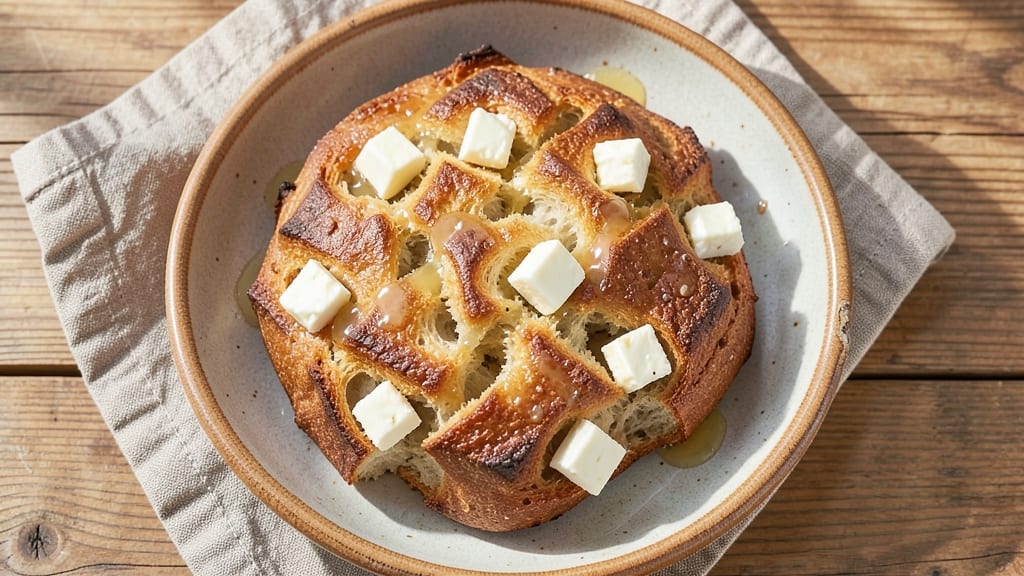
Aubree's feta bread recipe delivers that irresistible combination of golden, crispy crust and tangy, pull-apart cheese pockets that disappear faster than you can say "second slice."
The secret lies in a precise blend of flour, yeast, and crumbled feta that creates pockets of salty, briny goodness while maintaining that perfect crust texture. I perfected this version after years of testing—no more dry, crumbly bread that falls apart before it hits the table.
What makes this recipe truly special is the balance between technique and simplicity. With just 10 ingredients and 30 minutes of active prep time, you'll achieve restaurant-quality results that taste like they've been baking all day.
The dough comes together quickly, and the feta is folded in just before baking to ensure those pockets stay gooey and melty. This isn't your average bread—it's a showstopper side dish that pairs perfectly with soups, salads, or as a standalone appetizer.
The moment you pull it from the oven, you'll understand why this bread becomes a family favorite. The exterior is crackling and golden, while the interior reveals those perfect cheese pockets that stretch and pull with every bite.
The aroma alone—warm, buttery, with that unmistakable tang of feta—will have everyone gathering around your table. Trust me, once you try this version, you'll never go back to store-bought.
Perfect for holiday gatherings, potlucks, or as a special weekend treat, this feta bread is versatile enough to fit any occasion. Serve it warm with a drizzle of olive oil or a sprinkle of fresh herbs for an extra touch of elegance. Let's get baking—your taste buds will thank you.
Ingredients for aubree's feta bread
Golden crust meets melty feta magic—just 10 ingredients for showstopping bread.
| Ingredient | Amount | Notes |
|---|---|---|
| All-Purpose Flour 🌾 | 4 cups | Sifted for best texture |
| Active Dry Yeast 🍞 | 2 ¼ tsp | One packet or 0.25 tsp |
| Granulated Sugar 🍚 | 1 tbsp | Feeds the yeast |
| Unsalted Butter 🧈 | ½ cup | Cold, cubed for dough |
| Block Feta Cheese 🧀 | 1 cup | Crumble by hand, not pre-shredded |
| Large Egg 🥚 | 1 whole | Room temperature |
| Milk 🥛 | ¼ cup | Warm for yeast activation |
| Sea Salt 🧂 | 1 ½ tsp | Adjust to taste |
| Black Pepper 🌶️ | ½ tsp | Freshly cracked |
| Dried Oregano 🍃 | 1 tsp | For extra Mediterranean flavor |
| Extra-Virgin Olive Oil 🫒 | 2 tbsp | For brushing and drizzling |
The feta is non-negotiable here. Look for blocks at the cheese counter—not those sad pre-shredded bags. Kirkland Signature or BelGioioso brands from Costco or Whole Foods are my go-tos. Crumble it yourself for maximum flavor, and save the rind for garnish later. The butter needs to be cold—plop those cubes in the freezer for 10 minutes if your kitchen's warm. For the flour, King Arthur or Gold Medal make all the difference in texture. And that yeast? Bob's Red Mill or the tiny packets from the baking aisle work perfectly—just make sure it's fresh.
No feta? Substitute with goat cheese or even extra sharp cheddar (though it won't be quite as tangy). Running out of olive oil? Avocado oil works too, but stick with extra-virgin for that authentic flavor. The oregano can be swapped for dried basil at the same amount, but trust me, the oregano's the secret weapon. Warm the milk to about 110°F—just warm enough to touch your wrist comfortably. Too hot and you'll kill the yeast. And if you're short on time, use instant yeast—just skip the sugar since instant yeast doesn't need it.
This dough is a dream to prep ahead. Make it the night before and let it rise overnight in the fridge—those slow-rise flavors are next-level. Once baked, it stays crispy for 2 days at room temperature, wrapped tightly. For longer storage, freeze slices wrapped in foil for up to 3 months. Reheat in a 350°F oven for 5 minutes to restore that golden crisp. Leftovers? Toss them in a paper bag and microwave for 10 seconds—crunchy again in no time.
Why You'll Love This Recipe
- No-Knead Magic: I swear by this dough—just mix, let it rise, and forget about it. The yeast does all the work while you’re scrolling or watching TV. (Yes, even on a Tuesday night.)
- Salty-Sweet Crunch: That buttery crust with chunks of feta? It’s like a warm hug for your taste buds. The sugar caramelizes just enough to balance the tangy cheese—no weird aftertaste, just pure satisfaction.
- Budget Bargain: Flour, yeast, butter, and a block of feta? You’re basically making gourmet bread for pennies. I’ve fed a crowd of six with one loaf and still had enough for lunch the next day. (Between us, the kids fight over the last piece.)
Step-by-step instructions for aubree's feta bread recipe
Here's how to create that irresistible crispy crust with gooey, tangy cheese pull-apart perfection.
Activate the Yeast and Mix the Dough
In a small bowl, combine the 0.25 cup warm milk, 1 tbsp granulated sugar, and 2.25 tsp active dry yeast. Let it sit for 5-7 minutes until it becomes frothy and bubbly—this means your yeast is alive and ready to work. If it doesn't bubble, your yeast might be dead, and you'll need to start over.
In the bowl of a stand mixer fitted with the dough hook attachment, combine the 4 cups all-purpose flour, 1.5 tsp sea salt, 0.5 tsp black pepper, and 1 tsp dried oregano. Mix on low speed just to blend the dry ingredients. Add the yeast mixture and mix until combined. Then add the 0.5 cup cold unsalted butter, cut into cubes, and mix on low speed until the butter is fully incorporated and the dough begins to come together.
Knead the Dough for Maximum Texture
Increase the mixer speed to medium and knead the dough for 5-7 minutes until it becomes smooth, elastic, and pulls away from the sides of the bowl. The dough should be slightly tacky but not sticky—if it's too sticky, add 1 tablespoon of flour at a time until it reaches the right consistency. This kneading step develops the gluten, which gives your bread that perfect chewy texture and crispy crust.
Once the dough is ready, transfer it to a lightly floured surface and shape it into a round loaf. Place it in a lightly greased bowl, cover with a clean kitchen towel, and let it rise in a warm place for 1-1.5 hours, or until it has doubled in size. You'll know it's ready when you poke it gently and it springs back slowly rather than immediately.
Incorporate the Feta Cheese and Shape the Loaf
Once the dough has risen, punch it down to release the air and transfer it back to the lightly floured surface. Gently press the dough into a rectangle about 12x8 inches. Sprinkle the 1 cup block feta cheese, crumbled by hand, evenly over the dough, leaving a 1-inch border around the edges. Fold the dough over the cheese to encase it completely, then seal the edges by pinching them together.
Shape the dough into a round loaf and place it seam-side down in a 9-inch round cake pan that has been lightly greased with 1 tablespoon of extra-virgin olive oil. Cover the pan with a clean kitchen towel and let the dough rise again for 30-45 minutes, until it has puffed up noticeably. This second rise ensures the cheese is evenly distributed and the bread will have that perfect pull-apart texture.
Bake to Golden Perfection
Preheat your oven to 375°F. Brush the top of the dough with the remaining 1 tablespoon of extra-virgin olive oil and sprinkle with a pinch of sea salt for extra flavor. Bake for 30-35 minutes until the crust is deep golden brown and the internal temperature reaches 190°F. The bread should sound hollow when tapped on the bottom.
Remove the bread from the oven and let it cool in the pan for 10 minutes before transferring it to a wire rack. The crust will firm up as it cools, but the inside will remain soft and gooey with melted cheese. Serve warm for the best experience—every pull will reveal that tangy, creamy feta goodness.
Pro Tips For Making Aubree'S Feta Bread
- Crumble Feta Properly: Skip the lazy chop—grate that block feta yourself. A box grater gives you even, meltable bits that distribute through the dough instead of sinking like rocks. (Yes, it takes 2 minutes, but your bread won’t have feta lumps weighing down the crust.)
- Proof Until It Doubles: That "soft dough" look? Push it. Wait until the bowl is visibly puffed with bubbles and the dough hits the top edge—then give it another 10 minutes. Underproofed feta bread collapses when baking, and nobody wants a sad, dense loaf.
- Chill the Dough Overnight: This isn’t optional. Cold dough develops gluten better and prevents the feta from melting too fast in the oven. Toss the shaped loaf in the fridge for 8–12 hours—it’ll thank you with a crispier crust and even feta distribution.
- Use Cold Butter: Cut that unsalted butter straight from the fridge into cubes. Warm butter = greasy dough that spreads like a pancake. Cold butter creates flaky layers, and your bread will rise higher instead of flattening into a sad pancake. (Trust me, I’ve done both.)
Common mistakes when making your aubree's feta bread
Over-Kneading the Dough
This is a classic mistake that turns your bread from chewy perfection to tough, dry disappointment. Over-kneading develops too much gluten, which creates a dense, rubbery texture instead of that tender pull-apart magic.
I’ve seen home bakers knead this dough for 10+ minutes in a stand mixer—stop immediately when the dough pulls cleanly away from the bowl and feels smooth but slightly tacky. For hand-kneading, aim for 8-10 minutes total (about 3 minutes per 2-minute interval with rest time in between). 💡
Skipping the Second Rise
The second rise after adding feta is non-negotiable for those perfect cheese pockets. Many bakers rush this step or skip it entirely, thinking the bread will still turn out fine.
But without that final 30-45 minutes of rising, the cheese stays unevenly distributed, and the bread lacks that signature pull-apart texture. Pro tip: Place your dough in a warm spot—like a turned-off oven with the light on—to ensure consistent rising.
If your kitchen is cold, a proofing box or even a microwave with a cup of hot water works wonders.
Using Pre-Shredded Feta
Pre-shredded feta is a game-changer for convenience, but it’s a flavor-killer for this bread. The anti-caking agents in pre-shredded cheese make the feta release moisture unevenly, leading to soggy spots instead of those perfect, gooey pockets.
Always use block feta and crumble it yourself—it’s worth the extra 2 minutes of effort. For best results, buy feta in 8-ounce blocks from specialty stores or the cheese counter at grocery stores like Whole Foods or Trader Joe’s. 🧀
Overloading the Dough with Cheese
While you might be tempted to add extra feta for maximum cheesiness, too much disrupts the dough’s structure. The ideal ratio is 1 cup of crumbled feta per 4 cups of flour. Any more, and your bread will either fail to rise properly or develop large, uneven pockets.
If you’re craving extra flavor, consider adding ½ teaspoon of garlic powder or ½ teaspoon of dried dill to complement the feta’s tang without overpowering the dough.
Baking at the Wrong Temperature
The oven temperature is critical for achieving that perfect crispy crust and gooey interior. Baking at 350°F (as some recipes suggest) will result in a pale, undercooked crust and unevenly melted cheese.
Stick to 375°F for the ideal balance—hot enough to create a golden, crackling exterior while keeping the interior tender. Invest in an oven thermometer (like the Thermoworks Oven Thermometer) to ensure accuracy, as home ovens can vary by 25°F or more from the set temperature. 🌡️
Cutting Too Soon After Baking
Patience is key here! Slicing into your feta bread too early—before it’s had a chance to cool for 10-15 minutes—will cause the cheese to ooze out everywhere and leave you with a messy, soggy loaf.
The crust needs time to set, and the internal temperature should drop slightly to 180°F for that perfect pull-apart texture. Trust me, those extra minutes of waiting make all the difference in the final result. Serve it warm, but not piping hot.
Nutrition facts
Frequently asked questions
Can I make this feta bread without a stand mixer?
This dough works perfectly by hand. After mixing the wet and dry ingredients, turn it out onto a lightly floured surface and knead for 8-10 minutes until smooth and elastic. The key is to fold and press the dough rather than pulling—this builds gluten without overworking it. Just be patient and keep the surface floured to prevent sticking.
How do I store leftovers to keep them crispy?
Wrap cooled slices tightly in plastic wrap or foil, then place them in an airtight container. For best results, store at room temperature for up to 2 days. To revive stale bread, reheat slices in a 350°F oven for 5 minutes or microwave for 10 seconds in a paper bag. The crust will crisp right back up!
What's the best way to reheat feta bread?
For maximum crispiness, place slices on a baking sheet and warm in a 350°F oven for 5-7 minutes until golden. For quick reheating, wrap slices in a damp paper towel and microwave for 10-15 seconds. The steam helps restore that perfect texture. Pro tip: Spritz with olive oil before reheating for extra crunch.
Can I make this bread in a different shape?
Yes! While the round loaf is traditional, you can shape this dough into a 9x13-inch pan for a sheet pan version or even individual rolls. For rolls, divide the dough into 8 equal portions, shape into balls, and place in a greased muffin tin. The baking time will be slightly shorter (20-25 minutes for rolls). The key is maintaining the same thickness for even baking.
Why did my feta bread turn out dense instead of pull-apart?
This usually happens from over-kneading (develops too much gluten) or skipping the second rise after adding cheese. For perfect texture, knead just until smooth (5-7 minutes in mixer) and always allow the final 30-45 minute rise after incorporating feta. The second rise is crucial for those signature cheese pockets!