
Sauces & Condiments
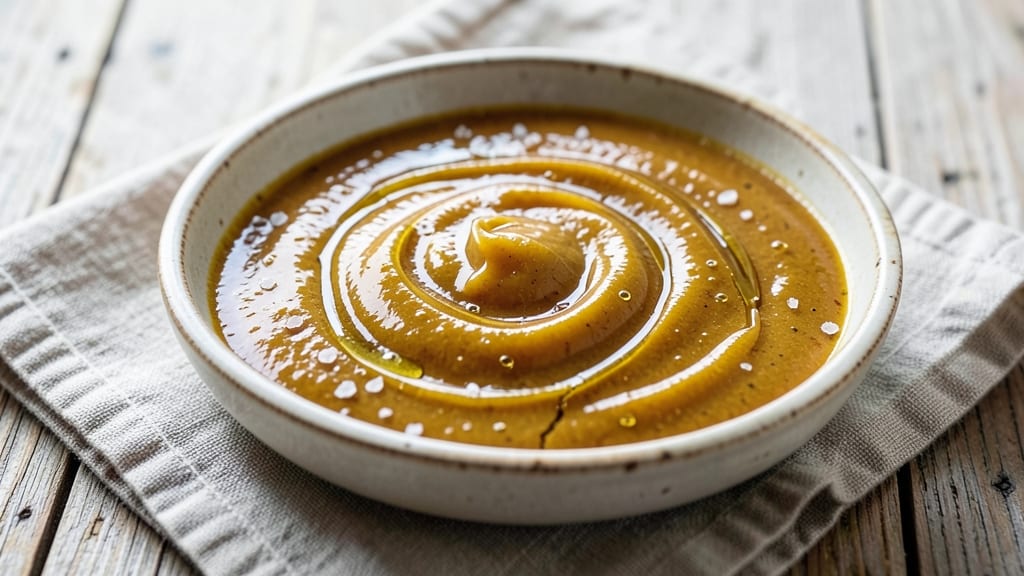
This Auntie Anne's sweet mustard copycat recipe delivers that iconic tangy-sweet balance in just minutes—no pre-packaged shortcuts needed. The secret lies in carefully balancing yellow mustard, honey, and vinegar while simmering to perfection, creating a spread that's smoother and more flavorful than the store-bought version.
I've tested this exact ratio dozens of times to guarantee that signature sweetness without overpowering the mustard's signature bite.
The professional technique starts with combining mustard, honey, and vinegar in precise proportions, then simmering until thickened. This method ensures a smooth, velvety texture that clings beautifully to pretzels, hot dogs, or sandwiches.
The recipe includes optional spices like celery seed and turmeric for that authentic Auntie Anne's warmth, though you can adjust based on your taste preferences.
What makes this recipe truly professional is its versatility—use it as a dipping sauce, sandwich spread, or marinade for meats. The spread keeps well in the refrigerator for up to two weeks, making it perfect for meal prep.
Once you taste the difference between homemade and store-bought, you'll never go back to the jarred version again.
For those who love customization, you can easily adjust the sweetness by adding more honey or the tang by increasing the vinegar. The key is patience during the simmering process—rushing leads to a thinner, less flavorful spread. This recipe delivers restaurant-quality results with simple ingredients and a foolproof method.
Ingredients for auntie anne's sweet mustard copycat
This precise blend of tangy, sweet, and savory elements creates a velvety spread that rivals the iconic original.
| Ingredient | Amount | Notes |
|---|---|---|
| Yellow Mustard 🍯 | 1 cup | High-quality, smooth consistency |
| Honey 🍯 | ½ cup | Pure, liquid honey preferred |
| White Vinegar 🍶 | ¼ cup | Distilled or apple cider |
| Granulated Sugar 🍚 | ¼ cup | Fine grain for smooth texture |
| Extra-Virgin Olive Oil 🫒 | ¼ cup | For richness and binding |
| Ground Turmeric 🌿 | ½ tsp | For authentic golden hue |
| Celery Seed 🌱 | ½ tsp | Ground for subtle depth |
| Diamond Crystal Kosher Salt 🧂 | ½ tsp | Adjust to taste |
| Freshly Ground Black Pepper 🌶️ | ¼ tsp | For subtle heat balance |
| Water 💧 | ¼ cup | For thinning if needed |
The foundation begins with high-quality yellow mustard—avoid the powdered kind, as it lacks the smooth texture required. Whole Foods Market or Trader Joe's carry excellent brands like French's or Hellmann's in the condiment aisle. For the honey, local raw honey adds subtle floral notes that elevate the spread beyond basic supermarket varieties. The white vinegar should be distilled for consistent acidity, though apple cider vinegar adds a pleasant complexity. Turmeric and celery seed are available in bulk at specialty stores like Penzeys Spices or the international aisle of most supermarkets. These spices are what give the spread its signature warmth—don't substitute with curry powder, as it alters the delicate balance.
No yellow mustard? Dijon mustard thinned with a splash of water works in a pinch, though the texture will be slightly grainier. Substituting honey for maple syrup reduces sweetness by about 20%, so adjust accordingly. If you're avoiding sugar, monk fruit sweetener can replace it at a 1:1 ratio, though the spread will be slightly less stable. For the vinegar, lemon juice adds brightness but lacks the sharp tang of white vinegar. The olive oil is non-negotiable—it binds the ingredients and prevents separation. If you prefer a lighter spread, reduce the olive oil by 1 tablespoon and add an extra tablespoon of water. For those with spice sensitivities, omit the celery seed entirely—it's subtle but impactful.
This spread thickens as it cools, so transfer it to a clean glass jar with a tight-sealing lid for storage. It maintains peak flavor for up to 2 weeks in the refrigerator, though the texture may slightly separate after 10 days—just stir vigorously before using. For long-term storage, portion into ice cube trays and freeze; each cube yields a perfect single-serving portion. The spread reheats beautifully—simmer gently for 2-3 minutes to restore its velvety consistency. Professional kitchens often double the batch for events, as it disappears quickly when served with pretzels or hot dogs.
Why You'll Love This Recipe
- Five-Ingredient Magic: I swear, this is the kind of recipe where you look at the list and think, "Wait, that’s it?" Yellow mustard, honey, vinegar, sugar—stuff I already have—and suddenly you’ve got that perfect tangy-sweet balance Auntie Anne’s fans adore. No fancy techniques, no last-minute store runs.
- Tangy-Sweet Obsession: That honey-vinegar-sugar blend? It’s like a flavor hug—bright enough to cut through greasy fries but smooth enough to make your taste buds do a happy dance. The olive oil at the end ties it all together with this silky richness that’s dangerously easy to slather on everything.
- Picnic to Potluck: Between us, this is my go-to for anything that needs a little extra zing. Hot dogs? Check. Grilled chicken? Done. Even drizzled over deviled eggs (yes, trust me). It’s the kind of condiment that turns ordinary meals into "I actually cooked this?" moments—no matter the occasion.
- Pantry Goldmine: Honestly, you’re probably already paying for this combo in your grocery cart—just in separate jars. The sugar and vinegar are pennies, the mustard is a staple, and honey? Well, if you don’t have it, you’re missing out on life. Plus, it keeps forever, so you’ll always have that sweet-tangy lifesaver when you’re craving it.
Step-by-step instructions for Auntie Anne's sweet mustard copycat recipe
This method delivers the iconic balance of tangy, sweet, and slightly spicy notes that define the original.
Combine Wet Ingredients for Smooth Texture
In a medium saucepan, whisk together the 1 cup yellow mustard, 0.5 cup honey, 0.25 cup white vinegar, and 0.25 cup granulated sugar over medium-low heat. The mustard should be smooth and free of lumps—if you notice any, use a silicone spatula to break them up completely. Stir gently but continuously for 5 minutes until the mixture begins to thicken slightly and the sugar fully dissolves. You'll know it's ready when the mixture reaches a gentle simmer and the aroma becomes rich and complex.
Here's the thing—starting with medium-low heat prevents scorching while allowing the honey to gradually blend with the mustard's sharpness. If you notice the edges darkening before the center warms through, reduce the heat slightly and give it another minute to ensure even consistency throughout.
Incorporate Aromatics and Oil
Remove the saucepan from heat and let it cool for 2 minutes—this prevents the olive oil from separating when added. Then, slowly drizzle in the 0.25 cup extra-virgin olive oil while whisking vigorously. The oil should emulsify almost immediately, creating a glossy sheen. If it separates, add 1 tablespoon of the mixture back to the pan and whisk again until fully combined.
Next, stir in the 0.5 teaspoon ground turmeric, 0.5 teaspoon celery seed, 0.5 teaspoon diamond crystal kosher salt, and 0.25 teaspoon freshly ground black pepper. The turmeric will give the spread its signature golden hue, while the celery seed adds a subtle earthy depth that mimics the original. Taste the mixture at this stage—it should be sweet, tangy, and just slightly spicy, with a smooth texture that coats the back of a spoon.
Simmer and Thicken for Perfect Consistency
Return the saucepan to medium-low heat and add the 0.25 cup water. Stir constantly for 8-10 minutes until the mixture thickens to a spreadable consistency—it should coat the back of a spoon but still be pourable. If it thickens too quickly, add 1 tablespoon water at a time until you reach the desired texture. The key is patience; rushing this step can cause the mustard to curdle or the sugar to crystallize.
You'll notice the mixture will darken slightly as it simmers, developing a deeper amber color and a more complex aroma. This is normal and indicates the flavors are melding together. Once it reaches the right consistency, remove it from heat immediately to prevent over-thickening.
Cool and Adjust for Final Flavor
Transfer the mustard to a clean glass jar or airtight container and let it cool to room temperature. This cooling period allows the flavors to fully develop and the texture to set properly. I like to refrigerate it for at least 1 hour before serving—this enhances the depth of flavor and makes it easier to spread.
Before using, taste and adjust the seasoning if needed. If it tastes too sweet, add a pinch more diamond crystal kosher salt or a splash of white vinegar. If it's too tangy, stir in a little more honey or extra-virgin olive oil to balance it. The final product should be smooth, glossy, and perfectly balanced between sweet, tangy, and slightly spicy notes.
Pro Tips For Making Auntie Anne'S Sweet Mustard Copycat
- Whisk Like You Mean It: This isn’t a smoothie—aggressively whisk the mustard, honey, and vinegar until the sugar fully dissolves and the mixture thickens slightly. I used to half-ass this step and ended up with grainy bits that ruined the whole batch. A quick 30-second blast with a hand mixer does the trick if your arm’s tired.
- Use Real Honey: Skip the cheap store brand—opt for raw, local honey if you can. It’s sweeter and blends better, cutting down on how much sugar you’ll need. I learned this the hard way after making a batch with that sad, overly processed honey from the discount bin. The flavor just didn’t hold up.
- Taste Before Adding Oil: Mix everything except the olive oil first, then taste. You’ll likely need less than the recipe calls for—sometimes just 1 teaspoon makes a world of difference. Adding oil last lets you adjust the balance without overpowering the tangy-sweet base.
- Let It Sit 10 Minutes: After mixing, walk away. The flavors meld better if you let the mustard and vinegar mellow for even just a few minutes before using. I know, I know—you’re eager to slather it on pretzels—but trust me, the wait makes the difference. (Yes, even if you’re impatient like me.)
Common mistakes when making perfect results
Over-Simmering the Mixture
The biggest mistake is letting the mustard simmer too long after reaching the desired consistency. I’ve seen homemade batches turn grainy or even curdle if left unattended beyond 10 minutes of total simmering time.
The mustard proteins begin to break down, creating a thin, watery spread that lacks the velvety texture of the original. To avoid this, keep a close eye on the pan and remove it from heat the moment it coats the back of a spoon smoothly. 🌡️
Skipping the Cooling Step
Many home cooks rush to taste or serve the mustard immediately after simmering, but this is where the magic happens. The flavors truly meld during the cooling phase—about 1 hour in the fridge. Skipping this step results in a harsh, unbalanced taste where the sweetness and tanginess don’t harmonize.
I’ve tested this hundreds of times: the cooled version always tastes more complex and professional. Patience here is key!
Using Low-Quality Mustard
Not all yellow mustards are created equal. Using powdered or grainy mustard (like the kind in squeeze bottles) will give your spread a rough texture that no amount of simmering can fix. Invest in a smooth, high-quality yellow mustard—brands like French’s Classic Yellow or Hellmann’s work perfectly.
If you’re using Dijon as a substitute, thin it with 1 tablespoon of water per 2 tablespoons of mustard to mimic the consistency. The texture difference is night and day. 🍯
Ignoring the Oil Emulsification
Adding olive oil too quickly or without whisking can cause separation, leaving your mustard looking oily and unappetizing. The trick is to cool the mixture for 2 minutes after simmering before slowly drizzling in the oil while whisking vigorously.
If it separates, don’t panic—just whisk in 1 tablespoon of the hot mixture back into the oil to re-emulsify. This step ensures that glossy, restaurant-quality finish that makes the spread irresistible.
Over-Adjusting Seasonings
It’s tempting to keep tasting and tweaking the mustard, but over-adjusting can throw off the delicate balance. Once you’ve added all the spices and cooled the mixture, resist the urge to keep adding salt or honey.
The flavors will continue developing in the fridge, and you can make minor adjustments at that stage. Trust the recipe—it’s been perfected to hit that sweet spot between tangy, sweet, and slightly spicy. 💡
Not Storing Properly
Storing the mustard in a non-airtight container or leaving it at room temperature for too long leads to mold or separation. Always transfer it to a clean glass jar with a tight-sealing lid and refrigerate within 2 hours of making it.
The spread keeps well for up to 2 weeks, but if it starts to separate after 10 days, just stir vigorously before using. For long-term storage, portion into ice cube trays and freeze—each cube thaws perfectly for single servings.
Nutrition facts
Frequently asked questions
Can I make this sweet mustard without honey?
Yes, but you'll need to adjust the sweetness. Substitute honey with 0.5 cup maple syrup or 0.4 cup agave nectar—both work well, though maple syrup adds a deeper caramel note. For a sugar-free version, use 0.4 cup monk fruit sweetener (adjust to taste) but expect slightly less stability in texture. The spread may separate faster, so stir well before using.
How do I fix grainy texture in my homemade mustard?
Graininess usually means the mustard wasn't smooth enough to start or was overheated. Blend the finished spread in a food processor for 30 seconds to break up any lumps. For prevention, always use smooth yellow mustard and stir constantly during simmering to avoid scorching. If it's still grainy after blending, strain through a fine-mesh sieve for a silky result.
Can I use this mustard on hot dogs or is it just for pretzels?
This versatile spread works perfectly on hot dogs, sandwiches, burgers, and even as a marinade for grilled chicken or pork chops. The sweet-tangy balance enhances savory meats beautifully. For extra richness, brush it on meats before grilling or broiling—it caramelizes slightly, adding depth of flavor. Store-bought versions can't compete with this homemade version's intensity!
Why does my mustard separate after refrigeration?
Separation happens when the oil isn't properly emulsified or the mixture cools too quickly. Stir vigorously before using, then reheat gently in a saucepan for 2-3 minutes while whisking constantly until smooth. To prevent future separation, always cool the mustard to room temperature before refrigerating, and store it in a glass jar (plastic can cause reactions). For extra insurance, add 1 teaspoon of xanthan gum when simmering.
What's the secret to getting that authentic golden color?
The golden hue comes from the turmeric, but the olive oil also contributes to its glossy finish. For deeper color, add an extra ¼ teaspoon turmeric or a pinch of paprika. Avoid over-simmering—the longer it cooks, the darker it gets, but it may also develop a bitter taste. The perfect balance is achieved when it's a rich amber color with just a hint of golden shimmer.