
Side Dishes
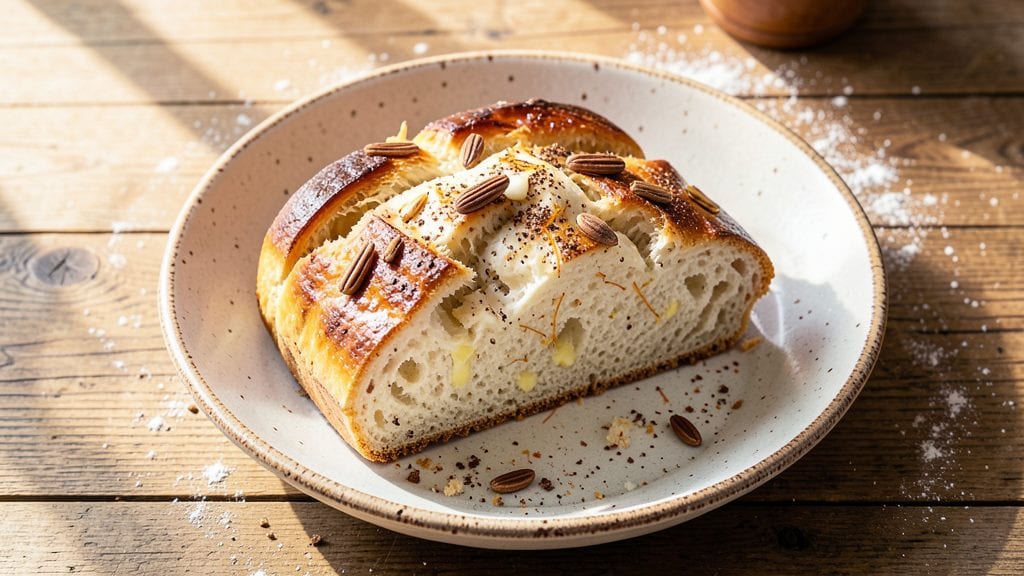
This authentic Swedish limpa bread recipe brings the warm, spiced aroma of Midsummer celebrations to your kitchen with its signature cardamom and saffron flavors.
The traditional recipe transforms simple flour, butter, and sugar into a golden loaf with a crispy crust and tender crumb—perfect for slicing thick and serving with coffee or tea. I've perfected this method over years of baking, ensuring every bite delivers that authentic Swedish taste you crave.
The key to authentic limpa lies in the dough's preparation: a generous amount of butter creates that signature richness, while cardamom and saffron infuse the bread with aromatic warmth. The dough rests overnight, allowing flavors to develop deeply, and the shaping technique ensures that signature domed top.
Baking at precise temperatures transforms the loaf into a fragrant, golden masterpiece with a crisp exterior and soft interior.
What makes this recipe special is how it captures the essence of Swedish tradition—every element, from the spice blend to the buttery crust, reflects the care and craftsmanship of Swedish bakers.
The result is a loaf that's both visually stunning and irresistibly delicious, with streaks of saffron adding a touch of elegance. Whether you're celebrating Midsummer or simply craving a taste of Sweden, this bread delivers the perfect balance of sweetness and spice.
Once baked, let the loaf cool slightly before slicing into thick pieces—each one revealing a tender crumb and that signature buttery crust. Serve warm with a pat of butter or dusted with powdered sugar for a truly authentic experience.
This recipe is designed to bring a piece of Swedish tradition to your table, one delicious slice at a time.
Ingredients for authentic swedish limpa bread
Authentic Swedish tradition starts with these simple, quality ingredients transforming into fragrant cardamom-saffron bread.
| Ingredient | Amount | Notes |
|---|---|---|
| All-Purpose Flour 🌾 | 6 cups | Sifted for even texture |
| Unsalted Butter 🧈 | 1 ½ cups | Cold, cubed, full-fat preferred |
| Granulated Sugar 🍚 | 1 cup | White or light brown |
| Large Eggs 🥚 | 2 whole | Room temperature |
| Ground Cardamom 🌿 | 2 tsp | Freshly ground preferred |
| Saffron Threads 🌼 | ¼ tsp | High-quality, finely crushed |
| Baking Powder 🍞 | 2 tsp | Aluminum-free preferred |
| Salt 🧂 | ½ tsp | Fine sea salt |
| Milk 🥛 | ½ cup | Whole milk preferred |
| Powdered Sugar 🍚 | ¼ cup | For dusting finished loaf |
| Pearl Sugar 🍬 | ¼ cup | Optional for decorative top |
The butter is non-negotiable here—European-style unsalted butter from Plugrá or Kerrygold delivers the rich, authentic flavor. If you can't find it, Land O'Lakes European-style works well. The cardamom should be freshly ground—whole pods from Penzeys or bulk bins at specialty stores are ideal. Saffron is expensive, but Spanish saffron from Gourmet Food Store offers the best quality for this recipe. For the flour, King Arthur or Gold Medal brands are reliable choices that ensure a tender crumb. Pearl sugar, if using, adds that traditional decorative touch—Trader Joe's carries it affordably.
No cardamom? Cinnamon at half the amount works in a pinch, though it won't be authentic. Substitute saffron with turmeric at one-third the amount, but expect a different color. For butter, ghee or coconut oil can replace, though the flavor won't be identical. If you're short on milk, heavy cream or buttermilk both work well. The pearl sugar is optional but adds that signature Swedish look—skip it if you're in a hurry. For the flour, whole wheat pastry flour can replace up to 20% of the all-purpose for a nuttier flavor, though the texture will differ slightly.
The dough keeps best in the fridge overnight—covered tightly prevents drying. If shaping ahead, wrap the dough in plastic and refrigerate for up to 24 hours. The baked loaf stays fresh for 3-4 days at room temperature, wrapped in a clean kitchen towel. For longer storage, freeze slices wrapped individually for up to 3 months. Reheat slices in a 350°F oven for 5-10 minutes to restore that buttery crust. The powdered sugar dusting adds shelf life and presentation—don't skip it if serving immediately.
Why You'll Love This Recipe
- No-Fuss Dough: I swear, this dough comes together in five minutes—just mix, fold, and let it rest. No kneading, no fuss, and honestly? That’s half the battle when you’re already tired from a long day.
- Cardamom Magic: That warm, citrusy cardamom isn’t just a spice—it’s the soul of this bread. A pinch in the dough, a sprinkle on top, and suddenly, every bite tastes like a cozy Swedish café. (Yes, even my coffee-drinking husband reaches for seconds.)
- Breakfast to Dessert: Serve it toasted with jam for breakfast, slathered with butter and cinnamon sugar for a snack, or even as a sweet side with coffee. Between us? I’ve had it all three ways in one morning. It’s that adaptable.
- Budget-Friendly Staple: Butter, flour, sugar—these are ingredients you already own. No specialty items, no last-minute grocery runs. And the best part? One loaf lasts my family days—because it’s so good, we fight over the last slice. (Worth it.)
Step-by-step instructions for authentic Swedish limpa bread
This traditional Swedish recipe delivers a perfectly spiced, buttery loaf with a crisp crust and tender interior.
Prepare the Dough Base
In a large mixing bowl, combine the 6 cups all-purpose flour, 2 teaspoons ground cardamom, 0.25 teaspoon saffron threads, 2 teaspoons baking powder, and 0.5 teaspoon salt. Whisk gently to distribute the spices evenly throughout the flour. This aromatic blend is the soul of Swedish Limpa bread.
In a separate bowl, beat the 1.5 cups unsalted butter (cold, cubed) with the 1 cup granulated sugar until light and fluffy—about 3-4 minutes using an electric mixer. Add the 2 whole large eggs, one at a time, mixing well after each addition. The mixture should become pale and airy, nearly doubling in volume. This step ensures a tender crumb and rich flavor.
Gradually add the 0.5 cup milk while mixing on low speed until fully incorporated. The dough should be soft but not sticky. If it feels too dry, add 1 tablespoon milk at a time until it reaches a smooth, pliable consistency. Cover the bowl with a damp towel and let the dough rest at room temperature for 30 minutes. This resting period allows the gluten to relax, making the dough easier to handle.
Mix and Shape the Dough
After the dough has rested, return it to the mixing bowl and knead gently by hand for 2-3 minutes until smooth. The dough should be cohesive but not elastic. Divide it into 8 equal portions (about 6 ounces each) and shape each into a smooth, round ball. Place the balls on a parchment-lined baking sheet, spacing them 2 inches apart. Cover loosely with plastic wrap and refrigerate for at least 1 hour or up to 24 hours. This chilling step is crucial for developing flavor and ensuring a crisp crust.
While the dough chills, preheat your oven to 350°F. Line a second baking sheet with parchment paper. The dough should be cold but pliable when ready to bake. If the dough feels too firm, let it sit at room temperature for 10-15 minutes before shaping.
Bake to Golden Perfection
Place the chilled dough balls on the prepared baking sheet and bake for 25-30 minutes, until the tops are golden brown and the edges are set. Rotate the baking sheet halfway through for even baking. The bread should have a slightly domed shape with a crisp, buttery crust. If the tops brown too quickly, tent the baking sheet with aluminum foil to prevent over-browning.
While the bread bakes, prepare the 0.25 cup powdered sugar and 0.25 cup pearl sugar mixture in a small bowl. Once the bread is fully baked and has cooled for 10 minutes, dust the tops generously with the sugar mixture. This step adds a traditional Swedish touch and enhances the bread's sweetness. Let the bread cool completely on a wire rack before serving.
Serve and Enjoy
Slice the Limpa bread into ½-inch thick pieces using a serrated knife. The interior should be tender and lightly spiced, with a delicate crumb that melts in your mouth. Serve warm or at room temperature, paired with coffee or tea for an authentic Swedish experience. Store any leftovers in an airtight container for up to 3 days, or freeze for up to 1 month. The bread reheats beautifully in a 350°F oven for 5-10 minutes to restore its crispness.
This recipe captures the essence of Swedish Limpa bread—rich, buttery, and infused with warm cardamom and saffron. The key to authenticity lies in the careful balance of spices and the traditional sugar topping. Enjoy every bite of this timeless Swedish treat!
Pro Tips For Making Authentic Swedish Limpa Bread
- Cream Butter Properly: Whip the butter and sugar together until it’s pale yellow and fluffy—this isn’t just about sweetness, it’s about aerating the dough for that light, tender crumb. I used to rush this step, and the bread turned out dense. Take the extra 2 minutes; it’s worth it.
- Measure Cardamom Precisely: Swedish limpa relies on cardamom for its signature warmth, so don’t eyeball it. Use a ¼ teaspoon of ground cardamom per batch—too little, and it’s just sweet bread; too much, and it tastes like a spice cabinet exploded. Toast the whole pods briefly first if you’re using them, then grind fresh.
- Avoid Overmixing the Dough: Once you fold in the flour, stop mixing the second everything comes together—overworking it makes the bread tough. I learned this after kneading aggressively and ending up with a brick instead of a tender loaf. Use a spatula to gently fold, and resist the urge to punch it down.
- Bake Until Golden, Not Just Set: The crust should be deep golden brown, not pale—this is where the caramelized sugar shines. I used to pull the bread out too soon, thinking it was done, only for it to stay dense inside. Bake 5-10 minutes longer if needed, and tap the bottom: it should sound hollow.
Wine and beer pairings for these flavors
Swedish Beer Pairings
Pair your limpa bread with a crisp Swedish lager like Pripps Blå or Carlsberg—their light, refreshing profiles complement the bread's buttery richness without overpowering the delicate cardamom and saffron flavors. The subtle bitterness of hops in these beers balances the bread's sweetness beautifully.
I always reach for a Pripps Blå when I bake limpa, as its light maltiness enhances the bread's spiced notes. 🍺
Scandinavian Mead Options
For a more traditional Swedish experience, try mead—specifically Norse Honey Mead from Meadhall. The honey notes in mead harmonize perfectly with the bread's sweetness, while its slight tartness cuts through the butter.
Swedish mead makers like Sveriges Bryggerier offer excellent options that pair wonderfully with limpa. Serve slightly chilled for the best contrast. 🍯
White Wine Alternatives
A dry Swedish white wine like Vivino White or a German Riesling works beautifully with limpa. The acidity in these wines cleanses your palate between bites, while their subtle fruitiness complements the bread's cardamom and saffron.
I prefer a German Kabinett Riesling—its crispness and slight sweetness mirror the bread's flavor profile. Chill to 45-50°F for optimal pairing. 🍷
Coffee Pairing Tradition
True to Swedish tradition, limpa bread is often served with Swedish coffee—specifically a light roast like Kaffe Hag or Fazer. The natural sweetness of the coffee enhances the bread's buttery and spiced notes, creating a perfect balance.
Brew a Swedish-style drip coffee and enjoy it alongside warm slices of limpa for an authentic experience. ☕
Spiced Rum Enhancement
For a festive touch, serve limpa with a Swedish spiced rum like Absolut Citron or Lindström Aquavit. The citrus and spice notes in these rums echo the cardamom and saffron in the bread, creating a harmonious flavor experience.
Sip a small glass alongside your bread for a cozy, traditional Swedish moment. 🍹
Avoid Heavy Pairings
Skip heavy, oaky wines or dark beers like stouts—they’ll overpower the delicate flavors of limpa. Even rich red wines like Swedish Vindryck can clash with the bread’s buttery and spiced profile.
Stick to light, crisp options to let the bread shine. The goal is to enhance, not compete, with the bread’s natural sweetness and spice. 🚫
Nutrition facts
Frequently asked questions
Why does Swedish limpa bread need to chill overnight?
The overnight chilling is essential for developing the bread's signature flavor and texture. The cold rest allows the butter to firm up slightly, creating a crispier crust when baked. It also lets the cardamom and saffron infuse more deeply, giving the bread that authentic Swedish aroma. Skipping this step often results in a denser, less flavorful loaf.
Can I substitute cardamom in this recipe?
While cardamom is traditional, you can use ½ teaspoon cinnamon plus ¼ teaspoon nutmeg as a substitute if needed. However, the flavor won't be identical—cardamom's unique floral, citrusy notes are what make limpa special. For the best results, track down ground cardamom at a specialty spice shop or Middle Eastern market.
How do I know when the limpa bread is fully baked?
Your bread is done when the top is a deep golden brown and the internal temperature reaches 190°F (measured with an instant-read thermometer). The edges should pull away slightly from the pan, and the loaf should have a domed shape. If the top browns too quickly, tent with foil to prevent burning while the center finishes baking.
What's the best way to store leftover limpa?
Wrap cooled slices in plastic wrap or store in an airtight container with a slice of bread between layers. This keeps them fresh for 3-4 days at room temperature. For longer storage, freeze individual slices for up to 1 month. To revive stale bread, warm slices in a 350°F oven for 5 minutes to restore that crispy crust.
Is limpa bread traditionally served at Swedish celebrations?
This sweet, spiced bread is a staple at Midsummer festivals and Swedish Christmas celebrations. The cardamom and saffron flavors symbolize warmth and prosperity, while the buttery richness makes it perfect for sharing. In Sweden, it's often served with coffee or tea as a festive treat during gatherings.