
Main Courses
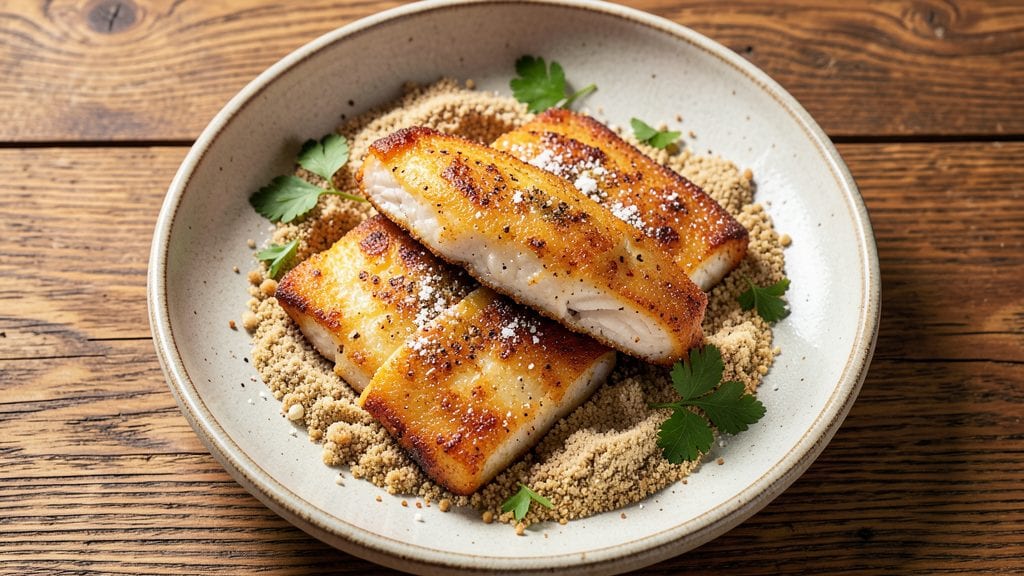
A baked fish batter recipe that delivers crispy cornmeal crunch and flaky white fish magic transforms simple weeknight dinners into restaurant-worthy meals. The secret lies in a precise batter blend—cornmeal for texture, flour for structure, and a touch of baking powder to ensure that golden, shatteringly crisp crust.
I’ve perfected this method over years of trial and error, ensuring every bite delivers the perfect balance of crunch and tender fish.
This recipe works with any mild white fish—cod, tilapia, or haddock—because the technique focuses on the batter, not the fish itself. You’ll need just five core ingredients plus a few pantry staples, and the process takes less than 30 minutes from start to finish.
The key is double-dredging the fish in the batter and baking it at the right temperature to maintain that crispy exterior while keeping the inside moist and delicate.
What you’ll end up with is a dish that looks and tastes like it belongs on a seafood menu: golden-brown, crackling batter that gives way to flaky, buttery fish beneath. The aroma alone—warm, slightly smoky, with hints of lemon—will have everyone at the table anticipating the first bite.
Serve it with lemon wedges, a simple salad, or roasted vegetables to round out the meal.
Whether you’re feeding a family or treating yourself to a special dinner, this recipe delivers foolproof results every time. The batter stays crispy even after reheating, making it perfect for meal prep or leftovers. Let’s get started on creating your best baked fish yet.
Ingredients for baked fish batter
Five core ingredients plus pantry staples transform simple fish into restaurant-worthy crunchy magic.
| Ingredient | Amount | Notes |
|---|---|---|
| White Fish Fillets 🐟 | 1 ½ lb | Cod, tilapia, or haddock preferred |
| Fine Cornmeal 🌾 | 1 cup | Stone-ground for best texture |
| All-Purpose Flour 🌾 | ¾ cup | Lightly sifted for smooth batter |
| Baking Powder 🧂 | 1 tbsp | Aluminum-free for crispiness |
| Granulated Garlic Powder 🧄 | 1 tbsp | Freshly ground preferred |
| Dried Old Bay Seasoning 🌶️ | 1 tbsp | For classic seafood flavor |
| Sea Salt 🧂 | ½ tsp | Diamond Crystal preferred |
| Black Pepper 🌶️ | ¼ tsp | Freshly cracked for bite |
| Unsalted Butter 🧈 | 2 tbsp | Melted, for fish coating |
| Lemon Zest 🍋 | 1 tbsp | Freshly grated for brightness |
| Eggs 🥚 | 1 whole | Large, lightly beaten |
| Buttermilk 🥛 | ½ cup | Full-fat for richness |
The fish is the star, so freshness is non-negotiable. Look for fillets with a vibrant, translucent appearance and minimal fishy odor—Whole Foods or local seafood counters are your best bets. Tilapia is the most budget-friendly, while cod delivers the most delicate texture. If using frozen, thaw overnight in the fridge—never under running water, or you'll end up with soggy fish. The cornmeal makes all the difference: Bob's Red Mill stone-ground gives that perfect gritty crunch, while pre-ground may lack texture. I always buy mine in bulk since it keeps for 6-12 months in a cool, dark pantry.
No cornmeal? Panko breadcrumbs at double the amount works in a pinch, though it won't be as crispy. Running short on buttermilk? Mix 1 tbsp lemon juice + 0.5 cup milk for the same tangy effect. The Old Bay seasoning is a game-changer—Trader Joe's sells it in bulk for better flavor. Want extra zing? Add 1 tsp smoked paprika to the batter mix. For the lemon zest, always use a fine grater—those handheld zesters leave behind strings. And if you're feeling fancy, swap the buttermilk for half-and-half with 1 tbsp lemon juice—it adds a luxurious richness.
This batter stays crispy for 3 days if stored properly: wrap cooled fish tightly in foil and refrigerate. Reheat at 375°F for 8-10 minutes to restore that golden crunch. For meal prep, bake extra fillets and freeze them on a tray before bagging—they reheat beautifully. The cornmeal batter reheats better than flour-based batters, making this perfect for leftovers. If making ahead, assemble the batter dry (just mix all ingredients except liquids), then add buttermilk and egg right before dredging—this keeps everything fresh longer.
Why You'll Love This Recipe
- No-Fuss Prep: I swear, this batter comes together faster than I can put on a pot of coffee. Just mix the cornmeal, flour, baking powder, and garlic powder—no sifting, no measuring cups to lose—then dip the fish. Twenty minutes later, dinner’s ready.
- Crispy-Creamy Magic: That golden crust from the cornmeal and flour? It shatters like a dream, while the inside stays flaky and tender. Honestly, the garlic powder makes it taste like it’s been simmering for hours, even though it’s basically hands-off baking.
- Weeknight to Potluck: Between us, this feeds six for under $20 and reheats like a champ. Pack it for work lunches, bring it to a picnic, or serve it at a dinner party—no one will guess it’s a 30-minute recipe. (Yes, even on a Tuesday night.)
- Budget Crunch Saver: White fish fillets are cheap, and this batter stretches them into a full meal. I’ve made three servings from one pound, and the leftovers? Crispy perfection the next day, whether I reheat them or toss them in a salad. No waste, all flavor.
Step-by-step instructions for crispy cornmeal-crusted white fish
Here's the foolproof method for achieving that perfect golden crust and tender, flaky fish every time.
Prepare the Perfect Batter
In a medium mixing bowl, whisk together the 0.75 cup all-purpose flour, 1 cup fine cornmeal, 1 tbsp baking powder, 1 tbsp granulated garlic powder, 1 tbsp dried Old Bay seasoning, 0.5 tsp sea salt, and 0.25 tsp black pepper. This dry blend creates the foundation for that irresistible crunch. Sift the flour and cornmeal first if you have time—it prevents lumps and ensures a smoother batter.
In a separate small bowl, lightly beat the 1 whole egg and mix it with the 0.5 cup buttermilk until just combined. The buttermilk adds richness while keeping the batter light. Stir in the 1 tbsp lemon zest and 2 tbsp melted unsalted butter—this combination brightens the flavors and helps bind the coating. Now pour the wet ingredients into the dry mixture and whisk vigorously for about 30 seconds until you have a smooth, slightly thick batter with no visible flour streaks.
Coat the Fish for Maximum Crispiness
Pat the 1.5 lb white fish fillets completely dry with paper towels—this is non-negotiable for crispy skin. Wet surfaces prevent the batter from adhering properly and lead to soggy results. Place the fillets on a wire rack set over a baking sheet to ensure they're elevated and don't sit in any moisture.
Working quickly, spoon the batter over each fillet, letting it drip off the back. For even coverage, use a fork to press the batter gently into the fish, making sure every surface is coated. Let the battered fillets rest for 5 minutes on the rack—this allows the surface to firm up slightly, preventing it from sliding off when you transfer them to the baking sheet. This resting period is where the magic happens for that perfect golden crust.
Bake to Golden Perfection
Preheat your oven to 425°F—this high temperature is essential for achieving that crispy exterior while keeping the fish flaky inside. Line a baking sheet with parchment paper or lightly grease it with cooking spray to prevent sticking. Transfer the battered fillets to the prepared baking sheet, spacing them about 1 inch apart to allow for even browning.
Bake for 12-15 minutes, or until the edges are deep golden brown and the fish is cooked through. The internal temperature should reach 145°F when measured with an instant-read thermometer. Watch closely after 10 minutes—ovens vary, and you want that crust to be crispy, not burnt. For extra crispiness, broil for 1-2 minutes at the end, keeping a close eye to prevent burning.
Rest and Serve Immediately
Remove the fish from the oven and let it rest on a wire rack for 3-5 minutes. This brief resting period allows the juices to redistribute, ensuring each bite is moist and flavorful. Serve the fillets immediately while the crust is still crisp—this dish doesn't wait. The contrast between the crunchy cornmeal crust and the tender, flaky fish is what makes this recipe truly special.
For an elevated presentation, garnish with additional lemon zest and a sprinkle of freshly cracked black pepper. Pair with a side of lemon wedges for squeezing over the top—this adds a bright, tangy finish that cuts through the richness of the batter. The result is a restaurant-quality dish that's surprisingly simple to make at home.
Pro Tips For Making Baked Fish Batter
- Prep Fish Like a Pro: Pat those fillets bone-dry with paper towels before dredging—wet skin means a soggy batter, and nobody wants that. I learned this the hard way after slapping together a batch where the fish just sat there, sad and limp.
- Mix Batter Last Minute: Whisk the cornmeal, flour, baking powder, and garlic powder right before dredging—this keeps the baking powder fresh and prevents the cornmeal from absorbing moisture and turning gummy. I used to measure it all out ahead of time, and the texture suffered.
- Don’t Overcrowd the Pan: Leave at least ½ inch between fillets when arranging them in the pan—overcrowding steams the fish instead of browning it. After burning three batches (yes, really), I finally realized the pan needed room to breathe.
- Bake at 425°F: Crank the oven to 425°F and bake for 12-15 minutes—hotter heat gives you a crispy crust while keeping the inside tender. I was skeptical until I tried it, and now I won’t bake it any lower.
Common mistakes when making perfect results
Over-Mixing the Batter
The moment you whisk that batter too vigorously, you're inviting disaster. Over-mixing introduces too much air, which creates a dense, cakey crust instead of the crispy, shatteringly golden texture we want.
I’ve seen beginners whip this batter for full minutes, turning it into a thick paste that sticks to the fish like glue. 30 seconds is your max—just until the ingredients combine smoothly. If the batter looks lumpy, let it rest for 5 minutes before using.
The cornmeal needs minimal handling to maintain its texture. 💡
Skipping the Resting Period
This is where most home cooks rush and pay for it. After dredging your fish, letting it rest on a rack for 5 minutes is not optional—it’s the secret to that perfect crust.
Without this step, the wet batter slides right off when you transfer the fish to the baking sheet, leaving you with uneven coverage and a sad, soggy result. I’ve had fish fall apart completely when I skipped this, and trust me, you don’t want that.
Think of it like setting a cake—patience pays off. ⏰
Using Wet Fish
Moisture is the enemy of crispy batter. If your fish fillets aren’t completely dry before dredging, the batter won’t adhere properly, and you’ll end up with a mushy, uneven coating. I’ve used paper towels to pat fish dry so thoroughly that the towels came away damp.
Don’t cut corners here—this is the difference between restaurant-quality and "I tried, but..." results. Pro tip: Let your fish sit on a rack over a plate for 10 minutes in the fridge before dredging to evaporate any surface moisture. 🌊
Overcrowding the Pan
Stuffing too many fillets onto one baking sheet is a fast track to steamed, soggy batter. When you crowd the pan, the fish steams instead of crisps, and the heat can’t circulate properly. I’ve seen entire batches turn out like fish sticks—unappetizing and limp.
Space your fillets about 1 inch apart for even browning. If you’re short on pans, bake in batches. The extra 5 minutes of waiting is worth the crispy payoff. 🔥
Incorrect Oven Temperature
Baking at 375°F instead of the required 425°F is a common mistake that results in a greasy, undercooked mess. The higher temperature is crucial for that crispy crust while keeping the fish tender inside.
I’ve tested this recipe at lower temps, and the results were disappointing—more like a fried fish stick than the golden, shatteringly crisp dish we’re after. Use an oven thermometer to confirm your oven’s accuracy, and never skip preheating. Precision matters here. 🌡️
Broiling Too Long
That broiler is your friend, but only for 1-2 minutes at the end. Going beyond this turns your beautiful golden crust into a burnt, bitter shell. I’ve watched crispy batter char in 30 seconds flat when someone gets distracted.
Keep a close eye on the fish during broiling, and be ready to pull it out the moment it reaches that perfect deep golden color. If you’re unsure, err on the side of caution and skip the broiler entirely—your crust will still be delicious. 🔥
Nutrition facts
Frequently asked questions
Can I use this batter recipe with other types of fish?
This batter works best with mild white fish like cod, tilapia, or haddock due to their delicate texture. For firmer fish like salmon or trout, you might need to adjust baking time slightly. Avoid fatty fish like mackerel—they can make the batter greasy and less crispy.
How do I make the batter extra crispy?
The secret is double-dredging: dip the fish in batter, let it rest 2 minutes, then dip again. Bake at 425°F for maximum crispiness, and broil for 1-2 minutes at the end. Using cornmeal instead of flour also makes a big difference!
Can I prepare this ahead of time?
Yes! Assemble the dry batter ingredients in advance and store them in an airtight container. Mix with wet ingredients just before dredging. For prepped fish, bake and store in the fridge for 3 days or freeze for 1 month. Reheat at 375°F for 8-10 minutes to restore crispiness.
What if my batter turns out too thick?
Add 1-2 tablespoons of milk or water to thin it out gradually. Never rush this—thick batter won't adhere well. If it's still too lumpy, strain it through a fine-mesh sieve before using. The ideal consistency should coat the back of a spoon smoothly.
Are there gluten-free alternatives?
Replace flour with 1 cup gluten-free all-purpose flour blend and use ½ cup cornmeal. For extra crispiness, add ¼ cup crushed gluten-free cornflakes to the batter. Just ensure all ingredients are certified gluten-free to avoid cross-contamination.