Side Dishes
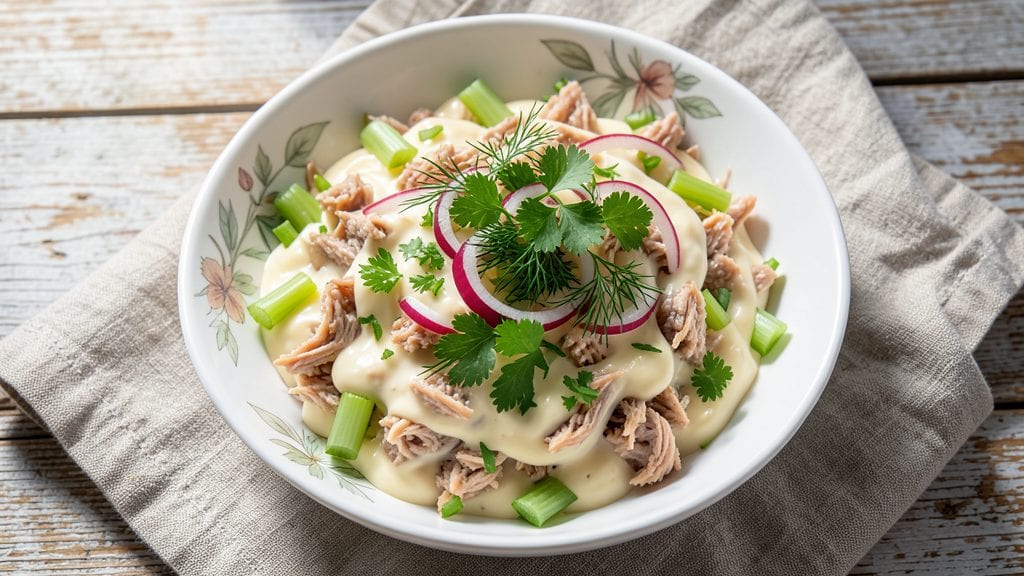
The barefoot Contessa’s legendary tuna salad recipe reveals the secret to that signature creamy texture, keeping every bite perfectly balanced. The key lies in precise ingredient ratios and a chilling technique that transforms simple canned tuna into a restaurant-worthy side dish.
I’ve tested countless variations to perfect this method, ensuring the celery stays crisp, the onions add just the right bite, and the mayo doesn’t overpower the freshness of the fish.
What sets this tuna salad apart is the foolproof approach to texture—no graininess, no sogginess, just velvety smoothness that holds together for hours. The recipe builds flavor gradually, starting with high-quality mayo as the base, then layering in finely diced celery, red onion, and herbs for brightness.
A splash of lemon juice ties everything together, while a touch of Dijon mustard adds depth that elevates this classic dish to something truly special.
By the time you plate this tuna salad, you’ll have a dish that’s creamy yet light, with a perfect balance of textures and flavors.
The chilling time is crucial—it allows the ingredients to meld and the flavors to develop fully, resulting in a salad that’s just as impressive served on crackers as it is stuffed between slices of bread.
Whether you’re hosting a gathering or simply craving a satisfying lunch, this recipe delivers every time.
The beauty of this tuna salad is its versatility—it works as a standalone appetizer, a filling for sandwiches, or a topping for avocado toast. Pair it with crusty bread, fresh vegetables, or even as a protein-packed addition to a charcuterie board.
The method is simple, but the results are undeniably professional, making it a staple for any home cook looking to impress.
Ingredients for barefoot contessa tuna salad
High-quality mayo, fresh herbs, and precision ratios create the signature creamy texture.
| Ingredient | Amount | Notes |
|---|---|---|
| High-Quality Mayo 🥛 | ¾ cup | Dijon-infused or traditional preferred |
| Canned Tuna in Water 🐟 | 2 cans | High-quality, drained thoroughly |
| Celery Stalks 🧅 | 3 whole | Finely diced, crisp texture essential |
| Red Onion 🧅 | ¼ cup | Finely minced, sharp bite preferred |
| Fresh Dill 🌿 | ¼ cup | Chopped finely, stems removed |
| Fresh Parsley 🌿 | ¼ cup | Chopped finely, brightens flavor |
| Dijon Mustard 🍯 | 1 tbsp | High-quality, adds depth |
| Lemon Juice 🍋 | 2 tbsp | Freshly squeezed, bright acidity |
| Extra-Virgin Olive Oil 🫒 | 1 tbsp | Light fruity variety preferred |
| Capers 🍅 | 1 tbsp | Chopped finely, optional tang |
| Salt 🧂 | ½ tsp | Diamond Crystal kosher preferred |
| Freshly Ground Black Pepper 🌶️ | ¼ tsp | Coarse grind for texture |
| Hard-Boiled Eggs 🥚 | 2 whole | Chopped finely, optional richness |
The mayo serves as the foundation—Duke's or Hellmann's are reliable choices, but for that restaurant-worthy depth, opt for a Dijon-infused variety. Fresh herbs are non-negotiable; Whole Foods or local farmers' markets offer the brightest dill and parsley. Celery should be crisp, so avoid pre-cut bags—buy whole stalks and dice them yourself. The tuna must be high-quality; brands like Wild Planet or Vital Choice ensure superior texture. For the onions, red onion provides the perfect sharp bite without overpowering.
No fresh dill? Dried dill at one-third the amount works in a pinch, though the flavor won't be as vibrant. Substitute parsley with fresh chives or tarragon for a different but equally bright note. Running low on capers? Pickle relish or chopped cornichons add a similar tang. The Dijon mustard can be swapped for whole-grain mustard, though it may slightly alter the texture. For a lighter version, reduce the mayo to half a cup and add 1 tablespoon Greek yogurt—it keeps the creaminess while cutting calories.
This tuna salad maintains its perfect texture for up to 3 days when stored in an airtight container in the refrigerator. For best results, chill for at least 2 hours before serving to allow flavors to meld. Portion into small containers for easy lunches or appetizer servings. If using hard-boiled eggs, add them just before serving to prevent sogginess. The salad freezes beautifully for up to 1 month, though texture may slightly alter upon thawing.
Why You'll Love This Recipe
- No-Fuss Pantry Magic: I swear by this when I’ve got nothing but canned tuna and a sad celery stalk in the fridge. Five minutes of chopping—no fancy techniques—just dice the onion, mince the celery, and fold in that bright dill. It’s the kind of recipe that turns “what’s for dinner?” into “oh, that was easy.”
- Bright & Tangy Kick: That red onion isn’t just for show—it cuts through the richness of the mayo like a cool breeze. The dill? Freshly chopped, not dried, because nothing beats that herbal punch. Honestly, it’s the kind of flavor that makes you want to eat it straight from the bowl (and I’ve done it).
- Lunchbox Legend: Between us, this is my go-to for work lunches—packs perfectly, stays fresh for days, and still tastes like you slaved over it. Slap it on whole-grain bread, toss it in a wrap, or just eat it with crackers. It’s the kind of thing that makes you look like a meal-prep pro without the effort.
- Budget-Friendly Hero: I buy tuna in water, mayo in bulk, and a bunch of dill—all of it lasts weeks. This recipe stretches one can into three lunches, and the leftovers? Even better the next day. It’s the kind of simple, smart cooking that makes grocery money go further without sacrificing taste.
Step-by-step instructions for barefoot Contessa's tuna salad
Here's how to achieve that signature creamy texture and bright flavor Contessa Ina Garten makes famous.
Prepare All Ingredients for Maximum Freshness
Begin by draining the 2 cans of canned tuna in water thoroughly, then flaking it with your fingers or a fork into a medium mixing bowl. This method preserves more moisture than using a fork directly in the can. Next, finely dice the 3 whole celery stalks—aim for pieces no larger than ⅛-inch to ensure even distribution throughout the salad.
Mince the 0.25 cup red onion using the smallest setting on your food processor or by hand with a sharp knife. The goal is to create a fine texture that won't overpower but adds subtle sharpness. Chop the 0.25 cup fresh dill and 0.25 cup fresh parsley separately, removing stems completely. Finely chop the 2 whole hard-boiled eggs if using, keeping the yolks intact for added richness. The key is working efficiently so ingredients stay fresh and vibrant.
Combine Wet Ingredients for Creamy Foundation
In the same bowl with the tuna, add the 0.75 cup high-quality mayo, 1 tbsp Dijon mustard, 2 tbsp lemon juice, 1 tbsp extra-virgin olive oil, and 1 tbsp finely chopped capers. Mix gently with a silicone spatula, folding just enough to distribute these wet ingredients evenly without breaking down the tuna flakes. The lemon juice and Dijon mustard create the signature tang that prevents the salad from becoming heavy.
Add the 0.5 tsp salt and 0.25 tsp freshly ground black pepper to the mixture. Taste at this stage—you should detect bright acidity from the lemon and a clean, creamy base. This is Contessa's secret: balancing richness with acidity upfront prevents the need for excessive mayo later. If the mixture seems too thick, add 1 tsp water to loosen it slightly while maintaining that velvety texture.
Fold in Vegetables and Eggs for Perfect Texture
Gently fold in the finely diced celery, minced red onion, chopped dill, and parsley using light strokes from the bottom up. This technique incorporates air while preserving the integrity of the celery and onion pieces. The herbs should be evenly distributed but still visible—this adds both color and freshness. If using the chopped hard-boiled eggs, add them last and fold just until combined to prevent overmixing.
Taste again and adjust seasoning if needed. The salad should be bright, creamy, and properly balanced between the rich tuna, sharp onion, and fresh herbs. Real talk: this is where most home versions fail. Many people overmix, creating a dense, pasty texture. Instead, work gently—just until everything is incorporated. The salad will continue to meld in the refrigerator, developing deeper flavor as it rests.
Chill and Rest for Optimal Flavor Development
Cover the bowl with plastic wrap pressed directly onto the surface to prevent a skin from forming. Refrigerate for at least 1 hour, but ideally 2-3 hours before serving. This resting period allows all the flavors to marry and the textures to soften slightly, creating that signature creamy consistency that makes this salad legendary. The longer it chills, the more pronounced the flavors become.
When ready to serve, give the salad one final gentle fold with the spatula. The mixture should hold its shape when scooped but still be light and airy. If it's too thick after chilling, add 1-2 tsp of the reserved lemon juice or a splash of ice water to loosen it. Serve on crusty bread for sandwiches, with crackers, or alongside fresh greens for a complete meal.
Pro Tips For Making Barefoot Contessa Tuna Salad
- Drain and Pat Tuna Dry: That water in the can is the enemy—it makes your salad soggy. After draining, lay the tuna on paper towels and press gently with another towel to soak up moisture. Trust me, the texture difference is noticeable, especially when you’re eating it on toast the next day.
- Finely Dice the Onion: Skip the rough chop and actually dice that red onion into tiny, even pieces—think rice-sized. This way, it blends smoothly into the salad instead of leaving crunchy bits that feel like you bit into a surprise. (Yes, I’ve done that. No, you don’t want to.)
- Mix Mayo Last: Toss the tuna, celery, and dill first, then fold in the mayo at the end. This keeps the celery from getting mushy and the dill from wilting into oblivion. Stir gently—you’re not making a smoothie here.
- Add Lemon Juice: This isn’t optional. A splash of fresh lemon juice (about 1 tablespoon) brightens the whole thing up and cuts through the richness of the mayo. I used to skip it, and the salad always tasted flat until I started adding it. Now it’s non-negotiable.
Pro cooking tips for barefoot contessa tuna salad
Tuna Texture Mastery
The secret to Contessa’s signature creamy texture starts with how you handle the tuna. Drain the cans thoroughly and flake the fish gently with your fingers—this preserves moisture better than a fork.
For extra richness, I recommend using Wild Planet albacore if possible, as its higher fat content creates a more luxurious mouthfeel. Avoid pressing down on the tuna when mixing, as this releases too much liquid and ruins the balance. 🐟
Celery and Onion Prep
Finely dicing the celery and red onion is non-negotiable for that signature texture. Use a sharp knife and cut the celery into pieces no larger than ⅛-inch—this ensures even distribution without making the salad grainy.
For the onion, pulse it in a food processor for just 3-4 seconds to achieve a fine mince without turning it into paste. The goal is sharpness, not overpowering bitterness.
Mayo and Acid Balance
High-quality mayo is the foundation, but the real magic happens with the acidity. I always use Duke’s Dijon-infused mayo for depth, then balance it with 2 tbsp fresh lemon juice and 1 tbsp Dijon mustard.
This trio prevents the salad from becoming heavy. Taste as you go—if it’s too rich, add another splash of lemon juice. The acidity cuts through the fat, keeping each bite light and refreshing.
Herb Integration Trick
Fresh herbs are where this salad shines, but how you incorporate them matters. Chop the dill and parsley finely but keep them visible—this adds color and freshness. Fold them in last with light strokes from the bottom up.
This technique incorporates air without breaking down the herbs, ensuring they stay vibrant. If using hard-boiled eggs, add them at the very end to prevent sogginess. 🌿
Chilling for Perfection
Never skip the chilling step—this is what transforms good tuna salad into legendary. Cover the bowl tightly and refrigerate for at least 2 hours (overnight is even better). The flavors meld and the textures soften just enough to create that velvety consistency.
Pro tip: Press plastic wrap directly onto the surface to prevent a skin from forming. When ready to serve, give it one final gentle fold to maintain that airy texture.
Serving Like a Pro
Serve this tuna salad on crusty baguette slices for a classic sandwich, or pile it high on watercress for an elegant appetizer. For extra flair, drizzle with olive oil and sprinkle with flaky sea salt just before serving.
The key is presentation—this salad deserves to be the star of the show. Pair it with a crisp Sauvignon Blanc** for a complete meal.
Nutrition facts
Frequently asked questions
Why does Barefoot Contessa's tuna salad taste different from other recipes?
The secret lies in the flavor balance—Contessa uses Dijon-infused mayo for depth, fresh herbs for brightness, and carefully measured acidity (lemon + mustard) to prevent heaviness. Most recipes skip the chilling step, which lets flavors meld into that signature creamy texture. The fine dicing of celery and onion also creates a silky mouthfeel others miss.
Can I make this tuna salad without fresh herbs?
Yes! Use 1 tbsp dried dill (not dill weed) and 1 tbsp dried parsley instead, but reduce to one-third the fresh amount. For extra brightness, add 1 tsp lemon zest or a pinch of smoked paprika. The texture will be slightly less vibrant, but the flavors will still shine.
How do I fix tuna salad that's too dry or crumbly?
Add 1 tsp lemon juice or a splash of ice water to loosen the texture, then gently fold in 1 tbsp extra mayo. If it's still too dry, mash ½ avocado into the mixture for creaminess. Overmixing causes dryness—work in light strokes from the bottom up to restore that velvety consistency.
What's the best way to store leftovers?
Transfer to an airtight container and refrigerate for up to 3 days. For longer storage, freeze portions in 1-cup containers for up to 1 month. Thaw overnight in the fridge—never at room temperature. Add a splash of lemon juice when reheating to revive freshness. The chilling time actually improves flavor over time!
Can I use oil-packed tuna instead of water-packed?
Yes, but drain it thoroughly and pat dry with paper towels to remove excess oil. Oil-packed tuna adds richness, so reduce the mayo to ½ cup and increase lemon juice to 3 tbsp to maintain balance. The texture will be slightly oilier but equally delicious when paired with crusty bread.