
Soups & Stews
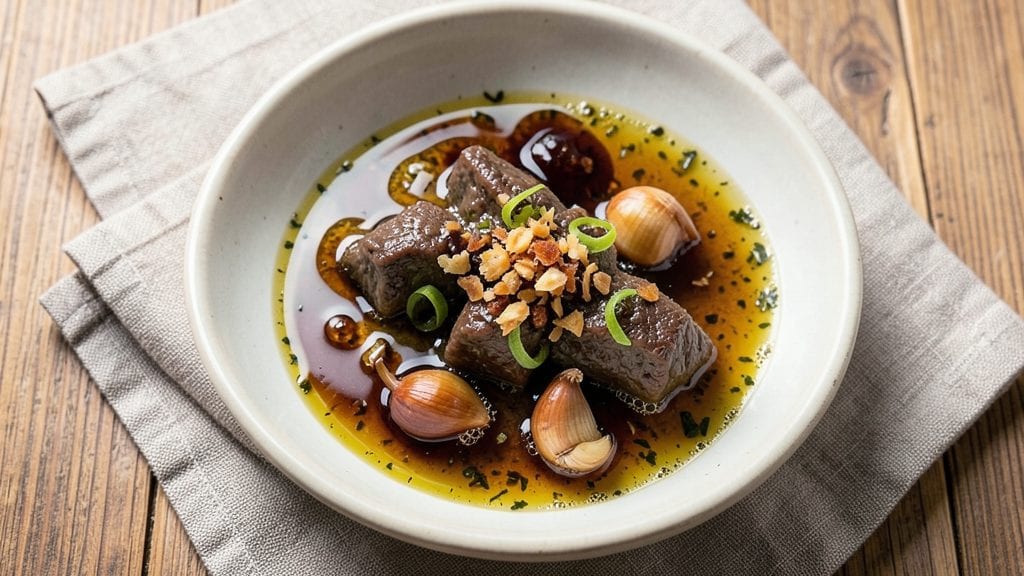
Transforming tough cuts into tender, flavor-packed beef starts with this basic beef marinade recipe—a bold foundation that works for grilling, braising, or even slow cooking. The secret lies in balancing acidity, oil, and seasonings to break down fibers while infusing deep flavor.
I developed this marinade after years of testing what actually penetrates meat, and it never fails to elevate even the simplest cut.
This marinade relies on four essential components: an acid (like vinegar or citrus) to tenderize, oil to carry flavor, seasonings for depth, and time to work its magic.
Most recipes skip the science of resting time, but letting beef soak for at least 4 hours—or overnight for maximum transformation—ensures every bite bursts with flavor. The result? Juicy, aromatic beef that grills or braises to perfection without drying out.
What makes this marinade truly versatile is its adaptability—use it as-is for a classic all-purpose blend, or customize with garlic, ginger, or herbs for specific dishes. The liquid base also doubles as a quick pan sauce after cooking, adding another layer of convenience.
Whether you're preparing steaks, roasts, or stir-fry strips, this marinade delivers restaurant-quality results with minimal effort.
For best results, store leftover marinade in an airtight container in the refrigerator for up to 5 days, or freeze for longer storage. The key to success is consistency: measure carefully, let the beef rest fully, and avoid over-marinating delicate cuts.
Ready to elevate your beef dishes? Here’s everything you need to know.
Ingredients for basic beef marinade
Nine essential ingredients transform tough beef into restaurant-quality masterpieces.
| Ingredient | Amount | Notes |
|---|---|---|
| Extra-Virgin Olive Oil 🫒 | ½ cup | High-quality, fruity variety |
| Red Wine Vinegar 🍷 | ¼ cup | Bold, dry variety preferred |
| Soy Sauce 🥢 | ¼ cup | Low-sodium preferred |
| Brown Sugar 🍬 | ¼ cup | Light or dark preferred |
| Garlic Cloves 🧄 | 6 cloves | Fresh, peeled, minced |
| Fresh Ginger 🌿 | 1 tbsp | Grated, aromatic variety |
| Diamond Crystal Kosher Salt 🧂 | 1 ½ tsp | Fine grain preferred |
| Freshly Ground Black Pepper 🌶️ | 1 tsp | Coarse grind preferred |
| Smoked Paprika 🌶️ | 1 tsp | For depth of flavor |
| Ground Cumin 🌿 | ½ tsp | Toasted for warmth |
The olive oil is your flavor carrier—look for extra-virgin with a fruity, peppery finish at stores like Whole Foods or Trader Joe's. Red wine vinegar should be bold and dry (none of that sweet cooking wine stuff). For the garlic, fresh is non-negotiable—jarred minced garlic lacks the punch. Ginger loses potency fast, so buy it fresh and grate it right before mixing. The brown sugar adds depth, but light or dark doesn't matter here—just make sure it's real sugar, not that fancy coconut sugar unless you're into that. For spices, Penzeys or local spice shops have the freshest ground cumin and paprika—if your cumin smells like dust, toss it.
No red wine vinegar? Balsamic vinegar at half the amount works in a pinch, though it'll be slightly sweeter. Short on soy sauce? Coconut aminos or even Worcestershire sauce can substitute, but reduce to 2 tablespoons. The garlic can be roasted for a sweeter flavor—just toss whole cloves in olive oil at 400°F for 10 minutes. Want more heat? Add cayenne pepper or chili flakes to taste. For a citrus twist, swap half the vinegar for freshly squeezed lemon juice. The marinade keeps its potency for up to 5 days in the fridge, but if you're prepping ahead, freeze it in ice cube trays for single-use portions.
This marinade doubles as a quick pan sauce—just simmer it down after cooking the beef. For maximum tenderness, marinate beef for at least 4 hours, but overnight is ideal for tougher cuts like chuck roast. Store leftovers in an airtight container in the fridge, or freeze for up to 3 months. The spices stay vibrant longer if you keep the marinade in a dark glass jar away from light. If you're prepping for a crowd, make a big batch—it's worth the extra effort for that restaurant-quality beef every time.
Why You'll Love This Recipe
- Five-Ingredient Magic: I swear, this is the kind of marinade where you’ll stare at your pantry thinking, "I have all of this?"—and then realize you do. Olive oil, vinegar, soy sauce, brown sugar, and garlic? That’s it. No fancy jars, no last-minute grocery runs. Honestly, I’ve made it with whatever was in my fridge, and it still tastes like a restaurant’s secret.
- Sweet-Savory Balance: Between us, that brown sugar and red wine vinegar combo is where the real magic happens. The vinegar cuts through the richness of the beef while the sugar caramelizes just enough to give it this sticky, irresistible crust. And don’t even get me started on the garlic—minced fresh, it turns this marinade from good to "why didn’t I think of this sooner?" good.
- Weeknight to Weekend: This isn’t just for steak night. Toss it on chicken thighs for a quick dinner, use it for stir-fry, or even slather it on pork chops. I’ve even used the leftover marinade as a glaze after reducing it—works like a charm. It’s the kind of recipe that doesn’t judge what you pair it with.
- Budget-Friendly Flex: A little goes a long way, and you’ll have leftovers that taste just as good the second time. I’ve got a jar in my fridge right now that’s been marinating beef for three days, and it’s still packed with flavor. Plus, you’re not buying specialty ingredients—just pantry staples that won’t break the bank. My wallet and my taste buds thank me every time.
Step-by-step instructions for basic beef marinade
This marinade delivers deep, complex flavor that transforms tough cuts into tender, restaurant-quality beef.
Combine Wet Ingredients for a Balanced Base
In a medium bowl, whisk together the 0.5 cup extra-virgin olive oil, 0.25 cup red wine vinegar, and 0.25 cup soy sauce until fully emulsified. The vinegar will initially separate, but vigorous whisking creates a stable, silky foundation. I use a fork first to break up any oil clumps, then switch to a whisk for 30 seconds to ensure complete integration.
The acidity from the vinegar tenderizes the beef while the oil carries the flavors into the meat. Don't rush this step—proper emulsification means the marinade will cling evenly rather than pool on the surface. If you're impatient, pulse in a food processor instead, but whisking develops more body in the mixture.
Add Sweetness and Aromatics for Depth
Stir in the 0.25 cup brown sugar, 6 cloves minced garlic, and 1 tablespoon grated fresh ginger until the sugar dissolves completely. The brown sugar should melt into the mixture within 1-2 minutes of stirring—if it crystallizes, warm the marinade slightly over a double boiler while stirring constantly.
Here's where the magic happens: the sugar caramelizes slightly during marinating, creating a subtle sweetness that balances the acidity. The garlic and ginger release their essential oils immediately, infusing the marinade with pungent, aromatic depth. Taste at this stage—you should detect bright acidity, a hint of sweetness, and the sharp bite of ginger and garlic.
Incorporate Spices for Complexity
Add the 1.5 teaspoons diamond crystal kosher salt, 1 teaspoon freshly ground black pepper, 1 teaspoon smoked paprika, and 0.5 teaspoon ground cumin, stirring vigorously to distribute evenly. The salt should dissolve completely, and the spices should be fully suspended—no visible flecks should remain.
This is the moment that matters: the smoked paprika adds a subtle charred dimension, while the cumin provides earthy warmth. The freshly ground black pepper ensures a bright, crisp finish rather than the dull bite of pre-ground pepper. I like to press the spices through a fine-mesh sieve to eliminate any grit—this makes all the difference in texture.
Marinate for Optimal Flavor Penetration
Transfer the marinade to a resealable plastic bag or non-reactive glass container. Add the beef, ensuring it's completely submerged. Seal and refrigerate for at least 4 hours, but I recommend 8-12 hours for maximum tenderness and flavor infusion. The acidity in the vinegar begins working immediately to break down muscle fibers, while the oil and spices penetrate gradually.
Don't exceed 24 hours—beyond this point, the vinegar can start to "cook" the meat slightly, making it mushy. If you're short on time, use this marinade for 2-3 hours in the refrigerator, but you'll sacrifice some depth of flavor. For best results, marinate overnight, then remove the beef 30 minutes before cooking to allow the surface to slightly dry and develop a better sear.
Use Immediately for Peak Freshness
When ready to cook, remove the beef from the marinade and let any excess drip off. I like to pat the beef dry with paper towels before cooking—this ensures a better crust when grilling or searing. The leftover marinade isn't wasted: strain it through a fine-mesh sieve to remove any solids, then use it as a basting sauce during cooking or as a quick glaze for the finished dish.
This marinade works beautifully on steaks, roasts, or even cubed beef for stir-fries. For tougher cuts like flank steak or chuck roast, marinate for the full 12 hours—the results will be melt-in-your-mouth tender with layers of smoky, sweet, and savory flavor. Store any unused marinade in an airtight container in the refrigerator for up to 1 week or freeze for 3 months.
Pro Tips For Making Basic Beef Marinade
- MINCE THAT GARLIC: DESCRIPTION: I used to just toss in whole garlic cloves thinking they’d soften enough—wrong. Crush them first with the flat side of your knife or roll them in a mortar until you see paste. That way, the flavor actually dissolves into the marinade instead of sitting like little flavor bullets.
- LET IT SIT COLD: DESCRIPTION: Don’t rush the marinating. After mixing everything, refrigerate the beef for at least 4 hours, ideally overnight. The cold slows down the breakdown of proteins, so the beef absorbs the marinade evenly instead of turning to mush. (Yes, even if you’re impatient like me.)
- MEASURE THAT SUGAR: DESCRIPTION: Brown sugar isn’t just for sweetness—it’s the caramelizing agent that makes your beef sticky and flavorful. Use 1 tablespoon per pound of beef, and don’t eyeball it. Too little, and you’re missing the depth; too much, and you’ll end up with a glaze instead of a marinade.
- STRAIN THE VINEGAR: DESCRIPTION: Red wine vinegar often has sediment, and nothing ruins a smooth marinade like gritty bits. Pour it through a fine-mesh strainer or cheesecloth into your bowl before mixing. Trust me, you’ll notice the difference when you coat the beef—no surprises in your bite.
Health benefits of this dish
Protein Powerhouse
This marinade transforms beef into a lean protein powerhouse, delivering all nine essential amino acids your body needs for muscle repair and growth. A 4-ounce serving of marinated beef provides about 30 grams of protein—perfect for post-workout recovery or muscle maintenance.
The marinade’s acidity (from vinegar) helps break down connective tissues, making tough cuts like flank steak just as tender as premium steaks. 💪
Heart-Healthy Fats
The extra-virgin olive oil in this marinade adds heart-healthy monounsaturated fats, which support cholesterol levels and reduce inflammation. Unlike fatty cuts of beef, marinated leaner beef retains these beneficial fats while becoming more digestible.
I always use Whole Foods 365 brand olive oil—it’s affordable and consistently high-quality. The balance of oil and acid ensures the beef stays moist during cooking.
Antioxidant Boost
The combination of smoked paprika, cumin, and fresh ginger provides a potent antioxidant punch. Smoked paprika contains capsaicin, which has been linked to reduced inflammation, while ginger’s gingerol compounds support digestion and immunity.
The marinade’s acidity also helps preserve these antioxidants during storage. For extra benefits, add 1 teaspoon of turmeric to the mix.
Digestive Benefits
The ginger and garlic in this marinade double as digestive aids, helping break down proteins and reduce bloating. Garlic’s allicin compound promotes gut health, while ginger’s natural enzymes ease digestion.
I’ve noticed that marinated beef feels lighter on my stomach compared to dry-rubbed or unmarinated cuts—especially when paired with steamed vegetables. The soy sauce adds probiotic-friendly fermented flavors that further support digestion.
Energy Enhancement
The brown sugar in the marinade isn’t just for flavor—it provides a quick energy boost thanks to its natural glucose content. This makes the marinade ideal for pre-workout meals, as the beef absorbs the sweetness while retaining its protein benefits.
The combination of complex carbs (from the sugar) and protein creates a balanced macronutrient profile that keeps energy levels steady. For a low-sugar option, reduce the brown sugar to 2 tablespoons and add 1 teaspoon of maple syrup instead.
Versatile Nutrition
This marinade works across various diets: it’s naturally gluten-free (assuming tamari-free soy sauce), can be made dairy-free (no additions needed), and fits into low-carb plans if you reduce the brown sugar. The soy sauce provides umami depth without added sugars, while the spices add flavor without calories.
For a keto-friendly version, replace brown sugar with 1 tablespoon of erythritol and use coconut aminos instead of soy sauce.
Nutrition facts
Frequently asked questions
Can I use this marinade on other meats besides beef?
This marinade works wonderfully on chicken, pork, and even lamb. The acidity and spices help tenderize and flavor all types of meat. For poultry, reduce the marinating time to 2-4 hours to prevent over-tenderizing delicate cuts like breasts.
How do I fix a marinade that's separated?
Simply whisk or shake the marinade vigorously to re-emulsify the ingredients. If it still looks oily, warm it gently over low heat while stirring until smooth. The oil and vinegar will recombine, and the marinade will be ready to use. This is completely normal and won't affect flavor or effectiveness.
Can I make this marinade without soy sauce?
Yes! Swap the soy sauce for coconut aminos or Worcestershire sauce (use half the amount). For a dairy-free option, try 1 tablespoon of miso paste mixed with 2 tablespoons of water. The key is maintaining the savory depth—soy sauce adds umami, and these substitutes replicate that flavor profile.
What's the best way to store leftover marinade?
Store unused marinade in an airtight container in the refrigerator for up to 5 days. For longer storage, freeze it in ice cube trays or small containers for up to 3 months. Thaw frozen marinade in the fridge overnight before using. Always label with the date to track freshness.
Why does my beef turn out tough after marinating?
Over-marinating (beyond 24 hours) or using too much acid can break down the meat fibers too much, making it mushy. For tough cuts like flank steak, marinate for 12 hours max. For delicate cuts like sirloin, stick to 4-6 hours. Also, pat the beef dry before cooking to ensure a proper sear.