
Soups & Stews
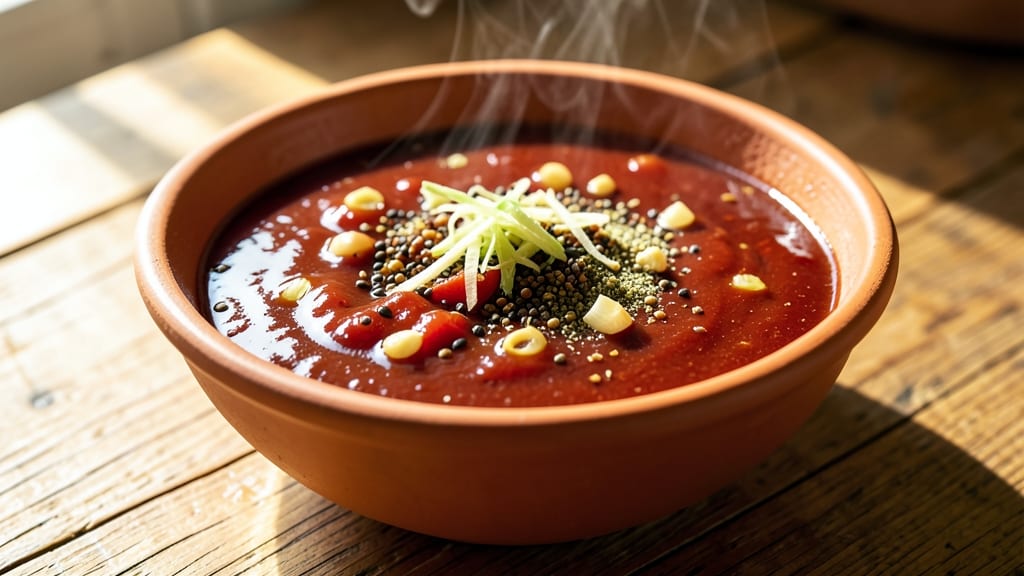
This basic tomato chutney recipe transforms simple ingredients into a vibrant, tangy condiment that elevates everything from grilled meats to toasted bread. The secret lies in balancing sweetness, acidity, and spices—creating a sauce that’s both bold and versatile.
I developed this version after testing countless recipes, focusing on simplicity without sacrificing depth.
What makes this chutney special is its adaptability—whether you simmer it until thick or blend it smooth, the flavors remain rich and complex. A touch of vinegar brightens the tomatoes, while mustard seeds and cumin add warmth.
The result? A sauce that’s equally at home on tacos, sandwiches, or as a dip for crudités.
By the time you finish, you’ll have a fresh, aromatic chutney with layers of flavor—sweet from tomatoes, tangy from vinegar, and spiced just enough to linger. It keeps for weeks in the fridge, making it perfect for meal prep or gifting. Ready to make this versatile sauce?
This recipe uses basic pantry staples—no specialty ingredients required—and delivers restaurant-quality results. The process is straightforward: sauté spices, cook tomatoes until tender, then blend or simmer to your preferred consistency. Let’s get started!
Ingredients for basic tomato chutney
Pantry staples meet vibrant flavors—this chutney needs just 11 ingredients for bold, tangy results.
| Ingredient | Amount | Notes |
|---|---|---|
| Roma Tomatoes 🍅 | 2 lbs | Ripe, halved for even cooking |
| Yellow Onion 🧅 | 1 whole | Medium size, finely chopped |
| Fresh Ginger 🌿 | ½ oz | Peeled, grated finely |
| Mustard Seeds 🌶️ | 1 tbsp | Whole, yellow or brown |
| Ground Cumin 🌿 | 1 tsp | Toasted for deeper flavor |
| Ground Coriander 🌿 | 1 tsp | Freshly ground preferred |
| Turmeric Powder 🌶️ | ½ tsp | Bright yellow color |
| Apple Cider Vinegar 🍎 | ½ cup | Raw, unfiltered preferred |
| Granulated Sugar 🍬 | ¼ cup | Light brown preferred |
| Extra-Virgin Olive Oil 🫒 | ¼ cup | High quality, fruity |
| Salt 🧂 | 1 tsp | Diamond Crystal kosher |
The tomatoes are the heart of this chutney, so pick ripe, plump Roma tomatoes—they break down beautifully and keep their shape better than other varieties. Trader Joe's often has great organic Roma tomatoes at a good price, but any grocery store's produce section works. Avoid bruised spots, and if you can't find Roma, San Marzano canned tomatoes (drained) are a solid backup. For the ginger, fresh is non-negotiable—powdered lacks the complexity. Look for firm, bumpy rhizomes at the store; the younger, lighter ones are milder and more aromatic. If you're worried about waste, freeze any unused ginger in a sealed bag for up to 3 months.
No mustard seeds? Ground mustard at half the amount works in a pinch, though it won't have that delightful pop. The vinegar is key for tang—apple cider vinegar gives the best balance, but white vinegar or lemon juice both work if that's what you have. For the sugar, light brown sugar adds subtle molasses notes, but regular granulated is fine if that's all you've got. The spices? Toast the whole mustard seeds and cumin in the oil first—this releases their oils and makes the whole chutney sing. If you're using dried herbs, double the amount of fresh called for in other recipes, but here we're sticking with whole spices for depth.
This chutney tastes even better the next day as the flavors meld. Store it in a glass jar with a tight seal in the fridge for up to 3 weeks, though it'll likely disappear faster. For gifting, transfer to a sterilized jar and it keeps for 6 months unopened in the pantry. The oil layer that forms on top is normal—just stir it back in before using. Freezing isn't recommended as it can alter the texture, but if you must, use ice cube trays for single-serving portions. Trust me, you'll want to make double—it disappears faster than you'd think.
Why You'll Love This Recipe
- No-Fuss Pantry Starter: I swear by this when I’ve got nothing but a few tomatoes and a spice rack. Mustard seeds pop in the pan, onions caramelize in minutes, and the ginger—oh, that ginger—adds warmth without fuss. Honestly, it’s the kind of recipe that makes me feel like I’m cooking when I’m really just assembling.
- Deep, Toasty Magic: The cumin and ginger toast in the oil first, and that’s when the real flavor happens. The Roma tomatoes break down into a thick, jammy texture that’s sweet and tangy at the same time. It’s not fancy, but it’s ridiculously good—like a hug in sauce form.
- Dip, Spread, Repeat: I keep a jar in the fridge for everything: crispy dosas, buttery naan, or even as a quick sandwich spread. Between us, it’s the reason I always buy extra tomatoes—because this stuff disappears fast, and I’m not sorry.
- Budget Hero: A handful of onions, a few tomatoes, and a thumb-sized ginger root stretch into enough chutney to feed four people. And the best part? It tastes better the next day when the flavors meld. I make double batches just so I’m not tempted to skip meals.
Step-by-step instructions for basic tomato chutney
Here's how to transform simple ingredients into a vibrant, tangy chutney that's perfect for sandwiches, dips, or marinades.
Prepare and Cook the Base Ingredients
Start by halving the 2 lbs Roma Tomatoes and removing their cores. Chop them into ¼-inch pieces—this ensures even cooking and better texture. In a large, heavy-bottomed pot, combine the chopped tomatoes, 1 whole Yellow Onion (finely chopped), and 0.5 oz Fresh Ginger (grated). Heat the pot over medium heat for 5 minutes, stirring occasionally, until the onions soften and the tomatoes begin to break down.
Add the 1 tbsp Mustard Seeds and stir constantly for 1-2 minutes until they begin to pop and sizzle. This step is crucial—it releases their nutty aroma and prevents burning. Immediately add the 1 tsp Ground Cumin, 1 tsp Ground Coriander, and 0.5 tsp Turmeric Powder, stirring to distribute the spices evenly. Cook for another 2 minutes until the spices are fragrant and the mixture smells deeply aromatic.
Simmer and Develop the Flavor
Pour in the 0.5 cup Apple Cider Vinegar and 0.25 cup Granulated Sugar, stirring to combine. The vinegar will brighten the flavors, while the sugar balances the acidity. Bring the mixture to a gentle boil over medium-high heat, then reduce the heat to low and let it simmer uncovered for 20-25 minutes. Stir occasionally to prevent sticking and ensure even cooking.
You'll know it's ready when the tomatoes have softened completely and the mixture thickens slightly, coating the back of a spoon. The color should deepen to a rich, rustic red, and the scent should be a perfect blend of tangy, spicy, and slightly sweet. If the chutney thickens too much, add 1-2 tablespoons of water to achieve a smooth, spoonable consistency.
Finish with Oil and Season to Perfection
Remove the pot from heat and let it cool slightly for 5 minutes. This resting period allows the flavors to meld. Stir in the 0.25 cup Extra-Virgin Olive Oil and 1 tsp Salt, then taste and adjust the seasoning if needed. The chutney should be tangy, slightly sweet, and well-balanced with warmth from the spices.
For a smoother texture, transfer the chutney to a blender or food processor and pulse until smooth. If you prefer a chunkier texture, simply mash the mixture with a wooden spoon or leave it as is. The chutney will thicken further as it cools, so don't worry if it looks a bit loose while warm. Store in an airtight container in the refrigerator for up to 2 weeks, or freeze for longer storage.
Pro Tips For Making Basic Tomato Chutney
- Char the Onions Low: I used to rush this step and end up with raw onion bits swimming in the chutney. Instead, cook the sliced onions over medium-low heat—yes, it takes longer, but you’ll get that deep, caramelized sweetness that makes the whole dish sing. The edges should turn golden before you even think about adding tomatoes.
- Peel Ginger Like a Pro: Skip the messy knife-and-spoon method—just give the ginger a good whack with the flat side of your chef’s knife, then rub it under hot water. The skin will slide right off, and you’ll have clean, ready-to-grate ginger in seconds. (Trust me, your hands will thank you.)
- Split Mustard Seeds First: Whole mustard seeds burn faster than you can blink. Lightly crush them between your palms or with the side of a knife before adding to the oil—just enough to break the outer shell. They’ll pop properly and release their nutty aroma without turning bitter.
- Blend in Stages: Dumping everything into the blender at once gives you a gloppy mess. Pulse the tomatoes and onions first, then add ginger and spices, blending just until smooth. If it’s too thick, add a splash of water—one tablespoon at a time—until it coats the back of a spoon. (No, you don’t want it runny.)
Regional styles of basic tomato chutney
Indian Street Style
In India, street vendors elevate chutney with bold spices and a quick cooking method. I love adding 1 tsp asafoetida (hing) when sautéing the mustard seeds—it deepens the umami without overpowering.
For extra heat, toss in ½ tsp red chili powder at the end. Serve this version with pav bhaji or vada pav for that authentic Mumbai street-food experience. 🌶️
South African Braai Twist
South Africans take chutney to grilling parties with a smoky, sweet profile. Swap apple cider vinegar for ½ cup malt vinegar and add 1 tbsp brown sugar to intensify the caramel notes.
A pinch of smoked paprika (about ¼ tsp) gives it that braai-house vibe. This chutney pairs perfectly with boerewors or grilled chicken skewers.
Caribbean Jerk Fusion
For a tropical twist, blend in 1 tbsp jerk seasoning (store-bought or homemade with allspice, thyme, and scotch bonnet) after simmering. Add ½ cup pineapple juice instead of vinegar for sweetness, and finish with 1 tbsp lime zest.
This version works as a marinade for jerk chicken or a dip for plantain chips. The pineapple brightens the heat beautifully. 🌴
Mediterranean Olive Oil Style
Skip the vinegar entirely and use ½ cup extra-virgin olive oil (increase to ⅔ cup total) for a rich, drizzling-style chutney. Add 1 tsp dried oregano and ½ tsp smoked sea salt to mimic Greek flavors.
Serve this thinner version as a dip for crusty bread or drizzle over grilled vegetables. It’s lighter but still packed with tomato depth.
Thai-Inspired Green Chutney
For a vibrant green version, blend in ½ cup cilantro, ¼ cup Thai basil, and 2 green onions after cooking. Add 1 tbsp fish sauce (or soy sauce for vegan) and 1 tsp lime zest.
This chutney is perfect with grilled shrimp or as a dipping sauce for spring rolls. The herbs add freshness that balances the tomato’s richness. 🌿
Nutrition facts
Frequently asked questions
Can I make this chutney without blending?
This recipe works perfectly with a rustic, chunky texture. After simmering, simply mash the tomatoes with a fork or potato masher until you reach your desired consistency. The natural breakdown of the tomatoes during cooking creates a thick, spoonable sauce without needing a blender.
How do I adjust the spice level?
Start with the given spices, then taste as you go. For more heat, add ¼ tsp cayenne pepper or ½ tsp red chili flakes at the end. To mellow it, reduce the mustard seeds to ½ tbsp or omit the turmeric. Remember, flavors deepen as it cools, so adjust gradually.
Can I use canned tomatoes instead of fresh?
Yes! Use 2 (14.5 oz) cans of crushed tomatoes (drained) instead of fresh. Skip the initial softening step and add the spices directly to the canned tomatoes. The acidity in canned tomatoes may require 1 extra tablespoon of sugar to balance the tang. The texture will be smoother but still flavorful.
Why did my chutney separate?
This happens when the oil and tomato mixture aren't fully emulsified. Stir in 1 tablespoon of vinegar or a splash of water, then blend briefly to combine. For future batches, add the oil slowly while simmering to help bind the ingredients. The chutney will thicken as it cools, so don't worry if it looks loose while warm.
What are the best ways to use this chutney?
This versatile chutney works as a sandwich spread, dip for veggies, marinade for grilled meats, or topping for tacos and bowls. Try it on toast with cheese, drizzled over roasted potatoes, or mixed into hummus for extra depth. The tangy-sweet balance makes it perfect for balancing rich or spicy dishes.