Soups & Stews
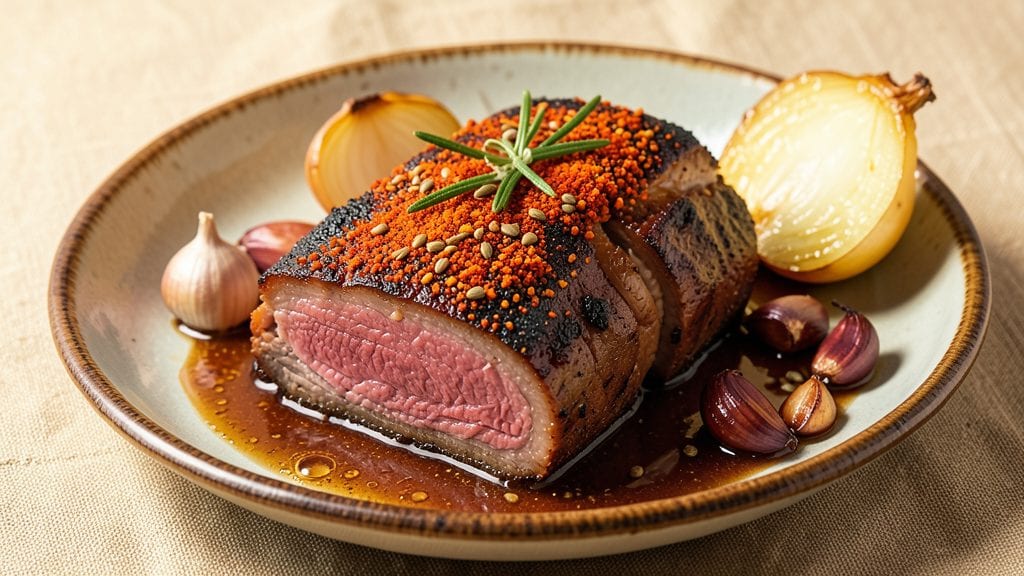
This beef brisket for Hanukkah transforms a traditional holiday meal into a centerpiece of slow-simmered richness and warm, aromatic spices that honor the festival’s spirit. 🌟 The key lies in a carefully balanced blend of Jewish-inspired seasonings—garlic, paprika, and a touch of cinnamon—that infuse the meat with layers of flavor while keeping the cooking process simple yet deeply rewarding.
What sets this brisket apart is its foolproof slow-cooking method, designed to deliver tender, melt-in-your-mouth texture without requiring hours of babysitting.
The spices are rubbed into the meat before it’s seared to lock in flavor, then simmered low and slow until the brisket is so tender it practically falls apart. This approach ensures you can focus on the celebration while the oven does the work.
The result is a brisket that’s perfectly seasoned, deeply flavorful, and rich enough to stand alone—or pair beautifully with classic Hanukkah sides like latkes, kugel, or roasted root vegetables.
The aroma alone will fill your home with warmth, making it the heart of your holiday table. Ready to create a dish that feels as meaningful as it tastes?
Whether you’re hosting a large gathering or a cozy family dinner, this brisket brings restaurant-quality depth to your Hanukkah feast. The recipe includes tips for adjusting spice levels and serving suggestions to complement the meal, ensuring every bite feels like a celebration. Let’s get started on a tradition-worthy centerpiece.
Ingredients for beef brisket for hanukkah
Twelve ingredients, twelve layers of Hanukkah-inspired flavor. Perfect for a crowd or cozy celebration.
| Ingredient | Amount | Notes |
|---|---|---|
| Beef Brisket 🥩 | 8 lb | Whole packer cut, trimmed of excess fat |
| Yellow Onions 🧅 | 3 whole | Medium, sliced into half-moons |
| Garlic Cloves 🧄 | 12 cloves | Fresh, minced for spice rub |
| Sweet Paprika 🌶️ | ½ cup | Smoked variety adds depth |
| Ground Cumin 🌿 | 2 tbsp | Toasted for deeper aroma |
| Ground Coriander 🌿 | 1 tbsp | Freshly ground preferred |
| Ground Cinnamon 🌶️ | 1 tsp | Warmth without overpowering |
| Black Peppercorns 🌶️ | 1 tbsp | Freshly cracked for intensity |
| Kosher Salt 🧂 | ½ cup | Diamond Crystal preferred |
| Beef Broth 💧 | 4 cups | Low-sodium, homemade or store-bought |
| Apple Cider Vinegar 🍎 | ¼ cup | For tenderizing and brightness |
| Fresh Thyme Leaves 🌿 | ½ cup | Stems removed, chopped |
| Olive Oil 🫒 | ¼ cup | Extra-virgin for searing |
| Honey 🍯 | ¼ cup | Light variety for balance |
| Fresh Bay Leaves 🍃 | 2 whole | For subtle herbal notes |
The brisket is the star, so don’t cut corners here. Look for a packer cut with good marbling—Whole Foods or your local butcher usually carry the best. If you’re buying pre-trimmed, check for even thickness (about 1.5 inches). For the spices, Penzeys or bulk bins at specialty stores give you the freshest, most aromatic options. The paprika should be sweet but with a hint of smoke—Kosher brand is ideal. Pro tip: Toast your cumin and coriander in a dry pan for 30 seconds before grinding to wake up those flavors. That little step makes a world of difference.
No smoked paprika? Substitute half with sweet paprika and a pinch of liquid smoke—just don’t go overboard. Running low on fresh thyme? Dried works at one-third the amount, but add it during the last hour of cooking. The apple cider vinegar is non-negotiable for tenderness, but if you’re avoiding acidity, lemon juice works in a pinch. For the broth, homemade is best, but Annie’s or Pacific Foods low-sodium options are solid backups. And if you’re serving a crowd, double the batch—this brisket reheats beautifully. Trust me, leftovers are a blessing during Hanukkah celebrations.
This brisket is a slow cooker’s dream, but it’s worth the wait. Once it’s done, let it rest for 30 minutes before slicing—this keeps it juicy. Store leftovers in an airtight container for up to 5 days in the fridge or freeze for 3 months. For serving, slice against the grain and arrange on a platter with the juices. The aroma alone will have everyone gathering at the table. Pro move: Save the cooking juices for gravy or latkes—nothing goes to waste in a Jewish kitchen.
Why You'll Love This Recipe
- One-Pan Magic: I swear by this recipe because it’s actually hands-off—just sear the brisket, toss in the onions and garlic, sprinkle that sweet paprika and cumin, then let it slow-cook. No flipping, no fussing, no extra pots. My counter stays clear, and my stress level drops.
- Hanukkah Hero: Between us, this brisket is the star of the holiday table. The onions caramelize into sweet pockets, the cumin adds this warm, earthy depth, and the paprika gives it that subtle smokiness that makes everyone reach for seconds. It’s rich but not heavy—exactly what you want when latkes and sufganiyot are already calling your name.
- Budget-Friendly Feast: A whole brisket stretches for days, and the ingredients? Basic. Onions and garlic are cheap, spices last forever, and you’re not shelling out for fancy cuts. I’ll be real: my grocery bill for this recipe is half what it would be for a fancy prime rib. Plus, it feeds a crowd—great for potlucks, family gatherings, or when your in-laws show up unannounced. (Yes, even on a Tuesday night.)
Step-by-step instructions for slow-simmered spiced brisket
Transform your Hanukkah feast with this tender, aromatic brisket that balances deep spice with velvety richness.
👨🍳 Step 1: Prepare the Spice Rub and Sear the Brisket
In a large bowl, combine the 0.5 cup sweet paprika, 2 tbsp ground cumin, 1 tbsp ground coriander, 1 tsp ground cinnamon, 1 tbsp freshly cracked black peppercorns, and 0.5 cup kosher salt. This aromatic blend should smell like a spice market—warm, earthy, and slightly sweet. Pat the 8 lb beef brisket completely dry with paper towels, then generously coat all sides with the spice mixture, pressing it into the meat so it adheres.
Heat a Dutch oven over medium-high heat and add 0.25 cup olive oil. Once shimmering, place the brisket fat-side down and sear for 8-10 minutes until a deep golden crust forms. Flip carefully and sear the other side for another 6-8 minutes. The fat should render beautifully, creating a rich foundation for your sauce. Remove the brisket and set it aside on a plate.
🍳 Step 2: Build the Aromatic Base
In the same Dutch oven, add 3 whole yellow onions sliced into half-moons and 12 minced garlic cloves. Cook for 5-6 minutes until the onions soften and turn translucent, releasing their natural sweetness. Stir in the 0.5 cup fresh thyme leaves and 2 whole fresh bay leaves, letting them infuse for 1 minute until fragrant.
Deglaze the pan with 0.25 cup apple cider vinegar, scraping up all those flavorful browned bits from the bottom. Let it simmer for 2 minutes until the vinegar reduces by half, intensifying the acidity that will tenderize the meat. This step is where the magic happens—those caramelized bits hold more flavor than you might think.
🥘 Step 3: Simmer the Brisket Low and Slow
Return the brisket to the Dutch oven, fat-side up. Pour in 4 cups beef broth and 0.25 cup honey, then bring to a gentle simmer. The liquid should just barely cover the brisket—enough to create steam but not so much that it dilutes the flavors. Cover the pot with a tight-fitting lid and transfer to a 300°F oven.
Simmer for 3 hours, then flip the brisket and add 1 cup additional beef broth if needed to maintain liquid. Here's the thing—this long cook time is where patience pays off. The brisket will develop an incredible bark on the outside while remaining fork-tender inside. Check occasionally to ensure the liquid doesn't evaporate completely, adding more broth as needed.
⏰ Step 4: Rest and Slice for Maximum Juiciness
When the brisket reaches an internal temperature of 200-205°F (about 4-5 hours total), remove it from the oven and transfer to a cutting board. Tent loosely with foil and let it rest for at least 1 hour. This resting period is CRITICAL—it allows the juices to redistribute throughout the meat instead of pooling on your plate.
While it rests, skim any excess fat from the cooking liquid and reduce it on the stovetop for 5-7 minutes until it reaches a gravy-like consistency. This rich reduction makes an excellent accompaniment to your brisket. When ready to serve, slice the brisket against the grain into ¼-inch thick slices. Each bite should be tender enough to pull apart with a fork, with a perfect balance of spice and sweetness.
Pro Tips For Making Beef Brisket For Hanukkah
- Trim the Fat First: DESCRIPTION: Cut away the thickest layer of fat from the brisket before seasoning—it’s the part that turns to grease and smothers your onions instead of crisping them up. I learned this the hard way when my first batch of brisket came out soggy from rendered fat drowning the pan.
- Char the Onions Slow: DESCRIPTION: Walk away after the onions hit the pan—let them caramelize for 15-20 minutes without stirring. Sweet paprika and cumin need time to bloom in that sticky, golden mess, and rushing makes them bitter. (Yes, even if you’re impatient like me.)
- Don’t Crowd the Garlic: DESCRIPTION: Add whole garlic cloves after the onions are deep amber, not all at once. Too much garlic at once burns before it infuses, and you’ll end up with a bitter base. I skip mincing here—whole cloves release flavor more evenly.
- Rest Under Foil: DESCRIPTION: After searing, tent the brisket with foil for 5 minutes before adding liquid. This traps steam and keeps the meat juicy while the onions finish cooking—no more dry, tough slices when you slice. (Your future self will thank you.)
Best sauces and condiments for this recipe
Honey-Garlic Glaze
This sweet-tangy glaze elevates your brisket by balancing the warm spices with bright acidity. After searing, brush the brisket with a mixture of ¼ cup honey, 2 tbsp apple cider vinegar, and 1 tbsp minced garlic.
Simmer this blend for 3 minutes to thicken slightly, then spoon it over the brisket during the last 30 minutes of cooking. The result? A sticky, caramelized crust with a deep umami-sweet finish that pairs beautifully with latkes. 🍯
Smoked Paprika Gravy
Save the cooking juices from your brisket and reduce them into a rich gravy by whisking in 1 tbsp cornstarch slurried with 2 tbsp cold water. For extra depth, stir in 1 tsp smoked paprika and a pinch of cinnamon.
This gravy cuts through the richness of the brisket while enhancing its smoky, spiced profile. Serve it alongside your brisket or drizzle it over sliced portions for a restaurant-worthy touch.
Creamy Horseradish Sauce
A tangy horseradish cream adds a refreshing contrast to the rich brisket. Whisk together ½ cup sour cream, 2 tbsp prepared horseradish, 1 tbsp fresh lemon juice, and 1 tsp honey. Adjust the horseradish to taste—some prefer it sharp, while others like a milder kick.
This sauce works wonders as a dip for latkes or a topping for brisket slices, especially if you’re serving it with potato pancakes. 🌶️
Spiced Apple Chutney
For a festive Hanukkah twist, make a quick chutney by simmering 1 diced apple, 2 tbsp raisins, 1 tbsp chopped walnuts, 1 tsp cinnamon, and 1 tbsp apple cider vinegar for 10 minutes.
This sweet-spiced relish adds texture and brightness to each bite of brisket. It’s especially lovely when served alongside kugel or roasted vegetables, tying the flavors of the holiday meal together.
Garlic-Herb Butter
Melt ½ cup unsalted butter with 4 minced garlic cloves, 1 tbsp chopped parsley, and a pinch of salt. Drizzle this fragrant butter over sliced brisket just before serving.
The garlic and herbs complement the warm spices in the rub, adding a fresh, herbal note that brightens every forkful. It’s a simple but foolproof way to elevate your brisket without extra effort. ✨
Pickled Red Onions
Quick-pickle 1 cup thinly sliced red onions in a mix of ½ cup apple cider vinegar, 1 tbsp sugar, and ½ tsp salt for at least 30 minutes. The crisp, tangy onions provide a refreshing crunch and acidity that cuts through the richness of the brisket.
Sprinkle them over the sliced meat or serve them on the side for guests to add as they like.
Nutrition facts
Frequently asked questions
Can I use a different cut of beef instead of brisket for Hanukkah?
While brisket is ideal for its rich flavor and tenderness, you can substitute with chuck roast or beef short ribs. These cuts work well with the same spice rub and slow-cooking method. Just adjust the cooking time—chuck typically needs 3-4 hours at 300°F, while ribs may take 4-5 hours to reach the same tenderness. The result will be equally delicious but with slightly different textures.
How do I adjust the spice level for kids or sensitive eaters?
Reduce the cinnamon and smoked paprika by half and omit the black peppercorns. For extra mildness, replace the 0.5 cup sweet paprika with 0.3 cup and add 1 tsp sugar to balance. The apple cider vinegar and honey already add natural sweetness, so the dish will still taste rich and flavorful without being spicy. Serve the milder version with a side of creamy horseradish sauce for adults to add heat.
Can I make this brisket in a slow cooker instead of the oven?
Brown the brisket in a skillet first, then transfer it to your slow cooker with all the spices, onions, and broth. Cook on low for 8-10 hours or high for 5-6 hours until fork-tender. The slow cooker method is even more hands-off—just check occasionally to ensure the liquid doesn’t evaporate completely. For extra flavor, add the honey and vinegar during the last 30 minutes of cooking.
What’s the best way to reheat leftover brisket?
Slice the brisket and reheat in a skillet with a splash of beef broth over medium-low heat for 5-7 minutes until warmed through. For larger portions, place slices in an oven-safe dish, cover with foil, and heat at 300°F for 20 minutes. Avoid microwaving—it can make the meat dry. Pro tip: Store leftovers in an airtight container with a spoonful of the cooking juices to keep them moist.
How can I make this brisket more traditional for Hanukkah?
Swap the honey for date syrup or pomegranate molasses to align with Middle Eastern Jewish traditions. Add 1 tsp ground allspice or ½ tsp cardamom to the spice rub for warmth. Serve with classic sides like matzo ball soup, challah, or carrot tsimmis to complete the festive spread. The spices and presentation will feel nostalgic while keeping the dish rich and satisfying.