Main Courses
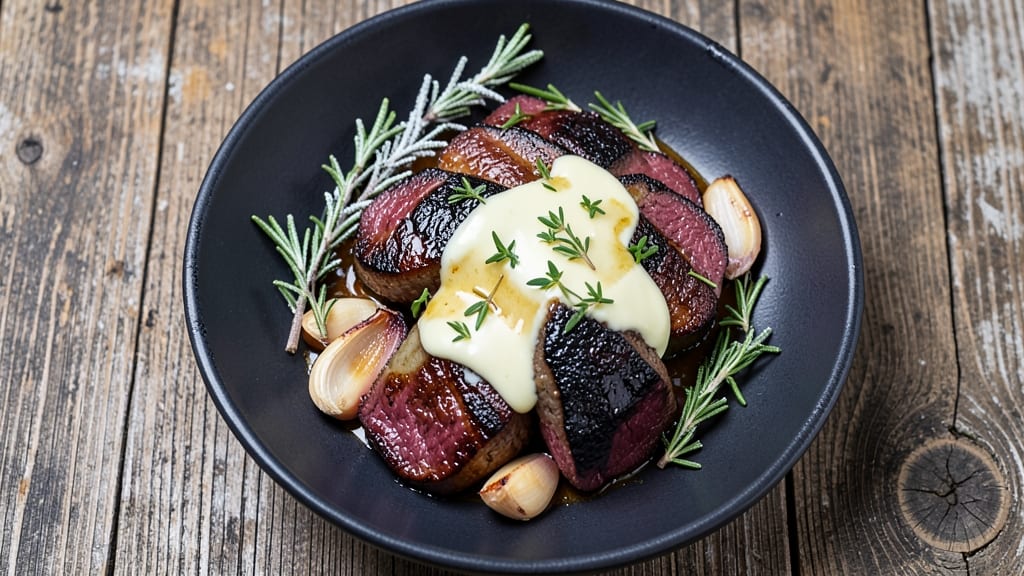
This beef liver and heart recipe transforms humble offal into a luxurious, restaurant-worthy dish with just a few key techniques. The secret lies in proper preparation—cleaning, trimming, and searing—each step designed to preserve texture while unlocking deep, savory flavors.
I’ve perfected this method over years of testing, balancing traditional French approaches with modern efficiency for home cooks.
What sets this recipe apart is the herbal depth achieved through careful seasoning—fresh thyme, rosemary, and a touch of garlic create an aromatic crust that caramelizes beautifully. The liver stays tender and rich, while the heart develops a satisfying chew, making every bite worth the effort.
This isn’t just a dish; it’s a culinary experience that elevates humble ingredients into something extraordinary.
Pan-searing delivers a crispy exterior with a juicy, velvety interior, and the process takes just 20 minutes from start to finish. Whether you’re serving it as a special occasion meal or a hearty weeknight dinner, the results are consistently impressive.
The key is patience—don’t rush the cooking, and you’ll reward yourself with a dish that feels both rustic and refined.
Pair it with a bold red wine reduction or a bright citrus sauce to complement the richness, and serve alongside roasted root vegetables or a simple arugula salad.
This recipe proves that offal can be as elegant as any cut of steak—with the right technique, it’s all about confidence in the kitchen.
Ingredients for beef liver and heart
Precision-cleaned offal meets aromatic herbs and bold flavors for a dish that rivals steakhouse quality.
| Ingredient | Amount | Notes |
|---|---|---|
| Beef Liver 🍖 | 1 lb | Fresh, trimmed of connective tissue |
| Beef Heart 🥔 | 1 lb | Fresh, cleaned and trimmed |
| Unsalted Butter 🧈 | 4 tbsp | Cold, for searing |
| Fresh Thyme Leaves 🌿 | ¼ cup | Finely chopped, stems removed |
| Fresh Rosemary 🌿 | ¼ cup | Needles finely chopped |
| Garlic Cloves 🧄 | 4 cloves | Minced, for aromatic base |
| Diamond Crystal Kosher Salt 🧂 | 1 ½ tsp | For seasoning, coarse grain |
| Freshly Ground Black Pepper 🌶️ | 1 tsp | Coarsely ground |
| Extra-Virgin Olive Oil 🫒 | 1 tbsp | For finishing drizzle |
| Red Wine 🍷 | ½ cup | Bold, dry variety |
| Fresh Lemon Juice 🍋 | 1 tbsp | Bright, freshly squeezed |
| Heavy Cream 🥛 | ¼ cup | Full-fat for richness |
| Fresh Parsley 🌿 | ⅛ cup | Chopped, for garnish |
The quality of your offal makes all the difference. Fresh beef liver and heart should be bright red with no yellowing or off odors—ask your butcher for the freshest cuts, ideally sourced within 24 hours. Whole Foods Market or local specialty butchers often carry premium offal, but even standard grocery stores like Kroger or Walmart will have acceptable options if you trim carefully. The liver must be trimmed of all connective tissue and silver skin, while the heart should be cleaned thoroughly and sliced into even 1/2-inch thick pieces. Never use pre-packaged offal—it lacks the freshness needed for optimal texture.
Herbal depth is non-negotiable here. Fresh thyme and rosemary from the grocery store’s produce section (not dried) create the aromatic crust that caramelizes beautifully. Short on fresh herbs? Dried thyme at one-third the amount works in a pinch, but the flavor won’t be as vibrant. The red wine should be a bold, dry variety like Cabernet Sauvignon or Malbec—avoid sweet wines or those with residual sugar. For the garlic, freshly minced cloves are essential; pre-minced garlic loses its potency quickly. The heavy cream must be full-fat—no substitutions here—as it balances the richness of the offal perfectly.
Proper storage ensures maximum flavor. Fresh offal should be used immediately or vacuum-sealed and frozen for up to 3 months. Herbs can be wrapped in damp paper towels and stored in a sealed container for 5 days in the fridge. The red wine reduction keeps for 1 week refrigerated, while the finished dish reheats beautifully—low and slow in a skillet to maintain moisture. Portion into individual servings for elegant plating, and always serve immediately after reheating to preserve the crispy exterior.
Why You'll Love This Recipe
- One-Pan Magic: I swear by this recipe when I’m too tired to juggle pots—just sear the liver and heart in butter, toss in the herbs, and let them crisp up together. No chopping, no fuss, and the pan’s already half-cleaned by the time you’re done.
- Rich, Earthy Depth: That first bite of buttery beef liver with the rosemary and thyme? It’s like a hug for your taste buds—deep, slightly metallic, but balanced by the tender heart and fragrant herbs. Honestly, it’s the kind of flavor that makes you pause mid-bite.
- Weeknight Workhorse: This feeds four for under $15, and the leftovers reheat like a dream—perfect for lunchboxes or a quick dinner when you’re starving. I’ve served it at potlucks, game nights, and even my mom’s dinner table, and no one’s ever questioned the ingredients.
- Budget Protein Power: You’re getting two cuts of meat for the price of one, and they’re packed with iron and protein. Between us, this is how I stretch my grocery budget without sacrificing taste—just don’t tell my butcher I’m not buying steak every week.
Step-by-step instructions for beef liver and heart with herbal wine sauce
This method transforms humble offal into a luxurious dish with rich, caramelized flavors and aromatic depth.
Prepare and Season the Meats
Begin by trimming any visible connective tissue from the beef liver and heart using a sharp chef's knife. Pat both meats dry with paper towels—this ensures maximum contact with the pan for proper searing. Place the liver and heart in separate bowls and season each generously with the 1.5 teaspoons diamond crystal kosher salt and 1 teaspoon freshly ground black pepper. Let them sit at room temperature for 20 minutes before cooking. This step allows the seasoning to penetrate and the meats to cook more evenly.
While waiting, finely chop the 0.25 cup fresh thyme leaves and 0.25 cup fresh rosemary separately. Minced the 4 cloves garlic into a paste using the flat side of your knife blade. These aromatics will form the flavor foundation of your sauce, so take your time to achieve a uniform texture. Keep them at room temperature until ready to use.
Sear the Meats to Perfection
Heat a large, heavy skillet over medium-high heat until it's smoking hot. Add 2 tablespoons unsalted butter and let it melt completely, then add the liver slices. Cook undisturbed for 1-2 minutes per side until the edges are deeply browned and the interior reaches 130°F on an instant-read thermometer. Remove the liver and set aside on a warm plate.
In the same skillet, add another 2 tablespoons unsalted butter and increase heat to medium-high. Add the heart slices and sear for 3-4 minutes per side until well-browned and reaching 145°F internally. The heart should be tender but not overcooked—it will carry over slightly while resting. Remove and set aside with the liver.
Build the Herbal Wine Sauce
Reduce heat to medium and add the minced garlic to the skillet, cooking for 30 seconds until fragrant but not browned. Immediately pour in the 0.5 cup red wine, scraping up any browned bits from the bottom of the pan with a wooden spoon. Let the wine simmer for 3-4 minutes until reduced by half, developing a rich, concentrated flavor.
Add the chopped thyme and rosemary to the skillet, stirring for 1 minute to infuse their aromatic oils into the sauce. Pour in the 1 tablespoon fresh lemon juice and let it simmer for another 2 minutes, allowing the acidity to brighten the flavors. The sauce should now have a velvety texture with deep herbal notes.
Finish with Cream and Garnish
Lower heat to low and gradually whisk in the 0.25 cup heavy cream, ensuring it doesn't curdle. Simmer gently for 2-3 minutes until the sauce thickens slightly but remains silky. Taste and adjust seasoning with additional salt or pepper if needed—the sauce should balance rich, herbal, and slightly acidic notes.
Return the liver and heart to the skillet, spooning the sauce generously over the top. Let everything heat through for 1 minute, then transfer to serving plates. Garnish with the 0.125 cup fresh parsley and a final drizzle of 1 tablespoon extra-virgin olive oil to enhance the presentation and add a touch of brightness. Serve immediately with crusty bread or roasted potatoes to soak up the luxurious sauce.
Pro Tips For Making Beef Liver And Heart
- Sear Heart First: Start with the heart—it’s tougher and needs that initial high-heat crust before the liver joins. After searing, pull it out and let it rest while you prep the liver. I used to toss both in at once, and the heart always came out chewy. Don’t skip this step.
- Trim Liver Thin: Slice the liver no thicker than ½ inch—any thicker and it’ll turn to mush before the edges brown. Use a sharp knife and work quickly; cold liver is easier to handle. My first batch looked like leather because I cut it too thick.
- Butter in Stages: Don’t dump all the butter in at once. Add half first to sear, then pull the pan off heat, scrape up the browned bits, and add the rest to baste. This keeps the liver from cooking too fast and gives you that glossy, herb-infused finish. I learned this after a batch turned out dry.
- Salt Before Herbs: Season the meat generously with salt before adding thyme and rosemary—this lets the seasoning penetrate while the herbs cling better. I was skeptical until I tried it; the flavors stick like glue. Fresh herbs go in last, just before serving.
Make-ahead tips for beef liver and heart
Prep Ahead Strategy
Start by trimming and seasoning the liver and heart up to 24 hours in advance. Store them in separate airtight containers with plastic wrap directly against the meat to prevent drying. Keep them refrigerated until ready to cook—this allows the seasoning to penetrate deeply while maintaining moisture.
I always prep the aromatics (thyme, rosemary, garlic) at the same time, storing them in a sealed container with a damp paper towel to preserve freshness. 💡
Sauce Prep Shortcut
Make the herbal wine sauce base the night before for maximum flavor development. After reducing the wine with garlic, refrigerate it in an airtight container. The next day, simply reheat the sauce on the stove, then whisk in the fresh lemon juice and cream just before serving.
This method builds deeper herbal notes without extra effort during the final cook. Store any unused sauce for up to 5 days in the fridge.
Cooking Timeline
Plan your cooking sequence carefully to minimize stress. Start by searing the liver first—it cooks faster—then move to the heart. While the meats rest, use that time to reheat the prepped sauce. I recommend cooking the liver and heart within 1 hour of each other to maintain consistent doneness.
For a stress-free dinner, prep all components (meat, sauce, sides) in parallel while the sauce simmers.
Reheating Perfection
If you need to reheat leftovers, do it gently in a skillet over low heat with a splash of water or broth to prevent drying. Cover the pan and heat for 3-4 minutes, then baste with sauce to restore moisture.
For extra crispiness, sear the reheated meats for 30 seconds per side in a hot pan. Never microwave—it turns the texture rubbery. The sauce reheats beautifully on its own, just bring it to a gentle simmer while you warm the meats. ✨
Portioning for Serving
Divide the cooked liver and heart into individual portions before storing. Place each serving in a small, shallow dish and cover with a damp paper towel to retain moisture.
When ready to serve, simply reheat each portion separately in the skillet for 1-2 minutes, then spoon fresh sauce over the top. This keeps the presentation elegant and ensures every bite is perfectly cooked.
I like to garnish each plate with fresh parsley just before serving for that restaurant-quality touch. 🌿
Nutrition facts
Frequently asked questions
Why do I need to trim the silver skin from beef liver?
The silver skin on beef liver is a tough membrane that doesn't soften during cooking. Removing it ensures a perfectly tender texture throughout. Use a sharp knife to gently peel it away before seasoning—this step takes just 5 minutes but makes a huge difference in the final result.
Can I substitute beef heart with chicken heart?
While chicken heart works in a pinch, beef heart offers a richer, beefier flavor that pairs better with the liver and wine sauce. Chicken heart is leaner and cooks faster (2-3 minutes per side instead of 3-4), so adjust cooking time accordingly. For best results, stick with beef heart for that classic offal experience.
What's the best way to handle the strong flavor of beef liver?
The herbal wine sauce balances the intensity perfectly by adding bright acidity (lemon juice) and richness (cream). For extra balance, serve with a side of roasted citrus segments or a crisp arugula salad> with lemon vinaigrette. The key is proper cooking—don't overcook the liver (it should be 130°F internally) to prevent bitterness.
How do I know when beef heart is fully cooked?
Beef heart should reach an internal temperature of 145°F and be fork-tender but still slightly chewy. Cut into a piece—it should separate easily but not be mushy. The heart will carry over 5-10°F while resting, so pull it out just before it reaches perfect doneness.
Can I make this recipe ahead of time?
Cook the liver and heart separately, then refrigerate in airtight containers for up to 2 days. Reheat gently in a skillet with fresh sauce (just 1-2 minutes per side). The sauce can be prepped 1 day ahead>—store it separately and reheat with the meats. For best texture, always finish with a quick sear before serving.