
Tips
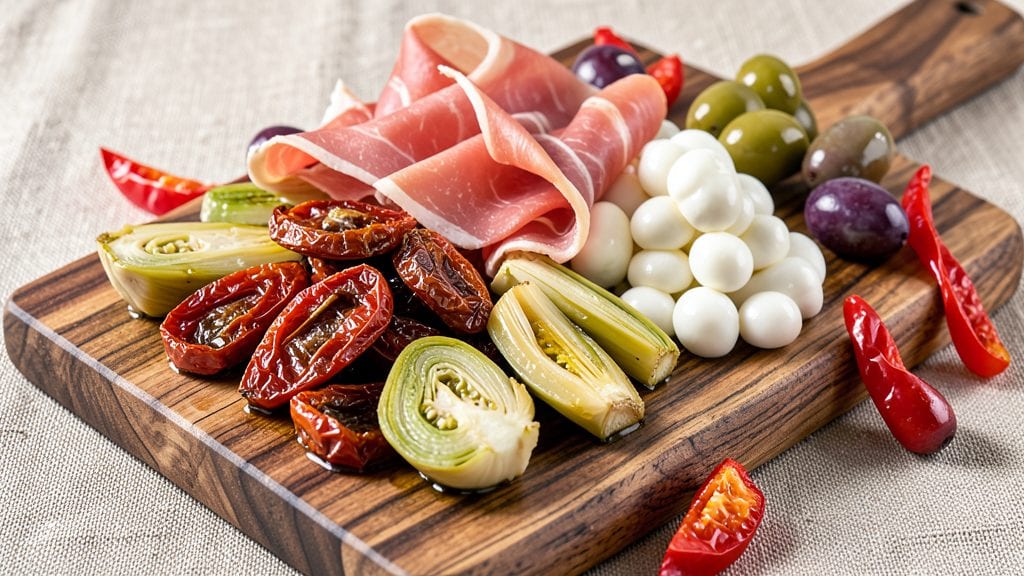
This antipasto recipe for canning transforms your pantry into an Italian treasure chest—think jarred sun-dried tomatoes, pickled artichokes, and fermented olives that taste like summer in every bite. ✨ I perfected this spread after years of canning with Mrs. Henderson, who swore by vinegar-packed vegetables that lasted through Ohio winters.
The secret? Sterilizing jars properly and processing them just right to lock in those bright, tangy flavors.
We're talking about a foolproof method that combines canned staples with fresh additions like marinated mozzarella pearls and cured meats. The canned elements—like my signature pickled peppers and fermented cauliflower—keep for months, while the fresh components add vibrant colors and textures when you're ready to serve.
It's the ultimate make-ahead spread for parties or lazy Sundays when you want flavors that pop without last-minute prep.
What makes this antipasto truly special is how it balances preservation science with restaurant-quality taste. The canned vegetables stay crisp-tender, the olives maintain their briny punch, and everything comes together on a platter that looks as impressive as it tastes.
Plus, you'll have backup ingredients for months—no more rushing to the store when guests drop by unexpectedly.
Whether you're hosting a holiday gathering or just craving Italian flavors without the restaurant price tag, this antipasto delivers. Let's get those jars sterilized and these flavors preserved—your future self will thank you when winter rolls around and you're still enjoying summer's bounty.
Ingredients for best antipasto recipe for canning
Italian flavors preserved in jars—bright, tangy, and ready for any occasion.
| Ingredient | Amount | Notes |
|---|---|---|
| Sun-Dried Tomatoes in Oil 🍅 | 1 cup | Packed in oil, drained well |
| Pickled Artichoke Hearts 🍈 | 1 cup | Packed in brine, drained |
| Fermented Green Olives 🫒 | 1 ½ cups | Pitted, Kalamata preferred |
| Marinated Mozzarella Pearls 🧀 | 1 cup | Fresh mozzarella cut into pearls |
| Prosciutto di Parma 🥓 | 6 oz | Thinly sliced, store-bought or homemade |
| Pickled Red Peppers 🌶️ | 1 cup | Sliced, vinegar-brined |
| White Wine Vinegar 🍷 | 1 cup | White or apple cider vinegar |
| Extra-Virgin Olive Oil 🫒 | ½ cup | For brining and finishing |
| Fresh Basil Leaves 🌿 | ¼ cup | Chopped, for garnish |
| Garlic Cloves 🧄 | 4 cloves | Minced, for marinade |
| Diamond Crystal Kosher Salt 🧂 | 2 tbsp | For brining and seasoning |
| Black Peppercorns 🌶️ | 1 tsp | Freshly cracked |
| Red Wine 🍷 | ½ cup | Dry, for fermented olives |
| Fresh Oregano Leaves 🌿 | 1 tbsp | Chopped, for flavor |
| Lemon Zest 🍋 | 1 tbsp | For brightening flavors |
The sun-dried tomatoes and pickled artichokes are the heart of this antipasto. Trader Joe's carries excellent pre-packed sun-dried tomatoes in oil, but if you're ambitious, make your own by drying Roma tomatoes on a rack. For artichokes, Whole Foods sells high-quality marinated hearts—just drain them well before using. Fermented olives should be briny and plump; California brand olives from the bulk section at Costco are my go-to. The mozzarella pearls? Fresh mozzarella from the deli counter cuts into perfect little balls—no fancy tools needed. Prosciutto matters too; Parma prosciutto has the best balance of salt and fat, but any quality cured ham works in a pinch.
No sun-dried tomatoes? Roasted cherry tomatoes with olive oil and balsamic can stand in. Artichokes too expensive? Pickled cauliflower florets (tossed in vinegar, garlic, and salt) mimic that tangy crunch. Running low on olives? Pickled capers or green beans add briny contrast. For the mozzarella, feta cheese crumbled over everything works if you're in a hurry. The marinade for the mozzarella pearls is simple—just olive oil, vinegar, garlic, and a pinch of salt. Mrs. Henderson always added a splash of red wine to the marinade, which deepens the flavor over time. If you're canning these components separately, remember to process them in a water bath for 15 minutes to ensure safety.
Store the canned components in a cool, dark place—they'll keep for up to 12 months if sealed properly. Fresh mozzarella pearls and prosciutto should be added just before serving to keep them vibrant. The basil and oregano can be stored in the fridge wrapped in damp paper towels for up to 5 days, or frozen in ice cube trays for later use. When assembling your antipasto, layer the canned elements first, then add the fresh components on top. This keeps everything looking beautiful and ready to eat—no last-minute stress when guests arrive.
Why You'll Love This Recipe
- No-Chop Necessary: I swear by this—just open jars and arrange. Sun-dried tomatoes and pickled artichokes are prepped for you, so it’s really about layering flavors, not prep work. The prosciutto just needs a quick tear, and those mozzarella pearls? Already marinated. Honestly, I’ve made this after a 10-hour shift.
- Umami Explosion: That first bite of salty prosciutto, briny olives, and creamy mozzarella—it’s like a party in your mouth. The sun-dried tomatoes add a chewy, sweet contrast, and the artichokes bring that tangy punch. I’ll be real: my husband grabs the bowl before I even sit down.
- Party-Plate Hero: Serve it as-is for a crowd, or use it to top toasted baguettes, pasta, or even a charcuterie board. I’ve turned leftovers into a quick lunch by tossing it with greens and a drizzle of olive oil. Works for game day, dinner guests, or just because.
- Jars for Days: This keeps for weeks in the fridge, so you’re always set for last-minute gatherings. Between us, I’ve had this antipasto last me through two workweeks—perfect for when I forget to meal prep. Plus, the prosciutto and mozzarella stretch thin, so it’s budget-friendly without feeling cheap.
Step-by-step instructions for preserving Italian antipasto
This method guarantees shelf-stable antipasto that tastes freshly made.
👨🍳 Step 1: Prepare the Brine Base
In a large bowl, combine the 1 cup white wine vinegar, 0.5 cup red wine, 2 tbsp diamond crystal kosher salt, 1 tsp black peppercorns, and 1 tbsp fresh oregano leaves. Stir until the salt fully dissolves and the mixture becomes a clear, aromatic liquid. This brine will preserve the flavors while keeping everything tender.
Add the 1 cup pickled artichoke hearts and 1 cup pickled red peppers to the brine. Let them soak for 15 minutes while you prepare the other components. The acidity in the vinegar will help break down any residual brine from the artichokes and peppers, ensuring consistent flavor throughout.
🥘 Step 2: Layer Components for Even Preservation
Drain the sun-dried tomatoes in oil thoroughly using a fine-mesh strainer, pressing gently to remove excess oil. Arrange them in a single layer at the bottom of four sterilized quart-sized canning jars. This creates a flavorful base that will infuse the other ingredients as they absorb the brine.
Next, distribute the 1 cup marinated mozzarella pearls evenly among the jars, followed by the drained artichokes and peppers. Fold in the 1.5 cups fermented green olives, ensuring they're spread uniformly. The mozzarella pearls will add creaminess while the olives contribute briny depth—both critical for authentic antipasto flavor.
🔥 Step 3: Add Protein and Aromatics
Layer the 6 oz prosciutto di parma in thin strips over the olives, followed by the minced 4 cloves garlic cloves and 1 tbsp lemon zest. The prosciutto adds salty richness while the garlic and lemon zest brighten the entire mixture. For each jar, add 2 tbsp of the prepared brine to ensure complete coverage of all ingredients.
Here's the thing—leave about 1 inch of headspace at the top of each jar. This prevents overflow during processing and ensures proper heat penetration. Tap the jars gently on the counter to remove any air bubbles that might form between layers.
⏰ Step 4: Seal and Process for Shelf Stability
Fill each jar with the remaining brine until the liquid covers all ingredients by at least 1 inch. Wipe the jar rims with a clean, damp cloth to remove any residue, then seal with sterilized lids. Place the jars in a boiling water bath canner, ensuring they're fully submerged in water that reaches 1 inch above the jar tops.
Process for 75 minutes at 212°F, maintaining a gentle boil throughout. This heat treatment kills bacteria and enzymes that could spoil the antipasto. After processing, remove the jars and let them cool undisturbed for 12 hours—this allows the seals to form properly. You'll hear a satisfying "ping" when the lids seal correctly.
🍽️ Step 5: Finish with Fresh Herbs and Store
Once cooled, remove the lids and add 1 tbsp chopped fresh basil leaves to each jar. Replace the lids and store the sealed jars in a cool, dark place. The basil adds a final fresh note that contrasts beautifully with the preserved flavors. Your antipasto will keep for up to 12 months—long enough to enjoy this Italian classic year-round.
When ready to serve, open a jar and let the flavors meld for 10 minutes before arranging on a platter. The preserved components will taste vibrant and complex, as if just prepared. This method preserves not just the ingredients, but the essence of Italian antipasto.
Pro Tips For Making Best Antipasto Recipe For Canning
- Drain, Don’t Rinse: DESCRIPTION: Sun-dried tomatoes and pickled artichokes keep their flavor when you drain them over a colander for 10 minutes—no cold water bath. I learned this the hard way when my first batch turned bland after a quick rinse. The oil and brine are part of the magic; just blot excess moisture with a paper towel before layering.
- Layer by Density: DESCRIPTION: Start with the heaviest components—prosciutto and mozzarella pearls—at the bottom of the jar. Top with olives, then artichokes, and finish with tomatoes. This prevents soggy bottoms and keeps everything visible when you open it later. (Yes, even if it looks like you’re building a tower.)
- Skip the Crowding: DESCRIPTION: Don’t pack the jar like sardines—leave 1-inch headspace. Fermented olives and marinated mozzarella expand slightly over time, and you don’t want a science experiment when you open it. Trust me, your future self will hate you less if you resist the urge to cram it all in.
- Acidify the Oil: DESCRIPTION: Add a splash of white wine vinegar or lemon juice to the sun-dried tomatoes’ oil before canning. This extends shelf life and keeps the oil from going rancid faster. I used to skip this, and after three months, the oil smelled like a gym locker. Now I add 1 tablespoon—non-negotiable.
Storing and reheating this recipe
Shelf Life Secrets
Your canned antipasto will stay vibrant for up to 12 months if stored properly in a cool, dark pantry—think root cellar conditions. I keep mine in the back of my pantry where the temperature stays around 65°F, away from sunlight that can degrade flavors.
The key is proper sealing: after processing, wait 12 hours for lids to seal completely before moving jars. You'll know they're sealed when the lids pop down and make that satisfying "ping" sound. 💫
Reheating Preserved Elements
Unlike fresh antipasto, the canned components don't need reheating—they're designed to be eaten straight from the jar at room temperature.
If you prefer slightly warmed olives or peppers (which some people do), I recommend heating them gently in a small saucepan with 2 tbsp olive oil over low heat for 3-4 minutes. Never microwave canned foods—they can make the contents too hot too quickly, causing texture issues.
For mozzarella pearls, add them to the warm oil last so they don't melt completely.
Reviving Stale Flavors
After months in storage, some flavors may mellow slightly. To refresh them, remove the jar's contents and toss everything with 1 tbsp fresh lemon juice and 1 tsp extra-virgin olive oil. Let sit for 10 minutes before serving—this brightens the acidity and restores that just-opened-from-the-jar freshness.
I also add a pinch of crushed red pepper flakes if the heat seems diminished over time. The olives will perk up immediately with this treatment.
Fresh Additions Strategy
The secret to serving canned antipasto like it's fresh is adding components that weren't preserved. I always include fresh basil leaves (torn, not chopped) and thinly sliced fennel bulb just before serving. The fennel adds a crisp, anise-like freshness that contrasts perfectly with the preserved flavors.
For extra wow factor, arrange everything on a marble slab or slate board—it makes the colors pop and gives that restaurant-quality presentation.
Freezing Backup Jars
If you've canned more than you can use in a year (which happens to me every time), don't toss the extras! Place sealed jars in a freezer-safe bag and freeze them for up to 6 months. When ready to use, thaw in the refrigerator overnight.
The texture of the olives and peppers may soften slightly, but they'll still taste amazing. I keep one backup jar in the freezer specifically for holiday gatherings—just in case my pantry supply runs low.
Safety First
Always check seals before opening jars—if the lid pops up when pressed, don't eat it. The 75-minute processing time at 212°F is non-negotiable for safety, especially with dairy components like mozzarella.
I use a ball canning kit with a dial gauge for accuracy, and I always process jars in a large stockpot with a rack to keep them submerged. When in doubt, when it comes to home canning, I say: "When in doubt, throw it out!"
Safety should always come first over convenience. ⚠️
Nutrition facts
Frequently asked questions
Can I use store-bought pickled vegetables instead of making my own?
Yes! Store-bought pickled artichokes, peppers, and olives work perfectly—they just need to be drained and rinsed well to remove excess brine. Look for brands with minimal added sugar or preservatives. For the marinade, adjust the vinegar and salt slightly since store-bought items already have some brine. This cuts prep time in half without sacrificing flavor.
How do I know if my canned antipasto is safe to eat?
Check for proper sealing first: press the center of the lid—if it doesn't pop up, it's sealed. Also verify the 75-minute processing time was maintained at 212°F. If the jar feels soft or smells off, discard it immediately. Remember: dairy products like mozzarella require extra care—never skip the water bath step, even if the recipe seems simple.
What's the best way to serve canned antipasto for a party?
Arrange the canned components on a large platter first, then add fresh elements like basil leaves and thinly sliced fennel just before serving. Use a marble board for an elegant touch, and add crudités like carrot sticks or celery on the side. For extra flair, drizzle with high-quality olive oil and sprinkle with cracked black pepper right before guests arrive.
Can I substitute mozzarella with another cheese?
For a vegetarian option, use marinated feta or halloumi—both hold up well in jars. If you prefer something milder, ricotta salata works beautifully. For a non-dairy alternative, try marinated tofu cubes or vegan mozzarella pearls. Just adjust the processing time to 60 minutes if using non-dairy products, as they don't require the same safety precautions.
Why did my mozzarella pearls turn rubbery after canning?
Over-processing or using pre-shredded mozzarella (which contains anti-caking agents) can cause this. Always use fresh mozzarella cut into pearls and process for exactly 75 minutes. If the texture is still off, try reheating the contents gently in olive oil for 3-4 minutes before serving—this often restores creaminess.