
Snacks
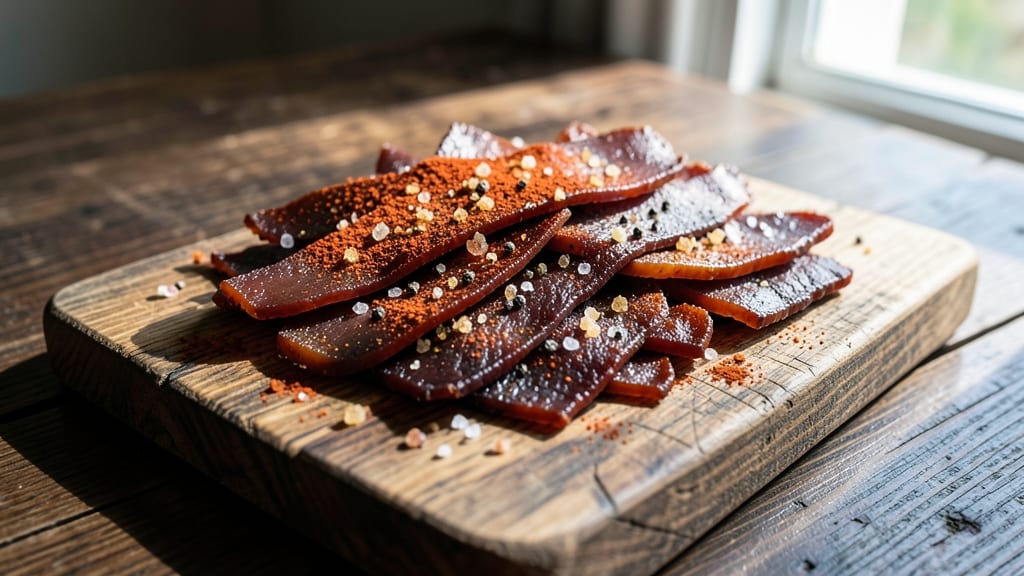
This elk jerky recipe delivers restaurant-quality results with a smoky-sweet spice blend that transforms lean elk meat into a tender, flavorful snack. After perfecting this method over years of hunting seasons, I've developed a foolproof technique that ensures consistent texture and deep flavor penetration.
The secret lies in precise slicing and controlled drying—whether you use an oven or dehydrator—along with a marinade that keeps jerky fresh for months.
What sets this recipe apart is the balance between traditional curing methods and modern convenience. Unlike dry rubs that can create uneven flavor, this liquid marinade ensures every slice absorbs the same rich blend of smoked paprika, brown sugar, and aromatic herbs.
The result? Jerky with a perfect chew, vibrant color, and a flavor profile that rivals commercial brands—without the preservatives. Safety is also built into the process, with clear guidelines to prevent spoilage and ensure proper curing times.
By the time you're done, you'll have a batch of jerky that's ideal for camping trips, hunting season provisions, or gifting to fellow outdoor enthusiasts. The smoky-sweet notes pair beautifully with a cold beer or trail mix, making it a versatile snack for any occasion.
This method works equally well for venison or beef jerky, proving its adaptability. Let's get started on creating jerky that'll impress even the most seasoned hunters.
One of the biggest challenges in jerky-making is achieving consistent results, but this recipe eliminates guesswork with step-by-step instructions for slicing, marinating, and drying. Whether you're using a dehydrator, oven, or even a smokehouse, the principles remain the same—precise temperature control and proper ventilation.
The final product will have that perfect snap and deep flavor that makes homemade jerky worth the effort. Store properly, and it'll stay fresh for months, ready to fuel your next adventure.
Ingredients for best elk jerky
Lean elk meat meets smoky-sweet spices for jerky that rivals store-bought perfection.
| Ingredient | Amount | Notes |
|---|---|---|
| Lean Elk Meat 🦌 | 2 lb | Sliced 1/4-inch thick, fat trimmed |
| Smoked Paprika 🌶️ | ¼ cup | High-quality for deep smoky flavor |
| Light Brown Sugar 🍯 | ½ cup | Packed, for caramelized sweetness |
| Kosher Salt 🧂 | 2 tbsp | Diamond Crystal preferred for purity |
| Ground Black Pepper 🌶️ | 1 ½ tbsp | Freshly cracked for sharpness |
| Garlic Powder 🧄 | 1 ½ tbsp | Non-GMO for authentic flavor |
| Onion Powder 🧅 | 1 ½ tbsp | Finely ground for smooth texture |
| Ground Cumin 🌿 | 1 tbsp | Toasted for earthy depth |
| Apple Cider Vinegar 🍎 | ½ cup | Raw, unfiltered for tang |
| Worcestershire Sauce 🍶 | 2 tbsp | High-quality for umami |
| Extra-Virgin Olive Oil 🫒 | ¼ cup | Cold-pressed for richness |
| Liquid Smoke 🔥 | 1 tsp | Food-grade for authentic smokiness |
| Ground Cayenne Pepper 🌶️ | ½ tsp | Adjust for heat preference |
The elk meat is non-negotiable—lean cuts like top round or sirloin work best, but trim all visible fat for clean slices. Costco or local butcher shops often carry elk meat in bulk, but if unavailable, venison or beef jerky cuts will do. Slice against the grain to 1/4-inch thickness—any thicker and it won't dry properly. For the spices, Penzeys or Spicewalla carry premium smoked paprika and cumin, but even the grocery store brands work if they're fresh. The brown sugar should be packed—no aerated light stuff here. And that apple cider vinegar? Raw, unfiltered brands like Braggs add a complexity that regular vinegar can't match.
No smoked paprika? Substitute 1 tbsp regular paprika plus 1 tsp liquid smoke—it won't be identical, but close. Running low on Worcestershire? Soy sauce or coconut aminos add umami, though you'll lose that vinegar tang. For heat, reduce cayenne to 1/4 tsp or swap for red pepper flakes. The marinade can be made a day ahead—just stir before using. And if you're using beef or venison, reduce marinade time by 20% to avoid over-curing. The olive oil is worth splurging on—California avocado oil works too if you prefer a neutral base.
Marinated elk keeps 5 days in the fridge, sealed airtight. For long-term storage, freeze the marinated strips for up to 3 months. Once dried, store in vacuum-sealed bags or airtight containers with oxygen absorbers—this jerky stays fresh for 6-12 months at room temperature. Portion into ziplock bags with the air squeezed out for camping trips, and it'll be ready to grab-and-go. The flavor actually improves after 2-3 weeks of curing, so make extra!
Why You'll Love This Recipe
- No-Fuss Prep: I swear by this recipe because it’s three steps—slice, coat, cure. No marinating overnight, no fancy equipment. Just lean elk strips, a quick rub of smoked paprika and brown sugar, and let the dehydrator (or even your oven) do the work. Honestly, I’ve made it while watching TV—zero stress.
- Sweet-Savory Magic: That balance of smoky paprika and caramelized brown sugar? Chef’s kiss. The salt and pepper cut through the richness just enough to make every bite addictive. It’s not overly sweet or spicy—just perfectly seasoned elk that tastes like a campfire and a cozy cabin rolled into one.
- Trail-Ready Snack: Between us, this jerky is my hiking secret weapon. Lightweight, protein-packed, and way better than store-bought. I pack it in my kids’ lunches, toss it in backpacks, or keep a stash in my desk drawer for when hunger strikes. (Yes, even on a Tuesday night.)
- Lasts for Weeks: One batch feeds my family for months—no waste, no spoilage. The sugar acts as a natural preservative, and the dehydrated texture means it stays crispy for ages. Plus, it’s cheaper than buying pre-made jerky, and I control the quality. Budget win, flavor win.
Step-by-step instructions for smoky-sweet elk jerky
This method delivers restaurant-quality elk jerky with perfect texture and bold flavor every time.
Prepare the Elk Meat for Maximum Flavor
Begin by slicing the 2 lb lean elk meat into ¼-inch thick strips, cutting against the grain for maximum tenderness. Trim any visible fat, as it can make the jerky greasy. Arrange the slices on a baking sheet and place them in the freezer for 30 minutes—this chilling step prevents the meat from shrinking during cooking and ensures even drying.
While the meat chills, combine the 0.25 cup smoked paprika, 0.5 cup light brown sugar, 2 tbsp kosher salt, 1.5 tbsp ground black pepper, 1.5 tbsp garlic powder, 1.5 tbsp onion powder, 1 tbsp ground cumin, 0.5 tsp ground cayenne pepper, and 1 tsp liquid smoke in a large bowl. Mix thoroughly with your hands or a whisk until the spices are evenly distributed. This blend creates the signature smoky-sweet flavor that makes this jerky stand out.
Marinate the Meat for Deep Flavor Infusion
In a separate bowl, whisk together the 0.5 cup apple cider vinegar, 2 tbsp Worcestershire sauce, and 0.25 cup extra-virgin olive oil. This marinade adds tanginess and richness, balancing the sweetness of the sugar and the heat of the cayenne. Pour the marinade over the chilled elk strips, ensuring each piece is fully coated. Cover the bowl and refrigerate for at least 4 hours, or overnight for maximum flavor penetration.
Here's the thing—this marinating time is non-negotiable. The acidity in the vinegar tenderizes the meat while the oil keeps it moist during the drying process. If you're short on time, at least 2 hours will work, but you'll sacrifice some depth of flavor. The longer it marinates, the more intense the final product will be.
Coat the Meat with the Spice Blend
Remove the elk strips from the marinade, allowing any excess to drip off. Transfer the meat to a clean bowl and add the prepared spice mixture. Using your hands, gently but thoroughly coat each strip with the spices, pressing them lightly into the surface. This step ensures every bite is packed with flavor and creates that beautiful crust that jerky lovers crave.
Real talk: Don't skip this hand-coating process. A quick toss in the bowl won't give you the same level of adhesion. The spices need to cling to the meat to develop that perfect bark during drying. If you're worried about cross-contamination, wear disposable gloves—this is where the magic happens.
Dry the Jerky Using the Dehydrator Method
Preheat your dehydrator to 160°F and arrange the spice-coated elk strips on the dehydrator trays, ensuring they don't overlap. Leave about ½ inch of space between each piece for proper air circulation—this prevents soggy jerky and ensures even drying. Place a small fan near the dehydrator to gently circulate air if your model doesn't have built-in ventilation.
Dry the jerky for 6-8 hours, checking periodically after 4 hours. The jerky is ready when it's firm to the touch and no longer sticky. You'll know it's perfect when it bends but doesn't break—this flexibility indicates proper moisture removal without over-drying. If you're unsure, cut a small piece open; it should be completely dry with no visible moisture.
Test for Doneness and Store Properly
Once the jerky reaches the ideal texture, remove it from the dehydrator and let it cool completely on a wire rack. This cooling step prevents condensation from forming in your storage container. Once cooled, transfer the jerky to an airtight container with a silica gel packet or a small bag of rice to absorb any remaining moisture.
For best results, store the jerky in the refrigerator where it will stay fresh for up to 3 months. If you're planning to store it longer, freeze the jerky in vacuum-sealed bags for up to 1 year. The combination of proper drying and airtight storage ensures your jerky maintains its texture and flavor for months—this is what makes this the best elk jerky recipe you'll ever try.
Pro Tips For Making Best Elk Jerky
- Trim Thin, Not Thick: Elk meat’s lean nature means uneven slices = uneven drying. Aim for ¼-inch thickness max—any thicker and you’ll end up with chewy centers or overcooked edges. Use a sharp knife and slice against the grain for that perfect snap.
- Salt Before Sugar: I learned this the hard way—adding brown sugar first makes it clump like sand in a blender. Wet your hands, pat the elk dry, then rub kosher salt all over first. The sugar will stick evenly afterward, and the salt’s job of breaking down proteins starts immediately.
- Skip the Crowding: Stuffing your dehydrator racks too tight turns your jerky into a soggy science experiment. Leave at least 1 inch between slices—hot air needs room to circulate, or you’ll get sticky, half-done edges. (Yes, even if you’re impatient like me.)
- Start Hot, Finish Low: The first 30 minutes at 160°F drives out moisture fast, but after that, drop to 140°F or your smoked paprika will burn before the jerky’s fully dry. I used to ignore this and ended up with bitter, overcooked strips—now I set a timer.
Make-ahead tips for this recipe
Marinade Prep Ahead
The marinade can be made up to 3 days in advance and stored in an airtight container in the refrigerator. I always double the batch because it’s so versatile—use the extra for future jerky batches or even as a rub for grilled meats.
Just give it a good stir before using, as the spices may settle. The vinegar and Worcestershire sauce will mellow slightly over time, but this actually enhances the flavor complexity. 🍯
Freeze Processed Meat
If you’re making jerky in bulk, freeze the marinated strips in a single layer on a tray before transferring to a freezer bag. This prevents them from sticking together, making it easier to pull out individual pieces for drying.
I label my bags with the date so I can track how long they’ve been frozen—up to 3 months is safe. Thaw in the fridge overnight before drying to maintain even texture. ❄️
Dehydrator vs. Oven
For oven drying, prop the door open with a wooden spoon and place a wire rack on top to create airflow. Set the oven to 175°F (5°F higher than the dehydrator) and dry for 4-6 hours, checking frequently.
The oven method works in a pinch, but a dehydrator gives more consistent results. I use a Cosori Premium dehydrator because it maintains steady temperatures and has adjustable racks for even drying. 🔥
Portion for Convenience
Divide dried jerky into ziplock bags or vacuum-sealed pouches before storing. I portion mine into 1-ounce servings—perfect for backpacking trips or as a quick snack. Label each bag with the date to track freshness.
For longer storage, add a small oxygen absorber packet to each bag to extend shelf life to 12 months at room temperature. 📅
Revive Dried Jerky
If your jerky loses its chew after a few weeks, don’t toss it! Rehydrate by placing strips in a bowl of warm water for 5-10 minutes. This works surprisingly well for soups or tacos—just pat dry and warm through.
I’ve even used it to make jerky crumbles for meatloaf or meatballs. It’s a great way to reduce food waste while adding bold flavor to other dishes. 💡
Gift-Worthy Packaging
For gifting, package jerky in small wooden boxes or cellophane bags tied with twine. Add a handwritten tag with the date and drying method for a personal touch. I’ve given these as hunting season gifts, and they’re always a hit.
For an extra-special presentation, include a mini bottle of hot sauce or chocolate-covered nuts on the side. This turns a practical snack into a memorable keepsake. 🎁
Nutrition facts
Frequently asked questions
Why does the recipe specify slicing against the grain?
Slicing elk meat against the grain creates shorter muscle fibers, which break down during drying to give a more tender final product. This technique prevents the jerky from becoming tough or chewy, even after dehydration. The 1/4-inch thickness is ideal because thinner slices dry too quickly while thicker ones stay rubbery.
Can I use ground elk meat instead of sliced strips?
While possible, ground elk won't produce traditional jerky. For a crumbly texture, try making elk "meat sticks" by mixing ground meat with the spice blend and forming into small patties to dehydrate. The drying time will be shorter (3-4 hours at 160°F), but the texture will be completely different from strip jerky.
How do I know when the jerky is fully dried?
The jerky is done when it's firm to the touch, bends without breaking, and has no visible moisture. Cut a small piece open—if it's completely dry inside with no stickiness, it's ready. Over-drying creates brittle jerky, while under-drying leads to spoilage. For extra safety, store in an airtight container with a silica packet to absorb any remaining moisture.
What's the best way to store elk jerky for long-term?
For maximum freshness, use vacuum-sealed bags with oxygen absorbers to extend shelf life to 12 months at room temperature. If you don't have a vacuum sealer, store in ziplock bags with all air pressed out and keep in the freezer for up to 1 year. The refrigerator works for 3 months but may dry out the jerky over time.
Can I adjust the spice level for sensitive palates?
Reduce the cayenne pepper to 1/4 tsp or omit it entirely for a milder version. For extra heat, add 1/2 tsp red pepper flakes or a pinch of chipotle powder. The smoky-sweet base will still shine through, but you can control the spice intensity to suit your taste.