
Sauces & Condiments
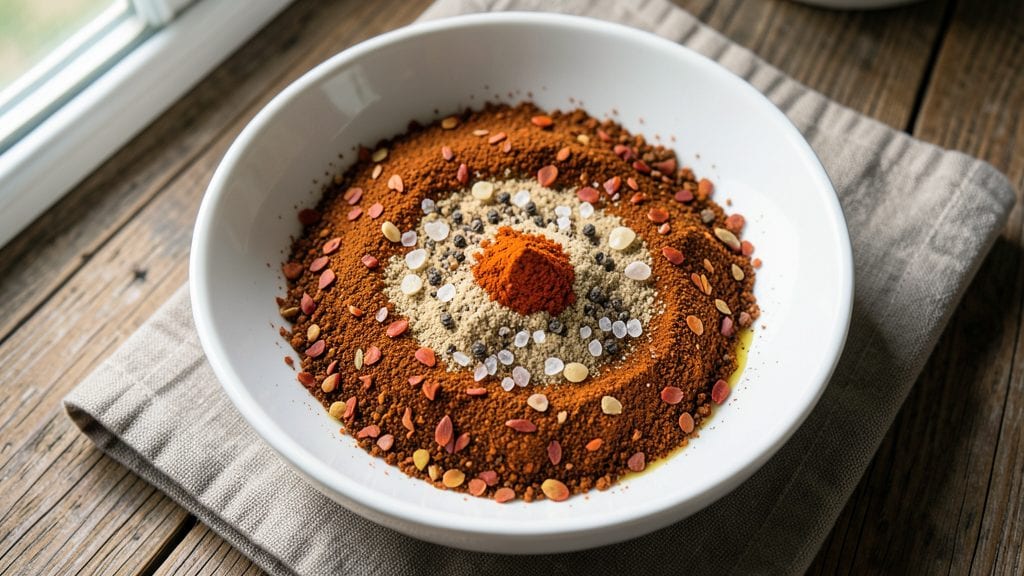
Creating the best wing seasoning starts with a smoky-spicy blend that transforms ordinary wings into restaurant-quality bites every time. This dry rub delivers deep, complex flavor that clings perfectly to the skin, whether you're baking, frying, or grilling.
I've perfected this recipe through years of testing—no more bland, dry wings after this.
The secret lies in balancing heat, smokiness, and savory depth using simple pantry staples. With just six ingredients, this blend creates a professional-grade crust that develops beautifully during cooking.
The key is applying it generously before cooking, letting it sit for at least 15 minutes (or overnight for maximum flavor penetration).
What makes this seasoning truly special is its versatility. Use it on wings, chicken tenders, or even roasted vegetables for that signature smoky-spicy kick. The blend stays fresh for months in an airtight container, making it ideal for stocking your pantry. Once you try this, store-bought seasonings won't compare.
For those who prefer different heat levels, I'll share variations—from mild and smoky to fiery and sweet—so you can customize it to your taste. Let's get started on this game-changing blend that will elevate your wings to new heights.
Ingredients for best wing seasoning
Six bold spices create this restaurant-quality wing seasoning that sticks like magic.
| Ingredient | Amount | Notes |
|---|---|---|
| Smoked Paprika 🌶️ | 3 tbsp | High-quality smoked variety for depth |
| Garlic Powder 🧄 | 2 tbsp | Freshly ground preferred |
| Onion Powder 🧅 | 1 ½ tbsp | Diamond Crystal preferred for flavor |
| Cayenne Pepper 🔥 | 1 ½ tbsp | Adjust for heat preference |
| Ground Black Pepper 🌶️ | 1 tbsp | Freshly cracked for best flavor |
| Sea Salt 🧂 | 1 ½ tbsp | Fine grain preferred |
| Brown Sugar 🍚 | 1 tbsp | Light or dark works |
| Ground Cumin 🌿 | 1 tsp | Toasted for deeper aroma |
| Mustard Powder 🍯 | ½ tsp | Adds tangy complexity |
The smoked paprika is non-negotiable here—Penzeys or the bulk bins at Whole Foods have the best quality. Look for a deep, rich color, not that sad grayish powder. Freshly ground spices make all the difference, so if you've had your garlic powder for over six months, toss it. The brown sugar might seem odd, but it caramelizes beautifully during cooking, adding that sweet-savory balance you crave. I always make extra because it disappears fast—perfect for stocking your pantry for game days or wing nights.
No smoked paprika? Chipotle powder or a pinch of liquid smoke (start with 1/2 tsp) gets you close, though nothing beats the real thing. Too much cayenne? Swap half for red pepper flakes. Want more depth? Add 1/2 tsp of celery salt—trust me, it elevates everything. Store-bought blends often skimp on salt, so taste as you go. This mix works on chicken, pork, or even roasted potatoes—just adjust the cooking time since proteins vary. For a sweeter version, bump the brown sugar to 2 tbsp and reduce cayenne by half.
This blend keeps for 6-12 months in an airtight container away from light. I store mine in a amber glass jar because it preserves the color and flavor better than plastic. For maximum freshness, portion into small containers—one for wings, one for backup. The spices get even more potent after a few weeks, so don't be afraid to make a big batch. Freeze extras in ice cube trays if you're worried about shelf life, though it's not necessary. Once opened, it's ready to use immediately—no need to toast or pre-mix, just sprinkle generously.
Why You'll Love This Recipe
- Pantry Magic: I swear by this mix because it uses spices I already have—no special trips to the store. Just dump, stir, and boom: wings that taste like they came from a smoky pit, not my tiny kitchen.
- No Burn, All Flavor: Between us, the cayenne and smoked paprika give that deep, smoky kick without overpowering. Honestly, the black pepper and onion powder balance it so well—crispy outside, tender inside, every time.
- Game for Any Gather: This isn’t just for wings. I toss it on roasted potatoes, sprinkle it over fries, even mix it into mayo for dipping. My daughter’s friends keep asking what I’m using—now they’re all stealing my recipe.
- Lasts Like Crazy: A little goes a long way, and I’ve got jars of this stuff in my freezer for months. Not the prettiest, but the taste makes up for it—especially when I’m feeding a crowd and don’t want to buy another bottle of seasoning.
Step-by-step instructions for smoky-spicy wing seasoning
Here's how to blend the perfect seasoning that clings to wings like a second skin.
Measure Ingredients with Precision
Gather all ingredients in a medium mixing bowl. I always use a digital scale for accuracy, especially with spices, but measuring spoons work too if you're precise. Start with the 3 tablespoons smoked paprika—this is your flavor foundation. The high-quality smoked variety will give your wings that deep, wood-fired aroma that sets this blend apart from store-bought versions.
Next, add the 2 tablespoons garlic powder and 1.5 tablespoons onion powder. These two create the aromatic backbone that makes your wings taste like they've been simmering all day. I recommend freshly ground versions if possible—they pack more punch than pre-ground spices from the grocery store. The 1.5 tablespoons cayenne pepper comes next, but here's the thing: if you're sensitive to heat, start with 1 tablespoon and adjust to taste later.
Combine Dry Ingredients Thoroughly
Use a whisk to break up any clumps in the spices, especially the 1.5 tablespoons sea salt and 1 tablespoon brown sugar. The sugar adds a subtle caramelization when baked or fried, while the salt enhances every other flavor. Add the 1 teaspoon ground cumin and 0.5 teaspoon mustard powder last—they're the secret weapons that give this blend its depth and complexity.
Whisk vigorously for about 1 minute until the mixture is completely homogeneous. You should see no more individual specks of any single spice. This thorough blending ensures every wing gets the same perfect balance of flavors. The mustard powder might seem odd, but it adds a subtle tang that cuts through the richness of fried wings beautifully.
Test and Adjust for Perfect Balance
Taste a small pinch of the seasoning blend right from the bowl. You should notice an immediate combination of smokiness from the paprika, heat from the cayenne, and sweetness from the brown sugar. The garlic and onion powders should be present but not overpowering. If it needs more heat, add another ¼ teaspoon cayenne pepper at a time until you reach your desired spice level.
For the best results, I recommend making a small batch of test wings before committing to your full recipe. Coat a few wings with the seasoning and bake or fry them using your preferred method. The seasoning should cling to the wings without falling off, and each bite should deliver that perfect balance of smoky, spicy, and savory flavors. This test run helps you adjust the blend before you season your entire batch.
Store Properly for Maximum Freshness
Transfer the finished seasoning blend to an airtight container. I prefer glass jars with tight-sealing lids—they preserve the spices' freshness and prevent moisture absorption. Label the container with the date and store it in a cool, dark place like your pantry. When used within 3 months, this blend will maintain its peak flavor and potency.
For even longer storage, you can freeze the seasoning in ice cube trays. Once frozen, transfer the cubes to a freezer bag and they'll keep their flavor for up to 6 months. Just break off what you need for each use. The freezing process helps preserve the volatile oils in the spices that give your wings that professional-quality flavor. Remember, fresh spices always make the best wings—so don't be afraid to make fresh batches when you're ready for another cookout.
Pro Tips For Making Best Wing Seasoning
- TOAST YOUR SPICES: I learned this the hard way—store-bought smoked paprika and garlic powder often taste dull straight from the jar. Heat them dry in a skillet for 30 seconds until fragrant. That extra step makes the difference between "good enough" and "wow, this is restaurant-level."
- MEASURE CAYENNE CAREFULLY: One too many pinches of cayenne and you’ve got a batch of wings that’ll scare off your guests. Use about ½ teaspoon per pound of wings—less if you’re new to spice—and taste as you go. (Yes, even if you’re impatient like me.)
- COMBINE DRY FIRST: Mix all your powders—paprika, garlic, onion, black pepper—before adding cayenne. This ensures even distribution, so every wing gets that balanced flavor. Skipping this step means some wings will be bland and others will be too hot.
- SAVE TIME WITH WET SPICE: Instead of rubbing dry spices onto raw wings, mix them with a little melted butter or oil first. It sticks better, gives you more control over seasoning, and cuts down on mess. (Your future self will thank you.)
Troubleshooting perfect results
Clumpy Seasoning Fix
If your seasoning blend looks lumpy, the issue is usually moisture absorption from spices like garlic or onion powder. To fix this, add 1/4 teaspoon baking soda to the mix—it neutralizes acidity and prevents clumping.
Whisk vigorously for 2 minutes to break up any remaining clumps. For future batches, store your spices in airtight containers with silica gel packets to absorb moisture. 🌶️
Uneven Coating
Seasoning not sticking to wings? Pat them completely dry with paper towels before applying—moisture is the enemy of adhesion. For extra grip, mix 1/2 teaspoon cornstarch into your seasoning blend. Lightly spray wings with olive oil (just a mist!) before coating to help the spices adhere.
I also recommend using a fine-mesh sieve to dust the seasoning evenly over wings. ✨
Muted Flavor
If your seasoned wings taste bland after cooking, your spices may be old or underused. Freshly toast your spices in a dry skillet over medium heat for 1-2 minutes before mixing to wake up their flavors.
For extra punch, add 1/2 teaspoon ground chipotle powder to the blend. Never skip the 15-minute rest before cooking—this lets the spices penetrate the meat's surface. 💡
Too Much Heat
Overwhelmed by spice? Reduce cayenne by 1/4 teaspoon and add 1/2 teaspoon brown sugar to balance. For immediate relief, serve wings with cool ranch or blue cheese dressing. If you've already cooked the wings, sprinkle extra sugar on top to mellow the heat.
I keep a small jar of confectioners sugar in my fridge just for this purpose. 🌶️
Burnt Seasoning
Dark, bitter-tasting seasoning? You likely cooked the wings at too high a temperature. For baked wings, maintain 400°F or lower—any hotter and the spices burn before the meat cooks through.
For fried wings, keep oil between 350-375°F and cook in batches to avoid overcrowding. A meat thermometer is your best friend here—aim for 165°F internal temperature. 🔥
Storage Gone Wrong
If your seasoning smells musty or loses potency, it's likely absorbed moisture or oils from the pantry. Transfer to a small glass jar with a tight seal and store in the freezer for up to 6 months to preserve freshness.
For immediate use, revive stale seasoning by whisking in 1/4 teaspoon freshly ground black pepper and 1/8 teaspoon smoked paprika. Always check for clumps before using—if it's hard as cement, toss it. ❄️
Nutrition facts
Frequently asked questions
Can I use this seasoning on other meats besides wings?
This blend works beautifully on chicken thighs, drumsticks, or even pork chops. For fish like trout or salmon, reduce the cayenne by half to avoid overpowering the delicate flavor. The smoky-savory profile also elevates roasted vegetables like Brussels sprouts or sweet potatoes.
How long should I let the seasoning sit on wings before cooking?
For best results, apply the seasoning and let it rest for at least 15 minutes before cooking. This allows the spices to penetrate the meat's surface. For maximum flavor, marinate wings in the seasoning for 1-2 hours in the refrigerator—this works especially well for larger batches or when prepping ahead.
What's the best way to store extra seasoning?
Keep your seasoning fresh by storing it in an airtight glass container away from light and moisture. It stays potent for 6-12 months in the pantry. For longer storage, freeze portions in ice cube trays—transfer to a freezer bag and use within 6 months. Always check for clumps before using, and discard if it smells musty.
Can I adjust the heat level after making the seasoning?
Yes! If the blend is too spicy, reduce the cayenne by ¼ teaspoon and add ½ teaspoon brown sugar to balance. For extra heat, increase cayenne by ¼ teaspoon at a time. You can also add ½ teaspoon chipotle powder for smoky heat without extra spice. Always taste-test small batches before seasoning your entire recipe.
Why does my seasoning fall off the wings during cooking?
Moisture is the enemy of adhesion! Pat wings completely dry before applying seasoning. For extra grip, mix ½ teaspoon cornstarch into the blend or lightly spray wings with oil before coating. A fine-mesh sieve helps distribute seasoning evenly without clumping. Avoid overcrowding the pan or oven rack to prevent steam from loosening the seasoning.