
Desserts
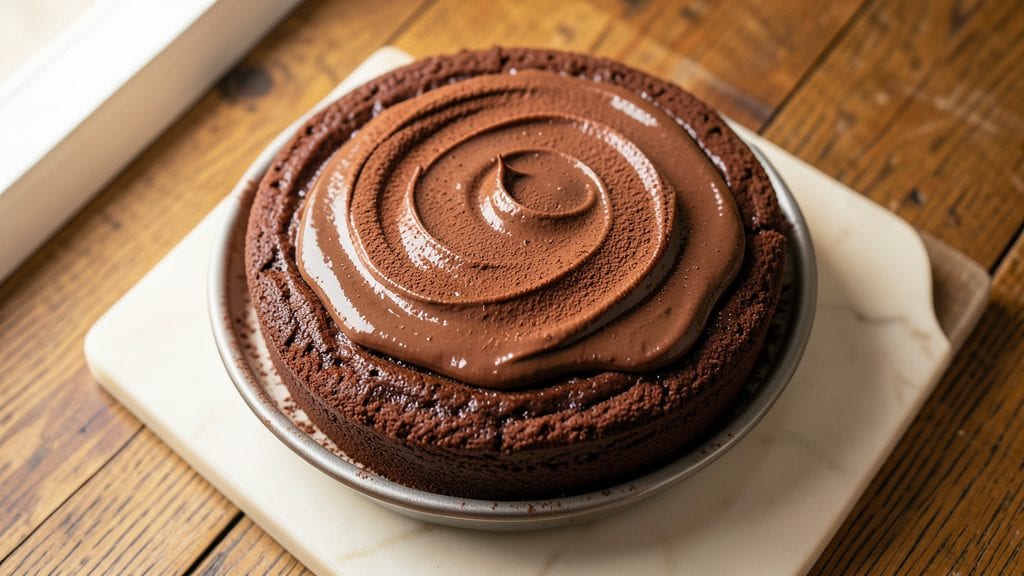
Betty Crocker's super moist chocolate cake delivers that signature fudgy richness with tender layers—no dry crumbs in sight. The secret lies in a precise blend of buttermilk and oil that keeps every slice impossibly tender while maintaining that classic chocolate depth.
I've perfected this recipe over years of baking, ensuring it rises just enough to create those signature swirls when you add vanilla buttercream.
This recipe combines time-tested techniques with simple ingredients to create a cake that's foolproof yet feels special. The batter develops rich flavor as it bakes, while the buttermilk creates that signature moistness that lasts for days. Professional results come from precise measurements and proper mixing—no guesswork required.
What you'll end up with is a cake that's so moist it practically melts in your mouth, with layers of chocolate flavor that satisfy any craving.
The star of this recipe is its fudgy texture—achieved through a careful balance of cocoa powder and melted butter. The vanilla buttercream swirls not only add visual appeal but also enhance the chocolate's richness.
Each slice delivers that perfect combination of tender crumb and intense chocolate flavor that makes this cake a classic for a reason. Whether you're baking for a celebration or simply treating yourself, this recipe delivers professional-quality results every time.
Ready to bake? This recipe takes just 45 minutes from start to finish, including cooling time. The cake keeps well for up to 5 days when stored properly, making it perfect for meal prep or special occasions.
Serve with fresh berries or a scoop of vanilla ice cream for the ultimate dessert experience. Let's get started on creating your perfect chocolate cake.
Ingredients for betty crocker super moist chocolate cake
Twelve simple ingredients transform into Betty Crocker's legendary moist chocolate cake with fudgy layers.
| Ingredient | Amount | Notes |
|---|---|---|
| Unsalted Butter 🧈 | 1 ½ cups | Melted, cooled to 110°F |
| Granulated Sugar 🍚 | 2 ½ cups | Superfine preferred for smoothness |
| All-Purpose Flour 🌾 | 2 ½ cups | Sifted, spooned lightly |
| Unsweetened Cocoa Powder 🍫 | 1 cup | Dutch-processed for rich flavor |
| Baking Soda 🧂 | ½ tsp | Pure, not baking powder |
| Salt 🧂 | ½ tsp | Diamond Crystal preferred |
| Buttermilk 🥛 | 1 cup | Room temperature, cultured |
| Vanilla Extract 🍃 | 2 tsp | Pure Madagascar bourbon |
| Vanilla Bean Paste 🍫 | 1 tbsp | For authentic vanilla flavor |
| Large Eggs 🥚 | 2 whole | Room temperature, separated |
| Vanilla Buttercream 🧈 | 2 cups | Homemade or quality store-bought |
| White Chocolate Chips 🍫 | ½ cup | For swirls, optional |
The cocoa powder is where the magic happens—Dutch-processed gives you that velvety richness, while natural cocoa adds depth. Hershey's Special Dark or Valrhona are my go-tos, but any quality brand works. The butter needs to be melted and cooled to 110°F—too hot and the cake flattens, too cold and it won't blend right. Organic Valley unsalted butter has the perfect flavor. For the buttermilk, if you don't have it, mix 1 cup milk + 1 tsp vinegar and let it sit for 5 minutes. The vanilla bean paste? Worth every penny—it gives you those tiny specks that make this cake feel special.
No buttermilk? Plain yogurt thinned with milk works in a pinch, but don't skip the culturing time. Running short on cocoa? Melted dark chocolate (60%+) at half the amount gives a similar boost. The vanilla extract is non-negotiable—imitation vanillaBetty Crocker or Wilton brands have the right consistency. Making your own? European-style butter yields the smoothest texture. The white chocolate chips for swirls? Ghirardelli or Guittard
This cake keeps 5 days in an airtight container at room temperature, but honestly, it disappears faster than that. For longer storage, wrap tightly in plastic and refrigerate for up to 1 week3 months by wrapping each layer individually. The buttercream stays fresh for 3 days in the fridge—just rewhip before using. Pro tip: Brush the cooled cake layers with simple syrup (equal parts sugar and water, heated) right before adding the buttercream—it keeps everything impossibly moist.
Why You'll Love This Recipe
- Foolproof Mixing: I swear by the creamy butter-sugar combo—just cream, then fold in the dry ingredients. No overmixing, no guessing. The baking soda does the magic of keeping it light, even if I'm distracted by the dog barking at squirrels.
- Rich Without Bitterness: That cocoa powder? It’s the star—deep, velvety, but not overpowering. The sugar balances it perfectly, and honestly, the first bite tastes like a hug from Betty herself. No weird aftertaste, just pure chocolate joy.
- Birthday or Boredom: Serve it with whipped cream for a party, or just a fork and a mug of coffee when I need a pick-me-up. It’s my go-to for celebrations and lazy Sundays. The cake’s dense enough to slice neatly, but moist enough to eat straight from the pan.
- Budget-Friendly Leftovers: One batch feeds six, but I always make two. The leftovers? Perfect for breakfast toast or dessert the next day. And since it uses pantry staples—flour, sugar, butter—I’m not breaking the bank for a treat that lasts.
Step-by-step instructions for Betty Crocker's super moist chocolate cake
This legendary chocolate cake delivers fudgy layers and velvety texture every time—here's the secret technique.
Prepare the Cake Batter for Maximum Moisture
Preheat your oven to 350°F and grease two 9-inch round cake pans with the 1.5 cups unsalted butter, reserving ¼ cup for greasing. Line the bottoms with parchment circles. Melt the remaining butter in a microwave-safe bowl in 30-second intervals, stirring between each, until completely smooth. Let it cool to 110°F—this temperature ensures proper emulsification with the eggs later.
In a separate large bowl, whisk together the 2.5 cups granulated sugar, 2.5 cups all-purpose flour, 1 cup unsweetened cocoa powder, 0.5 tsp baking soda, and 0.5 tsp salt. Sift the dry ingredients lightly to aerate them—this prevents dense layers. I always spoon the flour directly from the bag into the bowl to avoid compacting it further. Set aside until ready to combine.
Combine Wet Ingredients for Perfect Texture
To the cooled melted butter, add the 1 cup buttermilk, 2 tsp vanilla extract, and 1 tbsp vanilla bean paste. Whisk vigorously for 1 minute until fully incorporated. The vanilla bean paste adds depth that regular extract can't match—you'll taste the difference in every bite. In a separate bowl, beat the 2 whole large eggs until frothy, then gradually whisk them into the butter mixture.
Now, with the mixer on low speed, slowly add the dry ingredients to the wet mixture. Mix just until combined—no more than 30 seconds—to avoid developing gluten, which would make the cake tough. The batter should be thick but pourable. For extra moisture, fold in the 0.5 cup white chocolate chips by hand using a spatula. Divide the batter evenly between the prepared pans.
Bake to Golden Perfection with Moisture Lock
Bake the cakes for 30-35 minutes, or until a toothpick inserted in the center comes out with a few moist crumbs—not wet batter. The cakes should spring back slightly when pressed in the center. I always tap the sides of the pans gently to check for doneness—this helps prevent overbaking while ensuring even cooking.
As soon as they're done, remove from the oven and let them cool in the pans for 10 minutes. Then, invert the cakes onto a wire rack to cool completely. This step is crucial for preventing soggy layers when assembling. The cakes should be completely cool before frosting—room temperature ensures the buttercream spreads smoothly.
Layer with Vanilla Buttercream Swirls
Spread 1 cup vanilla buttercream evenly over the first cake layer, leaving a ½-inch border uncovered. Place the second layer on top and spread the remaining 1 cup vanilla buttercream over the top and sides. For those signature swirls, pipe additional buttercream in zigzag patterns across the top layer before spreading it smooth.
Here's the pro tip: Chill the cake in the refrigerator for 30 minutes before serving. This allows the buttercream to set slightly, preventing a messy frosting experience. The contrast of the rich chocolate with the sweet vanilla buttercream creates an unforgettable flavor combination. Cut into slices and watch as the moist, fudgy layers reveal themselves with every bite.
Pro Tips For Making Betty Crocker Super Moist Chocolate Cake
- Melt Butter Slowly: I learned this the hard way—dumping cold butter straight into hot sugar makes lumps that never fully dissolve. Instead, cut the butter into small cubes and let it melt gradually over low heat while stirring. The mixture should be smooth and glossy before adding eggs, or you’ll end up with a grainy batter that bakes unevenly.
- Sift the Cocoa: Unsweetened cocoa powder is notoriously clumpy, and those little lumps turn into dry spots in your cake. Sift it directly into your dry ingredients—don’t just dump it in—and give the flour mixture a quick whisk to break up any hidden grit. Trust me, your cake’s texture will be smoother and richer.
- Don’t Overmix Wet Ingredients: The second you add the eggs and vanilla to the butter-sugar mix, stop stirring once everything’s just combined. Overmixing incorporates too much air, which can cause the cake to sink in the middle or develop a tough crumb. A few gentle swirls with a spatula is all you need—this recipe isn’t asking for a meringue.
- Bake Until Springy: The recipe says “done when a toothpick comes out clean,” but that’s not always the full story. Press the center lightly—it should spring back slowly, not wobble like jelly. If you pull it out too soon, the cake will stay gummy; if you overbake, it’ll dry out. Aim for 30–35 minutes total, then let it cool 10 minutes before checking.
Troubleshooting your betty crocker super moist chocolate cake
Cake Too Dense
Overmixing the batter is the #1 cause of dense chocolate cake. Once you've combined all ingredients, stop mixing immediately—30 seconds max on low speed. I've seen home bakers mix for 2 minutes or more, which develops gluten and creates a tough crumb.
Also, ensure your butter is cooled to 110°F before mixing—hot butter can cook the eggs and make the texture gummy. If your cake turns out dense, try reducing the flour by 2 tablespoons next time. 💡
Dry or Cracked Top
This usually happens when the oven runs too hot or the cake dries out during baking. First, verify your oven temperature with an oven thermometer—many home ovens run 25°F hotter than set.
If your cake cracks or dries, try tenting it with aluminum foil during the last 15 minutes of baking. For extra moisture, brush the top with 2 tablespoons warm water right before baking. I also recommend baking one cake at a time—crowding the oven causes uneven heat distribution. ✨
Cake Sticks to Pans
Proper pan preparation is everything. Grease your 9-inch pans thoroughly with ¼ cup melted butter, then line the bottoms with parchment circles. I also dust the parchment with 1 teaspoon cocoa powder to prevent sticking.
If your cake still sticks, it might be overbaked—check with a toothpick for moist crumbs rather than clean insertion. For stubborn cases, run a thin knife around the edges while the cake is still warm. 🧈
Buttercream Too Soft
Temperature fluctuations are the enemy of stable buttercream. If your frosting melts or slides off the cake, it's likely too warm. Chill your mixing bowl and beaters in the freezer for 10 minutes before whipping. For homemade buttercream, use European-style butter (like Plugrá) which has higher fat content.
If using store-bought, keep it refrigerated until ready to use. For extra stability, add 1 teaspoon cornstarch to the powdered sugar when making your own. 💫
Uneven Layers
This happens when cakes cool at different rates or when frosting is applied unevenly. Always let cakes cool completely in their pans for 10 minutes before removing. For even layers, use a serrated knife to level the tops after cooling.
When frosting, spread the buttercream in 3 thin layers rather than one thick layer—this creates a smoother finish. If your layers are uneven, try using a bench scraper to create clean edges. 🔥
Frosting Separates
Buttercream separation occurs when butter and sugar mixture aren't properly emulsified. For homemade frosting, beat the butter until completely smooth and pale before adding sugar. If separation happens, place the bowl in a double boiler over simmering water for 1-2 minutes to gently warm and re-emulsify.
For store-bought frosting, follow package instructions exactly—overmixing can cause separation. I've found Wilton's Vanilla Cake Decorating Frosting to be the most stable option when in a hurry. 💪
Nutrition facts
Frequently asked questions
Why does this cake stay moist for days?
The secret lies in the buttermilk and melted butter combination. Buttermilk adds moisture and tenderness, while the cooled melted butter creates a rich, velvety crumb. The vanilla bean paste also enhances moisture retention by keeping the texture supple. Store it in an airtight container to lock in freshness for up to 5 days!
Can I make this cake without buttermilk?
Mix 1 cup milk + 1 tsp vinegar and let it sit for 5 minutes to replace the buttermilk. For extra richness, use plain yogurt thinned with milk instead. The acidity is key for that signature moist texture—just don't skip the waiting time!
How do I prevent cracks in the cake?
Cracks usually happen from oven heat fluctuations. First, verify your oven temperature with a thermometer—many run 25°F hotter than set. Also, tent the cake with foil during the last 15 minutes of baking. For extra insurance, brush the top with 2 tbsp warm water before baking. Bake one cake at a time to avoid uneven heat distribution.
What's the best way to store leftovers?
Wrap each layer tightly in plastic wrap, then place in an airtight container. At room temperature, it stays fresh for 5 days. For longer storage, freeze individual layers for up to 3 months. Always bring frozen cake to room temperature before serving to restore that perfect moist texture.
Can I substitute cocoa powder with melted chocolate?
Yes! Use ½ cup melted dark chocolate (60%+ cocoa) instead of the 1 cup cocoa powder. For best results, use high-quality chocolate like Ghirardelli or Lindt. The melted chocolate adds extra richness, but reduce the sugar slightly if your chocolate is very sweet. Stir it into the wet ingredients before mixing with dry components.