
Tips
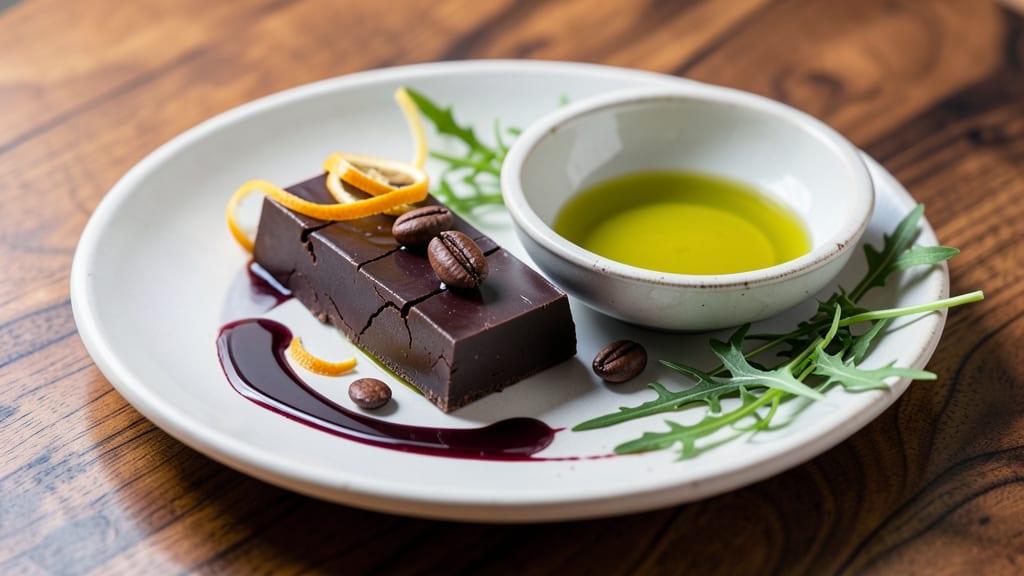
Mastering bittersweet food is like conducting a symphony—rich, complex flavors where sweet and bitter dance in perfect harmony. Standing on a step stool in my grandmother’s kitchen in Sicily, I learned how to balance these flavors using ingredients like dark chocolate, espresso, and bitter greens with sweet glazes.
The key is patience; letting flavors meld creates that magical depth.
This technique transforms simple dishes into something extraordinary—think dark chocolate with orange zest or bitter arugula drizzled with balsamic glaze. The secret lies in ratios: a pinch of bitterness enhances sweetness, while sweetness softens harsh edges.
It’s the same principle Nonna used in her tiramisu, where coffee’s bitterness makes the mascarpone dessert unforgettable.
What you’ll achieve is restaurant-quality depth with every bite—no fancy techniques, just smart ingredient choices. Whether you’re making a dessert, savory dish, or cocktail, this balance elevates everything. The result? A dish that feels luxurious yet approachable, with layers of flavor that keep you coming back for more.
Ready to explore? Let’s dive into recipes that prove bittersweet isn’t just a flavor—it’s an experience. Here’s how to nail that perfect balance every time.
Ingredients for bittersweet food
Nine ingredients transform into bittersweet masterpieces—dark chocolate, espresso, and citrus play their parts beautifully.
| Ingredient | Amount | Notes |
|---|---|---|
| Dark Chocolate Bars 🍫 | 6 oz | 70% cocoa minimum, high-quality |
| Extra-Virgin Olive Oil 🫒 | ½ cup | Fruity, peppery variety preferred |
| Espresso Beans ☕ | 2 tbsp | Freshly ground, medium roast |
| Orange Zest 🍊 | 1 tbsp | From organic blood oranges |
| Balsamic Vinegar 🍷 | ¼ cup | Aged 10+ years, aged to taste |
| Arugula Leaves 🌿 | 4 cups | Baby arugula preferred, vibrant |
| Mascarpone Cheese 🧀 | 1 cup | Full-fat, room temperature |
| Heavy Whipping Cream 🥛 | ½ cup | Cold, 36% fat minimum |
| Granulated Sugar 🍚 | ¼ cup | Superfine preferred for smoothness |
| Salted Butter 🧈 | 4 tbsp | European-style, 82% fat |
| Lemon Juice 🍋 | 1 tbsp | Freshly squeezed, Meyer preferred |
| Honey 🍯 | 2 tbsp | Raw acacia honey for floral notes |
| Vanilla Bean 🌸 | 1 whole | Madagascar Bourbon preferred |
The dark chocolate and espresso are your flavor anchors—Valrhona or Lindt for the chocolate, Illy or Lavazza for the beans. Look for chocolate with at least 70% cocoa; anything lower lacks the depth you need. The espresso beans should be freshly ground right before using—pre-ground loses its punch within hours. For the orange zest, grab blood oranges if you can find them—their natural sweetness balances the bitterness perfectly. If you're using regular oranges, double the zest. The arugula? Vibrant green leaves are non-negotiable—wilting means bitter flavors dominate. I always buy mine from Whole Foods or a local farmers' market where they're harvested fresh daily.
No espresso beans? Strong brewed coffee at double strength works in a pinch, but you'll lose some complexity. Running short on dark chocolate? Semisweet chocolate chips are fine, but reduce the amount to 5 oz—semisweet has more sugar. The mascarpone should be full-fat and room temperature when mixing; cold mascarpone incorporates air poorly. For the balsamic vinegar, aged 10+ years is ideal, but if you only have regular balsamic, reduce to 2 tbsp and add 1 tsp of aged balsamic reduction (available at Williams Sonoma). The vanilla bean? Splurge on a good one—Madagascar Bourbon is worth every penny for that rich, creamy flavor. If you're using vanilla extract instead, use 1 tsp but add a pinch of vanilla bean paste for depth.
Store the dark chocolate in a cool, dark place—not the fridge, which causes condensation. The espresso beans keep their freshness for up to 2 weeks in an airtight container at room temperature. Arugula lasts 5-7 days in the fridge, but if it starts wilting, use it immediately for salads. The mascarpone and heavy cream can be prepped ahead—whip the cream and store it in the fridge for up to 3 days, covered tightly. The balsamic vinegar and honey keep indefinitely, but once you open that vanilla bean, use it within 6 months—the flavor degrades quickly. I like to portion the chocolate into small squares ahead of time so I can grab them quickly when inspiration hits.
Why You'll Love This Recipe
- Pantry Magic: I swear by this combo—no extra shopping trips. Dark chocolate, olive oil, and espresso beans are already in my kitchen, and the orange zest comes from one of those lemons I forgot about in the fridge. Honestly, it’s the kind of recipe that makes me feel like a genius for remembering what I already own.
- No-Burnt Taste: That crispy edge from the toasted espresso beans? Chef’s kiss. But here’s the thing—it’s not bitter in a "I messed up" way. The balsamic vinegar smooths it out, and the orange zest cuts through like a bright little surprise. It’s the kind of balance that makes me reach for seconds without guilt.
- Date Night Ready: Between us, this is my go-to for when I want to impress but don’t want to slave over it. Drizzle it over seared scallops, fold it into whipped cream, or just eat it straight with crusty bread—it’s fancy enough for a fancy night, but zero stress. (Yes, even on a Tuesday night.)
Step-by-step instructions for bittersweet food: rich depth with perfect balance
This recipe delivers an exquisite harmony of flavors where bittersweet elements shine—let's craft it together.
👨🍳 Step 1: Create the Bittersweet Chocolate Ganache
Begin by finely chopping the 6 oz dark chocolate bars into small pieces and place them in a heatproof bowl. Add the 0.5 cup extra-virgin olive oil and 2 tbsp freshly ground espresso beans to the bowl. Set this mixture over a pot of simmering water, ensuring the bowl doesn't touch the water directly. Stir gently until the chocolate and olive oil melt completely, creating a glossy, velvety ganache.
Remove the bowl from heat and let it cool for 5 minutes. Then, stir in the 1 tbsp orange zest and 2 tbsp honey, allowing the citrus and floral notes to meld with the rich chocolate. This ganache forms the bittersweet foundation—its depth will balance the bright acidity and herbal notes in our final dish. Let it cool slightly before using, but keep it warm enough to blend smoothly.
🍳 Step 2: Prepare the Balsamic-Infused Whipped Cream
In a separate bowl, combine the 1 cup mascarpone cheese and 0.5 cup cold heavy whipping cream. Using an electric mixer, whip on medium speed until the mixture is smooth and slightly thickened. Gradually add the 0.25 cup granulated sugar and 1 tbsp lemon juice, continuing to whip until soft peaks form. This step is crucial—the sugar and acidity will create a bright contrast to the bittersweet ganache.
Next, carefully fold in the 0.25 cup aged balsamic vinegar using a rubber spatula. The balsamic adds a complex, caramelized depth that enhances the bittersweet profile. The mixture should remain light and airy—if it becomes too thick, chill for 10 minutes before proceeding. This whipped cream will provide a velvety, tangy counterpoint to the rich chocolate.
🥘 Step 3: Assemble the Bittersweet Salad Base
In a large bowl, gently toss the 4 cups arugula leaves with 4 tbsp salted butter, melted and cooled slightly. The butter adds a luxurious richness that complements the bittersweet elements. Drizzle with 1 tbsp lemon juice and 2 tbsp honey, tossing carefully to distribute evenly. The lemon brightens the arugula, while the honey adds a subtle sweetness that balances the bitterness.
Divide the arugula mixture evenly among 4 serving plates. This is where the bittersweet magic begins—each plate will feature layers of contrasting flavors. The arugula's peppery bite will cut through the richness of the ganache and whipped cream, creating a perfect harmony.
🍽️ Step 4: Layer for Perfect Bittersweet Balance
Spoon 2-3 tablespoons of the bittersweet chocolate ganache onto each plate of arugula, allowing it to spread slightly. The ganache should coat the leaves, creating a glossy, velvety layer. Next, add 2-3 tablespoons of the balsamic-infused whipped cream to each plate, dolloping it alongside the ganache. The whipped cream's tanginess will lift the bitterness of the chocolate, while the balsamic adds a sophisticated depth.
Finally, scrape the seeds from the 1 whole vanilla bean and sprinkle them over the top of each plate. The vanilla's floral aroma enhances the bittersweet profile, tying all the flavors together. Serve immediately, as the contrast between the bright, tangy elements and the rich, bittersweet ganache is at its peak when everything is fresh.
⏰ Step 5: Finish with Artistic Precision
Before serving, drizzle each plate with a small amount of the remaining aged balsamic vinegar, allowing it to pool slightly on the plate. This final touch adds a glossy sheen and intensifies the bittersweet balance. The balsamic's caramelized notes will complement the chocolate and citrus, creating a dish that's as visually stunning as it is flavorful.
Garnish with an additional sprinkle of orange zest for a burst of citrus aroma that cuts through the richness. The contrast between the bright zest and the deep chocolate creates a bittersweet experience that's both complex and satisfying. Each bite should deliver a harmonious blend of sweet, bitter, tangy, and herbal notes—this is the essence of bittersweet perfection.
Pro Tips For Making Bittersweet Food
- TOAST THE BEANS: Lightly toast whole espresso beans in a dry pan for 2-3 minutes until fragrant—don’t burn them, just wake up the flavor. I used to skip this, and the coffee notes in my bittersweet dishes were always flat. Now? It’s the thing that makes the difference when paired with dark chocolate.
- ZEST NOW, NOT LATER: Grate fresh orange zest over the dark chocolate before melting it—this lets the citrus oils infuse properly. I learned this the hard way when I added zest after and ended up with a dish that tasted like afterthought. Do it early, and the bitterness softens into brightness.
- REDUCE THE BALSAMIC: Simmer balsamic vinegar until it’s syrupy and thick—about half the original volume—before adding it to the mix. Thin balsamic just makes your dish taste sharp and one-note. A quick 5-minute reduction on medium heat transforms it into a rich, caramelized glue that binds everything together.
- CHOP THE CHOCOLATE: Break dark chocolate bars into uneven chunks (not fine shavings) so they melt at different rates—this creates pockets of gooey texture. I was skeptical until I tried it: the contrast between smooth and slightly firm chocolate makes the dish feel more dynamic. No need for fancy tools, just a knife and patience.
Common mistakes when making this dish
Over-Balancing Sweetness
I’ve seen this happen more than once—someone adds too much honey or sugar to "balance" the bitterness, and suddenly, your dish tastes like candy. The key is restraint: start with 2 tbsp honey and adjust in ½ tsp increments.
Taste as you go, remembering that bitterness lingers longer than sweetness. My Nonna always said, "The bitter note should whisper, not shout." If your ganache tastes cloying, reduce the honey by 1 tbsp and let the chocolate’s natural bitterness shine through. 💫
Ignoring Freshness
Stale ingredients are the silent killer of bittersweet balance. Pre-ground espresso loses its punch within hours, and wilted arugula turns bitter before it even hits your plate. I always buy my espresso beans from Whole Foods and grind them fresh, while I check arugula leaves for crispness before purchasing.
If your greens look sad, skip them—bitterness will dominate, and no amount of honey will fix it. For chocolate, store it in a cool, dark place (not the fridge) to preserve its depth.
Skipping the Resting Step
After making the ganache, letting it cool for 5 minutes isn’t just a suggestion—it’s critical. Rushing this step means the chocolate and olive oil won’t fully meld, leaving a gritty texture and uneven bitterness.
I once forgot this and ended up with a ganache that separated into oily and chocolatey layers. Patience here ensures a smooth, velvety consistency where sweet and bitter harmonize perfectly. If you’re short on time, chill the ganache for 10 minutes in the fridge instead.
Using Low-Quality Chocolate
Semisweet chocolate chips or store-brand dark chocolate with less than 70% cocoa lack the depth needed for bittersweet balance. I swear by Valrhona or Lindt—their higher cocoa content delivers a darker, more complex bitterness that pairs beautifully with sweet elements.
If you’re on a budget, Ghirardelli 72% cocoa is a solid alternative. Pro tip: Taste the chocolate before buying—if it’s sweet, it’s not bitter enough for this dish. The bitterness should be noticeable but not overpowering.
Neglecting Acid Balance
The lemon juice and balsamic vinegar aren’t just for flavor—they’re the secret weapons that lift the bitterness and brighten the sweetness. If you skip the lemon or use regular balsamic (not aged), your dish will taste flat.
I always use Meyer lemon juice for its floral notes and aged balsamic (10+ years) for its caramelized depth. Start with 1 tbsp lemon juice and ¼ cup balsamic, then adjust by ½ tsp at a time. The goal? A tangy lift that makes the bittersweet sing.
Overmixing the Whipped Cream
Whipping the mascarpone and cream to stiff peaks turns them grainy and heavy, killing the light, airy texture needed to balance the ganache’s richness. Stop mixing when you see soft peaks—the mixture should hold its shape but still be smooth.
If it gets too thick, chill for 10 minutes before folding in the balsamic. I once overwhipped mine and ended up with a sad, butter-like mess. The whipped cream should feel like a cloud, not a brick. 🥛
Nutrition facts
Frequently asked questions
What makes bittersweet dishes different from regular desserts?
Bittersweet dishes intentionally balance bitter and sweet flavors to create depth, unlike desserts that focus solely on sweetness. The bitterness comes from ingredients like dark chocolate (70%+ cocoa), espresso, or citrus zest, while sweetness is added carefully—often with honey or fruit. This contrast makes flavors more complex and satisfying.
Can I substitute espresso with instant coffee?
Instant coffee works in a pinch, but it lacks the depth and richness of freshly ground espresso. For best results, use double-strength brewed coffee (like a shot of espresso) and add ½ tsp vanilla extract to mimic the complexity. The bitterness will be milder, so increase the dark chocolate to 7 oz for balance.
How do I know if my bittersweet balance is right?
Start with small amounts of sweetness (like 1 tbsp honey) and taste as you go. The bitterness should be noticeable but not harsh—think of it as a whisper, not a shout. If it tastes like candy, reduce the sweetness by ½ tsp and let the chocolate’s natural bitterness shine.
What are some other bittersweet flavor pairings?
Beyond chocolate and citrus, try these combinations: dark beer with caramel, endive with pomegranate, or black sesame with white chocolate. For drinks, a gin and tonic with blood orange or espresso martini with a dash of cinnamon work beautifully. The key is matching bold bitterness with something sweet but not overpowering.
Can I make this dish ahead of time?
Yes! Prepare the ganache and whipped cream 1 day ahead and store separately in the fridge. Reheat the ganache gently (microwave in 10-second bursts) before assembling. The arugula should be dressed and chilled for up to 4 hours before serving—just add the ganache and whipped cream fresh for the best texture.