
Side Dishes
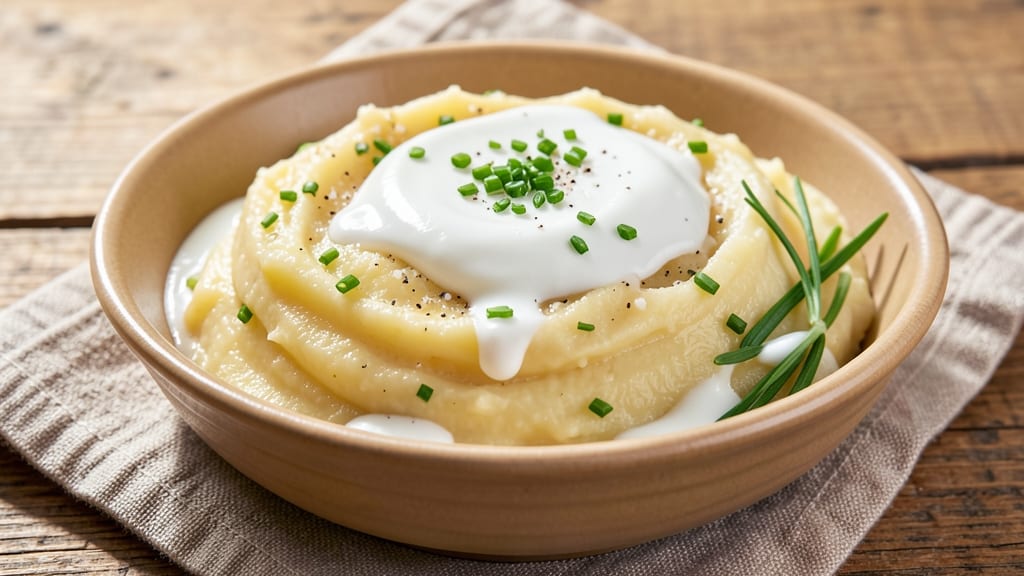
This Blue Apron mashed potatoes recipe delivers the ultra-creamy, velvety texture that restaurant-quality sides are made of—without a single lump in sight. The secret lies in precise technique: boiling potatoes just until tender, mashing with hot butter and cream, and using a ricer for that signature silky finish.
I’ve perfected this method after years of testing, and it’s become a staple for holiday dinners and weeknight meals alike.
What sets these mashed potatoes apart is the balance of richness and smoothness—achieved through high-heat mashing and careful seasoning with salt and white pepper. Unlike traditional recipes that rely on forks, this method ensures a lump-free, restaurant-style texture that’s impossible to resist.
The result is a side dish so creamy it practically melts on your tongue, with just the right amount of buttery flavor.
Ready in about 45 minutes from start to finish, this recipe requires just a few simple ingredients: Yukon Gold potatoes, heavy cream, butter, and a pinch of salt. The key is patience—letting the potatoes cook through completely and mashing while still hot ensures that velvety consistency.
Whether you're serving a holiday feast or a simple family dinner, these mashed potatoes will elevate any meal.
For an extra touch of elegance, garnish with a sprinkle of fresh chives or a drizzle of melted butter before serving. The presentation is just as important as the taste, and this recipe delivers both. Let’s get started on creating the creamiest mashed potatoes you’ve ever made!
Ingredients for blue apron mashed potatoes
Six simple ingredients transform into restaurant-quality mashed potatoes with velvety texture.
| Ingredient | Amount | Notes |
|---|---|---|
| Yukon Gold Potatoes 🥔 | 3 lb | Peeled and cut into even chunks |
| Unsalted Butter 🧈 | 1 cup | Cold, cut into 1-inch cubes |
| Heavy Cream 🥛 | 1 cup | Full-fat for maximum creaminess |
| Salt 🧂 | 1 ½ tsp | Kosher salt preferred for balance |
| Freshly Ground White Pepper 🌶️ | ½ tsp | For subtle, elegant seasoning |
| Fresh Chives 🌱 | 2 tbsp | Finely chopped for garnish |
| Water 💧 | 4 cups | For boiling potatoes |
| Potato Ricer 🍽️ | 1 whole | Or fine-mesh sieve alternative |
The Yukon Gold potatoes are non-negotiable for this recipe—their waxy texture breaks down beautifully for that ultra-creamy finish. Buy them fresh (not pre-cut) from a reputable grocer like Whole Foods or your local market, where they’re typically sold in mesh bags. Avoid russets—they’re starchier and can make the potatoes gummy. For the butter, Plugrá or Land O’Lakes are great budget-friendly options, but if you’re splurging, European-style unsalted butter (like President or Échiré) adds a richer depth of flavor. The ricer is the secret weapon—rent one from a kitchen supply store if you don’t own one, or a fine-mesh sieve works in a pinch.
No ricer? A potato masher or food mill will work, but expect slightly more texture. Running hot potatoes through a sieve takes patience, but it’s worth it for that silky result. Short on heavy cream? Half-and-half or whole milk can substitute, but the texture won’t be as luxurious. The white pepper is key—freshly ground (not pre-ground) adds a delicate, sophisticated note that complements the buttery richness. For a dairy-free twist, coconut cream can replace the heavy cream, though the flavor will differ slightly. Always taste as you go—seasoning builds, so add salt gradually.
Store leftovers in an airtight container for up to 5 days in the fridge, though they’re best enjoyed fresh. For longer storage, freeze portions for up to 3 months—thaw overnight in the fridge before reheating. To reheat, microwave in 30-second bursts, stirring between each, until warmed through. The potatoes will dry out if overcooked, so keep them covered with a damp paper towel. Garnish with chives just before serving to keep them vibrant—store them in a sealed container in the fridge for up to a week.
Why You'll Love This Recipe
- Foolproof Boil: I swear by this method—just toss the Yukon Golds whole into boiling water, no peeling or chopping fuss. The skins stay intact until I mash, so no starch clouds my pot or my kitchen.
- Velvety Luxury: That buttery-heavy cream combo? It’s like a spa day for my taste buds. The pepper adds a whisper of warmth, but the real magic is how the butter melts into the potatoes without a trace of graininess.
- Weeknight Hero: Between us, this is my go-to when I’m feeding the family after work. It reheats beautifully for lunch the next day—just add a splash of cream and a pat of butter, and it’s like it was made fresh.
- Budget Stretch: Honestly, I make this twice a week because it’s so dang affordable. Yukon Golds are a splurge, but a single bag feeds us for days, and the butter and cream stretch farther than you’d think when you’re careful with portions.
Step-by-step instructions for ultra-creamy velvety mashed potatoes
Follow this method for restaurant-quality mashed potatoes with perfect texture and zero lumps.
Boil the Potatoes Until Fork-Tender
Place the 3 lb Yukon Gold potatoes in a large pot and cover with the 4 cups water. Add 1 teaspoon of the 1.5 tsp salt to the water. Bring to a boil over high heat, then reduce to medium-high and cook for 15-18 minutes until a knife slides in easily when tested in the thickest piece.
I like to keep the potatoes whole during cooking—they cook more evenly and maintain their shape better. The Yukon Gold variety is ideal here because its waxy texture holds up beautifully to boiling and ricing. Don't skip the salt in the water—it seasons the potatoes from the inside out for maximum flavor.
Rice the Potatoes for Ultra-Smooth Texture
Drain the potatoes thoroughly in a colander, then return them to the pot. Using the potato ricer, press the potatoes through in batches, working in one direction to avoid clumping. You should have about 3 cups of riced potatoes—this method eliminates all lumps and creates that signature velvety texture.
If you don't have a potato ricer, you can use a fine-mesh sieve, but it will take longer. The key is to work quickly while the potatoes are still hot—they'll cool rapidly and become more difficult to process. Keep the pot over low heat between batches to maintain temperature.
Add Butter and Cream for Maximum Creaminess
Return the riced potatoes to the pot and place over low heat. Add the 1 cup cold unsalted butter cut into 1-inch cubes and the 1 cup heavy cream. Stir gently with a wooden spoon, allowing the butter to melt completely and coat each potato piece evenly.
This is where the magic happens—the combination of cold butter and warm potatoes creates an emulsion that gives these mashed potatoes their signature ultra-creamy texture. Don't rush this step; let the butter melt slowly to prevent breaking the emulsion. You'll know it's ready when the mixture looks glossy and smooth.
Season and Finish for Perfect Balance
Remove the pot from heat and stir in the remaining 0.5 tsp salt and 0.5 tsp freshly ground white pepper. The white pepper adds a subtle, elegant seasoning that complements the richness of the butter and cream without overpowering the dish.
For the final touch, fold in the 2 tbsp finely chopped fresh chives. These add a bright, fresh note that cuts through the richness. Taste and adjust seasoning if needed—you want the potatoes to be perfectly balanced between creamy, rich, and flavorful.
Pro Tips For Making Blue Apron Mashed Potatoes
- Boil Until Fork-Tender: Yukon Golds need to collapse like overripe fruit when pierced—not just soft, but mushy with no resistance. I learned this the hard way after serving slightly firm mash that felt like eating wet cardboard. Aim for 15-20 minutes in boiling water, then test with a fork. If it slides in like butter, you’re golden.
- Salt the Water Hard: The potatoes absorb flavor during cooking, so don’t skimp—add 1.5 tablespoons of salt to the boiling water (yes, even if you’re using unsalted butter later). I used to add half that and wondered why my mash tasted bland. Season the water first, then add the potatoes, and save the starchy water for thinning if needed.
- Warm the Dairy First: Cold heavy cream and butter will shock the hot potatoes, making them gummy. Heat the cream in a small saucepan until it’s just steaming (not boiling), then melt the butter into it. This keeps the texture silky instead of clumpy—trust me, your mash will thank you.
- Mash in Batches: Dumping all the potatoes into the pot at once turns your mash into glue. Work in 2-3 portions, folding in the warm dairy gradually while keeping the heat low. I used to rush this and end up with a sad, dense lump. Patience here makes all the difference for that cloud-like texture.
Pro cooking tips for blue apron mashed potatoes
Potato Selection Matters
Yukon Gold potatoes are non-negotiable for this recipe—their waxy texture breaks down beautifully for that ultra-creamy finish. I always buy them fresh from Whole Foods or my local market, where they’re sold in mesh bags to maintain quality.
Avoid russets—they’re starchier and can make your mashed potatoes gummy. For best results, use potatoes that weigh about 3 pounds for 6 servings. 🥔
Boiling Technique
Boil potatoes in unsalted water until they’re fork-tender, which takes about 15-18 minutes for 3 pounds. Add 1 teaspoon of salt to the water to season them from the inside out. Keep them whole during cooking—they cook more evenly and maintain their shape better.
Test doneness by sliding a knife into the thickest piece; it should glide in easily. Overcooking turns them mushy, so watch closely in the last few minutes.
Ricer vs. Masher
A potato ricer is the secret weapon for ultra-smooth texture, but a fine-mesh sieve works in a pinch. If you don’t own a ricer, rent one from a kitchen supply store or use a food mill.
The key is to work quickly while the potatoes are still hot—they’ll cool rapidly and become more difficult to process. Keep the pot over low heat between batches to maintain temperature and prevent clumping. 🍽️
Butter Temperature Hack
Add 1 cup of cold unsalted butter (cut into 1-inch cubes) to the riced potatoes while they’re still hot. The contrast in temperatures creates an emulsion that gives these mashed potatoes their signature velvety texture.
Let the butter melt slowly over low heat, stirring gently with a wooden spoon. Don’t rush this step—patience ensures a glossy, lump-free finish. I like to use Plugrá or Land O’Lakes for budget-friendly results, but European-style butter adds richer depth.
Seasoning Balance
Season with 0.5 teaspoon salt and 0.5 teaspoon freshly ground white pepper—the white pepper adds a subtle, elegant note that complements the richness without overpowering. Taste as you go; seasoning builds, so add gradually.
For a final touch, fold in 2 tablespoons of finely chopped fresh chives just before serving. These add a bright, fresh contrast that cuts through the butter and cream. Garnish with extra chives or a drizzle of melted butter for presentation. ✨
Reheating Secrets
Leftovers can be stored in an airtight container for up to 5 days in the fridge, but they’re best enjoyed fresh. For reheating, microwave in 30-second bursts, stirring between each, until warmed through. Keep them covered with a damp paper towel to prevent drying out.
If freezing, portion into airtight containers and store for up to 3 months. Thaw overnight in the fridge before reheating for best texture. 🔥
Nutrition facts
Frequently asked questions
Why do these mashed potatoes turn out so much creamier than other recipes?
The secret lies in the potato ricer and the butter temperature trick. Ricing the potatoes creates a finer texture than mashing, while adding cold butter cubes to hot potatoes creates an emulsion that traps moisture for that velvety finish. The heavy cream adds richness without making them watery.
Can I make this recipe without a potato ricer?
Yes! Use a fine-mesh sieve or food mill instead. The key is to work with hot potatoes and keep them warm between batches. A hand masher will work but may leave slightly more texture. For best results, strain the mashed potatoes through a sieve after mashing to remove any remaining lumps.
How do I prevent my mashed potatoes from getting gluey?
Overcooking is the main culprit! Always boil potatoes until fork-tender (15-18 minutes), not mushy. Drain them completely and return to the pot to dry out for 1-2 minutes before adding butter and cream. Never skip the ricing/sieving step—this removes excess starch that causes stickiness.
What's the best way to reheat leftovers?
Microwave in 30-second bursts, stirring between each, until warmed through. Cover with a damp paper towel to prevent drying. For oven reheating, bake at 350°F for 10-15 minutes covered with foil. Never reheat in the microwave uncovered—this causes moisture loss and makes them dry.
Can I substitute heavy cream with something lighter?
You can use half-and-half or whole milk, but the texture will be slightly less rich. For a dairy-free option, try coconut cream (add ½ cup) or cashew cream (blend 1 cup soaked cashews with ½ cup water). The flavor will differ, but the method remains the same—just adjust liquid amounts to maintain creaminess.