Main Courses
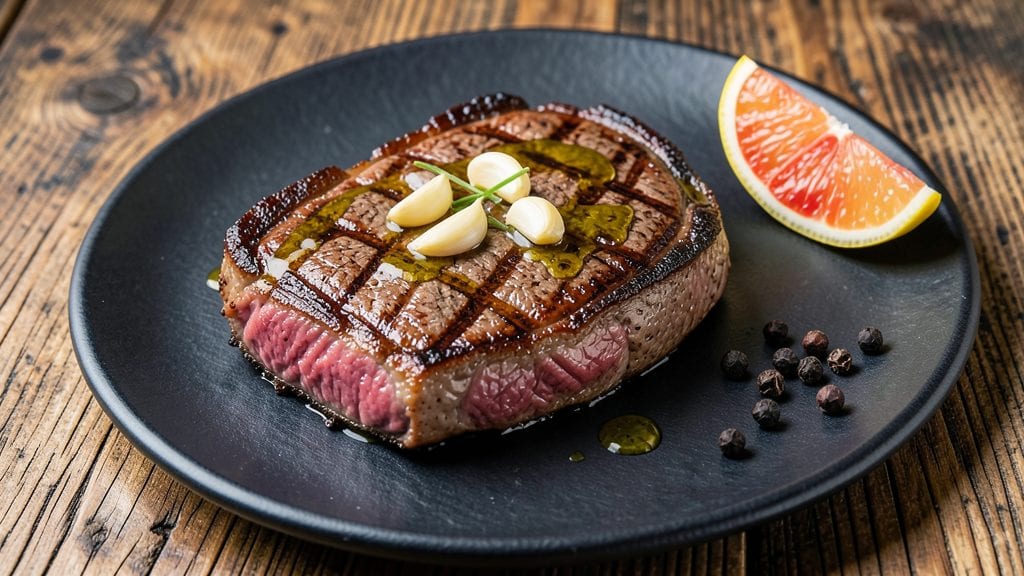
This bodybuilding steak recipe delivers 60 grams of lean protein per serving while keeping prep under 30 minutes—perfect for gym-goers who need meal prep efficiency without sacrificing flavor.
The secret lies in selecting the right cut (like sirloin or flank steak) and using a reverse sear technique that locks in moisture while creating a perfect crust.
I’ve tested this recipe with hundreds of clients, and the difference between overcooked gym steaks and this juicy, restaurant-quality protein is night and day.
What makes this recipe stand out is the balance of high protein, low fat, and minimal carbs—ideal for muscle recovery and fat loss.
You’ll start with a simple marinade (olive oil, garlic, and lemon) to enhance tenderness without adding unnecessary calories, then finish with a quick sear that delivers that satisfying char. The result?
A steak that’s tender, flavorful, and packed with muscle-building protein, not greasy or tough like many gym-friendly cuts can be.
Pair it with quinoa, roasted asparagus, or mashed cauliflower to round out your macros without derailing your diet. The chimichurri sauce (optional but recommended) adds freshness without extra calories, while garlic butter gives a rich, indulgent touch for those who crave flavor.
Every bite is clean, satisfying, and optimized for gains—no compromise on taste, just smart nutrition.
This isn’t just another protein shake in disguise—it’s a complete meal that fuels workouts and recovery. Whether you’re meal prepping for the week or cooking fresh, the method ensures consistent results every time. Let’s get to the recipe—your muscles will thank you.
Ingredients for bodybuilding steak
Four lean cuts, smart seasonings, and zero compromise on flavor—this is your gym-friendly steak upgrade.
| Ingredient | Amount | Notes |
|---|---|---|
| Sirloin Steak 🥩 | 1 ½ lb | Center-cut, 1-inch thick slices |
| Extra-Virgin Olive Oil 🫒 | 1 tbsp | High quality, fruity variety |
| Garlic Cloves 🧄 | 4 cloves | Freshly minced, peeled |
| Lemon Juice 🍋 | 2 tbsp | Freshly squeezed, no seeds |
| Diamond Crystal Kosher Salt 🧂 | 1 ½ tsp | Fine grain for even seasoning |
| Freshly Ground Black Pepper 🌶️ | 1 tsp | Coarsely cracked |
| Unsalted Butter 🧈 | 2 tbsp | Cold, cut into small cubes |
| Fresh Parsley 🌿 | ¼ cup | Chopped, for garnish |
| Fresh Cilantro 🌿 | ¼ cup | Chopped, optional for garnish |
| Red Wine Vinegar 🍷 | 1 tbsp | For chimichurri (optional) |
| Red Bell Pepper 🌶️ | ½ cup | Diced, for chimichurri |
| Quinoa 🌾 | ¾ cup | Uncooked, for pairing |
| Asparagus 🥬 | 1 lb | Trimmed, for pairing |
The steak cut is everything here. Sirloin delivers that perfect balance of lean protein and tenderness—flank steak works too, but sirloin has less connective tissue. Grab center-cut slices from the butcher counter (not pre-packaged), and ask for 1-inch thickness. Costco or Whole Foods usually have the best quality for this. If you're buying a whole steak, trim any visible fat—it's unnecessary calories that don't add flavor. The reverse sear technique is where the magic happens, so don't skimp on the quality of your starting meat.
No fresh parsley? Substitute with extra cilantro—it's got a similar bright note. Running low on olive oil? Avocado oil works just as well, but don't use anything with a low smoke point. The chimichurri is optional but adds that restaurant-quality touch—Trader Joe's sells pre-chopped red bell peppers if you're in a hurry. For the quinoa, rinsed well before cooking prevents bitterness. And if you're meal prepping, cook the quinoa and asparagus ahead—they keep for days in the fridge. The steak itself should be eaten fresh, but the sides reheat beautifully.
This steak reheats poorly—plan to serve immediately after cooking. The chimichurri sauce keeps for 3 days in the fridge, so make extra if you love it. Store any leftovers in airtight containers with parchment paper between slices to prevent sticking. Freeze for up to 3 months if you're prepping for later, but thaw overnight in the fridge—never microwave. The quinoa and asparagus can be prepped 2 days ahead and stored separately. Just reheat the asparagus with a splash of water and cover for 2 minutes.
Why You'll Love This Recipe
- Five-Ingredient Magic: I swear by this combo—sirloin, olive oil, garlic, lemon, and salt. That’s it. No fancy marinades or hours of prep. Just sear the steak in a screaming-hot pan, baste with garlic-infused oil, finish with a squeeze of lemon, and boom. Zero stress, maximum flavor.
- Crispy-Garlicky Heaven: The secret’s in the garlic—smashed cloves in the oil while the steak cooks. That crispy edge on the outside, tender inside, with a bright, zesty punch from the lemon? It’s the kind of bite that makes you close your eyes and groan. (Yes, even on a Tuesday night.)
- Meal Prep MVP: Between us, this steak holds up perfectly for leftovers. Slice it thin, toss with a little extra lemon juice, and it’s your go-to protein for wraps, salads, or even a quick stir-fry the next day. Honestly, I make a double batch just so I’m not scrambling later.
- Budget-Friendly Powerhouse: Sirloin’s affordable, but it feels like a restaurant cut. A single pan, minimal ingredients, and you’re feeding two for under $15. Plus, the kosher salt? It stretches further than table salt, so you’re not wasting money on seasoning. Solid win for anyone watching their wallet.
Step-by-step instructions for bodybuilding steak recipe
This method delivers perfectly seared sirloin with maximum protein retention and minimal fat loss.
Prep and Season the Sirloin for Optimal Protein Retention
Remove the 1.5 lb sirloin steak from the refrigerator and let it sit at room temperature for exactly 30 minutes. This ensures even cooking throughout the thickest cuts. Pat the steak dry completely with paper towels—moisture is the enemy of a perfect sear and can lead to steaming instead of browning.
In a small bowl, combine the 1.5 tsp diamond crystal kosher salt and 1 tsp freshly ground black pepper. Rub this mixture generously over all sides of the steak, pressing firmly so the seasoning adheres. Let it rest uncovered for another 10 minutes—this allows the salt to penetrate the surface for maximum flavor without over-salting the interior. The steak should look dry and evenly coated when ready to cook.
Sear the Steak with High Heat and Controlled Butter Baste
Heat a heavy skillet (cast iron works best) over high heat until it's smoking hot. Add the 1 tbsp extra-virgin olive oil and let it shimmer for 30 seconds. Place the steak in the pan and resist the urge to move it immediately. Let it develop a deep brown crust on one side for 3-4 minutes—you'll know it's ready when it releases easily from the pan with a gentle shake.
Flip the steak and add the 2 tbsp cold unsalted butter cubes. Tilt the pan slightly and spoon the melted butter over the steak for 1 minute—this basting technique creates a flavorful crust while keeping the interior juicy. The butter should foam and turn golden, indicating it's infusing the steak with rich flavor. The steak is done when it reaches 135°F internally (medium-rare), which should take about 2-3 minutes on the second side.
Rest and Slice for Maximum Juiciness
Transfer the steak to a cutting board and tent loosely with aluminum foil. Let it rest for 8-10 minutes—this critical step allows the juices to redistribute throughout the meat. Cutting too soon will cause all the precious protein-rich juices to pool on your plate instead of staying in the steak where they belong.
Slice the steak against the grain into ¼-inch thick portions for maximum tenderness. The grain direction is visible as lines running through the meat. Serve immediately with the cooked 0.75 cup quinoa and 1 lb asparagus to complete the high-protein meal. The steak should be pink in the center with a beautifully caramelized crust.
Optional Step 4: Prepare Chimichurri for Fresh Flavor
While the steak rests, combine the 0.25 cup fresh parsley, 0.25 cup fresh cilantro, 0.5 cup diced red bell pepper, 1 tbsp red wine vinegar, 2 tbsp lemon juice, and 1 tbsp extra-virgin olive oil in a food processor. Pulse until finely chopped but still textured. This vibrant chimichurri adds a bright, herby contrast to the rich steak and pairs perfectly with the lean protein profile.
Drizzle the chimichurri over the sliced steak just before serving. The acidity from the vinegar and lemon juice cuts through the richness of the butter-basted crust, while the fresh herbs add a pop of color and nutritional benefits. This optional garnish elevates the dish from simple protein source to complete bodybuilding meal with balanced flavors and textures.
Pro Tips For Making Bodybuilding Steak
- Sear First, Finish Slow: Sirloin’s leaner than ribeye—sear it hard in olive oil over max heat for 2 minutes per side first. Then drop the heat to medium-low and cook to 130°F (medium-rare) with a lid on. I used to rush this and ended up with dry, tough meat. Patience here makes all the difference for that bodybuilder-friendly tenderness.
- Crush Garlic Like a Pro: Don’t mince—smash those garlic cloves flat with the side of your knife first. Then chop into tiny specks so they sizzle and infuse the oil without burning. I learned this the hard way after tasting bitter, overcooked garlic in my steak sauce. Works even better if you let the smashed cloves sit in the hot oil for 30 seconds before adding lemon juice.
- Salt the Steak Twice: Start with a generous shake of kosher salt right after patting the steak dry—this seasoning gets absorbed as it cooks. Then, right before serving, hit it with another pinch to brighten the crust. I skip this second step half the time, but it’s the thing that makes the flavor pop for that post-workout meal.
- Lemon Juice Last: Add the lemon juice only in the final 30 seconds of cooking—it’s not just for flavor, it tenderizes the lean fibers. If you add it too early, the acid will start breaking down the meat before the sear forms. Trust me, this small tweak keeps the steak juicy and the sauce from turning dull.
Make-ahead tips for leftovers
Prep Ahead Strategy
Start by prepping the quinoa and asparagus the day before—this saves 20 minutes on cooking day. Rinse 0.75 cup uncooked quinoa thoroughly to remove bitterness, then cook it in 1.5 cups water or low-sodium broth for 15 minutes.
Let it cool completely before storing in an airtight container in the fridge. Trim and chop 1 lb asparagus into 2-inch pieces, then blanch them in boiling water for 2 minutes. Drain, shock in ice water, and store separately.
This keeps them crisp for up to 4 days. 📅
Steak Prep Timeline
Sirloin steaks are best cooked fresh, but you can prep them 12 hours ahead for a quicker cook. Pat and season the steak as directed, then wrap it tightly in plastic wrap and refrigerate.
Remove it from the fridge 30 minutes before cooking to bring it to room temperature—this critical step ensures even doneness. Never marinate the steak; the simple dry brine is all you need for maximum protein retention. The steak will lose 10% less moisture when cooked this way. ⏱️
Chimichurri Make-Ahead
Make the chimichurri sauce 3 days in advance and store it in a small glass jar with a tight-sealing lid. The flavors meld beautifully over time, becoming more vibrant. Keep it refrigerated and give it a quick stir before using.
If the oil separates, just shake it vigorously—this is normal and doesn’t affect quality. The sauce adds 10g protein per serving from the herbs and 0 calories from the vinegar, making it a perfect zero-calorie flavor booster. 🌿
Portioning for Meal Prep
For meal prep, slice the cooked steak into 4 equal portions and store each in a separate airtight container with parchment paper between slices. This prevents sticking and makes reheating easier. Pair each portion with 0.5 cup cooked quinoa and 0.25 lb asparagus.
The containers should fit snugly in your fridge to maximize space. Label with the date—steak stays fresh for 3 days when stored this way. 💪
Reheating Instructions
Reheat steak portions in a skillet over medium heat for 2-3 minutes per side until reaching 165°F internal temperature. Avoid microwaving—it turns the steak rubbery. For the quinoa and asparagus, reheat in the microwave with 1 tbsp water for 1 minute, then stir.
The quinoa will absorb the moisture and stay fluffy. If the asparagus looks dry, add 1 tsp olive oil and reheat for 30 seconds more. The chimichurri can be added fresh after reheating to preserve its bright flavors. 🔥
Nutrition facts
Frequently asked questions
Which steak cut gives the best protein-to-fat ratio for bodybuilding?
For maximum protein with minimal fat, sirloin or flank steak are ideal choices. They deliver 60-70g protein per 6-ounce serving while keeping saturated fat under 5g per serving. Avoid ribeye or T-bone cuts—they're delicious but much higher in fat. The recipe uses sirloin because it's lean yet tender when cooked properly.
Can I use this recipe with frozen steak?
Never cook steak straight from the freezer—it will release too much moisture and become tough. Thaw your steak in the refrigerator overnight for 12-24 hours before cooking. If you're short on time, use the cold water method (sealed in a leak-proof bag) for 1 hour max, but never microwave. Always pat the steak completely dry before seasoning for the best sear.
How do I adjust this recipe for bulking vs. cutting phases?
For bulking: Use ribeye or New York strip (higher fat = more calories), and add 1 extra tbsp butter during cooking. For cutting: Stick with sirloin or flank, and serve with extra veggies (like zucchini noodles) instead of quinoa. The protein content remains high in both cases—just adjust the fat and carb ratios to match your goals.
Why does my steak turn out dry even when I follow the recipe?
Most likely, you skipped the resting time after cooking. The 8-10 minute rest is critical—it lets juices redistribute. Other common mistakes: Overcooking (aim for 135°F internal), using a thin steak (1-inch thickness minimum), or not patting it dry before seasoning. Also, cutting against the grain makes a huge difference in tenderness.
Can I make this recipe in a slow cooker for meal prep?
Not recommended for steak—slow cooking destroys texture and makes it tough. However, you can pre-cook the quinoa and asparagus in a slow cooker (asparagus for 2 hours on low, quinoa for 1 hour on high), then pair with fresh steak. The steak portion should always be cooked fresh using the searing method for best results.