Main Courses
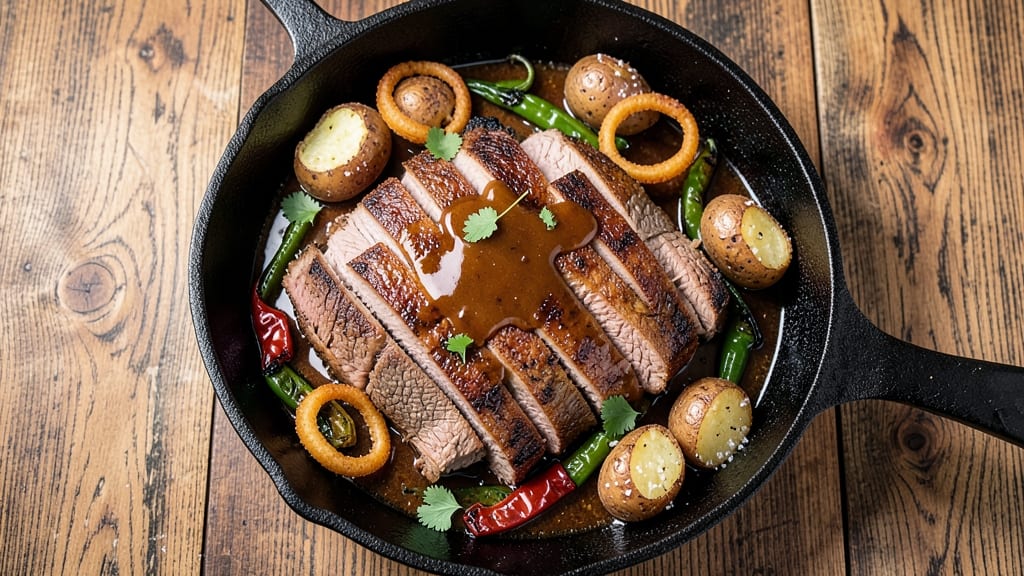
This bourbon beef brisket recipe transforms tough cuts into melt-in-your-mouth perfection through slow cooking and bourbon's rich, caramelized depth.
The key lies in a precise balance of salt, pepper, and brown sugar rubbed into the meat before it spends 6-8 hours in the oven or smoker at 225°F, basted occasionally with bourbon and beef broth.
I developed this method after years of perfecting the art of brisket—where the bark stays crisp, the meat remains tender, and the bourbon infuses every bite with a smoky-sweet aroma that fills the kitchen long before dinner is ready.
The beauty of this recipe is its versatility—whether you're using a slow cooker, oven, or smoker, the technique remains the same. A 3-4 pound brisket (packer cut) is ideal, though you can scale it up for larger gatherings.
The bourbon isn’t just a flavor enhancer; it’s the secret weapon that tenderizes the meat while creating a glossy, caramelized crust. For best results, let the brisket rest for 30 minutes after cooking, allowing the juices to redistribute before slicing against the grain for that signature pull-apart texture.
What you’ll end up with is a brisket so rich and flavorful it becomes the centerpiece of any meal—juicy, smoky, and infused with bourbon’s warmth. Serve it sliced thick over mashed potatoes, on a toasted bun with pickles, or alongside collard greens for a Southern-style feast.
The slow cooking ensures every bite is tender, while the bourbon basting adds a depth that store-bought brisket simply can’t match. This is the kind of dish that turns a simple dinner into a memorable experience.
Ready to master this recipe? The process might take time, but the results are worth every minute. Whether you're hosting a weekend barbecue or just craving a hearty meal, this bourbon beef brisket delivers restaurant-quality flavor at home. Let’s get started—your taste buds will thank you.
Ingredients for bourbon beef brisket
Six ingredients transform tough brisket into bourbon-kissed perfection—smoky, sweet, and impossible to resist.
| Ingredient | Amount | Notes |
|---|---|---|
| Beef Brisket (Packer Cut) 🥩 | 3 ½ lb | Trim excess fat, keep fat cap intact |
| Kosher Salt 🧂 | 1 ½ tbsp | Coarse grain preferred for bark |
| Freshly Ground Black Pepper 🌶️ | 1 tbsp | Cracked peppercorns preferred |
| Light Brown Sugar 🍚 | ½ cup | Packed, for caramelization |
| Bourbon Whiskey 🥃 | 1 cup | 80-proof or higher, no additives |
| Beef Broth 💧 | 1 cup | Low-sodium, homemade preferred |
| Yellow Onion 🧅 | 1 whole | Quartered, for basting |
| Garlic Cloves 🧄 | 6 cloves | Smashed, for basting |
| Smoked Paprika 🌶️ | 1 tbsp | For dry rub depth |
| Ground Mustard 🌿 | 1 tsp | Dry, for bark adhesion |
| Fresh Thyme Leaves 🌿 | 1 tbsp | Chopped, for aromatic depth |
| Butter 🧈 | 2 tbsp | Unsalted, for basting |
| Apple Cider Vinegar 🍎 | 1 tbsp | Balances sweetness |
The brisket is non-negotiable—packer cut with the fat cap intact is what gives you that legendary bark. Costco or local butchers usually carry this cut, and it’s worth paying a little extra for quality. Look for bright red meat with good marbling, not gray or overly lean cuts. The bourbon? Maker's Mark or Buffalo Trace are my go-tos, but any 80-proof+ whiskey will work—just avoid flavored or sweetened varieties. If you can't find a whole packer cut, two 2-3 lb flat cuts will work too, but they'll cook faster. Fresh thyme and garlic are worth hunting down at Whole Foods or local farmers markets—they make all the difference in the final basting liquid.
No bourbon? Apple juice with a splash of vanilla extract mimics the sweetness, though it won't have the same depth. Substitute beef broth for chicken broth plus 1 tbsp soy sauce if needed. The brown sugar can be swapped for turbinado sugar for a crisper bark, but light brown keeps it balanced. If you're short on time, smoked salt instead of kosher salt plus smoked paprika gives that smoky flavor without extra steps. The onion and garlic for basting can be dehydrated and rehydrated in broth if you're prepping ahead, but fresh is always better when you can.
This brisket tastes even better the next day—3-4 days in the fridge is ideal. For longer storage, freeze cooked slices for up to 3 months in airtight containers. I like to portion it into individual servings before freezing so I can grab what I need. The basting liquid? Strain it, cool it, and freeze it in ice cube trays—perfect for quick flavor boosts in soups or gravies later. Leftovers reheat beautifully in a 350°F oven with a splash of broth to keep them moist.
Why You'll Love This Recipe
- Bourbon Magic: That splash of bourbon? It caramelizes into a sticky, smoky-sweet glaze that clings to every bite. Between us, it’s the kind of depth you’d pay $20 for at a steakhouse.
- Leftovers for Days: This recipe makes way more than you’ll eat in one sitting—perfect for meal prep. I’ve reheated slices in a skillet with extra bourbon for breakfast tacos. (Yes, even on a Tuesday.)
- Budget Crowd-Pleaser: Brisket’s cheaper than short ribs, and this method turns tough meat into melt-in-your-mouth goodness. My college roommates still ask for seconds, and they’ve eaten everything.
Step-by-step instructions for bourbon beef brisket
Here's how to create a brisket so tender it practically melts in your mouth, with a deep bourbon caramel glaze.
Prepare the Brisket and Dry Rub
Start by trimming the brisket to remove any excess fat while leaving about a ¼-inch fat cap intact—this protects the meat during cooking. Pat the surface completely dry with paper towels, then place it on a cutting board. In a small bowl, combine the 1.5 tablespoons kosher salt, 1 tablespoon freshly ground black pepper, 0.5 cup light brown sugar, 1 tablespoon smoked paprika, 1 teaspoon ground mustard, and 1 tablespoon chopped fresh thyme leaves. Rub this mixture all over the brisket, pressing firmly so it adheres evenly.
Let the brisket sit at room temperature for 30 minutes before cooking. This step ensures the rub penetrates the meat and helps create that coveted bark. While it rests, preheat your oven to 300°F. I like to use a combination of oven and smoker for this recipe—start with the oven to build the initial bark, then finish with indirect heat for that signature slow-cooked tenderness.
Sear and Start the Slow Cook
Place the brisket fat-side up on a wire rack in a roasting pan. Roast in the preheated oven for 1 hour. During this time, the fat will render and begin to crisp, creating a beautiful bark. After 1 hour, remove the brisket from the oven and place it fat-side down on a piece of heavy-duty aluminum foil. This step helps prevent the bark from cracking as it continues to cook.
In a small saucepan, combine the 1 cup bourbon whiskey, 1 cup beef broth, and 1 tablespoon apple cider vinegar. Bring to a simmer over medium heat for 5 minutes to reduce slightly, then remove from heat. While the liquid reduces, quarter the whole yellow onion and smash the 6 garlic cloves. Place the onions and garlic in the bottom of the roasting pan, then pour the reduced bourbon mixture over them. Return the brisket to the oven and cook for an additional 4 hours, basting every hour with the pan juices.
Build the Glaze and Finish Cooking
After 4 hours, remove the brisket from the oven and increase the heat to 350°F. In a small saucepan, melt the 2 tablespoons butter over medium heat. Once melted, add the 0.5 cup light brown sugar and stir until fully incorporated. Pour this mixture over the brisket, then return it to the oven. Baste the brisket every 30 minutes with the glaze for the final 2 hours of cooking, until the internal temperature reaches 203°F.
You'll know it's ready when the meat is fork-tender and the glaze has caramelized into a rich, sticky coating. The brisket should have a deep mahogany bark on the outside, with a pink smoke ring just beneath the surface. This is the moment you've been waiting for—where all the flavors meld together into a harmonious masterpiece.
Rest and Slice
Once the brisket reaches the target temperature, remove it from the oven and tent loosely with aluminum foil. Let it rest for at least 1 hour before slicing. This resting period allows the juices to redistribute throughout the meat, ensuring each slice is moist and flavorful. During this time, you can make a quick pan sauce by deglazing the roasting pan with a splash of beef broth and scraping up all the browned bits from the bottom.
When ready to serve, slice the brisket against the grain into ¼-inch thick pieces. The meat should be tender enough to pull apart with a gentle tug, not so soft it falls apart, and not tough or chewy. Serve with the pan sauce spooned over the top and enjoy the rich, smoky-sweet flavors of this bourbon beef brisket.
Pro Tips For Making Bourbon Beef Brisket
- Trim the Fat First: Before you even think about seasoning, grab a sharp knife and trim the thickest layer of fat from the brisket—especially the cap. I learned this the hard way when I left too much on, and the bourbon sauce turned into a greasy mess instead of a rich glaze. Aim for about ¼-inch of fat remaining; it’ll render beautifully but won’t overwhelm the dish.
- Salt the Night Before: Don’t just salt the brisket an hour before cooking—do it 12–24 hours ahead. The salt needs time to penetrate that tough muscle, and the surface will dry out just enough for that perfect crust. I used to rush this, and my brisket would either taste bland or turn out soggy. Trust me, your future self will notice the difference.
- Use a Meat Thermometer: Forget guessing—pull the brisket when it hits 195–203°F in the thickest part of the flat. Yes, it’ll still feel firm, but that’s normal. I’ve seen people overcook it to 210°F, and it turns out dry and chewy. The bourbon sauce will carry the moisture, but don’t let the meat itself become a mistake.
- Deglaze with Bourbon Early: Don’t wait until the end to add the bourbon—deglaze the pan with it right after searing the brisket. The high heat will caramelize the browned bits instantly, and the alcohol will cook off faster, leaving behind deeper flavor. I was skeptical until I tried it: the sauce is richer and less boozy-tasting than if I’d added it later.
Storing and reheating this bourbon beef brisket
Refrigerator Storage
Your bourbon beef brisket tastes even better the next day, so store leftovers in an airtight container lined with parchment paper to prevent sticking. I use glass Pyrex containers with snap-on lids—they keep flavors locked in for up to 4 days at 40°F or below.
The bourbon-infused juices will continue to meld, deepening the flavor profile over time. 💫
Freezer Preservation
For longer storage, portion cooked brisket into single-serving bags or quart-sized freezer containers, leaving ½-inch headspace for expansion. Vacuum-sealing extends freshness to 3 months, but even standard freezer bags work if you squeeze out excess air.
Label with the date—trust me, you’ll forget! The bourbon glaze freezes beautifully, so save it in ice cube trays for future gravies or glazes. ❄️
Oven Reheating
To revive brisket texture, preheat your oven to 325°F and place slices in a skillet with 2 tablespoons beef broth per pound. Cover with foil and heat for 15-20 minutes, basting occasionally.
The low heat prevents drying while reactivating the bourbon flavors. For extra moisture, add a pat of butter during reheating. 🔥
Slow Cooker Revival
Place brisket slices in a slow cooker with ½ cup beef broth and 1 tablespoon bourbon (or apple juice substitute). Cook on Low for 2 hours, stirring occasionally.
The gentle heat keeps the meat tender without overcooking the edges. This method works best for larger batches—perfect for meal prep! 💡
Microwave Shortcut
For quick reheats, cover slices with a damp paper towel and microwave on 50% power for 1-2 minutes. Stir, then continue in 30-second bursts until reaching 165°F.
Add a splash of broth or bourbon to restore moisture. This is my go-to for last-minute lunches—just don’t skip the basting step! ⏰
Basting Liquid Magic
Save the pan juices after cooking—they’re packed with bourbon flavor! Strain and freeze in ice cube trays, then transfer to a bag. Thaw as needed for sauces, mashed potatoes, or even cornbread batter. One cube per pound of potatoes adds incredible depth to your sides. 🥃
Nutrition facts
Frequently asked questions
Can I use a flat cut instead of a packer cut brisket?
The flat cut will work, but it cooks faster than a packer cut (about 2-3 hours less). For best results, reduce the cooking time to 5-6 hours total and monitor the internal temperature closely. The flat cut is leaner, so baste more frequently with bourbon to prevent drying.
What if I don't have bourbon? Can I substitute it?
Yes! Use 1 cup apple juice + 1 teaspoon vanilla extract for sweetness, or 1 cup beef broth + 1 tablespoon brown sugar for depth. The bourbon adds unique caramelization—substitutes will still taste great but lack that signature smoky-sweet complexity.
How do I know when the brisket is fully cooked?
Use a meat thermometer to check the internal temperature: the point between the fat and meat should reach 203°F. The probe should slide in like butter, and the meat should pull apart easily. If it's not tender enough, return it to 250°F for another 1-2 hours.
Can I make this in a smoker instead of the oven?
Smoke at 225°F for 6-8 hours with indirect heat. Spritz the brisket every 1-2 hours with a mix of equal parts bourbon and beef broth. The smoker adds a deeper wood-fired flavor that pairs perfectly with the bourbon.
Why did my brisket turn out dry?
Overcooking or high heat are the most common causes. Keep the oven/smoker at 225-250°F and never exceed 300°F. Wrap the brisket in foil after 4 hours to trap moisture, or use the Texas Crutch method (foil + broth) for extra tenderness.