
Tips
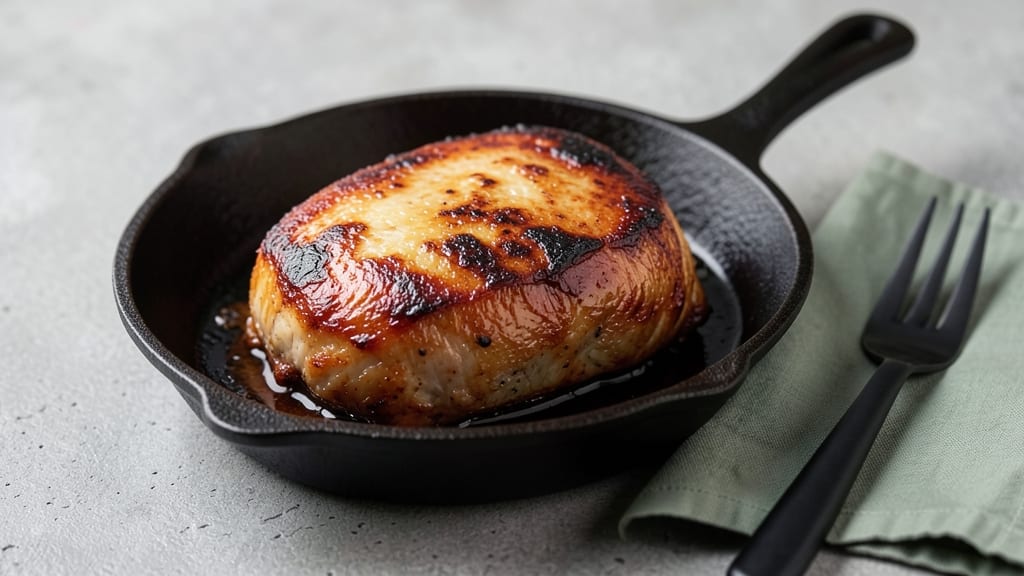
Brown definition in cooking creates rich, caramelized flavors and visual appeal through controlled Maillard reactions and caramelization, achieved by balancing heat, moisture, and time for perfect searing, roasting, or sautéing results.
This isn't just about aesthetics—it's the secret weapon behind those mouthwatering crusts and deep, savory flavors in your favorite dishes. 🔥 When you hear chefs talk about "getting the right color," they're really referring to that perfect balance where proteins and sugars react under precise conditions.
Think of it like a dance: too much heat or moisture, and you'll end up with burnt edges or pale, bland results. But nail it, and you unlock layers of complexity that transform simple ingredients into something extraordinary.
My grandmother used to say, "A good brown is like a good kiss—it takes the right pressure and timing." That wisdom holds true whether you're searing a steak or caramelizing onions. The key lies in understanding how different techniques interact with your ingredients.
For example, cast iron pans create that coveted crust on bread because they retain heat so efficiently, while a gentle roast brings out natural sugars in vegetables without overpowering their delicate flavors.
💡 In This Article
- Science Behind Browning: Maillard Reaction & Caramelization
- Pro Techniques for Consistent Browning in Any Dish
Science behind browning: Maillard reaction & caramelization
Here's what's actually happening when your food develops that perfect golden-brown hue: two distinct chemical reactions team up. The Maillard reaction occurs when amino acids (from proteins) and reducing sugars meet at temperatures between 285-310°F.
This creates hundreds of flavor compounds that give seared steaks their depth and toasted bread its nutty aroma. Meanwhile, caramelization happens when sugars break down at 320°F+, producing that glossy, amber color we crave in caramelized onions or roasted nuts. 🔥
The key factor is moisture control—too much steam prevents browning, while proper surface dryness allows these reactions to flourish.
That's why you pat steaks dry before searing or let onions sweat off excess water first. pH levels also play a role: acidic ingredients (like tomatoes) accelerate browning, while alkaline ones (baking soda) slow it down.
This explains why a perfectly browned crust on focaccia develops faster than on sourdough with higher acidity from fermentation.
What most people don't realize is how temperature gradients create visual depth. When you sear a steak at 450°F for 2-3 minutes per side, the outer edges reach Maillard temperatures while the center stays cooler.
This creates that beautiful gradient from deep brown crust to pink interior. The same principle applies to roasted vegetables—cutting them into even pieces ensures consistent color development across the pan. 💛
Different techniques favor one reaction over another: searing maximizes Maillard, while slow roasting enhances caramelization. For example, a 1-inch thick pork chop needs 4-5 minutes per side at 400°F to develop that signature crust, while sweet potatoes roast best at 425°F for 30-40 minutes to caramelize their natural sugars.
The color variations you see in professional kitchens often come from deliberately balancing these reactions.
Consider these technical details when troubleshooting: a pale crust might mean your pan wasn't hot enough (aim for smoke point of your fat), while burnt edges suggest overcrowding or too much moisture.
My nonna always said, "If your onions won't brown, you're either moving them too soon or your pan's too cool." She was right—the sweet spot for onion caramelization is 350°F with 10-12 minutes of undisturbed cooking time. ✨
The science gets even more interesting when you consider how these reactions interact with fats. Butter contains both water (for steam) and milk sugars (for caramelization), which is why it creates such rich crusts on bread or steaks.
Olive oil, with its high smoke point (375°F), excels at Maillard reactions for proteins. This is why professional chefs often finish dishes with a pat of butter—the residual heat triggers both reactions simultaneously for that restaurant-quality finish. 🌟
Here's the takeaway: perfect browning isn't about brute force—it's about creating the right conditions where chemistry does the work for you. Whether you're working with proteins, vegetables, or baked goods, understanding these reactions lets you predict and control results with precision.
That's why my grandmother's focaccia always had that golden crust while store-bought versions often fell flat—she knew exactly when to pull it from the oven at 375°F for that ideal 190°F internal temperature. 💫