
Snacks
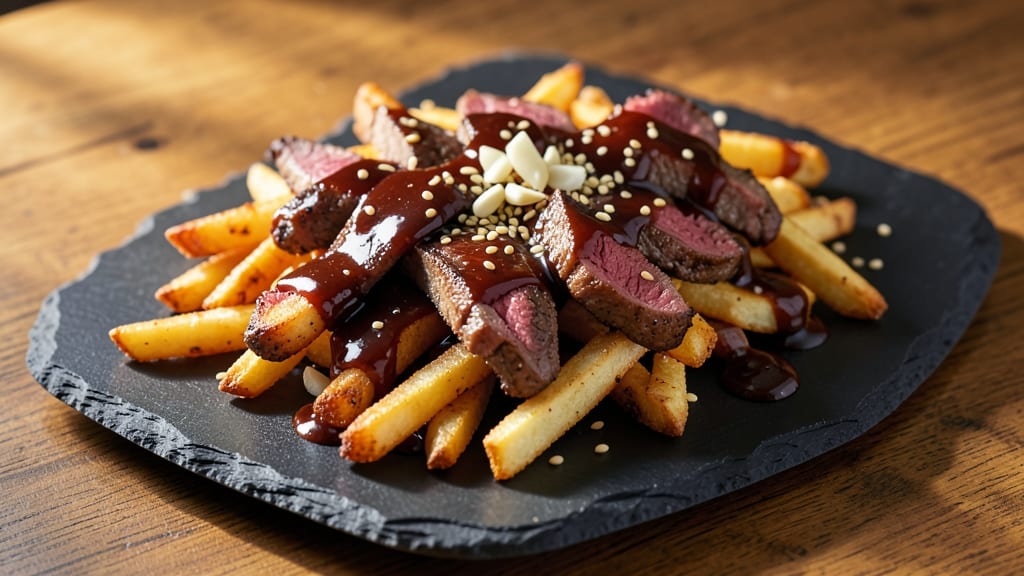
This bulgogi fries recipe transforms a classic Korean marinade into a crispy, sweet-savory snack that’s equal parts comfort and excitement.
The secret lies in marinating thinly sliced beef (or tofu for a vegetarian version) in the signature bulgogi blend—soy sauce, brown sugar, garlic, and sesame oil—before tossing it with waffle-cut fries for a fusion dish that’s impossible to resist.
I perfected this recipe after craving something crispy yet packed with the bold flavors of Korean BBQ, and the result? A dish that’s as satisfying as it is unexpected.
The beauty of bulgogi fries is in the balance: the fries get a golden, crispy exterior from frying, while the bulgogi-marinated protein adds a tender, caramelized sweetness that ties everything together.
No deep-frying skills required—just a simple stovetop method for the fries, and a quick sear for the beef or tofu. The marinade does most of the work, infusing the protein with layers of umami and sweetness that pair perfectly with the salty, crunchy fries.
What you’ll end up with is a plate that’s visually stunning and irresistibly flavorful: crispy fries dusted with sesame seeds, topped with caramelized bulgogi beef (or tofu), and drizzled with a spicy mayo or gochujang glaze.
The contrast of textures—crunchy, tender, and creamy—makes every bite worth it. This dish is perfect for game day, a weekend snack, or even a light dinner when you’re craving something bold and satisfying.
For extra flair, garnish with sliced green onions and extra sesame seeds, or serve with a side of kimchi for a full Korean-inspired spread. The recipe scales easily, so you can double the batch for a crowd.
Ready to make this fusion dish that’s sure to become a favorite? Let’s get started.
Ingredients for bulgogi fries
Potatoes, beef, and bold Korean flavors—this fusion snack needs just 14 ingredients.
| Ingredient | Amount | Notes |
|---|---|---|
| Russet Potatoes 🥔 | 2 lbs | Large, waxy, cut into waffle fries |
| Ribeye Steak 🥩 | 1 lb | Thinly sliced against grain (or sub tofu) |
| Soy Sauce 🍶 | ½ cup | Korean-style preferred (like Gochujang brand) |
| Brown Sugar 🍯 | ¼ cup | Packed, light or dark works |
| Sesame Oil 🫒 | 2 tbsp | Toasted sesame oil for flavor |
| Garlic Cloves 🧄 | 6 cloves | Minced, fresh preferred |
| Ginger Root 🌿 | 1 tbsp | Freshly grated, aromatic |
| Vegetable Oil 🫒 | 2 cups | For frying, high smoke point |
| Sesame Seeds 🌾 | 2 tbsp | Toasted, for garnish |
| Green Onions 🧅 | 3 whole | Sliced thin, for garnish |
| Mayonnaise 🥛 | ¼ cup | Full-fat for drizzle |
| Gochujang 🌶️ | 1 tbsp | Korean chili paste, optional |
| Salt 🧂 | 1 ½ tsp | Kosher or sea salt |
| Black Pepper 🌶️ | ½ tsp | Freshly ground |
The potatoes are the star here—russets are ideal for crispy fries, but Yukon Golds. Cut them into even waffle fries (about 1/4-inch thick) so they cook uniformly. For the beef, ribeye or sirloin marinate beautifully, but extra-firm tofu works perfectly for a vegetarian version. The soy sauce is non-negotiable—Korean-style like Gochujang adds depth, but regular soy works in a pinch. Grab toasted sesame oil from the international aisle at Trader Joe's or H Mart for that authentic flavor.
No ribeye? Chuck roast or flank steak marinate just as well—just slice thinly. Short on sesame seeds? Toasted peanuts or crushed pistachios add crunch. The gochujang is optional but adds that signature Korean kick—substitute sriracha or extra gochugaru if you're missing it. For the fries, vegetable or peanut oil works, but avocado oil gives the cleanest flavor. The marinade does most of the work, so let the beef (or tofu) soak up those flavors for at least 30 minutes—overnight is even better if you're planning ahead.
Fries reheat best in the oven—425°F for 10 minutes brings back that crisp. The bulgogi beef stays good for 3 days in the fridge, so make extra. Store fries separately in the freezer for up to 1 month—just fry fresh when ready. The sesame seeds and green onions are best added fresh right before serving, but you can toast the seeds ahead and store them in an airtight container for 2 weeks.
Why You'll Love This Recipe
- One-Pan Magic: I swear by this—just toss the potatoes and steak strips on a single sheet pan, drizzle with that sticky-sweet soy-bulgogi mix, and let the oven do the work. No chopping boards, no messy pots, just clean-up that takes less time than microwaving leftovers.
- Sweet-Savory Crunch: That crispy potato edge? Chef’s kiss. The ribeye adds a rich, caramelized bite, while the brown sugar and sesame oil turn every fry into a little flavor bomb. It’s like eating Korean BBQ and fries—without the guilt.
- Game for Any Gathering: Honestly, this is my go-to for game nights, lazy Sundays, or when friends drop by unannounced. Double the batch, and it’s still easy to serve—just pile it high and let everyone dig in. (Yes, even picky eaters ask for seconds.)
- Budget-Friendly Luxury: Ribeye might sound fancy, but you’re using thin strips—so a single steak feeds four. The potatoes stretch further than you’d think, and the bulgogi sauce costs pennies per serving. Fancy flavors, zero splurge.
Step-by-step instructions for bulgogi fries
Here's how to make crispy, Korean-inspired fries with a sweet-savory bulgogi drizzle that'll have everyone asking for seconds.
Prepare the Potatoes for Frying
Start by cutting the 2 lbs russet potatoes into even waffle fry shapes—about ½-inch thick sticks. The key here is uniformity so they cook at the same rate. Soak the cut potatoes in cold water for 30 minutes to remove excess starch, which makes them extra crispy. Drain well and pat completely dry with paper towels before frying.
Don't skip the drying step—the moisture will cause oil splatter and prevent proper crisping. I like to work in batches if needed, just make sure each batch is completely dry before hitting the hot oil.
Fry the Potatoes Until Golden Crisp
Heat 1 cup of vegetable oil in a deep skillet or Dutch oven over medium heat until it reaches 325°F. Add half the potato batches and fry for 5-6 minutes, stirring occasionally, until they're tender but not browned. Remove with a slotted spoon and set aside on a paper towel-lined plate.
Increase the oil temperature to 375°F and fry the potatoes a second time for 2-3 minutes until golden brown and crispy. This two-step process ensures they're perfectly cooked inside and out. Keep the fried potatoes warm in a 200°F oven while you prepare the bulgogi drizzle.
Make the Bulgogi Drizzle
In a small bowl, combine the 0.5 cup soy sauce, 0.25 cup brown sugar, 2 tbsp sesame oil, 6 cloves minced garlic, 1 tbsp grated ginger, 1 tbsp gochujang, 0.5 tsp black pepper, and 1.5 tsp salt. Whisk everything together until the brown sugar dissolves completely. This mixture should be smooth and glossy.
Let the sauce sit for 10 minutes while you finish the fries—this allows the flavors to meld. If it thickens too much, add a splash of water to loosen it up. The sauce should coat the back of a spoon but still be pourable.
Assemble and Garnish
Transfer the crispy fries to a serving platter and drizzle generously with the bulgogi sauce. Toss lightly to coat, but leave some areas uncovered so the crispy texture shows through. Sprinkle with 2 tbsp toasted sesame seeds and 3 thinly sliced green onions for freshness and crunch.
For the perfect finishing touch, add the thinly sliced 1 lb ribeye steak (or tofu if substituting) on top of the fries. The warm meat will soak up any remaining sauce, creating a delicious contrast with the crispy potatoes. Serve immediately while everything is hot and crispy!
Pro Tips For Making Bulgogi Fries
- CRISP THE POTATOES IN BATCHES: I learned this the hard way—crowding the pan turns your fries soggy. Cut the potatoes into even sticks (about ½-inch thick), then fry them in two batches. The first batch gets the perfect golden crust while the second cooks without stealing heat. Use a thermometer: aim for 350°F (175°C) oil—hot enough to sizzle but not smoke.
- MARINATE THE STEAK 12 HOURS MINIMUM: That ribeye won’t caramelize right if it’s still tough. Mix soy sauce, brown sugar, and sesame oil (plus a splash of water) and let the meat soak overnight. The longer it marinates, the better it tenderizes and absorbs the sweet-savory flavor. Trust me, skipping this step means chewing through leather.
- SALT THE POTATOES BEFORE FRYING: Sounds weird, but it works—sprinkle the cut potatoes with 1 teaspoon of salt and let them sit for 10 minutes before hitting the oil. This draws out moisture so they crisp up faster and stay crispier. No one wants limp, greasy fries drowning in their own steam.
- USE A LITTLE SESAME OIL AT THE END: Toss the hot fries with just a teaspoon of sesame oil right after they come out of the fryer. It adds that nutty aroma without overpowering the dish. Drizzle it while they’re still sizzling—this locks in the flavor and makes the whole plate smell like a Korean street cart. (Yes, even if you’re impatient like me.)
Pro cooking tips for perfect results
Double-Fry Technique
This two-step frying method is non-negotiable for perfect bulgogi fries. First, cook the potatoes at 325°F for 5-6 minutes to achieve even cooking without browning. Then crank the oil to 375°F and fry for just 2-3 minutes to create that golden, crispy exterior.
I use a thermometer like the ThermoWorks OvenTherm to monitor oil temp precisely—it’s the only way to avoid soggy fries. 🌡️
Marinade Timing
The bulgogi marinade needs at least 30 minutes to work its magic, but I always marinate overnight for maximum flavor infusion. Thinly sliced ribeye or sirloin absorbs the sauce beautifully, but for tofu, press it first to remove excess water.
The secret? Use Korean-style soy sauce—it’s sweeter and deeper than regular soy. If you’re short on time, a 15-minute marinade still works, but overnight is ideal.
Oven Warm Hold
Keep your fried potatoes warm in a 200°F oven while you finish the bulgogi drizzle. This maintains crispiness without overcooking. I line the baking sheet with parchment paper for easy transfer and to prevent sticking.
Pro tip: Spritz the fries with a tiny bit of oil before reheating if they start to lose crispiness. 🔥
Sauce Consistency
The bulgogi drizzle should be glossy but pourable—thick enough to coat but not so stiff it clumps. If your sauce thickens too much, add 1 tsp water at a time until it reaches the right consistency.
I like to whisk in 1 tbsp gochujang for that signature Korean heat, but if you’re sensitive to spice, reduce it to ½ tbsp or omit entirely. Taste and adjust the seasoning before drizzling.
Protein Prep
Slice your protein thinly against the grain for maximum tenderness—about ⅛-inch thick slices. For beef, sear in a hot skillet for 1-2 minutes per side until caramelized. For tofu, pan-fry until golden on both sides.
The key is to cook the protein just before serving so it stays warm and doesn’t dry out. I like to add it to the fries right before plating for that perfect contrast. 🥩
Garnish Like a Pro
Toast your sesame seeds in a dry skillet over medium heat for 1-2 minutes until golden—this adds an extra layer of flavor. Slice the green onions thinly and add them fresh for brightness.
For a smoky touch, sprinkle with 1 tsp smoked paprika or a pinch of gochugaru (Korean chili flakes). The garnish isn’t just decoration—it elevates the dish with texture and freshness. ✨
Nutrition facts
Frequently asked questions
Can I make bulgogi fries with tofu instead of beef?
Extra-firm tofu works perfectly as a vegetarian alternative. Press it first to remove excess water, then slice into thin strips and marinate for at least 30 minutes (or overnight). Pan-fry until golden and crispy on both sides, just like the beef. The tofu absorbs the marinade beautifully and adds a satisfying texture contrast to the fries.
How do I keep the fries crispy while assembling?
Keep fried potatoes warm in a 200°F oven on a wire rack (not a plate) to prevent sogginess. Work quickly when assembling—add the bulgogi drizzle last and toss gently. For extra crunch, sprinkle with toasted sesame seeds right before serving. If reheating later, crisp again in a 425°F oven for 5-10 minutes with a light oil spray.
What's the best way to store leftovers?
Store components separately: keep fries in an airtight container for up to 3 days (reheat in oven), and refrigerate cooked bulgogi beef/tofu for 3 days. Freeze fries alone for 1 month—thaw and fry fresh when ready. Reheat the bulgogi separately in a pan with a splash of water to restore moisture. The sauce can be stored separately for 1 week in the fridge.
Can I make this recipe gluten-free?
Yes! Use tamari or gluten-free soy sauce in the marinade, and ensure your gochujang is certified gluten-free. Regular frying oil is typically gluten-free, but check labels if concerned. The rest of the ingredients (potatoes, sesame seeds, etc.) are naturally gluten-free. For extra safety, use a dedicated fryer or clean the oil pot thoroughly between batches.
How spicy should the bulgogi drizzle be?
The recipe includes 1 tbsp gochujang for mild heat, but adjust to taste! For less spice, reduce to ½ tbsp or use ½ tsp gochugaru (Korean chili flakes) instead. If you love heat, add an extra ½ tbsp gochujang or a dash of cayenne. Always taste before drizzling—you can always add more spice later.