
Sauces & Condiments
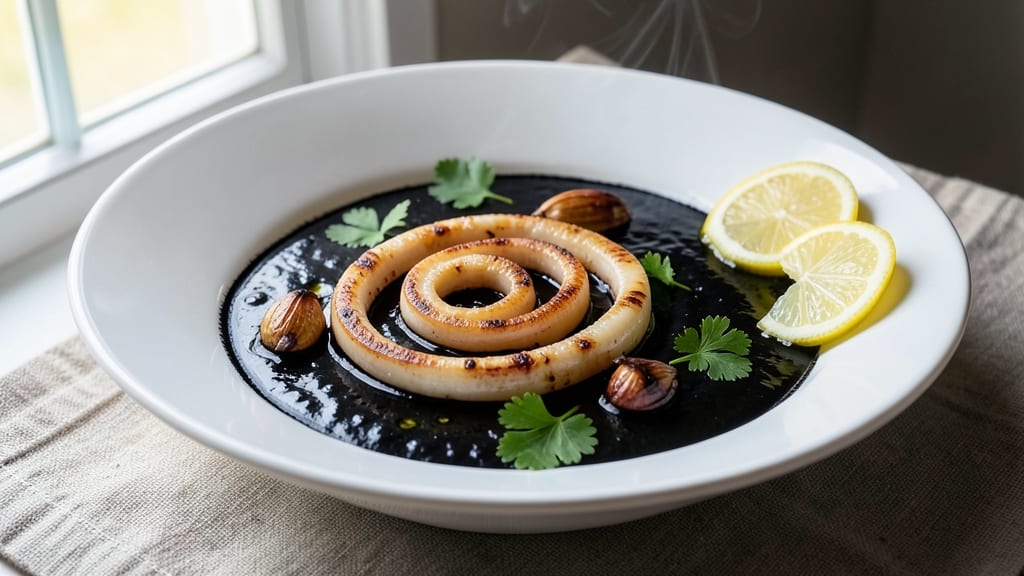
Transforming canned squid into a restaurant-worthy dish with ink sauce takes just 30 minutes and delivers bold umami flavors that elevate any meal. The key lies in balancing the deep, briny notes of squid ink with a light, aromatic sauce that enhances rather than overpowers the delicate texture.
I developed this recipe after discovering how canned squid could rival fresh when paired with the right technique—no special equipment required.
This dish starts with properly preparing the squid—whether canned or fresh—to ensure tender bites that absorb the sauce perfectly.
The ink sauce itself is where the magic happens: a delicate blend of squid ink, garlic, and white wine creates a velvety, dark sauce that coats each piece without overwhelming its natural sweetness.
The result is a dish that’s both visually striking and deeply flavorful, perfect for impressing guests or treating yourself.
What you’ll achieve is a plate of crisp-tender squid tossed in a glossy, ink-infused sauce that’s rich yet balanced—each bite delivers a perfect harmony of briny, garlicky, and slightly sweet notes.
The sauce clings to the squid, creating a luxurious mouthfeel that makes this dish feel like a high-end restaurant experience. Serve it over steamed rice or with crusty bread to soak up every last drop.
The beauty of this recipe is its versatility—use it as a quick weeknight dinner or elevate it for special occasions by adding fresh herbs or a sprinkle of chili flakes.
Once you master the technique, you’ll never reach for takeout again. Let’s get cooking with this foolproof method that delivers professional results at home.
Ingredients for canned squid in ink sauce
Pantry staples meet seafood elegance—just 13 ingredients for restaurant-quality squid.
| Ingredient | Amount | Notes |
|---|---|---|
| Canned Squid 🦑 | 12 oz | Drained and rinsed thoroughly |
| Squid Ink 🖤 | 2 tbsp | High-quality, pure ink |
| Garlic Cloves 🧄 | 4 cloves | Minced for sauce base |
| Dry White Wine 🍷 | ½ cup | Sauvignon Blanc preferred |
| Extra-Virgin Olive Oil 🫒 | ¼ cup | Light variety for balance |
| Vegetable Stock 💧 | 1 cup | Low-sodium preferred |
| Lemon Juice 🍋 | 1 tbsp | Freshly squeezed |
| Soy Sauce 🍶 | 1 tbsp | Light or regular |
| Sesame Oil 🌰 | 1 tsp | Toasted for aroma |
| Fresh Parsley 🌿 | ¼ cup | Chopped, for garnish |
| Salt 🧂 | 1 tsp | Kosher or sea salt |
| Black Pepper 🌶️ | ½ tsp | Freshly ground |
| Steamed White Rice 🍚 | 2 cups | Cooked, for serving |
Squid ink is the star here—look for pure, high-quality ink at specialty stores or well-stocked markets. Trader Joe's and Whole Foods carry it in tubes, but check the Asian grocery section if you want the best selection. For the squid, canned is perfect (no need to clean), but if using fresh, pat dry thoroughly to prevent splattering. The white wine should be dry—Sauvignon Blanc or Pinot Grigio work best, but any crisp white will do. Fresh parsley adds brightness, so grab a bunch and use half for garnish, saving the rest for other dishes.
No squid ink? Mushroom powder or activated charcoal (food-grade) can mimic the dark color, though the flavor won’t be identical. Short on white wine? Substitute dry vermouth or extra vegetable stock, but reduce by 2 tbsp to avoid dilution. The sesame oil is optional but adds a nutty depth—toast it in a dry pan for 30 seconds before adding to maximize aroma. For extra umami, a splash of fish sauce (1 tsp) works wonders, though soy sauce already covers the base. The rice should be steamed to perfection—jasmine or basmati both pair beautifully.
This sauce keeps for 3 days refrigerated in an airtight container, though it’s best used fresh. The squid itself cooks in minutes, so prep the sauce first—it needs time to meld. For make-ahead meals, store components separately: sauce in one container, squid in another. Reheat gently on low to preserve texture. The rice reheats beautifully too—just add a splash of water and steam. Garnish with parsley just before serving to keep it vibrant.
Why You'll Love This Recipe
- Pantry to Plate Fast: I swear by canned squid here—no thawing, no fuss. Just drain, sear, and toss in the sauce. That ink transforms in minutes, turning a simple weeknight into something special.
- Umami Bomb: The squid ink isn’t just a color—it’s a deep, briny punch. Pair it with garlic and white wine, and suddenly you’ve got restaurant-quality flavor without the pretension.
- Date Night Ready: This dish feels fancy but takes less time than ordering takeout. Serve it with crusty bread, a simple salad, and you’ve got a meal that’ll impress anyone (even your picky in-laws).
- Budget-Friendly Luxury: Squid ink is pricey, but a little goes a long way. Use it to dress up rice, pasta, or even scrambled eggs—leftovers turn into something entirely new without extra cost.
Step-by-step instructions for canned squid in ink sauce
Transform simple canned squid into a restaurant-worthy dish with this bold, umami-rich ink sauce.
Prepare the Squid for Cooking
Drain the 12 oz canned squid thoroughly and rinse under cold water to remove any metallic taste. Pat dry completely with paper towels—this ensures the squid sears properly rather than steaming. Using kitchen shears, cut each squid piece into 1-inch rings or bite-sized pieces, depending on your preference. The squid should be uniform in size for even cooking.
In a small bowl, whisk together the 2 tbsp squid ink with 1 tbsp of the 0.25 cup extra-virgin olive oil. Set aside—this mixture will create the signature black sauce. The ink should be completely dissolved with no visible clumps. If you notice any separation, stir vigorously for an additional 30 seconds to emulsify fully.
Build the Umami-Packed Sauce Base
Heat the remaining 0.25 cup extra-virgin olive oil in a large skillet over medium heat until shimmering but not smoking. Add the 4 cloves minced garlic cloves and sauté for 30 seconds until fragrant—you'll smell the aroma immediately. Be careful not to let the garlic brown, as this can make the sauce bitter.
Pour in the 0.5 cup dry white wine and scrape up any browned bits from the bottom of the pan. Let the wine simmer for 2-3 minutes until reduced by half. This deglazing step captures all the flavor from the garlic and creates a rich foundation for the sauce. The wine should smell noticeably more concentrated when finished.
Develop the Ink Sauce
Add the 1 cup vegetable stock and bring to a gentle simmer. Stir in the squid ink mixture and cook for 5 minutes until the sauce thickens slightly. The color should be deep black with no streaks of oil—this indicates proper emulsification. If the sauce looks too thin, simmer uncovered for an additional 2-3 minutes to reduce further.
Remove the skillet from heat and stir in the 1 tbsp soy sauce, 1 tbsp lemon juice, and 1 tsp sesame oil. The sesame oil should be added last to preserve its delicate aroma. Taste and adjust seasoning with the 1 tsp salt and 0.5 tsp black pepper—you may need more salt depending on your vegetable stock. The sauce should be balanced between umami, acidity, and saltiness.
Cook the Squid and Finish
Return the skillet to medium heat and add the prepared squid pieces. Cook for 2-3 minutes, stirring gently, until the squid turns opaque and begins to curl slightly at the edges. The squid should cook quickly—overcooking will make it rubbery. You'll see it transform from translucent to completely opaque within seconds.
Pour the cooked squid and sauce over the 2 cups steamed white rice, tossing gently to combine. The rice should absorb just enough sauce to become lightly coated while maintaining its texture. Garnish with the 0.25 cup chopped fresh parsley and serve immediately while the squid is still warm and tender.
Pro Tips For Making Canned Squid In Ink Sauce
- Rinse the Squid: Drain the canned squid and give it a quick cold-water rinse—even if the package says it’s ready. The brine clings to the ink and dulls the flavor. Pat it very dry afterward, or the oil won’t cling properly when you sear.
- Bloom the Garlic: Cook the garlic in olive oil on low heat until it’s just golden, not brown. I learned this the hard way—burnt garlic turns the sauce bitter, and you’ll be left scraping burnt bits off the pan. Add the wine right as it starts to smell sweet.
- Simmer the Ink: Reduce the sauce slowly after adding the ink—no rushing. If you boil it hard, the ink separates and turns the sauce murky. A gentle simmer keeps it glossy and deep. Cover the pan for the first 3 minutes if it’s splattering like crazy.
- Finish with a Splash: Toss in a tablespoon of cold water or ice cubes at the very end. It cuts the richness and makes the sauce cling to the squid better. (Yes, even if you’re impatient like me—trust me on this.)
Best sauces and condiments for these flavors
Classic Ink Sauce
The signature ink sauce here balances the squid’s briny depth with bright acidity and umami. The key is emulsifying the squid ink properly—whisk it with olive oil first to prevent clumping.
I use 2 tbsp squid ink (from Trader Joe's) for its rich, velvety texture, then reduce it with white wine and vegetable stock. The lemon juice cuts through the richness, while 1 tbsp soy sauce adds that essential umami punch. 💫
Garlic-Infused Olive Oil
For an extra layer of flavor, infuse the olive oil with 4 minced garlic cloves before adding the wine. Sauté them just until fragrant—30 seconds max—to avoid bitterness. This aromatic base transforms the sauce from good to extraordinary.
I often double the garlic for boldness, but adjust to taste. The oil’s nutty depth pairs perfectly with the ink’s brininess.
Sesame Oil Finish
Add 1 tsp toasted sesame oil at the very end to elevate the sauce’s complexity. Toast it first in a dry pan for 30 seconds to amplify its nutty aroma.
This step is optional but adds a toasted, almost smoky note that complements the squid’s natural sweetness. A pinch of black pepper ties everything together—don’t skip it!
Spicy Variations
For heat lovers, stir in ½ tsp chili flakes or 1 tsp gochujang with the soy sauce. The spice cuts through the ink’s intensity while adding a fiery contrast.
I also love adding 1 tsp sriracha for a sweet-spicy kick. Garnish with red pepper flakes for extra drama at the table. 🌶️
Creamy Twist
For a silkier texture, whisk in 2 tbsp heavy cream or coconut milk at the end. This works surprisingly well with the ink’s boldness, creating a luxurious, almost risotto-like sauce.
Balance with an extra squeeze of lemon to keep it bright. Perfect for serving over jasmine rice or as a dipping sauce for crusty bread.
Herb-Forward Sauce
Fresh herbs brighten the dish—try 2 tbsp chopped cilantro or 1 tbsp chopped basil stirred into the sauce. For a Mediterranean twist, add 1 tsp dried oregano with the garlic.
The herbs lift the ink’s depth, making each bite feel fresh and vibrant. Always garnish with parsley right before serving to keep it poppin’.
Nutrition facts
Frequently asked questions
Can I substitute canned squid with fresh squid in this recipe?
Yes, but you'll need to clean and prep the fresh squid first. Rinse it thoroughly to remove any sand or grit, then pat it completely dry before cutting into 1-inch pieces. Fresh squid cooks faster than canned—just 1-2 minutes in the sauce—so keep a close eye on it to avoid overcooking. The texture will be slightly firmer but still tender.
What if I don't have squid ink? Can I make this sauce without it?
You can create a dark sauce using 1 tbsp mushroom powder or ½ tsp activated charcoal (food-grade only) mixed with the olive oil. However, the flavor won't be identical—squid ink has a unique briny, slightly sweet depth that's hard to replicate. For best results, track down squid ink at specialty stores or online. The sauce will still taste delicious but won't have that signature umami richness.
How do I prevent the squid from turning rubbery?
Cook the squid for only 2-3 minutes over medium heat—it should turn completely opaque and curl slightly at the edges. Overcooking releases gelatin, making it tough. Also, pat the squid bone-dry before cooking to ensure proper searing rather than steaming. If using canned squid, rinse it well to remove any residual brine that could make it cook unevenly.
Can I make this sauce ahead of time?
The sauce keeps well for 3 days refrigerated in an airtight container. Store it separately from the squid to maintain texture. Reheat gently on low heat, stirring constantly, until warmed through. For best results, add the squid fresh when serving—it cooks in just 2 minutes. The rice reheats beautifully too by steaming with a splash of water.
What's the best way to serve this dish?
This squid pairs perfectly with steamed jasmine rice to soak up the sauce, or over crusty bread for a Mediterranean twist. For extra presentation, garnish with chopped parsley and a sprinkle of toasted sesame seeds. Serve immediately while the squid is warm and tender—it's even better the second day when flavors meld, but the texture will be slightly firmer.