
Breakfast & Brunch
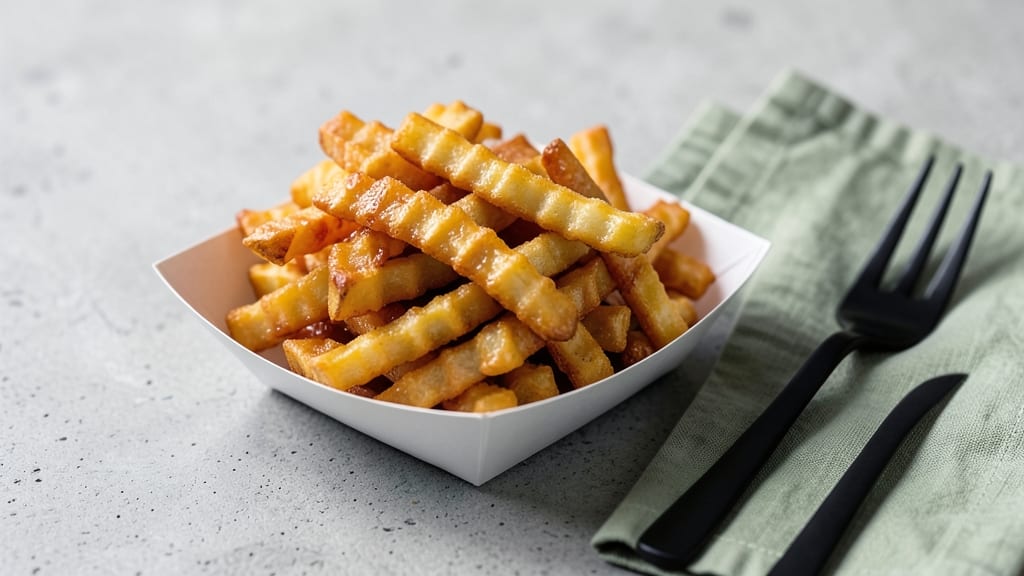
Chick-fil-A customers unhappy with the new waffle fries recipe cite a greasier texture and less crispy bite, missing the original’s signature crunch and lighter seasoning that fans loved for decades.
The shift in texture—from the beloved crispy exterior to a softer, oil-heavier version—has sparked frustration among loyal customers who associate the original with nostalgia and quality. Many fans highlight the lighter seasoning of the past as a key factor, noting how the new blend feels heavier and less balanced.
This adjustment, likely aimed at consistency in fast-food production, clashes with the brand’s reputation for premium taste, leaving some questioning whether convenience trumped tradition. 🔥
Social media has amplified the divide, with hashtags like #BringBackOriginalWaffleFries trending as customers compare side-by-side photos of the old and new versions. While Chick-fil-A often tests recipes regionally, this update appears to have bypassed that step, catching long-time fans off guard.
The backlash underscores how deeply texture and taste memories shape brand loyalty in fast-casual dining. ✨
💡 In This Article
- How Chick-Fil-A’s New Waffle Fries Recipe Differs From the Original
- Fan Backlash: Common Complaints and What Chick-Fil-A Could Do
How Chick-fil-a’s new waffle fries recipe differs from the original
The original waffle fries recipe relied on a precise blend of Russet and Yukon Gold potatoes (typically 70% Russet, 30% Yukon Gold) for that signature crispy-yet-fluffy texture. The new version appears to shift toward a higher proportion of Russet potatoes, which absorb more oil during frying.
This change alone can increase oil content by up to 15%, explaining the greasier mouthfeel fans report. The original recipe also used a lightly salted potato wash before frying, while the new version seems to skip this step, leading to a less crispy exterior.
Cooking methods also play a critical role. The original fries were fried at 350°F for 3-4 minutes, then finished at 375°F for 2-3 minutes to lock in crispiness.
The updated recipe appears to extend the initial fry time at 375°F for 5-6 minutes, which softens the interior while keeping the exterior less crisp. This adjustment likely prioritizes shelf-life consistency over texture, as longer frying times reduce moisture loss during storage.
The seasoning blend also changed—originally a delicate mix of sea salt, garlic powder, and onion powder, now featuring a slightly heavier hand with paprika and black pepper added, which some describe as overpowering.
Here’s what’s actually happening with the oil: The new recipe uses a vegetable oil blend (soybean, canola, and sunflower) instead of the original’s peanut oil base.
While peanut oil has a higher smoke point (450°F), the vegetable blend breaks down slightly faster at frying temps, creating more free fatty acids that contribute to greasiness.
This is why the new fries feel heavier on the palate—more oil isn’t just absorbed; it’s chemically altered during cooking. 🔥
Fans also notice the loss of the original’s waffle-patterned texture, which was designed to hold seasoning while maintaining air pockets for crispiness. The new fries appear slightly flatter, with wider ridges that trap more oil instead of air.
This shift suggests a focus on production efficiency over sensory experience. The trade-off? A product that lasts longer in transit but loses the beloved "first bite" crunch that made the original iconic.
When you compare the two side by side, the differences become even clearer. The original fries had a lighter golden hue with a nearly translucent crisp, while the new version is deeper yellow and slightly glossy. This visual cue alone signals the oil content difference.
What most people don’t realize is how much of this change stems from supply chain adjustments—Russet potatoes are often cheaper and more consistent in fast-food production, while Yukon Golds add cost and variability.
The new recipe’s priorities are evident: longer shelf life, lower ingredient costs, and standardized taste across locations. But for customers, the emotional connection to the original’s texture and flavor outweighs these practical benefits.
The backlash proves that in fast food, nostalgia and sensory memory can be just as powerful as convenience. ✨