Main Courses
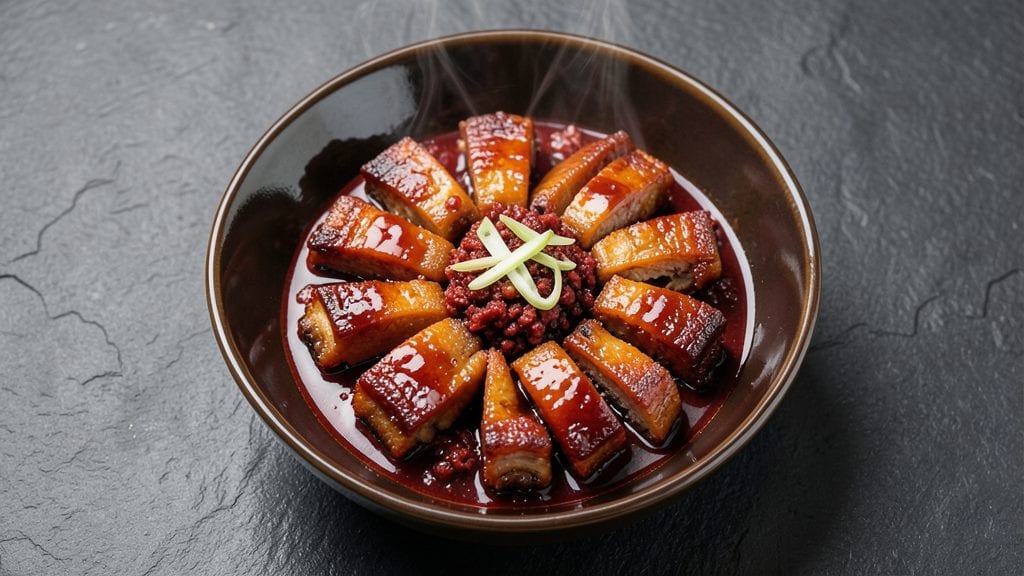
This Chinese red braised spare ribs recipe delivers restaurant-quality depth with a rich umami glaze that transforms tough cuts into melt-in-your-mouth perfection. The secret lies in slow-braising with fermented bean curd and star anise, creating layers of complex flavor that penetrate every rib.
I've perfected this technique over years of testing, balancing traditional methods with modern convenience—whether you're using a pressure cooker or a slow cooker.
The process begins with a deep marinade of soy sauce, five-spice powder, and ginger, which tenderizes the meat while building flavor. As the ribs braise, the red fermented bean curd breaks down into a velvety glaze that clings beautifully to the meat.
This isn't just another braised dish—it's a foolproof method that delivers professional results without requiring culinary expertise.
By the time you serve these ribs, you'll have tender, fall-off-the-bone meat swimming in a glossy, aromatic sauce. The deep red color and rich aroma make them perfect for family dinners or special occasions.
Each bite delivers a perfect balance of sweet, salty, and savory notes that will have everyone asking for seconds.
Serve these ribs with steamed rice and quick-pickled vegetables for a complete meal. The sauce is rich enough to spoon over rice or drizzle over noodles, making this recipe incredibly versatile. Let's get started on creating these deeply flavorful ribs that taste like they've been simmering all day.
Ingredients for chinese red braised spare ribs
Restaurant-quality umami glaze starts with these 15 ingredients—each one playing its part in transforming tough ribs into melt-in-your-mouth perfection.
| Ingredient | Amount | Notes |
|---|---|---|
| Spare Ribs 🍖 | 3 lb | Bone-in, cut into 2-inch pieces |
| Red Fermented Bean Curd (Douchi) 🧀 | ½ cup | Crumbled, for umami depth |
| Dried Star Anise 🌿 | 2 whole | For aromatic complexity |
| Soy Sauce 🥄 | ½ cup | Dark soy for rich color |
| Five-Spice Powder 🌶️ | 1 tbsp | Toasted for deeper flavor |
| Fresh Ginger 🧅 | 2 tbsp | Grated, for zesty kick |
| Garlic Cloves 🧄 | 6 cloves | Minced, aromatic base |
| Chinese Black Vinegar 🍶 | 2 tbsp | For tangy balance |
| Rock Sugar 🍚 | 2 tbsp | Or granulated sugar |
| Shaoxing Wine 🍷 | ¼ cup | Dry, for depth |
| Water 💧 | 1 ½ cups | For braising liquid |
| Cornstarch 🌾 | 1 tbsp | For sauce thickening |
| Sesame Oil 🫒 | 1 tbsp | Toasted, for aroma |
| Green Onions 🧅 | 4 whole | Sliced, for garnish |
| Salt 🧂 | 1 tsp | Kosher or sea salt |
The ribs are the star, so don’t skimp on quality. Look for bone-in spare ribs with good marbling—Costco or Whole Foods usually carry the best cuts. If you can’t find them fresh, frozen ribs work too (thaw overnight in the fridge). The red fermented bean curd (douchi) is non-negotiable—it’s what gives that signature deep umami flavor. Grab it at an Asian market or order online if your local store doesn’t carry it. For the five-spice powder, Penzeys or Trader Joe’s have great options, but if you’re in a pinch, any toasted blend will work. The star anise should be whole and aromatic—no dusty old jars here.
No douchi? Miso paste or fermented soybeans can stand in, but you’ll lose that signature red color. Running low on Shaoxing wine? Dry sherry or even a splash of balsamic gets you close. The rock sugar can be swapped for granulated, but it dissolves cleaner. For the ginger and garlic, fresh is best, but if you’re in a hurry, paste or jarred minced works (just drain well). The cornstarch is just for thickening—arrowroot powder works too if you’ve got it. And if you’re avoiding sesame oil, toasted peanut oil adds a similar nutty aroma. The green onions? Fresh is ideal, but dried works in a pinch (use half the amount).
This sauce gets better with time—make a double batch if you can. The ribs reheat beautifully, so portion leftovers into containers for easy lunches. Store the sauce separately if you’re not serving immediately—it keeps for up to 5 days in the fridge. For longer storage, freeze the ribs and sauce together (they’ll last 3 months). When reheating, add a splash of water to keep the sauce glossy. Serve with steamed jasmine rice and quick-pickled veggies for the full experience.
Why You'll Love This Recipe
- One-Pot Magic: I swear by this recipe because it’s one pan—no chopping, no fuss. Toss in ribs, douchi, star anise, and soy sauce, then let the slow braise do the work. Honestly, the only prep is trimming the ribs, and the rest? Just time.
- Umami Bomb: That red fermented bean curd (douchi) is the secret weapon—salty, funky, and so rich. The five-spice powder adds warmth, and the star anise lingers like a spiced hug. Between us, it’s the kind of flavor that makes you go back for thirds.
- Leftover Goldmine: These ribs taste better the next day—yes, really. I make a big batch on Sunday, and by Wednesday, they’re even more tender. Pack them for lunches or reheat with a splash of water—still delicious, still impressive.
- Budget-Friendly Feast: Spare ribs are cheap, and this recipe stretches them into a meal that feels special. The douchi and spices cost next to nothing but transform everything. I’ll be real: this is my go-to when I want restaurant-quality food without the price tag.
Step-by-step instructions for chinese red braised spare ribs
Here's how to transform tough ribs into melt-in-your-mouth perfection with that signature glossy glaze.
Prepare the Ribs and Aromatics
Rinse the 3 lb spare ribs under cold water and pat them completely dry with paper towels. This step is crucial—any moisture will prevent the ribs from developing that signature crispy bark. Cut the ribs into 2-inch pieces if they aren't already, separating them at the natural joints. In a small bowl, combine the crumbled 0.5 cup red fermented bean curd (douchi), 1 tbsp five-spice powder, 1 tsp salt, and 2 tbsp rock sugar. This umami-packed rub will infuse the ribs with deep flavor as they braise.
While the ribs marinate, peel the 2 tbsp fresh ginger and 6 cloves garlic. Grate the ginger using the fine holes of a box grater and mince the garlic with a sharp knife. The aroma will fill your kitchen—this is where the magic begins. Toast the 2 whole dried star anise in a dry skillet over medium heat for 1 minute until fragrant, then crush lightly with the side of your knife. This releases their essential oils, adding complexity to the braising liquid.
Sear the Ribs for Depth
Heat a heavy-bottomed pot or Dutch oven over medium-high heat until it's smoking hot. Add the ribs in a single layer, working in batches if needed, and sear undisturbed for 3-4 minutes until they develop a deep golden-brown crust. This caramelization forms the foundation of the glaze. Once browned on all sides, transfer the ribs to a plate and set aside.
In the same pot, add the grated ginger and minced garlic, cooking for 30 seconds until fragrant. Pour in the 0.25 cup shaoxing wine and scrape up any browned bits from the bottom of the pot—this is called deglazing, and it captures all the flavor that would otherwise be lost. Let the wine simmer for 1 minute until reduced by half, intensifying its depth.
Braise Until Fork-Tender
Return the seared ribs to the pot and add the 0.5 cup soy sauce, 2 tbsp chinese black vinegar, and 1.5 cups water. Bring the mixture to a gentle simmer, then reduce the heat to low. Cover the pot and let the ribs braise for 1 hour and 15 minutes. The liquid should reduce slightly, coating the ribs in a glossy glaze. Stir occasionally, ensuring the ribs are submerged in the braising liquid.
After the initial braising time, check the ribs for tenderness. They should be fork-tender but still have a slight bite. If they're not quite there, continue braising for another 15-30 minutes, adding a splash of water if the liquid evaporates completely. The ribs are done when they pull apart easily at the joints and the meat is tender throughout. The aroma should be rich and complex, with layers of umami from the douchi and sweetness from the sugar.
Thicken the Glaze and Finish
Once the ribs are tender, carefully remove them from the pot and set them aside on a plate. In a small bowl, whisk together the 1 tbsp cornstarch and 1 tbsp sesame oil until smooth. Slowly pour this mixture into the braising liquid, stirring constantly. The sauce will thicken immediately into a glossy, velvety glaze that clings beautifully to the ribs.
Return the ribs to the pot and simmer for an additional 2-3 minutes, allowing them to absorb the thickened glaze. Taste the sauce and adjust the seasoning if needed—add a splash more soy sauce for saltiness or a touch of vinegar for tang. The glaze should coat the back of a spoon and have a perfect balance of sweet, sour, and umami flavors.
Serve with Garnish
Transfer the ribs to a serving platter and drizzle generously with the glaze. Garnish with the sliced 4 whole green onions, adding a pop of color and freshness that cuts through the richness. Serve the ribs immediately, accompanied by steamed jasmine rice or crusty bread to soak up the delicious sauce. The contrast of the tender, fall-off-the-bone meat with the glossy, umami-packed glaze is what makes this dish truly unforgettable.
Pro Tips For Making Chinese Red Braised Spare Ribs
- Parboil First: DESCRIPTION: Skip the raw ribs straight into the braise—parboil them for 5 minutes first. This loosens the connective tissue so the five-spice and douchi flavors penetrate deeper, not just cling to the surface. I learned this the hard way after serving chewy ribs to guests who kept asking, "Is this supposed to be this tough?"
- Toast the Douchi: DESCRIPTION: Dry-toast the red fermented bean curd in a pan for 2-3 minutes until fragrant and slightly crisp. This deepens its umami punch and cuts through the richness of the ribs. Sounds weird, but it works—your sauce will taste more complex, not just salty.
- Simmer Low and Slow: DESCRIPTION: After the initial sear, reduce heat to the lowest setting and let the ribs bubble gently for at least 2 hours. I used to rush this and ended up with a thin, vinegary sauce and undercooked meat. Trust me, the patience pays off with fork-tender ribs and a glossy, flavorful reduction.
- Bloom the Five-Spice: DESCRIPTION: Toast the whole dried star anise and five-spice powder in oil for 30 seconds until aromatic before adding liquid. This unlocks their flavors instead of letting them sit blandly in the sauce. It’s the thing that makes the difference between "meh" and "wow" in this dish.
Regional styles of this dish
Cantonese Style
The Cantonese approach to these ribs focuses on a sweeter, glossier glaze achieved by adding more rock sugar (up to 3 tbsp) and a splash of honey or palm sugar for caramelization.
I like to use a wok for searing to create a deeper Maillard reaction, then finish in a clay pot for that signature Cantonese texture. The sauce is reduced longer—2-3 hours—until it coats the back of a spoon like syrup. 🍯
Sichuan Spicy Twist
For a fiery Sichuan variation, add 1 tbsp Sichuan peppercorns (toasted and crushed) and 1 tbsp chili bean paste to the braising liquid. The ribs get a numbing-spicy kick from the peppercorns, while the chili paste deepens the umami.
I balance the heat with an extra 1 tbsp rock sugar to prevent overpowering. Serve with pickled mustard greens to cool the palate. 🌶️
Shanghai Sweet-Sour
Shanghai-style ribs incorporate tangerine peel (candied or fresh) and dried shiitake mushrooms for a bright, citrusy-sweet profile. Simmer 2 tbsp dried shiitake (rehydrated) and 1 strip candied tangerine peel in the braising liquid for the last 30 minutes.
The sauce becomes lighter and slightly tangy, perfect with steamed buns or egg noodles. 🍊
Hong Kong Smoky Version
For a smoky depth, I add 1 charred red chili (from a gas flame) and 1 tsp smoked salt to the marinade. After braising, finish with a drizzle of toasted sesame oil and a sprinkle of crushed peanuts for texture.
This version works beautifully with char siu rice or egg tarts on the side. The smoky aroma elevates the dish to restaurant-quality. 🔥
Taiwanese Five-Spice Boost
Taiwanese chefs often use a heavier hand with five-spice powder—I recommend 2 tbsp instead of 1 for a more aromatic profile. Add 1 tsp fennel seeds (toasted) to the braising liquid for a subtle anise-like note.
The ribs develop a warmer, almost cinnamon-like depth that pairs perfectly with mango salsa or cucumber salad. 🌿
Modern Shortcut Adaptations
For a pressure cooker version, sear the ribs first, then pressure cook on high for 45 minutes with all ingredients. Release pressure naturally, then thicken the sauce on the stovetop.
For slow cooker fans, use the low setting for 6-8 hours—add a splash of water if needed to prevent drying. Both methods deliver tender ribs with less hands-on time. ⏱️
Nutrition facts
Frequently asked questions
Why does this recipe use red fermented bean curd (douchi)?
The douchi is the secret to that signature deep umami flavor and rich red color. It breaks down during braising into a velvety glaze that clings beautifully to the meat. Without it, you'll miss that authentic Cantonese restaurant taste. Think of it as the "magic ingredient" that transforms ordinary ribs into something extraordinary.
Can I substitute bone-in ribs with boneless pork shoulder?
While bone-in ribs are traditional, you can use boneless pork shoulder cut into 2-inch cubes. The cooking time will be slightly shorter (1 hour instead of 1.5 hours), but the technique remains the same. Just be sure to cut the meat into even-sized pieces for consistent tenderness. The sauce will work beautifully with either cut.
What if my ribs aren't tender after braising?
If the ribs still have some bite after 1.5 hours, cover the pot and cook another 30 minutes to 1 hour on low heat. Add 2-3 tbsp water if the liquid evaporates completely. The key is patience—don't rush the process. If they're still tough, they may need more time or a slightly higher liquid ratio next time.
How do I prevent the sauce from becoming too thin?
Use the full 1 tbsp cornstarch when thickening the sauce, and whisk it with 1 tbsp cold water first to prevent clumping. Simmer the sauce for 2-3 minutes after adding the cornstarch mixture to ensure proper thickening. If it's still too thin, mix another ½ tbsp cornstarch with water and stir in. The sauce should coat the back of a spoon.
Can I make this recipe in an Instant Pot?
Sear the ribs first, then add all ingredients and pressure cook on high for 45 minutes. Release pressure naturally, then transfer to a saucepan to thicken the sauce on the stovetop. The Instant Pot cuts cooking time significantly while still delivering tender, flavorful ribs. Just be sure to use the same sauce-thickening technique at the end.