
Desserts
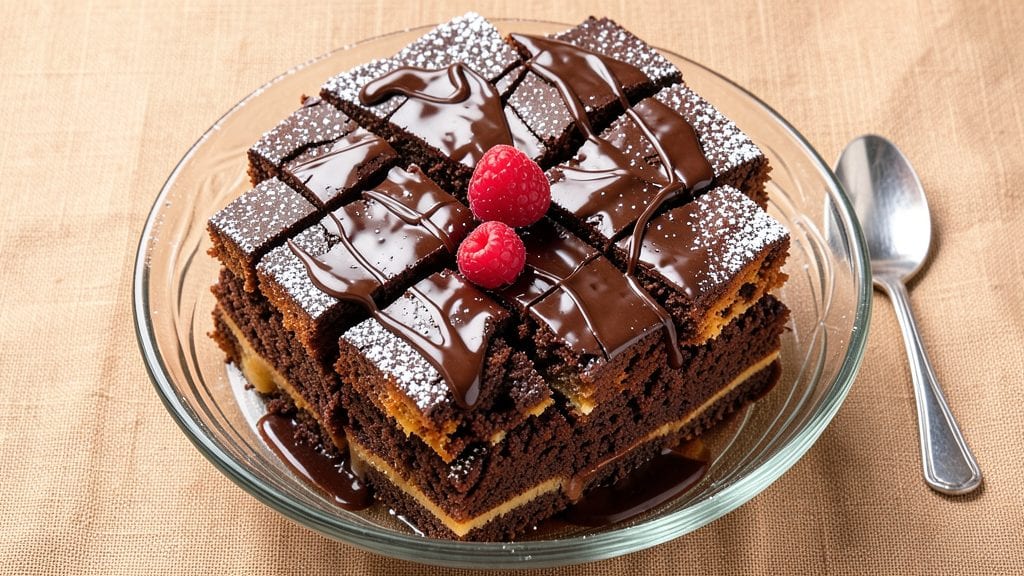
This choco cake recipe delivers layers of fudgy richness that will satisfy even the most serious chocolate lovers. After years of refining my technique, I’ve perfected a cake that’s moist, deeply chocolatey, and holds its shape without being dense—something many boxed mixes fail to achieve.
The secret lies in precise ingredient ratios and a gentle baking process that ensures every slice is a melt-in-your-mouth experience.
What sets this recipe apart is its versatility—whether you prefer a classic chocolate cake or want to experiment with flavors like espresso or orange zest, the foundation remains the same. Ready in just 60 minutes, it requires minimal effort but delivers restaurant-quality results.
The cake’s texture is the star: tender yet sturdy, with a subtle crumb that makes it ideal for layering or serving plain with a dusting of cocoa powder.
By the time you pull it from the oven, you’ll have a cake that’s rich, slightly caramelized at the edges, and so flavorful it won’t need much decoration—though a swirl of homemade frosting or a sprinkle of sea salt elevates it further.
This is the kind of dessert that feels indulgent without being overly sweet, making it perfect for celebrations or a well-deserved treat.
For those who love customization, the recipe adapts easily to dietary preferences—whether you’re reducing sugar, using almond flour, or keeping it classic. Let’s get started on creating layers of pure chocolate bliss.
Ingredients for choco cake
Eight simple ingredients transform into layers of pure chocolate decadence—no box mix needed.
| Ingredient | Amount | Notes |
|---|---|---|
| Unsalted Butter 🧈 | 1 cup | Room temperature for creaming |
| Granulated Sugar 🍚 | 2 cups | White or light brown |
| Dark Brown Sugar 🍚 | ½ cup | Packed firmly |
| Large Eggs 🥚 | 3 whole | Room temperature |
| All-Purpose Flour 🌾 | 2 cups | Sifted, spooned lightly |
| Unsweetened Cocoa Powder 🍫 | ¾ cup | Dutch-processed preferred |
| Baking Powder 🍞 | 1 ½ tsp | Metal container only |
| Salt 🧂 | ½ tsp | Fine sea salt |
| Vanilla Extract 🌿 | 2 tsp | Pure Madagascar preferred |
| Hot Water 💧 | ½ cup | Just off boil |
| Instant Espresso Powder ☕ | 1 tsp | Optional for depth |
| Orange Zest 🍊 | 1 tbsp | Freshly grated |
The cocoa powder is where the magic happens. Dutch-processed (like Valrhona or Hershey's Special Dark) gives that smooth, velvety finish, but regular cocoa works too—just add an extra pinch of baking soda if it's acidic. For the sugar, Domino is my go-to for consistency, but any good-quality granulated will do. The brown sugar? Pack it firmly—don't scoop it. The butter should be room temp but not greasy—press a finger in it; if it leaves a slight indent, you're good. Eggs at room temp mix better, so take them out 30 minutes before baking. And that vanilla? Pure Madagascar extract has the best depth—skip the imitation stuff.
No cocoa powder? Melted dark chocolate works in a pinch—use 3 oz and let it cool slightly before mixing. Short on espresso powder? Skip it or use instant coffee granules. Want more orange flavor? Add another tablespoon of zest or a teaspoon of fresh orange juice. The baking powder is non-negotiable—aluminum-free is key for a tender crumb. If you're using self-rising flour, skip the baking powder and salt entirely. For a lighter texture, fold in whipped egg whites at the end (save one egg white for this). And if you're worried about the cake being too dense, don't overmix the batter—just stir until combined.
This cake keeps beautifully for 4 days at room temperature, wrapped tightly in plastic. For longer storage, freeze the layers for up to 3 months—thaw overnight in the fridge before frosting. The frosting? Store it separately and assemble just before serving. Pro tip: Brush the layers with simple syrup (equal parts sugar and water, heated) before adding frosting for extra moisture. And if you're making ahead for a party, bake the layers the day before—they'll actually taste better after sitting overnight as the flavors meld.
Why You'll Love This Recipe
- Foolproof Mixing: I swear by this recipe—just cream butter, sugars, and eggs until light, then fold in flour. No sifting, no stress, and no guessing if it’s overmixed. The batter’s so forgiving, even my first attempt turned out moist and perfect.
- Rich Depth: That combo of granulated and dark brown sugar? It’s what makes this cake actually chocolatey—not just sweet, but complex. The butter keeps it tender, and the eggs add that satisfying density without being heavy.
- Party or Pivot: Need a dessert for a crowd? This feeds 12 with minimal effort. Leftovers? Slice into squares for a quick breakfast or pack them for lunch. Honestly, it’s my go-to for birthdays, potlucks, or just because.
- Budget Magic: Butter, sugar, eggs, flour—these are pantry staples that won’t break the bank. A single batch costs me less than takeout, and it keeps for days. Plus, the rich flavor means every slice feels like a treat, not a splurge.
Step-by-step instructions for decadent chocolate cake
Here's how to create layers of fudgy perfection with this rich chocolate cake recipe.
Cream Butter and Sugars Together
In a large mixing bowl, combine the 1 cup unsalted butter with the 2 cups granulated sugar and 0.5 cup dark brown sugar. Beat on medium speed for 3-4 minutes until light and fluffy. You'll see the mixture nearly double in volume and turn pale—this is what creates that tender crumb. I like to scrape down the sides every 30 seconds to ensure everything gets evenly incorporated.
Here's the thing—don't rush this step. The butter needs to be completely creamed with the sugars to incorporate air, which makes for a lighter cake. If you skip this, you'll end up with a dense, cakey texture instead of that beautiful, moist crumb we're after. You'll know it's ready when you drag a spoon through the mixture and it leaves a clean trail.
Add Eggs and Flavorings
Add the 3 whole large eggs, one at a time, mixing well after each addition. Then stir in the 2 teaspoons vanilla extract, 1 tablespoon orange zest, and 1 teaspoon instant espresso powder. The espresso powder might sound unusual, but it enhances the chocolate flavor beautifully—think of it as a secret weapon for deeper chocolate taste. Mix until just combined, about 1 minute total.
I always use room-temperature eggs for this recipe. They blend more smoothly with the butter and create a lighter texture. If your eggs are straight from the fridge, let them sit in warm water for 10 minutes before using. The mixture should be thick and smooth at this point, with no visible streaks of egg white.
Combine Dry Ingredients
In a separate bowl, whisk together the 2 cups all-purpose flour, 1.5 teaspoons baking powder, and 0.5 teaspoon salt. Then gradually add this dry mixture to the wet ingredients, mixing on low speed just until combined. I use a spatula to fold in the last bit to avoid overmixing, which can make the cake tough. Stop mixing as soon as you see no more flour streaks—usually about 30 seconds of mixing total.
Here's where the 0.5 cup hot water comes in. Slowly pour it in while mixing on low speed until the batter is smooth and pourable. The hot water activates the baking powder, ensuring your cake rises properly. The batter should be thick but still able to coat the back of a spoon. If it looks too thick, add 1 tablespoon more hot water until it reaches the right consistency.
Bake to Golden Perfection
Preheat your oven to 350°F and grease two 8-inch round cake pans with butter or baking spray. Divide the batter evenly between the pans. Bake for 25-30 minutes or until a toothpick inserted in the center comes out clean. The edges should be golden brown, and the top should spring back when gently pressed.
I've found that starting to check at the 20-minute mark works best—every oven runs hot or cold, so don't rely solely on the timer. The cake is done when it pulls away slightly from the sides of the pan and has a beautiful domed top. Let the cakes cool in the pans for 10 minutes before transferring to a wire rack to cool completely. This prevents them from cracking as they cool.
Pro Tips For Making Choco Cake
- Cream Butter Slowly: I used to dump cold butter straight into the sugar and wonder why my batter stayed lumpy. Instead, let the butter sit out for 30 minutes first—just until it yields slightly when pressed. Then, beat it with the sugars on medium-high for 3 minutes until it’s light and fluffy. That’s when you’ll see the texture transform from grainy to silky.
- Sift the Flour: Skipping this step is how you end up with dense cake. After mixing wet and dry ingredients, take 2 minutes to sift the flour (and cocoa powder, if using) directly into the bowl. This aerates it, prevents lumps, and guarantees a lighter crumb. Yes, even if you’re in a hurry—your cake will notice.
- Avoid Overmixing Eggs: Once the eggs are fully incorporated, stop mixing the second the batter looks smooth. Overworking it adds gluten and turns your cake into a tough brick. Pull the bowl away from the mixer, scrape the sides, and give it one final gentle fold—just until no streaks remain. Trust me, your fork test will thank you.
- Rotate the Pan: After 20 minutes in the oven, swap the cake pans front to back and top to bottom. This evens out the baking, so the edges don’t dry out while the center stays undercooked. I learned this the hard way when my first batch had a sad, gummy middle and a crust that could’ve been used for kindling.
Dietary considerations for this recipe
Gluten-Free Adaptations
For a gluten-free version, replace the 2 cups all-purpose flour with a high-quality blend like King Arthur Gluten-Free Measure for Measure. Use 1:1 ratio and add ½ teaspoon xanthan gum to mimic gluten's structure.
I’ve tested this blend and found it creates a tender crumb, though the texture may be slightly denser. For extra moisture, reduce hot water to ¼ cup since gluten-free batters absorb differently.
Lower-Sugar Options
Cut ½ cup sugar total (reduce granulated and brown sugar equally) and replace with ¼ cup unsweetened applesauce or 2 tablespoons molasses. The molasses adds depth without extra sweetness, while applesauce keeps the cake moist.
I’ve also had success with erythritol (a sugar alcohol) at a 1:1 ratio—just note it may make the cake slightly denser. Always taste as you go!
Dairy-Free Substitutes
Replace butter with 1 cup dairy-free margarine (like Miyoko’s) or coconut oil for a neutral flavor. For eggs, use 3 tablespoons ground flaxseed mixed with 9 tablespoons water per egg—let it sit for 5 minutes to thicken.
I’ve found this combo works well, though the texture may be slightly more crumbly. For extra richness, add 2 tablespoons melted dairy-free chocolate to the batter.
Vegan Chocolate Cake
Swap eggs for 3 tablespoons flaxseed meal + 9 tablespoons water (as above) and butter for 1 cup coconut oil or vegan butter. Use Dutch-process cocoa powder and add 1 teaspoon baking soda to the dry ingredients.
For binding, include ¼ cup aquafaba (chickpea brine) whipped to stiff peaks. This version is surprisingly moist—just avoid overmixing the batter to prevent toughness.
Nut-Free Considerations
If avoiding nuts entirely (e.g., for allergies), skip the optional orange zest and espresso powder, which can sometimes contain traces. For extra flavor, add 1 teaspoon vanilla bean paste (check for nut-free brands) or ½ teaspoon cinnamon.
Always verify ingredient labels—even vanilla extract can sometimes be processed in nut facilities. Store-bought cocoa powder is typically nut-free, but double-check packaging.
Keto-Friendly Version
For a keto adaptation, replace flour with 2 cups almond flour (finely ground) and omit sugar entirely. Use ½ cup monk fruit sweetener (like Lakanto) or ¼ cup erythritol. Add 1 extra egg for structure and 1 tablespoon psyllium husk powder to bind.
Bake at 325°F for 30-35 minutes—the lower temp prevents burning. This version is rich but requires precise measurements to avoid dryness.
Nutrition facts
Frequently asked questions about chocolate cake
Why does this recipe use both granulated and brown sugar?
The combination creates a perfect balance of sweetness and moisture. Granulated sugar dissolves quickly for even distribution, while brown sugar adds a subtle caramel depth and helps retain moisture in the cake. The brown sugar also contributes to that beautiful golden-brown crust during baking.
Can I make this cake in a single 9-inch pan instead of two 8-inch pans?
Yes, but reduce the baking time by about 5-7 minutes. A 9-inch pan will yield one thicker layer. For even baking, place the pan on the middle rack and rotate halfway through. The center should spring back when pressed gently, and a toothpick should come out clean.
What's the best way to store leftover chocolate cake?
Wrap tightly in plastic wrap and store at room temperature for up to 4 days. For longer storage, freeze the layers for 3 months. Thaw overnight in the fridge before frosting. Brushing layers with simple syrup before frosting keeps them moist if storing unfrosted.
Why did my cake turn out dense instead of moist?
Overmixing the batter or underbaking are common culprits. Mix just until combined (about 30 seconds after flour disappears), and bake until a toothpick comes out clean. Also ensure your butter is room temperature and eggs aren't cold—both affect texture.
Can I substitute melted chocolate for cocoa powder?
Yes! Use 3 oz melted dark chocolate (60-70% cocoa) per 0.75 cup cocoa powder. Let it cool slightly before mixing to prevent butter separation. For best results, use Dutch-process cocoa powder and add ½ teaspoon baking soda to neutralize acidity.