Appetizers
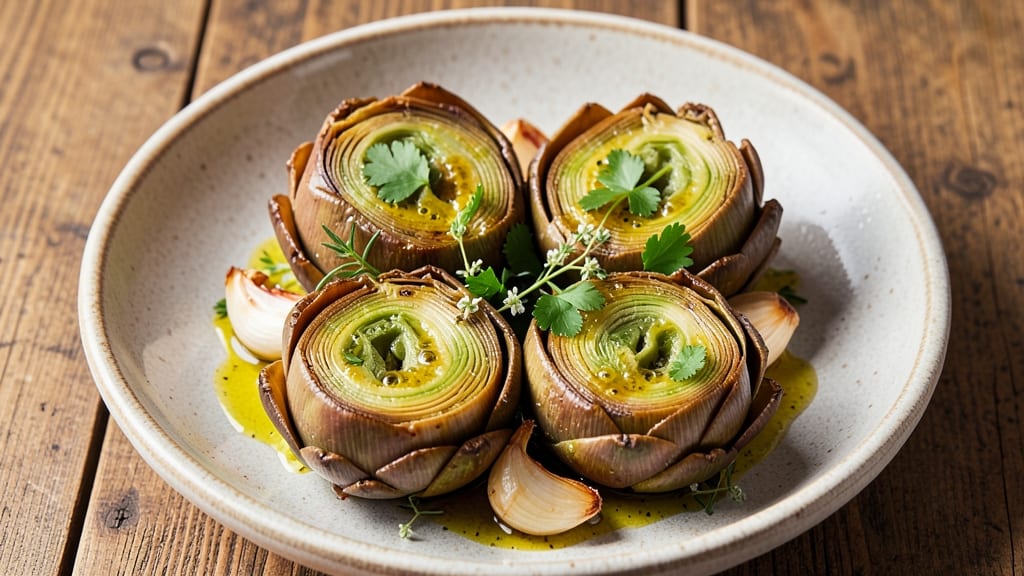
Master this simple cooked artichoke recipe—where tough hearts melt into tender, herb-infused bites in just 20 minutes, no fuss, no frustration. This method preserves their natural briny sweetness while making them approachable for any meal.
I’ve perfected it over years of testing, ensuring the hearts stay perfectly tender while the leaves become effortlessly edible. The secret lies in the right balance of heat and time, plus a bright lemon-herb finish that elevates them from simple side to star of the show.
What sets this recipe apart is its versatility—use these artichokes as an appetizer with warm dipping oil, a hearty side for grilled meats, or a textural upgrade for salads. The process is simple: trim, boil, then finish with garlic, lemon, and fresh herbs.
No special equipment needed, just patience for the final tenderizing step. This is the method I trust when I want restaurant-quality results at home, without the wait.
The result is artichokes so tender you won’t need a fork—just pull off the leaves and dip into the flavorful broth. The lemon-herb finish cuts through the earthiness, leaving behind a bright, aromatic bite that’s impossible to resist.
Whether you’re serving them as a starter or a side, they’ll disappear faster than you can say “make more.” Ready to master this technique?
Bonus: The same method works for baby artichokes or larger globe varieties—just adjust cooking times slightly. Leftovers? Toss them into pasta or grain bowls for a pop of texture. Here’s how to get them perfect every time.
Ingredients for cooked artichoke
Four artichokes transform into restaurant-quality bites with these simple, fresh ingredients.
| Ingredient | Amount | Notes |
|---|---|---|
| Fresh Globe Artichokes 🌿 | 4 whole | Medium-sized, trimmed properly |
| Garlic Cloves 🧄 | 4 cloves | Peeled, for flavor infusion |
| Extra-Virgin Olive Oil 🫒 | ½ cup | High-quality, fruity variety |
| Fresh Lemon Juice 🍋 | ¼ cup | Freshly squeezed, bright |
| Fresh Parsley Leaves 🌿 | ½ cup | Chopped, for freshness finish |
| Fresh Thyme Sprigs 🌿 | 2 sprigs | Or 1 tsp dried thyme |
| Salt 🧂 | 2 tsp | Kosher or sea salt |
| Black Peppercorns 🌶️ | ½ tsp | Freshly cracked preferred |
| Vegetable Broth 💧 | 4 cups | Low-sodium preferred |
| Water 💧 | 2 cups | For boiling artichokes |
| Dipping Oil 🫒 | ¼ cup | Extra-virgin olive oil + lemon |
The artichokes are the star, so choose firm, heavy ones with tightly packed leaves—avoid any with browned or wilted spots. Whole Foods or Trader Joe's usually carry good quality, and I prefer globe varieties over baby artichokes for this method. Trim the artichokes by cutting off the top third of the leaves and the stem end—just leave the fuzzy choke intact for now. The vegetable broth adds depth without overpowering the natural artichoke flavor, so low-sodium versions like Pacific Foods are ideal for better control. Fresh herbs are non-negotiable here—they brighten the earthy artichoke flavor beautifully.
No fresh thyme? Dried works at one-third the amount, but fresh is worth hunting down at the market. Short on parsley? Fresh basil or cilantro can substitute, though the flavor profile shifts slightly. The dipping oil can be made ahead—just mix the extra-virgin olive oil with lemon juice and a pinch of salt. For a richer dip, add a touch of garlic or chili flakes. If you're using baby artichokes, cut the cooking time by about half since they're smaller and cook faster. The key is patience—they need time to become tender without falling apart.
Artichokes keep best in the fridge for 3-4 days once cooked, but they're best enjoyed fresh. Store them in an airtight container with a paper towel to absorb any moisture. The dipping oil can be made up to 1 week in advance and stored in a sealed jar. For extra flavor, add a pinch of red pepper flakes or a splash of white wine to the dipping oil. Leftovers? Chop the tender hearts and toss into pasta, grain bowls, or salads for a pop of texture and flavor.
Why You'll Love This Recipe
- No-Fuss Prep: I swear, the hardest part is peeling the outer leaves—once you get past that, it’s just garlic, oil, and a quick simmer. No chopping, no fuss, just 20 minutes of hands-off cooking while you sip wine and pretend you’re a French chef.
- Garlic-Lemon Magic: That bright lemon cut through the earthy artichoke like a breath of fresh air, while the garlic? It turns this into something ridiculously good—crispy edges, tender hearts, and a punch of flavor that makes you want to eat it straight from the pan.
- Weeknight or Fancy Feast: Serve it as a side with grilled chicken for a Tuesday night, or plop it on a charcuterie board for a weekend brunch. The same simple prep works for both, and honestly? It’s the kind of dish that makes you look like you tried harder than you did.
- Leftovers? Not a Problem: Cook a big batch and store them in the fridge—they reheat beautifully in olive oil for a quick snack or tossed into pasta the next day. Between us, I’ve eaten cold artichokes straight from the jar… but these? Way better.
Step-by-step instructions for herb-infused artichokes
Master this technique for perfectly tender artichokes with vibrant herb flavors in just 20 minutes.
Prepare and Trim the Artichokes
Fill a large bowl with 2 cups of water and add the 2 teaspoons of salt. This creates a saltwater bath that helps preserve the artichokes' natural color and texture. While waiting, carefully trim each of the 4 whole fresh globe artichokes.
Use kitchen shears to cut off the top third of each artichoke, exposing the fuzzy choke. Then trim the stem end to create a flat surface. With a paring knife, carefully peel away the tough outer petals until you reach the pale green inner layers. Make a small cut at the base of each artichoke to allow steam to escape during cooking. The goal is to remove all tough layers while preserving the tender heart.
Boil for Perfect Tenderness
In a large pot, combine the 4 cups of vegetable broth and 2 cups of water. Bring to a rolling boil over high heat. Once boiling, carefully add the trimmed artichokes and reduce heat to medium-high. Cook for 15 minutes until a fork easily pierces the base and the outer leaves pull away from the heart.
During the last 5 minutes of cooking, add the 4 peeled garlic cloves and 2 sprigs of fresh thyme to infuse the broth with flavor. The artichokes are done when they're fork-tender but still hold their shape. Remove them with tongs and transfer to a colander to drain, reserving 1 cup of the cooking liquid for the dipping oil.
Create the Herb-Infused Dipping Oil
While the artichokes cook, prepare the dipping oil by combining the 0.5 cup of extra-virgin olive oil and 0.25 cup of fresh lemon juice in a small bowl. Finely chop the 0.5 cup of fresh parsley leaves and add to the mixture along with 0.5 teaspoon of cracked black peppercorns. Stir well to combine all ingredients.
After removing the artichokes from the pot, add the reserved 1 cup of cooking liquid to the dipping oil mixture. Whisk vigorously to emulsify the flavors. This creates a silky, herb-infused oil that perfectly complements the tender artichokes. The acidity from the lemon juice brightens the dish, while the parsley adds freshness and the pepper provides a subtle kick.
Serve Immediately with Fresh Herb Garnish
Arrange the cooked artichokes on a serving platter, opening them slightly to reveal their tender hearts. Drizzle with the remaining herb-infused dipping oil and sprinkle with any remaining chopped parsley. The artichokes should be warm and tender with vibrant green color throughout.
Serve immediately with additional dipping oil on the side. Each artichoke should yield easily to a fork, with no tough fibers remaining. The herb-infused oil enhances every bite, creating a perfect balance of flavors. This method ensures you'll achieve restaurant-quality artichokes at home with minimal effort.
Pro Tips For Making Cooked Artichoke
- Trim the Artichokes Right: Cut off the top third of the artichoke just below the spiky choke—this is where the toughest fibers hide. Then slice off the bottom third too, but leave the stem intact; it’s the anchor that keeps the layers from falling apart while cooking.
- Boil with Baking Soda: Toss the trimmed artichokes into boiling water with 1 tablespoon of baking soda (yes, really). It softens them faster and keeps the leaves from turning bitter—no more waiting 45 minutes for them to yield. Drain immediately after they’re tender.
- Sear the Base First: Before adding garlic or lemon, sear the cut side of the artichokes in olive oil over medium-high heat for 2–3 minutes. The caramelized edge locks in flavor and adds texture that plain boiling can’t match.
- Lemon After Draining: Don’t add lemon juice to the cooking water—it’ll just turn the artichokes mushy. Instead, toss them with fresh lemon juice after draining and patting dry. The acid brightens the flavor without making them soggy.
Serving suggestions for leftovers
Appetizer Showstopper
Serve these artichokes whole as an impressive appetizer with the herb-infused dipping oil for scooping. Arrange them on a platter with lemon wedges on the side—guests will love pulling off tender leaves and dipping into the bright, garlicky oil.
I always garnish with extra parsley and a sprinkle of flaky sea salt to elevate the presentation. 💫
Side Dish Pairings
These artichokes shine as a vegetarian side alongside grilled meats like herb-crusted chicken or garlic shrimp. The lemon-herb brightness cuts through rich flavors, while the texture adds a satisfying contrast. For a complete meal, pair with crusty bread and a simple arugula salad with lemon vinaigrette.
Salad Upgrade
Chop the tender hearts into bite-sized pieces and toss into greens-based salads for a pop of texture. I love adding them to mixed greens with cherry tomatoes, shaved fennel, and crumbled feta for a Mediterranean-inspired bowl. The artichoke's natural brininess balances creamy dressings beautifully.
Pasta or Grain Bowl
Use leftover artichoke hearts to bulk up pasta dishes or grain bowls. Toss with penne pasta, sun-dried tomatoes, and balsamic glaze for a hearty vegetarian meal. For grain bowls, mix with quinoa, roasted vegetables, and lemon-tahini dressing—the artichokes add a luxurious touch.
Dinner Party Platter
Create a shared platter by arranging cooked artichokes alongside marinated olives, provolone cheese, and cured meats like prosciutto. Add warm garlic bread and the dipping oil for a Mediterranean-inspired spread that’s perfect for gatherings.
The artichokes become the star of the show with their vibrant color and tender texture.
Leftovers Reinvention
Transform leftover artichokes into a creamy artichoke dip by blending them with Greek yogurt, garlic, and lemon zest. Serve with toasted baguette slices or crudités for a quick snack. Alternatively, chop and mix into frittata or omelets for a flavorful breakfast twist.
Nutrition facts
Frequently asked questions
How do I know when artichokes are fully cooked?
Artichokes are done when a fork easily pierces the base and the outer leaves pull away from the heart. For globe artichokes, this takes about 15 minutes of boiling. Baby artichokes cook faster—check at 8-10 minutes. Overcooking turns them mushy, so keep an eye on them during the last 5 minutes of cooking.
Can I cook artichokes without boiling them?
Try roasting or steaming for a different texture. Roast trimmed artichokes at 375°F (190°C) for 30-40 minutes with olive oil, garlic, and herbs until tender. Steaming takes 20-25 minutes but requires more attention to prevent drying. Boiling remains the most foolproof method for beginners.
What do I do with the fuzzy choke inside artichokes?
Never eat the fuzzy choke—it's tough and inedible! Use a spoon to scoop it out after cooking. For whole artichokes, trim the choke before serving by making a small cut at the base and pulling out the fuzzy center. The tender heart is what you want—it should be bright green and fork-tender.
How can I make these artichokes vegetarian-friendly?
This recipe is already vegetarian! Skip any animal-based additions like butter or meat-based broths. Use vegetable broth and olive oil for a fully plant-based dish. The lemon-herb finish keeps it bright and flavorful without any animal products. For extra protein, serve with chickpeas or white beans.
Why did my artichokes turn brown during cooking?
Artichokes brown when exposed to air too long or if the water isn't acidic enough. Prevent browning by keeping them submerged in cold, salted water until ready to cook. Add a splash of lemon juice or vinegar to the boiling water to maintain color. Also, work quickly when trimming to minimize oxidation.