
Sauces & Condiments
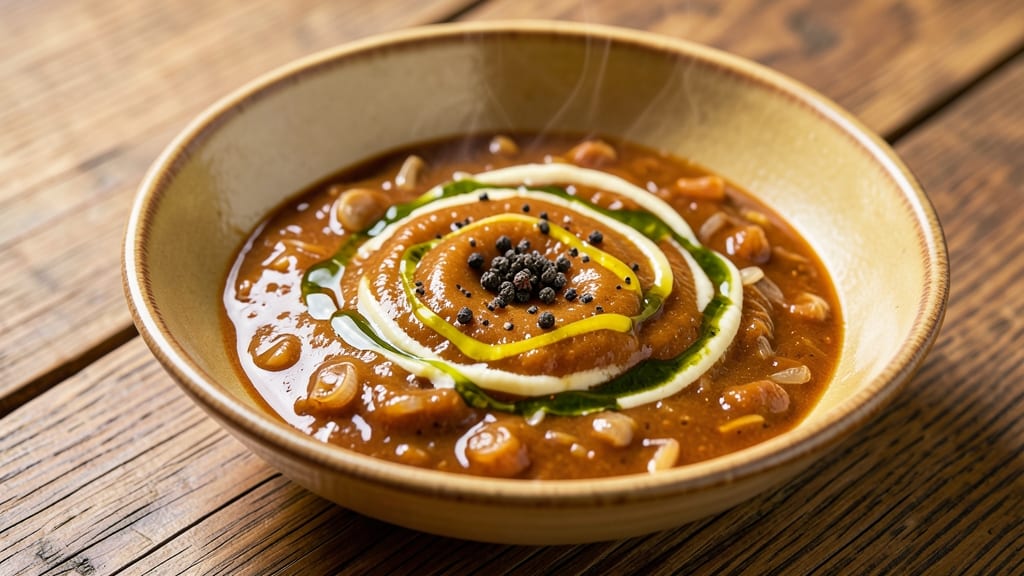
Creating a cooked dressing recipe transforms ordinary salads into restaurant-worthy bowls with rich, velvety textures and deep, savory flavors. This isn't your typical thin vinaigrette—it's a thickened, warm sauce that clings to greens and elevates every bite.
After perfecting this technique over years of testing, I've developed a foolproof method that delivers professional results without requiring culinary expertise.
The secret lies in the cooking process: emulsifying ingredients like mayonnaise, mustard, and vinegar over gentle heat until thick and glossy. This method creates a dressing that stays cohesive even when tossed with hearty vegetables or paired with hearty proteins.
The result is a dressing that's creamy yet balanced, with just the right amount of tang and richness to complement any salad base.
What makes this recipe stand out is its versatility—it works with everything from crisp romaine to sturdy kale, and its warm temperature makes it perfect for winter dishes or as a dipping sauce.
The texture is thick enough to coat each ingredient thoroughly, ensuring every bite is packed with flavor. Once you try this, store-bought dressings will never compare again.
Ready in just 15 minutes, this dressing keeps well in the refrigerator for up to a week, making it ideal for meal prep. Whether you're dressing a classic wedge salad or creating a warm grain bowl, this recipe delivers restaurant-quality results with minimal effort.
Let's get started on transforming your salads forever.
Ingredients for cooked dressing
Nine essential ingredients create restaurant-quality cooked dressing that transforms salads into velvety masterpieces.
| Ingredient | Amount | Notes |
|---|---|---|
| Dijon Mustard 🍯 | 1 tbsp | High-quality for tangy depth |
| Mayonnaise 🥛 | ½ cup | Full-fat for creamy texture |
| White Wine Vinegar 🍷 | ¼ cup | Dry variety preferred |
| Extra-Virgin Olive Oil 🫒 | ½ cup | Light fruity flavor profile |
| Fresh Shallots 🧅 | 2 whole | Finely minced, skin on |
| Garlic Cloves 🧄 | 3 cloves | Peeled and minced |
| Dry Sherry 🍷 | ¼ cup | Substitute with dry white wine |
| Heavy Cream 🥛 | ¼ cup | Full-fat for richness |
| Diamond Crystal Kosher Salt 🧂 | ½ tsp | Adjust to taste |
| Freshly Ground Black Pepper 🌶️ | ¼ tsp | Freshly cracked preferred |
The shallots and garlic form the aromatic base, so choose fresh, firm shallots with vibrant color. Trader Joe's and Whole Foods carry excellent quality. For the wine vinegar, Bragg or Heinz are reliable brands, but any dry variety works. The extra-virgin olive oil should have a peppery finish—California Olive Ranch is a consistent choice. Freshly minced shallots and garlic release more flavor than pre-minced, so take the extra 30 seconds to do it yourself. The dry sherry adds depth; if unavailable, dry white wine works equally well, though it may have slightly different acidity.
No sherry? Dry white wine or additional white wine vinegar maintains balance. Substitute heavy cream with half-and-half for a lighter texture, though the dressing will be slightly less rich. For a dairy-free option, use coconut cream but reduce by 10% due to higher fat content. The mustard should be Dijon—Amoy or Maille are premium choices. If you prefer less tang, reduce the mustard to 1 teaspoon and add 1 teaspoon of honey. The dressing's emulsification relies on precise ingredient ratios, so measure carefully—especially the vinegar and wine components.
This dressing thickens as it cools, so store it in an airtight container with a thin layer of olive oil on top to preserve freshness. It keeps for 5-7 days in the refrigerator and freezes beautifully for up to 3 months—thaw gently in the fridge. For meal prep, portion into small containers; the dressing reheats well and maintains its velvety texture. If the dressing separates upon reheating, whisk vigorously to re-emulsify. The flavor actually improves after 24 hours as the ingredients meld together.
Why You'll Love This Recipe
- No-Fuss Technique: I swear by this method—just simmer shallots in olive oil until they’re soft and golden, then whisk in the rest. No blender, no straining, just a smooth, rich dressing with depth that takes zero effort.
- Umami Bomb: That moment when the shallots caramelize? Pure flavor magic. The Dijon mustard cuts through the richness while the white wine vinegar brightens everything—salty, tangy, and just a little sophisticated without trying.
- Every Meal Upgrade: Slather it on grilled chicken, toss it with roasted veggies, or drizzle it over a simple salad. It’s my go-to for weeknight dinners, potlucks, or even as a quick sandwich spread—because why choose when one dressing does it all?
- Budget Magic: Uses pantry staples you already own, and the leftovers? Last me weeks in the fridge. Honestly, I’ve had this dressing clinging to the back of my fridge for months—because it’s too good to waste.
Step-by-step instructions for warm cooked dressing
This method delivers a velvety, flavor-packed dressing with perfect thickness every time.
Sauté Aromatics Until Translucent
Heat the 0.5 cup extra-virgin olive oil in a medium saucepan over medium-low heat. Add the 2 whole fresh shallots and 3 cloves garlic cloves, both finely minced. Cook for 5-7 minutes until the shallots become translucent and the garlic releases its aroma—this foundational step builds complex flavor.
Here's the thing—don't rush this step. The shallots should soften completely without browning, and the garlic should be fragrant but not colored. If you see any golden spots forming, reduce the heat immediately. This gentle cooking prevents bitterness and ensures a smooth dressing base.
Deglaze with Vinegar and Sherry
Pour in the 0.25 cup white wine vinegar and 0.25 cup dry sherry, scraping up any browned bits from the bottom of the pan with a wooden spoon. This deglazing captures all the flavor compounds that would otherwise burn. Bring the mixture to a gentle simmer and let it reduce by half—this takes about 3-4 minutes—until you notice the liquid has thickened slightly and the alcohol aroma has evaporated.
Real talk: If you skip this reduction step, your dressing will taste raw and sharp. The reduction mellows the acidity and alcohol, creating a balanced flavor foundation. Taste the mixture now—it should be tangy with a hint of sweetness from the shallots.
Incorporate Mustard and Cream
Remove the pan from heat and whisk in the 1 tablespoon Dijon mustard and 0.5 cup mayonnaise. Return to low heat and gradually add the 0.25 cup heavy cream, whisking constantly to prevent curdling. The mixture should begin to thicken immediately—this is the moment that matters: keep whisking vigorously for 2-3 minutes until the dressing reaches a velvety consistency that coats the back of a spoon.
I've found that adding the cream off heat first prevents overheating the mayonnaise, which could cause separation. The low heat helps emulsify the ingredients without cooking the mayonnaise or cream. If the dressing looks too thick, add 1 tablespoon water at a time until it reaches your desired consistency.
Season and Finish
Return the dressing to low heat and add the 0.5 teaspoon diamond crystal kosher salt and 0.25 teaspoon freshly ground black pepper. Let it warm through for 1-2 minutes, stirring constantly, until it reaches an internal temperature of 160°F—this ensures it's safely heated while maintaining its creamy texture. The dressing should now have a rich, aromatic depth with perfect balance between tang, richness, and seasoning.
Don't skip the warming step—this activates all the flavors and creates that luxurious, warm dressing quality that sets it apart from cold versions. For serving, transfer to a heatproof bowl and drizzle over warm salads, roasted vegetables, or grilled proteins. The dressing will maintain its perfect consistency for up to 4 hours when kept warm.
Pro Tips For Making Cooked Dressing
- Sweat the Shallots First: Don’t just chop and toss—sauté those shallots in olive oil over medium-low heat until they’re soft and golden, about 5-6 minutes. I used to skip this, and the dressing always tasted raw and sharp; cooked shallots add depth that no amount of mincing can match.
- Temper the Mayonnaise Slowly: Whisk in the vinegar and mustard to the mayo gradually, a tablespoon at a time, or you’ll end up with a broken emulsion. I learned this the hard way—once I dumped everything in at once and had to start over. Patience here keeps your dressing smooth.
- Use Room-Temp Ingredients: Take the mayo and Dijon out of the fridge 30 minutes before mixing—cold ingredients separate and make emulsifying a nightmare. Trust me, your dressing will hold together better if everything’s at the same temperature.
- Finish with a Drizzle of Oil: After everything’s mixed, let the dressing sit for 10 minutes, then finish with a slow drizzle of olive oil. This isn’t just for looks—it adds richness and ensures the texture stays creamy, not greasy. (Yes, even if you’re impatient like me.)
Make-ahead tips for this recipe
Prep Ahead for Efficiency
Mince your shallots and garlic the night before and store them in an airtight container in the fridge. This saves 15 minutes of prep time when you're ready to cook.
I also like to measure out all my ingredients—mayonnaise, vinegar, sherry, and cream—into separate small bowls so I can whisk them in quickly during cooking. This organized approach keeps the process smooth and prevents mistakes from rushing. 💡
Storage Hacks
After cooling, transfer the dressing to a glass jar or airtight container with a layer of olive oil on top—this preserves freshness and prevents a skin from forming. Label with the date and store in the fridge for up to 7 days.
For longer storage, freeze in ice cube trays—thaw one cube at a time for single servings. The texture remains velvety when reheated gently on the stovetop. ❄️
Reheating Without Ruin
To reheat, transfer the dressing to a small saucepan and warm over low heat for 3-4 minutes, stirring constantly. If it separates, whisk vigorously to re-emulsify—this happens occasionally with stored dressings.
For microwave reheating, use 30-second intervals on low power, stirring between each. Avoid high heat, which can break the emulsion and make the dressing grainy. 🔥
Batch Prep for Meal Prep
Double the recipe and store in two 1-cup portions for easy grab-and-go salads. I like to prep this on Sunday nights so I can assemble quick lunches all week. The dressing keeps its rich flavor and creamy texture even after 5 days in the fridge.
For extra insurance, add ½ teaspoon lemon juice when reheating to brighten flavors. 📅
Freezing for Future Use
Portion the dressing into silicon molds or small jars before freezing. When ready to use, thaw overnight in the fridge and reheat gently. The texture may be slightly thicker after freezing, so add 1 teaspoon water at a time while reheating to restore creaminess.
I’ve successfully frozen this dressing for up to 3 months without losing quality. 🥶
Customizing for Leftovers
Save any leftover dressing by thinning it with 1 tablespoon water or broth if it becomes too thick. For extra flavor, stir in 1 teaspoon fresh herbs like tarragon or chives when reheating.
This works especially well with roasted vegetable leftovers or as a dip for warm pita bread. 🌿
Nutrition facts
Frequently asked questions
Why does this dressing need to be cooked?
Cooking transforms it from a simple vinaigrette into a rich, velvety sauce with deeper flavor complexity. The gentle heat reduces the vinegar's sharpness, mellows the sherry's alcohol, and emulsifies the cream and mayo for a silky texture. This method creates a dressing that clings beautifully to greens and stands up to hearty proteins.
Can I make this dressing dairy-free?
Replace the heavy cream with ½ cup coconut cream (reduce by 10% due to higher fat) and use a dairy-free mayo. For extra thickness, add 1 tablespoon nutritional yeast to mimic the richness. The flavor will be slightly different but still delicious when paired with roasted vegetables or grains.
What if my dressing separates when reheating?
This happens when the emulsion breaks. Simply whisk vigorously while warming on low heat and add 1 teaspoon water at a time until smooth. For stubborn separation, mix in ½ teaspoon Dijon mustard to help re-stabilize the emulsion. The key is gentle heat and constant stirring to prevent curdling.
How can I use this dressing beyond salads?
This versatile sauce works beautifully as a dip for warm pita, roasted potatoes, or crusty bread. Try drizzling it over grilled chicken, fish tacos, or even pasta for a rich, warm dressing. The thick texture makes it perfect for dipping or as a sauce for hearty vegetable bowls.
Can I adjust the heat level in this dressing?
Yes! For a milder flavor, reduce the sherry to 2 tablespoons and add 1 teaspoon honey to balance the acidity. For extra heat, stir in ½ teaspoon smoked paprika or a pinch of cayenne after cooking. Always taste as you go to achieve your perfect heat level.