
Main Courses
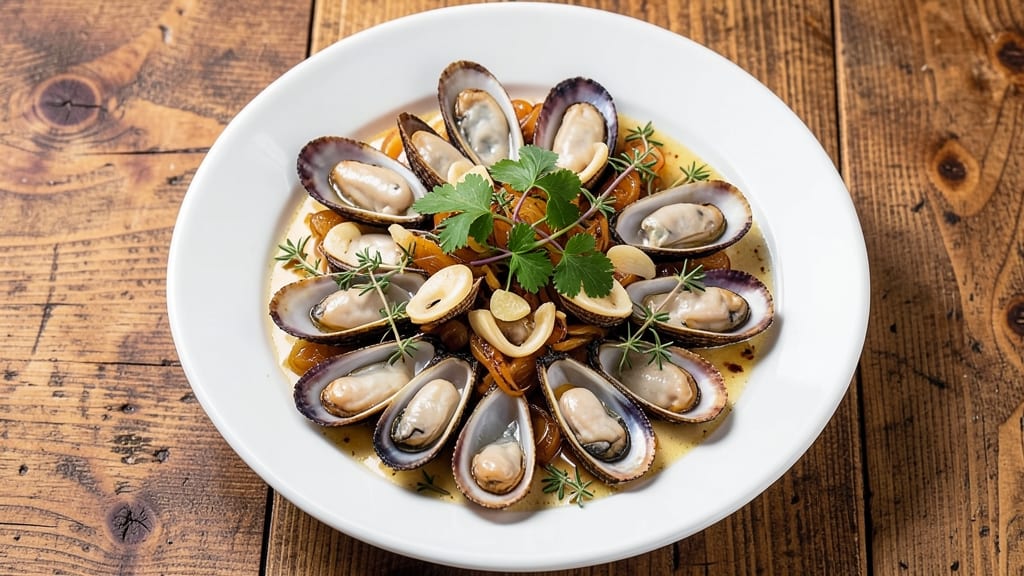
This cooked mussels recipe in white wine and garlic turns a quick seafood dinner into something elegant with just 15 minutes of hands-on time. The secret lies in proper preparation—debearding and cleaning the mussels first—then letting the bright flavors of garlic, white wine, and fresh herbs work their magic as they steam in their own liquid. I first made this recipe during a chilly Portland evening when I needed something quick but impressive for unexpected guests, and it became an instant favorite.
What makes this dish special is how the wine and herbs infuse every mussel with flavor without overpowering their natural brininess. The mussels open perfectly when cooked at the right temperature, revealing tender, juicy meat inside.
This recipe serves four as a complete meal, with the steaming liquid reduced into a fragrant broth that can be drizzled over the mussels for extra richness.
By the time you're done, you'll have a plate of plump, open mussels bathed in a fragrant garlic-herb wine sauce, ready to be served with crusty bread or a simple green salad.
The aroma alone will have everyone at the table asking for seconds. Here's how to achieve this restaurant-quality result at home.
This dish works beautifully as a light main course for spring or summer evenings, or as a showstopper for pescatarian gatherings. The leftovers, if any, make an excellent next-day soup base—just add some broth and simmer until the mussels release their flavor.
Let's get started on this elegant yet approachable recipe.
Ingredients for cooked mussels
Fresh mussels, bright wine, and aromatic herbs create an elegant seafood dish with minimal effort.
| Ingredient | Amount | Notes |
|---|---|---|
| Fresh Mussels 🦪 | 2 lb | Live, debearded and cleaned |
| Dry White Wine 🍷 | 1 cup | Sauvignon Blanc or Pinot Grigio |
| Garlic Cloves 🧄 | 8 cloves | Thinly sliced, not minced |
| Shallots 🧅 | 2 whole | Thinly sliced, about 0.25 cup |
| Fresh Parsley 🌿 | ¼ cup | Chopped, plus extra for garnish |
| Fresh Thyme 🌿 | ½ tsp | Leaves only, finely chopped |
| Extra-Virgin Olive Oil 🫒 | 2 tbsp | For sautéing garlic |
| Lemon Juice 🍋 | 2 tbsp | Freshly squeezed |
| Salt 🧂 | 1 ½ tsp | Kosher or sea salt |
| Black Pepper 🌶️ | ½ tsp | Freshly cracked |
| Crusty Bread 🍞 | 4 slices | For serving, optional |
| Mixed Greens 🥗 | 2 cups | For serving, optional |
| Butter 🧈 | 2 tbsp | Cold, for finishing |
The mussels are the star, so prioritize freshness. Look for live mussels with tightly closed shells—Whole Foods or well-stocked seafood counters carry the best. If buying frozen, thaw them overnight in the fridge. For the wine, Sauvignon Blanc or Pinot Grigio work perfectly, but any dry white will do. The garlic and shallots should be vibrant and firm—no soft spots or sprouting. Fresh herbs elevate the dish, but dried thyme at one-third the amount works in a pinch. The butter should be cold for finishing, so pull it from the fridge just before serving.
No white wine? Substitute with dry vermouth or extra chicken broth. Fresh thyme unavailable? Dried thyme works at one-third the amount. The parsley can be swapped for chives or cilantro if preferred. For a richer finish, add 1 tbsp heavy cream at the end. The shallots can be replaced with 1 small red onion, thinly sliced. If your mussels are particularly sandy, soak them in cold water for 15 minutes before cooking. The bread and greens are optional but recommended for serving—baguette slices or sourdough pair best.
Prep the mussels first—debeard and scrub them under cold water to remove debris. Store any unused mussels in the fridge for up to 2 days, but cook them immediately for best results. The wine and herb mixture can be made ahead and stored in the fridge for 1 day. The cooked mussels reheat beautifully—simmer in their broth for 2-3 minutes until warmed through. The leftovers make an excellent next-day soup base, so don't toss the fragrant cooking liquid.
Why You'll Love This Recipe
- One-Pot Magic: I swear by this recipe because it’s literally one pan, one spatula, and done. No chopping boards to clean, no extra bowls—just mussels, wine, and garlic sizzling away while I sip my own glass. The shallots caramelize right in the pot, so you’re left with that rich, golden base without the fuss.
- Wine Kissed Goodness: That splash of dry white wine isn’t just for show—it cuts through the brininess and lifts every bite. Add the garlic and parsley at the end, and suddenly you’ve got a dish that tastes like a fancy bistro, not a weeknight dinner. (Yes, even on a Tuesday night.)
- Crowd-Pleaser Flex: This feeds four in a flash or stretches into leftovers for lunch. I’ve served it at game nights, book club dinners, and even as a lazy Sunday brunch. The mussels steam open perfectly, and the sauce? Everyone asks for seconds. Honestly, what’s not to love?
- Budget Bucket List: Mussels are cheaper than you think, especially in season, and they cook faster than any protein I know. A bottle of wine you’d drink anyway, a few cloves of garlic, and fresh parsley from the garden (or store) make this one of my most cost-effective meals. Plus, the leftovers reheat like a dream—just toss them in a pan with a splash of water.
Step-by-step instructions for steamed mussels in white wine and garlic
Here's how to transform fresh mussels into a restaurant-worthy dish with bright, aromatic flavors.
Prepare the Mussels and Aromatics
Start by rinsing the 2 lb fresh mussels under cold water and scrubbing them gently with a brush to remove any debris. Discard any mussels with broken or damaged shells—only use those that close tightly when tapped. In a large bowl, combine the 8 cloves thinly sliced garlic cloves, 2 whole shallots (thinly sliced), 0.25 cup chopped fresh parsley, and 0.5 tsp finely chopped fresh thyme leaves. Set aside.
This preparation ensures your mussels are clean and ready to steam, while the aromatics will infuse the wine with layers of flavor. The thin slices of garlic and shallots will cook quickly and release their essence into the broth, creating a fragrant base for the mussels.
Sauté the Garlic and Shallots
Heat the 2 tbsp extra-virgin olive oil in a large, deep skillet or Dutch oven over medium heat. Add the garlic and shallot mixture and sauté for 3-4 minutes, stirring frequently, until the garlic becomes fragrant and the shallots soften slightly but don't brown. Immediately add the 1 cup dry white wine and bring to a gentle simmer.
This step develops the foundation of your dish. The wine should deglaze the pan, creating a light, aromatic broth that will steam the mussels. If you notice the wine reducing too quickly, lower the heat slightly to maintain a gentle simmer throughout the cooking process.
Steam the Mussels Until Fully Opened
Add the mussels to the skillet, arranging them in a single layer if possible. Sprinkle with the 1.5 tsp salt and 0.5 tsp black pepper, then cover tightly with a lid. Steam over medium heat for 5-7 minutes, shaking the pan gently after the first 2 minutes to distribute the mussels evenly. Cook until all mussels have opened—discard any that remain closed.
The mussels are done when they open completely and the broth has taken on a pale, opaque appearance. This indicates they've released their natural juices and absorbed the wine's flavor. If you notice any mussels that don't open after 7 minutes, they should be discarded as they may be bad.
Finish with Lemon and Butter
Remove the lid and stir in the 2 tbsp freshly squeezed lemon juice. Add the 2 tbsp cold butter, cut into small pieces, and let it melt into the broth while stirring gently. This creates a glossy finish that balances the acidity of the lemon with rich, creamy texture. Taste and adjust seasoning if needed—you may want to add a pinch more salt or a squeeze of extra lemon.
The lemon brightens the dish while the butter adds a luxurious finish. The combination should create a sauce that lightly coats the mussels and the back of a spoon. This is where the flavors come together—tangy, herby, and slightly briny from the mussels themselves.
Serve Immediately with Fresh Accompaniments
Divide the mussels and their broth among 4 serving plates. Garnish each portion with additional chopped fresh parsley and serve immediately with the 4 slices crusty bread and 2 cups mixed greens on the side. The bread is perfect for soaking up the flavorful broth, while the greens provide a fresh contrast.
This dish is best enjoyed fresh while the mussels are still steaming and the sauce is warm. The combination of textures—tender mussels, crisp bread, and fresh greens—creates a complete dining experience. Serve with extra lemon wedges on the side for those who prefer additional brightness.
Pro Tips For Making Cooked Mussels
- Steam, Don’t Boil: Mussels cook fast—about 4-5 minutes—but they’ll turn rubbery if you let the pot boil hard. Once the liquid hits a rolling simmer, cover and walk away. The steam does the work, and you’ll avoid tough, overcooked mussels. (Yes, even if you’re impatient like me.)
- Scrub, Don’t Rinse: Mussels trap grit and sand, so scrub them under cold water with a stiff brush—inside and out—before cooking. Skipping this step means gritty bites. But here’s the catch: don’t rinse them after scrubbing. The moisture makes them harder to steam evenly.
- Deglaze with Wine: After cooking the shallots and garlic, pour in that white wine and let it bubble for 30 seconds before adding the mussels. This extracts all the flavor from the pan instead of just dumping it in. (Your future self will notice the difference.)
- Check for Beards: Before cooking, pull off those little brown "beards" (the byssus threads) from the mussels—it’s tedious, but they make the broth bitter. If you’re short on time, at least pull the longest ones. (I skip this sometimes, and the dish still turns out fine, but purists will sniff it out.)
Serving suggestions for this cooked mussels
Bread Pairings
Crusty baguette slices or sourdough are my go-to choices because their firm texture holds up to the rich broth while soaking up every drop of flavor. I like to toast them lightly in the oven at 375°F for 3-4 minutes until golden and crisp.
For something heartier, try a ciabatta roll or even a rosemary focaccia—the herbs complement the thyme in the mussels beautifully. 🍞
Leafy Greens
A simple mixed greens salad with arugula, spinach, and frisée provides the perfect fresh contrast to the warm mussels. Toss with 1 tbsp extra-virgin olive oil and a squeeze of lemon juice before serving.
For extra brightness, add thinly sliced radishes or shaved fennel. I often pick these up fresh from Portland's farmers markets—they're at their peak in spring and summer.
Garnish Like a Pro
Finish each plate with extra chopped parsley and a drizzle of the reduced wine broth. For a restaurant-worthy touch, add crispy fried shallots or a sprinkle of toasted breadcrumbs.
I keep a small bowl of breadcrumbs in my pantry—I toast them in a dry pan at 350°F for 3-4 minutes until golden. A final squeeze of lemon over each serving adds that perfect tangy finish. ✨
Wine Service
Serve the remaining white wine in chilled glasses alongside the mussels. A crisp Sauvignon Blanc or Pinot Grigio complements the dish perfectly. For a non-alcoholic option, offer sparkling apple cider or ginger beer—the effervescence cuts through the richness.
I always keep a bottle of Domaine Zind-Humbrecht Riesling on hand for special occasions.
Make It a Meal
Turn this into a complete meal by adding steamed asparagus or roasted fingerling potatoes. The potatoes should be tossed in olive oil, salt, and rosemary before roasting at 400°F for 25-30 minutes until crispy.
For a lighter option, serve with grilled zucchini or sautéed green beans. My daughter Lily loves when I make the potatoes—she calls them "crunchy little clouds." 🌟
Leftovers Magic
Don't toss the cooking liquid! Strain it and use it as a base for a quick mussel soup the next day. Add 2 cups seafood or vegetable broth, a pinch of red pepper flakes, and simmer for 10 minutes.
For extra richness, stir in ½ cup heavy cream at the end. This is my favorite way to repurpose leftovers—it's like having a second meal for half the effort.
Nutrition facts
Frequently asked questions
How do I know if my mussels are fresh?
Fresh mussels should have tightly closed shells and feel heavy for their size. Tap them gently—they should close immediately. Discard any with broken shells, cracks, or those that stay open when tapped. Store them in the fridge in a damp towel until ready to use, but cook them within 2 days for best quality.
What should I do if some mussels don't open while cooking?
If any mussels remain closed after 7 minutes of cooking, they're likely bad and should be discarded immediately. Never eat mussels that don't open—they may contain harmful bacteria. This is why it's crucial to start with high-quality, fresh mussels and cook them at the right temperature.
Can I substitute wine with something else?
Yes! If you don't have white wine, use dry vermouth or extra chicken broth (add a splash of lemon juice to mimic acidity). For a non-alcoholic version, try apple cider vinegar or white grape juice. The key is maintaining the liquid base to steam the mussels properly.
How do I store leftover mussels?
Transfer opened mussels to an airtight container with their cooking liquid and refrigerate for up to 2 days. Reheat gently in a saucepan with a splash of broth or water until warmed through (2-3 minutes). For longer storage, freeze the mussels in their shells for up to 3 months.
What's the best way to clean mussels before cooking?
Rinse mussels under cold water to remove debris, then scrub them with a stiff brush to remove barnacles. Pull off the beard (the stringy part) by hand or with a knife. Soak them in cold water for 15 minutes if they're particularly sandy. This step ensures your dish starts with perfectly clean mussels for the best flavor.