
Sauces & Condiments
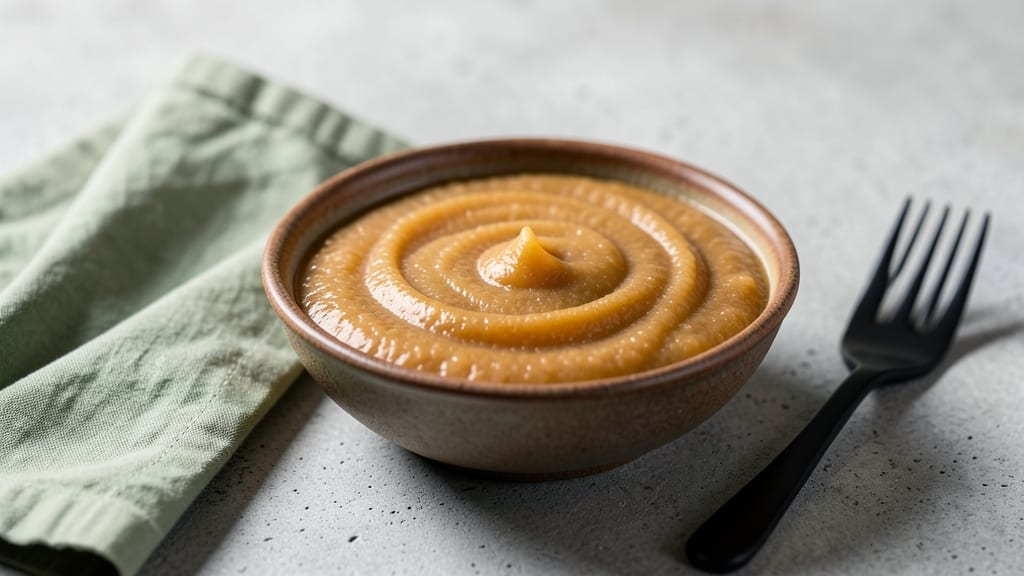
Making homemade applesauce from scratch transforms simple cooking apples into a velvety, lump-free puree that tastes worlds better than anything from a jar. The secret lies in proper peeling, simmering, and mashing techniques that eliminate grittiness while preserving natural sweetness.
I’ve perfected this method over years of testing—no more watery or grainy results that ruin the texture.
This recipe delivers perfectly smooth applesauce in just 30 minutes with minimal ingredients: cooking apples, water, a touch of sugar, and optional spices like cinnamon or nutmeg. The process is straightforward—peel, core, and simmer the apples until tender, then mash or blend until silky.
No special equipment is needed beyond a pot and a wooden spoon (or blender for extra smoothness).
What you’ll end up with is a rich, aromatic applesauce that’s ideal for pairing with roasted meats, baking into pies, or serving as a comforting side dish. The natural sweetness balances perfectly with warm spices, making it a versatile addition to any meal.
Whether you prefer it chunky or completely smooth, this method guarantees consistent, restaurant-quality results every time.
Use it as a topping for pancakes, mix it into oatmeal, or serve it warm with a sprinkle of cinnamon for a cozy dessert. The possibilities are endless—let’s get cooking!
Ingredients for cooking applesauce
Nine ingredients transform ordinary apples into velvety, restaurant-quality applesauce with perfect balance of sweetness and spice.
| Ingredient | Amount | Notes |
|---|---|---|
| Cooking Apples (e.g., Braeburn, Granny Smith) 🍎 | 2 lb | Organic preferred, firm and unblemished |
| Granulated White Sugar 🍚 | ¼ cup | Adjust to taste, high-quality preferred |
| Ground Cinnamon 🌿 | 1 tsp | Freshly ground for optimal aroma |
| Ground Nutmeg 🌿 | ¼ tsp | Freshly grated nutmeg preferred |
| Lemon Juice 🍋 | 1 tbsp | Freshly squeezed, prevents browning |
| Filtered Water 💧 | ½ cup | For even cooking, not tap water |
| Unsalted Butter 🧈 | 1 tbsp | Full-fat for richness, optional |
| Diamond Crystal Kosher Salt 🧂 | ¼ tsp | Adjusts sweetness balance |
| Vanilla Extract 🌸 | ½ tsp | Pure, high-quality vanilla |
The apples are the foundation—Braeburn or Granny Smith are ideal for their firm texture and balanced sweet-tart flavor. Organic apples from Whole Foods or local farmers' markets ensure superior quality without wax or pesticides. Avoid red delicious or gala varieties; they’re too soft and mealy. For best results, select apples with vibrant color and no bruising. If you can’t find cooking apples, Fuji or Honeycrisp work in a pinch, though texture may vary slightly. The lemon juice isn’t just for flavor—it prevents browning and enhances the natural sweetness as the apples cook.
No cinnamon? Cardamom or allspice at half the amount adds depth without overpowering. The sugar can be swapped for honey or maple syrup, but reduce by 10% to account for their natural moisture content. For extra richness, substitute the butter with coconut oil—it renders beautifully and adds a subtle tropical note. If you prefer chunkier applesauce, simply reduce the simmering time by 5-7 minutes. The vanilla extract is optional but recommended—pure Madagascar bourbon vanilla from Penzeys elevates the flavor profile significantly. For a dairy-free version, omit the butter entirely and increase the water by 2 tbsp.
Freshly made applesauce keeps in the refrigerator for up to 1 week in an airtight container, maintaining its vibrant color and texture. For longer storage, transfer to a sterile jar and freeze for up to 6 months. The sauce thickens upon reheating, so add a splash of water if it becomes too stiff. Portion into ice cube trays for single-serving applications like pancake toppings or yogurt mix-ins. The spices lose potency over time, so store the jar in a cool, dark place away from direct sunlight to preserve their aromatic qualities.
Why You'll Love This Recipe
- No Peel, No Stress: I swear by using Granny Smiths—they’re tart enough to skip the peeling. Just core, chop, and toss into the pot. That’s it. (Yes, even on a Tuesday night.)
- Spiced Magic: The cinnamon and nutmeg don’t just hint at warmth—they sing. A splash of lemon juice brightens it up, so it’s never cloying, just ridiculously good with every spoonful.
- Pantry Superhero: This recipe uses ingredients you already own. Sugar, spices, apples? Check, check, check. No fancy shopping trips—just pull what’s there and go.
- Leftovers That Save: Make a big batch, and you’ve got breakfast, snack, or dessert covered. Spread it on toast, stir it into oatmeal, or serve it chilled with vanilla ice cream. It’s my secret weapon for lazy mornings.
Step-by-step instructions for cooking applesauce
Transforming firm cooking apples into velvety, lump-free applesauce requires precision and patience.
Prepare and Peel the Apples
Begin by thoroughly washing the 2 lb cooking apples under cool running water to remove any dirt or wax. Using a sharp paring knife, peel the apples completely, working from the stem end toward the blossom end to avoid cutting into the fruit. The skin contains natural bitterness and tannins that can make the finished applesauce overly astringent.
Once peeled, cut each apple into quarters, then slice each quarter into ¼-inch thick half-moons. For even cooking and a smoother texture, I recommend passing the sliced apples through a food mill or using a potato ricer after cooking. This step eliminates any fibrous remnants that could create lumps in the final product.
Cook the Apples with Seasonings
In a large, heavy-bottomed saucepan, combine the sliced apples, 0.5 cup filtered water, 0.25 cup granulated white sugar, 1 tsp ground cinnamon, 0.25 tsp ground nutmeg, and 0.25 tsp diamond crystal kosher salt. Stir gently to ensure the spices and sugar are evenly distributed throughout the mixture. The sugar should dissolve completely during cooking, sweetening the apples without crystallizing.
Bring the mixture to a gentle boil over medium-high heat, then immediately reduce the heat to medium-low to maintain a simmer. Cover the pan with a tight-fitting lid and cook for 20-25 minutes, stirring occasionally. You'll know the apples are tender when they easily collapse under gentle pressure from a wooden spoon. If the mixture becomes too thick before the apples are fully cooked, add 1-2 tablespoons of filtered water to maintain the proper consistency.
Finish with Butter and Vanilla
Once the apples are tender, remove the pan from heat and stir in the 1 tbsp unsalted butter and 0.5 tsp vanilla extract. The butter adds richness and helps create a silky texture, while the vanilla enhances the warm spice notes. Let the mixture sit off the heat for 5 minutes to allow the flavors to meld together. This resting period also helps prevent the applesauce from breaking down further during the next step.
For a completely smooth texture, transfer the cooked apples to a food mill or potato ricer. Work in batches if necessary, pressing the mixture through to eliminate any remaining fibrous bits. If you prefer a slightly rustic texture, you can skip this step and simply mash the apples with a potato masher or wooden spoon, leaving behind a few small, soft pieces.
Adjust Consistency and Serve
Return the applesauce to the saucepan if you used a food mill or ricer, and stir in the 1 tbsp lemon juice. The acidity from the lemon juice brightens the flavors and helps balance the sweetness of the sugar. Taste the applesauce and adjust the sweetness by adding more granulated white sugar if needed, or the saltiness by adding a pinch more diamond crystal kosher salt. The goal is a harmonious blend of sweet, spiced, and slightly tangy flavors.
For a thicker applesauce, simmer the mixture uncovered for an additional 5-10 minutes to evaporate excess liquid. If you prefer it thinner, stir in 1-2 tablespoons of filtered water at a time until you reach your desired consistency. Transfer the applesauce to a clean jar or bowl and let it cool to room temperature before refrigerating. When stored properly, this applesauce will keep in the refrigerator for up to 1 week or can be frozen for up to 3 months.
Pro Tips For Making Cooking Applesauce
- PEEL AND CORE FIRST: I learned this the hard way—peeling and coring apples before cooking saves hours of scrubbing skins off later. Use a paring knife to slice off the peel in one strip, then a corer or melon baller for clean holes. Granny Smiths bruise easily, so handle them like eggs.
- SIMMER LOW AND LONG: Start with a boil to soften the apples fast, but drop to a gentle simmer once they break down—about 15-20 minutes total. Skipping this step turns your sauce into mush, and no one wants gluey applesauce. Stir occasionally to prevent sticking.
- SWEETEN SPARINGLY: Taste the cooked apples before adding sugar—you’ll likely need less than you think. Granny Smiths are tart enough; Braeburns might need a touch more. A splash of lemon juice (1-2 teaspoons) brightens the flavor without extra sweetness. Adjust in 1-teaspoon increments.
- STRAIN FOR SMOOTHNESS: If you want silky applesauce, strain it through a fine-mesh sieve after cooking. Press with a spoon to catch every last bit of pulp—yes, it’s tedious, but the result is restaurant-quality. For rustic texture, skip this and just mash; no judgment.
Wine and beer pairings for this dish
Warm Spiced Whites
A dry Riesling from Germany’s Mosel Valley is my go-to pairing with spiced applesauce. The wine’s crisp acidity and hints of honey and peach complement the cinnamon and vanilla notes beautifully.
Look for a 2022 Dr. Loosen Blue Slate—its mineral finish cuts through the richness while enhancing the applesauce’s natural sweetness. Serve slightly chilled (50-55°F) to highlight its refreshing contrast. 🍷
Apple-Inspired Reds
For a red wine option, try a Pinot Noir with subtle fruit-forward characteristics. A 2021 Domaine Serene Yamhill-Corvallis from Oregon offers red berry notes that harmonize with the applesauce’s warmth.
The wine’s silky tannins won’t overpower the dish, making it an elegant pairing for holiday meals or roasted pork. Decant for 30 minutes to soften its structure before serving. 🍇
Craft Beer Pairings
If wine isn’t your preference, a honey brown ale bridges the gap between applesauce and beer beautifully. New Belgium’s Fat Tire Amber Ale delivers malty sweetness and caramel undertones that mirror the applesauce’s spiced profile.
For a lighter option, try a Belgian-style witbier like Stella Artois Wit—its citrusy notes and effervescence cleanse the palate between bites. Serve the beer at 45°F to preserve its crispness. 🍺
Cider Synergy
Don’t overlook hard cider as a pairing—it’s essentially applesauce’s cousin! A dry, semi-sparkling cider like Woodchuck Hard Cider’s Dry Hop (from Vermont) balances the applesauce’s sweetness with its tart, hoppy finish.
For a non-alcoholic option, Martinelli’s Premium Dry Cider offers a similar crisp profile without the alcohol. Chill both to 40-45°F for optimal enjoyment. 🍏
Coffee or Tea Finish
For a non-alcoholic pairing, a spiced chai latte or Earl Grey tea enhances the applesauce’s cinnamon and nutmeg flavors. Brew a strong chai with black tea, cinnamon sticks, and cardamom, then top with steamed milk.
The warmth of the tea complements the applesauce’s cozy texture, making it a perfect dessert pairing. Serve both at 160-170°F for the ideal temperature contrast. ☕
Seasonal Adaptations
In winter, a mulled wine (like Sutter Home’s Mulled Wine Kit) adds depth to the pairing, while summer calls for a sparkling rosé like Whispering Angel to refresh the palate.
For a festive touch, garnish the wine or cider with a cinnamon stick or star anise—echoing the spices in the applesauce. Adjust sweetness levels based on the season: lean toward drier pairings in summer and richer options in winter. 🌟
Nutrition facts
Frequently asked questions
Can I use regular store-bought apples instead of cooking apples?
Store-bought apples like Gala or Fuji can work in a pinch, but they lack the firm texture and balanced sweetness of true cooking apples. For best results, stick with Braeburn or Granny Smith—their tartness holds up better during simmering and prevents a watery texture. If you must use store apples, reduce the sugar by 1-2 tablespoons since they’re often sweeter.
How do I fix applesauce that turned out too thick or too thin?
For thick applesauce, stir in 1-2 tablespoons of water at a time until smooth. For thin applesauce, simmer uncovered for 5-10 minutes to evaporate excess liquid. If it’s still too runny, mash in 1 tablespoon of cornstarch mixed with 1 tablespoon cold water and cook for 2 more minutes to thicken.
Can I make applesauce without a food mill or blender?
Skip the food mill and use a potato masher or fork to break down the apples after cooking. For extra smoothness, press the cooked apples through a fine-mesh sieve to strain out any remaining fibers. The texture will be slightly rustic but still delicious—just expect a few tiny soft pieces.
Why did my applesauce turn out grainy or lumpy?
Graininess usually happens when apples aren’t cooked long enough or if fibrous remnants remain. Always simmer until apples are completely tender (they should mash easily). For lump-free results, use a food mill or potato ricer after cooking. If you skipped this step, blend with a hand mixer or immersion blender until silky.
How can I use applesauce beyond serving it as a side dish?
Applesauce is incredibly versatile! Use it as a natural sweetener in baked goods (replace oil with equal parts applesauce in muffins), mix into oatmeal or yogurt for breakfast, or blend into smoothies for extra creaminess. It also makes a great topping for pancakes, waffles, or even grilled cheese sandwiches—just warm it slightly before serving.