
Breakfast & Brunch
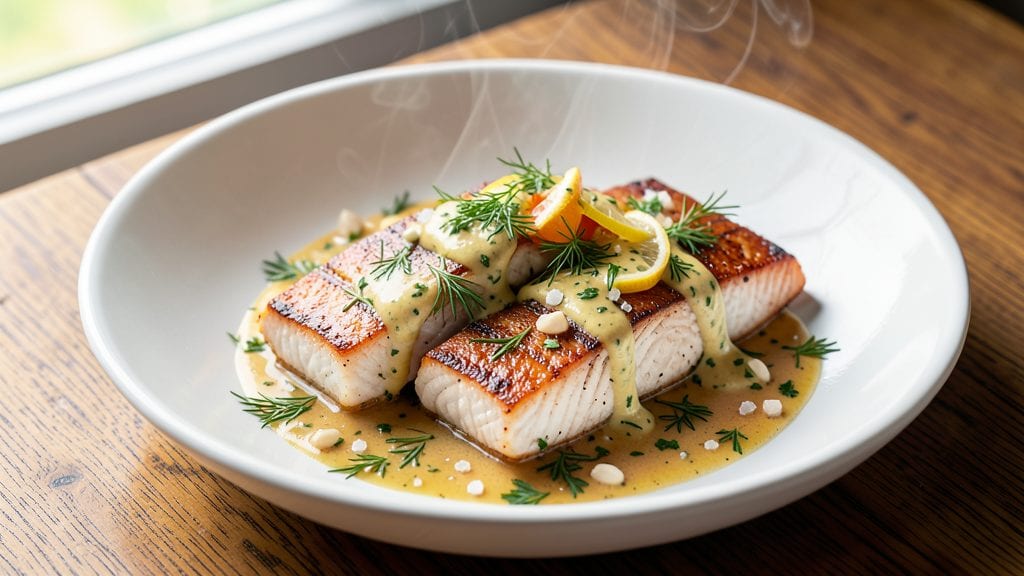
Cooking carp fillets with herbed butter crust transforms a simple fish into a restaurant-worthy dish that highlights its delicate, flaky texture. This recipe balances traditional techniques with modern flair, ensuring tender fillets with a crisp, aromatic crust that elevates any meal.
The process begins with proper preparation—scaling, cleaning, and marinating—to maximize flavor and safety, then moves to pan-searing for that perfect golden crust.
What sets this method apart is the herbed butter crust, which adds depth without overpowering the fish's natural sweetness. Using fresh herbs like dill, parsley, and thyme, along with a touch of garlic, creates a fragrant barrier that seals in moisture while delivering a burst of flavor in every bite.
The fillets stay tender and moist, thanks to a careful balance of heat and timing—critical for achieving that ideal texture.
This recipe works beautifully as a standalone dish or paired with classic sides like steamed vegetables, roasted potatoes, or a simple herb rice. The herbed butter crust also makes it versatile for brunch spreads, dinner parties, or even a special weeknight dinner.
Whether you're cooking for family or guests, the professional results will impress without requiring advanced skills.
Safety and preparation are key when working with carp, so we'll cover proper handling techniques to ensure a clean, delicious result every time. From scaling to plating, each step is designed to simplify the process while delivering exceptional flavor.
Let’s get started on creating a dish that’s both elegant and approachable.
Ingredients for cooking carp
Fresh carp fillets, herbed butter, and bright citrus create a restaurant-quality dish with minimal effort.
| Ingredient | Amount | Notes |
|---|---|---|
| Fresh Carp Fillets 🐟 | 4 whole | Skin-on, 6-8 oz each, fresh or thawed |
| Unsalted Butter 🧈 | ½ cup | Cold, cut into 8 pieces |
| Fresh Dill 🌿 | ¼ cup | Chopped, stems removed |
| Fresh Parsley 🌿 | ¼ cup | Chopped, flat-leaf preferred |
| Fresh Thyme Leaves 🌿 | 1 tbsp | Finely chopped, stems removed |
| Garlic Cloves 🧄 | 3 cloves | Minced, fresh preferred |
| Lemon Zest 🍋 | 1 tbsp | From 1 large lemon |
| Extra-Virgin Olive Oil 🫒 | 2 tbsp | For searing fillets |
| Kosher Salt 🧂 | 1 ½ tsp | For seasoning fish |
| Ground Black Pepper 🌶️ | ½ tsp | Freshly ground preferred |
| All-Purpose Flour 🌾 | 2 tbsp | For dredging fillets |
| Lemon Juice 🍋 | 1 tbsp | Freshly squeezed |
| Fresh Lemon Slices 🍋 | 4 slices | For garnish and serving |
For carp fillets, freshness is non-negotiable—look for fillets with vibrant pink flesh and minimal milky residue (a sign of freshness). If using frozen, thaw in the fridge overnight, wrapped in paper towels. Local fish markets or specialty seafood counters often carry carp, but if unavailable, substitute with walleye or trout fillets for similar texture. The herbed butter crust requires cold butter—cut it into pieces so it melts gradually, creating that perfect golden crust. For herbs, fresh is best, but if only dried are available, use one-third the amount of dried dill and parsley combined.
No fresh dill? Substitute with 1 tbsp dried dill, but reduce thyme to 0.5 tbsp to balance flavors. Short on parsley? Cilantro works in a pinch, though it has a distinct taste. For the lemon zest, organic lemons yield the brightest flavor—avoid conventional lemons if possible. The olive oil should be lightly fruity, not bitter. If your carp fillets are particularly delicate, dredge lightly in flour—just enough to create a light coating, not a thick crust. The lemon juice at the end adds brightness, but if you prefer a milder flavor, reduce it to 0.5 tbsp.
Herbed butter crust keeps best when made fresh, but you can prep it up to 24 hours ahead—store in the fridge, covered. Carp fillets should be cooked immediately after patting dry; never leave them uncovered for more than 15 minutes. If prepping ahead, scale and clean fillets, then store wrapped in damp paper towels in the fridge for up to 12 hours. The finished dish reheats poorly, so plan to serve immediately. Garnish with lemon slices just before serving to maintain their freshness.
Why You'll Love This Recipe
- One-Pan Magic: I swear by this—just butter, herbs, and heat. No chopping, no fussing, no extra pans. The fillets cook right alongside the fresh dill and thyme leaves, releasing that bright, herbal aroma that fills my whole kitchen.
- Butter-Basted Bliss: That moment when the butter melts into the carp? Pure satisfaction. The fillets stay juicy while the edges get this golden, crispy finish—like a hug from the stove. Honestly, the parsley and thyme turn it from good to "I’ll make this again tomorrow."
- Weeknight or Dinner Party: Between us, this works for both. Toss it together for a quick family meal or dress it up with crusty bread and a glass of white wine for guests. The herbs make it feel special without requiring a three-course effort.
- Budget-Friendly Luxury: Fresh carp is often cheaper than salmon or trout, but it tastes like a splurge. A single fillet feeds two, and leftovers reheat beautifully—just warm them gently with a pat of butter. My wallet and my taste buds win every time.
Step-by-step instructions for pan-seared carp fillets with herbed butter crust
This method delivers perfectly crisp fillets with a fragrant herbed butter crust every time.
Prepare the Herbed Butter and Season the Fillets
In a small bowl, combine the 0.5 cup unsalted butter with the 0.25 cup fresh dill, 0.25 cup fresh parsley, 1 tablespoon fresh thyme leaves, 3 cloves garlic cloves, 1 tablespoon lemon zest, 1.5 teaspoons kosher salt, and 0.5 teaspoon ground black pepper. Using a fork, mash everything together until fully incorporated and the mixture is smooth. This herbed butter will create the signature crust.
Pat the 4 whole fresh carp fillets dry with paper towels—this step is critical for achieving crispy skin. Season both sides generously with additional kosher salt and ground black pepper. Let the fillets sit at room temperature for 15 minutes while you prepare the rest of the ingredients. Room temperature fillets cook more evenly and develop better crusts.
Dredge and Sear the Fillets
Place the 2 tablespoons all-purpose flour on a shallow plate. Lightly dredge each fillet in the flour, pressing gently to adhere. Shake off any excess flour—this ensures a thin, crisp crust rather than a thick coating. Set the dredged fillets aside on a wire rack.
Heat 2 tablespoons extra-virgin olive oil in a large skillet over medium-high heat until shimmering. Add the fillets skin-side down and cook undisturbed for 3-4 minutes until the skin turns golden brown and crispy. I press down gently on the fillets during the first minute to prevent curling. Flip carefully and cook the other side for another 2-3 minutes until the flesh is opaque and flakes easily with a fork.
Finish with Herbed Butter and Lemon
Remove the fillets from the skillet and place them on a serving platter. Reduce the heat to medium-low and add the herbed butter mixture to the skillet. Let it melt and bubble for 1-2 minutes, scraping up any browned bits from the bottom of the pan. Pour this fragrant butter evenly over the fillets, allowing it to soak into the fish.
Drizzle each fillet with 1 tablespoon lemon juice and garnish with 1 slice fresh lemon slices. The acidity brightens the flavors and cuts through the richness of the butter. Serve immediately while the crust is still crisp and the fish is warm, accompanied by steamed vegetables or a simple salad.
Rest and Serve for Optimal Texture
Let the fillets rest for 2-3 minutes before serving. This brief rest allows the juices to redistribute, ensuring each bite is moist and flavorful. If you're serving with a sauce, use this time to warm it gently—never boil sauces, as this can cause them to separate.
Slice each fillet diagonally into 4 equal portions and arrange on plates with the lemon slices. The crispy skin should contrast beautifully with the tender, herbed butter-infused flesh. The lemon slices not only add visual appeal but also enhance the dish's freshness with every bite.
Pro Tips For Making Cooking Carp
- Pat Dry First: Carp fillets hold moisture like a sponge—skip this, and your butter won’t stick. Grab paper towels and press firmly for 30 seconds. I learned this the hard way when my first batch turned into a sad, greasy mess instead of golden perfection.
- Low and Slow Butter: Unsalted butter burns faster than you think. Melt it over medium-low heat, then add the fillets—just enough to coat the pan. If you’re impatient, the butter will smoke before the fish cooks through. Trust me, slow wins here.
- Skip the Overcrowding: Piling carp fillets too close? They’ll steam instead of sear. Work in batches—two fillets max per pan. I once tried to rush it and ended up with mushy fish. Your pan’s width is your friend.
- Herb Timing Matters: Toss fresh dill, parsley, and thyme after the fish is nearly done—just 30 seconds before serving. If you add them early, they’ll wilt into oblivion. Sprinkle them on top like confetti, then cover for that last burst of flavor.
Common mistakes when making this recipe
Overcooking the Fillets
Carp fillets cook quickly—overcooking turns them rubbery and dry. I’ve ruined many batches by keeping them in the pan too long after the skin crisps. Aim for 3-4 minutes per side max on medium-high heat.
The flesh should flake easily with a fork when done. Use a meat thermometer for precision—carp is done at 145°F internal temperature. 🌡️
Skipping the Dry Step
Wet fillets won’t develop crispy skin, no matter how much flour you use. I learned this the hard way—always pat carp fillets thoroughly with paper towels before seasoning.
Focus on the skin side, as moisture trapped there prevents browning. For extra insurance, let them air-dry on a wire rack for 5-10 minutes before cooking. 💧
Using Warm Butter
The herbed butter must be cold when applied to create that perfect crust. Warm butter melts too quickly, resulting in a greasy film instead of a crispy layer. Cut the butter into small cubes and chill for 10 minutes before mixing with herbs.
I keep mine in the freezer for 5 minutes right before using to ensure it stays firm. ❄️
Flipping Too Early
Pressing down on the fillets during the first 1-2 minutes of cooking prevents curling, but flipping too soon ruins the crust. Wait until the skin is deep golden brown (not just light tan) before carefully flipping.
I use tongs to grip the edge of the fillet—never the skin itself—to avoid tearing. A fish spatula with a thin, flexible blade works best for delicate fillets. 🍳
Ignoring the Rest Time
Skipping the 2-3 minute rest after cooking causes juices to spill out when you slice, leaving dry fish. I’ve seen this mistake turn a perfect sear into a soggy mess.
Resting lets the fillets set, keeping them moist. Place them on a warm plate (not hot) to maintain temperature while they rest. 🕒
Overcrowding the Pan
Cooking multiple fillets at once lowers the pan’s temperature, leading to steamed (not seared) fish. I’ve had to restart entire batches because I was impatient. Use a 12-inch skillet for 4 fillets max—leave space between them for even browning.
If needed, cook in batches with 1 minute of rest between rounds to maintain pan heat. 🔥
Nutrition facts
Frequently asked questions
Can I substitute another type of fish for carp?
If carp isn't available, try walleye, trout, or sea bass—they have similar delicate textures. For best results, choose fillets with a similar thickness (about 1/2-inch) and adjust cooking time by 30 seconds per side if needed. The herbed butter crust works beautifully on any mild white fish.
How do I know when carp fillets are fully cooked?
Carp is done when the flesh flakes easily with a fork and reaches an internal temperature of 145°F. For skin-on fillets, the skin should be golden brown and crispy. Cooking for 3-4 minutes per side on medium-high heat usually achieves this. A meat thermometer is your best friend for precision!
Can I make the herbed butter ahead of time?
Yes! Prepare the herbed butter up to 24 hours ahead and store it in an airtight container in the fridge. Let it soften slightly at room temperature for 10 minutes before using to ensure it melts properly during cooking. The flavors actually deepen overnight, making it even more aromatic.
What are the best sides for this dish?
This recipe pairs perfectly with light, fresh sides like steamed asparagus, lemon-herb rice, or a simple mixed greens salad with a citrus vinaigrette. For a heartier meal, roasted potatoes or sautéed green beans complement the herbed butter flavors beautifully. The acidity in the lemon also cuts through richer sides like mashed potatoes.
Why does my carp skin keep curling during cooking?
Curling happens when the fillets aren't properly secured or the heat isn't even. Press down gently on the fillets with a spatula during the first 1-2 minutes of cooking to flatten them. Use a fish spatula or wide spatula to avoid tearing. Also, ensure your pan isn't overcrowded—leave space between fillets for even heat distribution.