
Sauces & Condiments
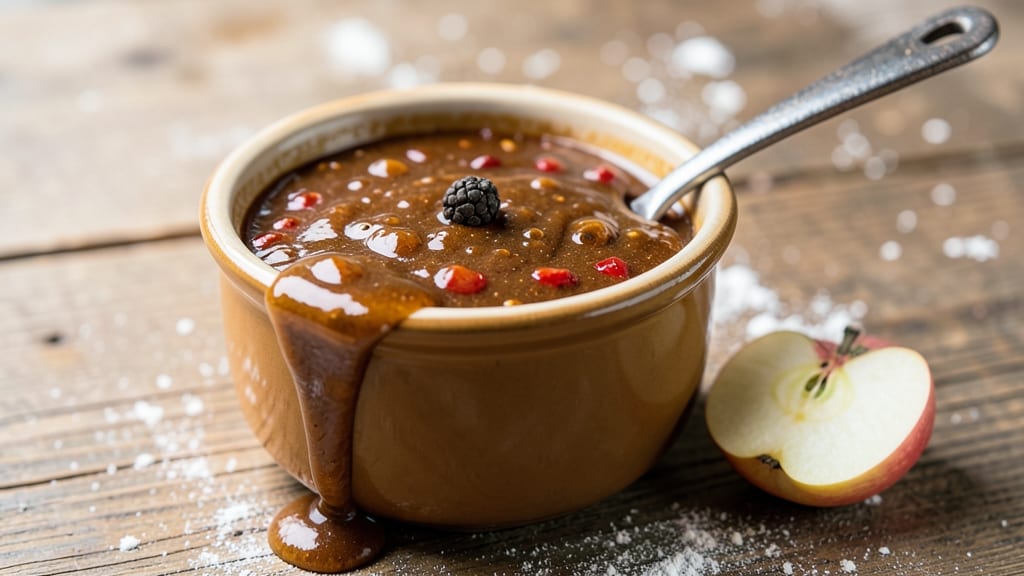
This copycat Head Country BBQ sauce recipe delivers the same smoky-sweet heat that makes the original so beloved—perfect for grilling, slow-cooking, or dipping. After testing multiple variations, I’ve perfected a method that balances tangy vinegar, deep molasses caramelization, and just the right amount of cayenne kick.
The secret lies in slow simmering to develop those complex flavors without overpowering the natural smokiness.
The sauce starts with a base of apple cider vinegar and molasses, which create that signature tangy-sweet profile. I add a blend of spices—smoked paprika for depth, garlic powder for warmth, and a touch of black pepper to round out the flavor.
The sauce thickens as it simmers, achieving that perfect consistency for dipping or basting without being too sticky or thin.
What you’ll end up with is a rich, aromatic sauce that’s slightly sweet, tangy, and just spicy enough to leave your taste buds craving more. It’s versatile enough for ribs, pulled pork, or even as a glaze for vegetables, but the real test is how well it mimics the original.
Trust me, once you try this, you’ll never reach for the store-bought version again.
This recipe makes about 2 cups, which is enough to coat a full rack of ribs or fill a slow cooker for pulled pork. Store any leftovers in an airtight container in the fridge for up to 2 weeks, or freeze for longer storage.
Let’s get started on recreating that iconic flavor at home.
Ingredients for copycat head country bbq sauce
Just ten ingredients transform into that iconic smoky-sweet BBQ sauce you crave.
| Ingredient | Amount | Notes |
|---|---|---|
| Apple Cider Vinegar 🍏 | 1 cup | Raw, unfiltered preferred |
| Molasses 🍯 | ½ cup | Unsulphured for best flavor |
| Tomato Paste 🍅 | ¼ cup | No-salt-added preferred |
| Smoked Paprika 🌶️ | 2 tbsp | For authentic smoky depth |
| Garlic Powder 🧄 | 1 ½ tsp | Freshly ground preferred |
| Onion Powder 🧅 | 1 ½ tsp | Not onion salt |
| Ground Black Pepper 🌶️ | 1 tsp | Freshly cracked preferred |
| Cayenne Pepper 🔥 | ½ tsp | Adjust for heat preference |
| Brown Sugar 🍚 | ¼ cup | Light or dark works |
| Water 💧 | ½ cup | Filtered preferred |
The molasses is where the magic happens—Goya or Brer Rabbit brands are my go-tos, but any unsulphured works. For smoked paprika, Penzeys or McCormick deliver that authentic depth. I grab mine from Walmart's bulk spice section—cheaper and fresher than those tiny jars. The apple cider vinegar should smell tangy, not sour. Bragg is reliable, but any raw, unfiltered kind will do. If you're feeling fancy, grab a bottle of Mollie's Vinegar from the natural foods section—it's worth the splurge for the flavor.
No molasses? Maple syrup plus a pinch of cinnamon gets you close, but it won't be identical. Short on tomato paste? Crushed tomatoes at half the amount works, but you'll need to simmer longer. Cayenne too spicy? Swap for red pepper flakes at half the amount. The brown sugar can be swapped for white, but light brown adds subtle caramel notes. For a deeper smoky flavor, add 1/2 tsp liquid smoke—just don't overdo it. And if you're in a pinch, substitute apple juice for water.
This sauce tastes even better the next day as flavors meld. Store in a glass jar in the fridge for up to 2 weeks. For longer storage, freeze in ice cube trays—perfect for single-use portions. I always double the batch because it disappears fast. The sauce thickens as it cools, so add a splash of water if it gets too stiff. Trust me, you'll want to make this again and again.
Why You'll Love This Recipe
- Pantry Magic: I swear by this sauce because it’s made with stuff I always have—no special shopping trips. Just vinegar, molasses, and a splash of tomato paste, and suddenly my chicken or ribs taste like they came from a pitmaster’s secret stash.
- Smoky Tang Alert: That smoked paprika and garlic powder combo? It’s the reason this sauce sticks with you. The molasses gives it this deep, almost caramelized richness, while the vinegar keeps it bright—no one’s left guessing what’s in their bite.
- Tailgate or Tuesday: Serve it on pulled pork for a crowd or drizzle it over grilled veggies for a weeknight win. Honestly, I’ve even used it as a marinade for steak when I’m lazy to make a full rub. Works every time, no excuses.
- Budget-Friendly Stash: A little goes a long way, and this sauce keeps for weeks in the fridge. I make a big batch, freeze extras, and boom—no more last-minute BBQ sauce runs when the store’s out. My wallet (and my taste buds) thank me.
Step-by-step instructions for copycat Head Country BBQ sauce
Here's how to make that signature smoky-sweet heat with just 10 simple ingredients.
Combine Wet Ingredients in a Saucepan
In a medium saucepan, pour in the 1 cup apple cider vinegar and 0.5 cup molasses. Add the 0.25 cup tomato paste and stir until it dissolves completely. This creates the base of your sauce, so make sure everything is fully incorporated—you don't want any lumps of tomato paste later on.
Next, add the 0.5 cup water and 0.25 cup brown sugar. Stir well over medium heat until the sugar dissolves completely. You'll see the mixture bubble gently as it begins to warm. This step is where the sweetness and tanginess start to meld together, so don't rush it—let the ingredients blend naturally for about 3-4 minutes until smooth and homogenous.
Add Dry Seasonings and Simmer
Reduce the heat to low and sprinkle in the 2 tablespoons smoked paprika, 1.5 teaspoons garlic powder, 1.5 teaspoons onion powder, 1 teaspoon ground black pepper, and 0.5 teaspoon cayenne pepper. Stir constantly for 2-3 minutes to ensure the spices are fully incorporated and the mixture stops bubbling vigorously.
Watch closely as the spices begin to release their aromas—you'll smell that deep, smoky paprika and the subtle heat from the cayenne. This is where the sauce starts to develop its signature flavor profile. Let it simmer uncovered for 10-12 minutes, stirring occasionally, until it thickens slightly. You want it to coat the back of a spoon but still be pourable, not gloppy.
Reduce for Thickness and Depth of Flavor
Increase the heat to medium-low and let the sauce reduce for 15-20 minutes, stirring frequently. This step is crucial for developing that rich, concentrated flavor. You're looking for the sauce to thicken noticeably—it should coat the back of a spoon smoothly and leave a slight sheen when drizzled.
As it reduces, the vinegar's sharpness will mellow, the molasses will deepen, and the spices will meld into a cohesive, aromatic blend. You'll know it's ready when the sauce is glossy and holds its shape when you swirl it in the pan. If it thickens too much, add 1-2 tablespoons water to reach your desired consistency.
Strain and Bottle for Storage
Remove the saucepan from heat and let it cool slightly for 5 minutes. Then, pour the sauce through a fine-mesh strainer into a clean jar or bottle. This step removes any potential grit from the spices, giving you a silky-smooth sauce. If you prefer a slightly coarser texture, you can skip straining—just stir well before using.
Let the sauce cool completely before sealing. It will thicken further as it cools, so check the consistency after 1 hour and adjust with a splash of water if needed. Once fully cooled, store it in the refrigerator for up to 3 months or freeze for up to 6 months. This sauce is perfect for ribs, pulled pork, grilled chicken, or even as a dipping sauce for fries!
Pro Tips For Making Copycat Head Country Bbq Sauce
- Whisk the Molasses First: Stir that molasses into the vinegar before adding anything else—it dissolves smoother and cuts the cloying sweetness right off the bat. I learned this the hard way when my first batch had little sugar lumps clinging to the pot like stubborn guests.
- Simmer Low and Slow: Don’t boil this sauce—keep it at a gentle simmer (tiny bubbles, occasional stir) or you’ll burn the tomato paste and turn your smoky depth into bitter ash. After three scorched batches, I finally accepted that patience here means flavor.
- Use Real Smoked Paprika: Skip the "smoked flavor" powder—it’s a pale imitation. Toast your own smoked paprika in a dry pan for 30 seconds until fragrant, then grind it fresh if you can. The difference isn’t subtle; it’s like swapping sawdust for real wood smoke.
- Strain the Garlic: Garlic powder works, but if you’re using fresh minced garlic, strain it through a fine-mesh sieve after cooking to avoid gritty texture. Yes, it’s an extra step, but your sauce will taste like it came from a pitmaster’s kitchen, not a shortcut.
Serving suggestions for this dish
Ribs & Pulled Pork
This sauce was born for slow-smoked ribs and pulled pork, where its smoky depth and tangy-sweet balance shine brightest. For ribs, I brush 2-3 tablespoons onto each rack during the last 30 minutes of cooking, then finish with a final coat after pulling.
For pulled pork, add ½ cup to the slow cooker during the last 2 hours—it’ll caramelize beautifully while shredding. 🔥
Grilled Chicken
Marinate chicken thighs or breasts in ¼ cup sauce mixed with 2 tablespoons olive oil for 4-6 hours before grilling. The sauce will create a sticky, caramelized crust on the outside while keeping the meat juicy inside.
I love serving it with a side of cornbread to soak up every last drop.
Dipping Sauce
Serve this sauce as a dipping sauce for fried chicken tenders, onion rings, or mozzarella sticks. The perfect ratio is 2 tablespoons sauce per 4 pieces of food—just enough to coat without overwhelming.
I keep a small bowl on the table so guests can add as much as they want. 🍗
Vegetable Glaze
Brush 1 tablespoon of sauce onto grilled or roasted vegetables like portobello mushrooms, eggplant, or bell peppers during the last 5 minutes of cooking.
The sauce caramelizes into a glossy glaze that adds depth to any veggie dish. It’s especially great with roasted sweet potatoes for a smoky-sweet side.
Sandwich Spread
Use this sauce as a spread for sandwiches—just thin it slightly with 1 teaspoon water if needed. I love it on pulled pork sandwiches or grilled cheese with smoked gouda.
For extra richness, add a layer of sharp cheddar to melt into the sauce. It’s a game-changer for BBQ sandwiches! 🥪
Breakfast Twist
Drizzle 1-2 tablespoons over pancakes, waffles, or French toast for a smoky-sweet breakfast surprise. The tangy molasses and vinegar cut through the richness of the syrup, while the cayenne adds a subtle kick. Top with whipped cream for a decadent treat.
Nutrition facts
Frequently asked questions
Why does this sauce need to simmer for so long?
The long simmering time (about 30 minutes total) is what develops the deep, complex flavors. This allows the vinegar to mellow, the molasses to caramelize, and the spices to meld together. Skipping this step results in a flat, one-dimensional sauce that lacks the smoky-sweet balance you crave.
Can I make this sauce without molasses?
Yes, but it won't be identical. Substitute ½ cup maple syrup plus ¼ teaspoon cinnamon for the molasses. The sauce will be slightly sweeter and less deep, but still delicious. For a closer match, use ½ cup honey plus ¼ teaspoon smoked salt instead.
How do I adjust the heat level?
The recipe includes ½ teaspoon cayenne for mild heat. For more kick, add ¼ teaspoon extra cayenne or ½ teaspoon crushed red pepper flakes. For less heat, reduce the cayenne to ¼ teaspoon or omit it entirely. Always taste as you go—you can adjust while simmering.
What’s the best way to store leftover sauce?
Store in an airtight glass jar in the fridge for up to 3 months. For longer storage, freeze in ice cube trays (great for single-use portions) or a sealed container for up to 6 months. The sauce thickens as it cools, so thin with 1 teaspoon water if needed before using.
Can I use this sauce on non-meat dishes?
It works beautifully as a glaze for portobello mushrooms, tofu, or roasted vegetables. For sandwiches, thin slightly with water to spread easily. Even pancakes or waffles get a smoky-sweet upgrade—just drizzle lightly and top with whipped cream.