Soups & Stews
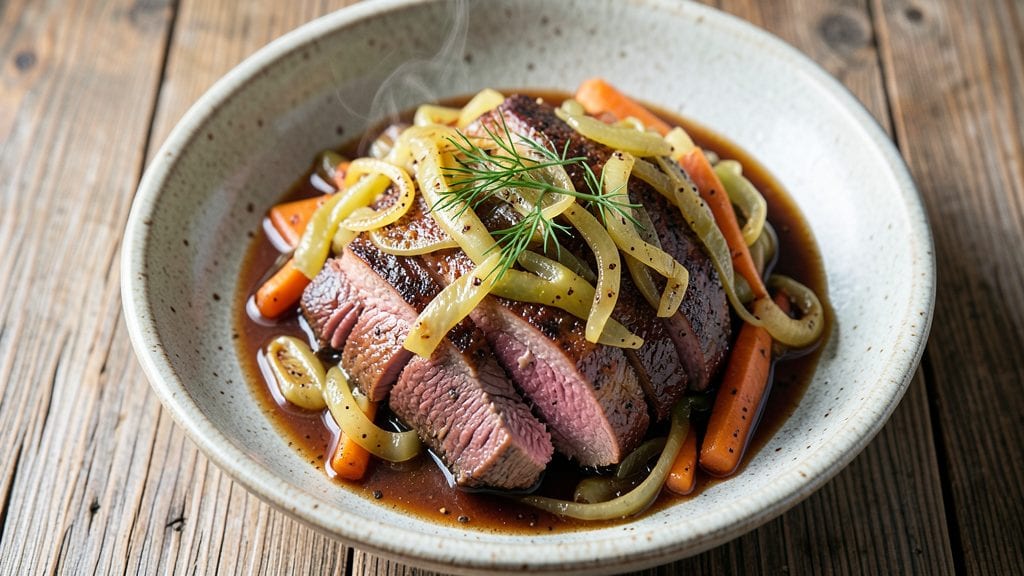
This corned beef brisket and sauerkraut recipe slow-braises rich meat into tender slices, where every bite is elevated by the sharp, crunchy kick of fermented cabbage. This recipe delivers restaurant-quality results with a method that's both traditional and foolproof—just follow the slow-cooking technique I've perfected over years of testing.
The key lies in balancing the brisket's rich, savory depth with the sauerkraut's sharp acidity, creating a harmony that's impossible to resist.
What sets this dish apart is the combination of time-tested techniques and simple ingredients that work together seamlessly. You'll start with a brisket that becomes fork-tender after hours of simmering, while the sauerkraut gets caramelized just enough to mellow its sharpness without losing its signature crunch.
The process requires patience—about 3 hours of active cooking time—but the result is a meal that feels like a hug on a cold day, with flavors that develop and deepen as they simmer.
The final dish delivers layers of flavor you won't find in store-bought versions: the brisket falls apart at the touch of a fork, infused with the spices from its corned beef cure, while the sauerkraut adds a satisfying tang that cuts through the richness.
Serve it with crusty rye bread to soak up every last bit of juices, and you'll have a complete meal that's hearty enough for Sunday dinner but simple enough for a weeknight. This is comfort food at its finest—rich, satisfying, and full of character.
Whether you're preparing for a family gathering or treating yourself to a special meal, this recipe scales beautifully and keeps well for leftovers.
The slow-cooked brisket reheats perfectly, making it ideal for meal prep, while the sauerkraut can be adjusted to suit your taste—add a pinch of caraway seeds for extra depth or a drizzle of mustard for brightness. Here's how to bring this classic dish to life in your own kitchen.
Ingredients for corned beef brisket and sauerkraut
Six simple ingredients transform into a brisket so tender it melts, paired with sauerkraut that balances sharp and sweet.
| Ingredient | Amount | Notes |
|---|---|---|
| Beef Brisket 🥩 | 3 lb | Whole packer cut, at least 1-inch thick |
| Corned Beef Spice Mix 🌶️ | ½ cup | Homemade or store-bought blend |
| Bay Leaves 🍃 | 4 whole | Fresh for best flavor |
| Sauerkraut 🥬 | 2 cups | Unopened jar, drained |
| Yellow Onion 🧅 | 1 whole | Quartered, skin on |
| Carrots 🥕 | 3 whole | Whole, peeled, cut into chunks |
| Garlic Cloves 🧄 | 6 cloves | Smashed, skin on |
| Beef Broth 💧 | 2 cups | Low-sodium preferred |
| Apple Cider Vinegar 🍎 | ¼ cup | For tangy depth |
| Black Peppercorns 🌶️ | 1 tbsp | Crushed, not ground |
| Mustard Seeds 🌽 | 1 tsp | Whole, for subtle bite |
| Caraway Seeds 🌿 | 1 tsp | Toasted, optional but recommended |
| Salt 🧂 | 2 tbsp | Diamond Crystal kosher salt |
| Dark Brown Sugar 🍚 | 2 tbsp | Packed, for caramelized depth |
| Fresh Thyme Sprigs 🌿 | 2 whole | Stems intact for easy removal |
The brisket is non-negotiable—look for a whole packer cut with good marbling at Costco or your butcher shop. If buying pre-corned, skip the spice mix and check for no added MSG. Sauerkraut? Reinhart or Bubbapalooza brands are my go-to—they've got that perfect tang without being too vinegary. The onions and carrots don't need peeling, just scrubbed, since their skins add color and texture to the braise. And those caraway seeds? Toast them in a dry pan for 30 seconds first—it brings out their nutty aroma.
No corned beef spice mix? DIY it with 2 tbsp mustard powder, 1 tbsp paprika, 1 tbsp black pepper, 1 tbsp salt, and 1 tsp allspice. Sauerkraut too sour? Rinse it briefly under cold water to mellow the acidity. Short on time? Use a pressure cooker—cut cooking time by half. The apple cider vinegar is key here; if you've got white vinegar, use half the amount. And that brown sugar? Don't skip it—it caramelizes beautifully during the slow cook, adding depth to the sauce.
This reheats like a dream—just warm in a pot with a splash of broth or water. Keeps for 4-5 days in the fridge, but honestly, it's even better the next day as flavors meld. For leftovers, wrap tightly in foil and freeze for up to 3 months. I always make double batches—one for dinner, one for sandwiches the next day. The brisket gets more flavorful with time, so don't rush it. And if you've got rye bread? Toast it and serve on the side—it's the perfect vessel for those rich juices.
Why You'll Love This Recipe
- One-Pot Magic: I swear by this—just toss the brisket, spices, and onion in a pot, cover it with water, and let it simmer. No chopping, no fuss, and honestly? The brisket falls apart so easily, you’ll wonder why you ever braised it any other way.
- Tangy-Savory Balance: That sauerkraut isn’t just an afterthought—it’s the star. The sharp tang cuts through the rich, peppery brisket, while the bay leaves and corned beef mix add this deep, smoky warmth. It’s the kind of flavor combo that makes you reach for seconds without even thinking.
- Weeknight to Holiday: Between us, this is my go-to for lazy Sundays and St. Patrick’s Day dinners. Serve it with crusty bread for a quick weeknight meal, or pile it high on a platter with mustard and pickles for a festive spread. Same recipe, zero guilt.
- Leftovers That Don’t Suck: Here’s what sold me—this stuff tastes better the next day. Slice up the brisket for sandwiches, mix it into hash, or just reheat it straight from the pot. And because brisket stretches so far, you’ll feed the whole family without breaking the bank. (Yes, even on a Tuesday night.)
Step-by-step instructions for corned beef brisket and sauerkraut
Here's how to transform a tough brisket into melt-in-your-mouth perfection with a tangy, crunchy finish.
Prepare and Season the Brisket
Start by trimming any excess fat from the 3 lb beef brisket, leaving about ¼ inch to protect the meat during cooking. Pat the surface completely dry with paper towels—this ensures a better crust later. In a small bowl, mix together the 0.5 cup corned beef spice mix, 2 tbsp salt, 2 tbsp dark brown sugar, 1 tbsp crushed black peppercorns, 1 tsp mustard seeds, and 1 tsp caraway seeds. Rub this mixture generously all over the brisket, pressing it into the meat so it adheres well.
Place the seasoned brisket in a large roasting pan, fat-side up. Add the 4 whole bay leaves and 2 whole fresh thyme sprigs around it. Let it sit at room temperature for 30 minutes before cooking—this helps the seasoning penetrate more deeply and ensures even cooking. Here's the thing—don't skip this resting step. Cold meat can lead to uneven cooking and a tough final texture.
Sear and Braise the Brisket
Preheat your oven to 325°F. Heat a large Dutch oven over medium-high heat and add the quartered yellow onion, 3 whole carrots cut into chunks, and 6 smashed garlic cloves. Sear for 5 minutes until the vegetables begin to soften and develop color. Remove them with a slotted spoon and set aside temporarily.
Place the brisket in the Dutch oven, fat-side down, and sear for 8-10 minutes until a deep golden-brown crust forms. Flip the brisket and sear the other side for another 5-7 minutes. The key here is patience—don't rush the searing or you'll end up with a pale, bland crust. Once both sides are well-browned, remove the brisket and set it aside on a plate.
Build the Braising Liquid
In the same Dutch oven, pour in the 0.25 cup apple cider vinegar and scrape up any browned bits from the bottom with a wooden spoon. This deglazing step captures all that meaty flavor that would otherwise be lost. Add the 2 cups beef broth and bring the mixture to a gentle simmer over medium heat. Return the seared vegetables to the pot and let everything simmer for 5 minutes to infuse the flavors.
Here's where it gets good—place the brisket back into the Dutch oven, fat-side up, so it's partially submerged in the liquid. Cover the pot tightly with a lid and transfer it to the preheated 325°F oven. Braise for 3 hours, or until the brisket is fork-tender and the internal temperature reaches 200°F. The reason for the low and slow approach is simple: it breaks down the tough connective tissue in the brisket, transforming it into something silky and rich.
Finish with Sauerkraut and Rest
After 3 hours, remove the brisket from the oven and let it rest on a cutting board for 15 minutes. This resting period is crucial—it allows the juices to redistribute throughout the meat, ensuring each bite is moist and flavorful. While the brisket rests, return the braising liquid to a simmer over medium heat. Stir in the 2 cups sauerkraut and cook for an additional 10 minutes, until the sauerkraut is heated through and slightly softened.
Slice the brisket against the grain into ½-inch thick slices and arrange it on a platter. Spoon the sauerkraut and braising liquid over the top, making sure each slice gets a generous coating of that tangy, slightly sweet sauce. The contrast of the tender brisket with the crisp, tangy sauerkraut is what makes this dish truly special. Serve immediately while the brisket is still warm and the flavors are at their peak.
Pro Tips For Making Corned Beef Brisket And Sauerkraut
- Trim the Fat First: Cut the thick layer of fat off the brisket before cooking—it’s the only way to avoid a greasy, soggy mess in your pot. I learned this the hard way after serving a brisket so greasy it slid right off the plate.
- Sear On High Heat: Get that brisket screaming hot in a dry pan for 3-4 minutes per side before adding liquid—this locks in flavor and builds a crust that won’t dissolve in the sauce. (Yes, even if you’re impatient like me, resist the urge to rush this.)
- Drain and Rinse Kraut: Dump the sauerkraut into a colander and give it a good rinse under cold water before adding it to the pot—this cuts the harsh vinegar bite and keeps the dish from tasting like a pickle jar exploded.
- Low and Slow Wins: Once the brisket is submerged, drop the heat to a bare simmer (180-190°F) and let it cook for 3-4 hours—any faster, and you’ll end up with tough, chewy meat instead of fork-tender slices. (Your future self will thank you.)
Serving suggestions for leftovers
Crusty Rye Bread
Nothing complements this dish better than a slice of crusty rye bread—its dense texture soaks up the rich brisket juices while the slight bitterness balances the meal's sweetness. I recommend using dark rye like Pumpernickel or a seeded rye for extra depth.
Toast it lightly before serving to enhance its nutty flavor and create a perfect vessel for the sauerkraut's tangy crunch. 🥖
Mustard and Horseradish
Add a tangy kick with a side of Dijon mustard or whole-grain mustard—about 2 tbsp per serving—mixed with a pinch of freshly grated horseradish for heat. This classic pairing cuts through the brisket's richness while complementing the sauerkraut's acidity.
For a smoother texture, blend the mustard with 1 tbsp apple cider vinegar and a drizzle of honey to balance the sharpness. 🌶️
Roasted Potatoes
Creamy roasted baby potatoes add a hearty element to the meal. Toss 1 lb baby potatoes with 2 tbsp olive oil, 1 tsp smoked paprika, and ½ tsp garlic powder, then roast at 400°F for 35-40 minutes until golden and crispy.
Their earthy flavor and buttery texture make them a perfect foil to the brisket's depth. 🥔
Fresh Herbs and Pickles
Brighten the plate with chopped fresh parsley or dill sprinkled over the brisket for a pop of color and freshness. Pair with sweet dill pickles or bread-and-butter pickles—their sweet-tart contrast elevates every bite. I like to serve them on the side for guests to add as they please. 🌿
Creamy Mashed Potatoes
For a cozier meal, serve alongside garlic mashed potatoes made with Yukon Gold potatoes, butter, and crème fraîche. Fold in 1 roasted garlic clove and a pinch of black pepper for extra richness. The smooth texture and mild flavor let the brisket and sauerkraut shine. 🥔✨
Warm Beer or Cider
Warm up a dark beer like Guinness or dark lager to complement the dish's hearty flavors. Alternatively, serve spiced apple cider—its warmth and slight sweetness mirror the brisket's depth. For a non-alcoholic option, mulled grape juice adds a festive touch. 🍺
Nutrition facts
Frequently asked questions
How long can I slow-cook the brisket for?
The recipe calls for 3 hours at 325°F to achieve perfect tenderness. However, you can extend it to 4 hours if needed—just monitor the internal temperature, which should reach 200°F for ideal results. The extra time won't hurt the meat, but it may deepen the flavors even more.
Can I use pre-cooked corned beef instead of a raw brisket?
Yes, but the texture and flavor will differ. Pre-cooked corned beef lacks the rich, slow-braised depth of raw brisket. If you must use it, shred or slice it thinly and reheat it in the sauerkraut mixture for 10-15 minutes to absorb the tangy flavors. For best results, stick with raw brisket.
Why does my sauerkraut taste too sour?
Sauerkraut's acidity can be mellowed by rinsing it briefly under cold water before adding it to the dish. For extra balance, stir in 1 tbsp brown sugar or 1 tsp caraway seeds while cooking. If it’s still too sharp, reduce the amount to 1 cup and add ½ cup cooked cabbage instead.
What’s the best way to reheat leftovers?
Warm leftovers in a pot over medium-low heat with a splash of beef broth or water to prevent drying. Cover and heat for 10-15 minutes, stirring occasionally. For crispier sauerkraut, add a splash of water and cover tightly for 5 minutes before serving. Leftovers keep well for 4-5 days in the fridge.
Can I make this in a slow cooker instead of an oven?
Brown the brisket first in a skillet, then transfer it to the slow cooker with all ingredients. Cook on low for 7-8 hours or high for 4-5 hours, adding extra broth if needed. The sauerkraut will soften more in the slow cooker, so reduce the amount to 1.5 cups for better texture.