
Beverages
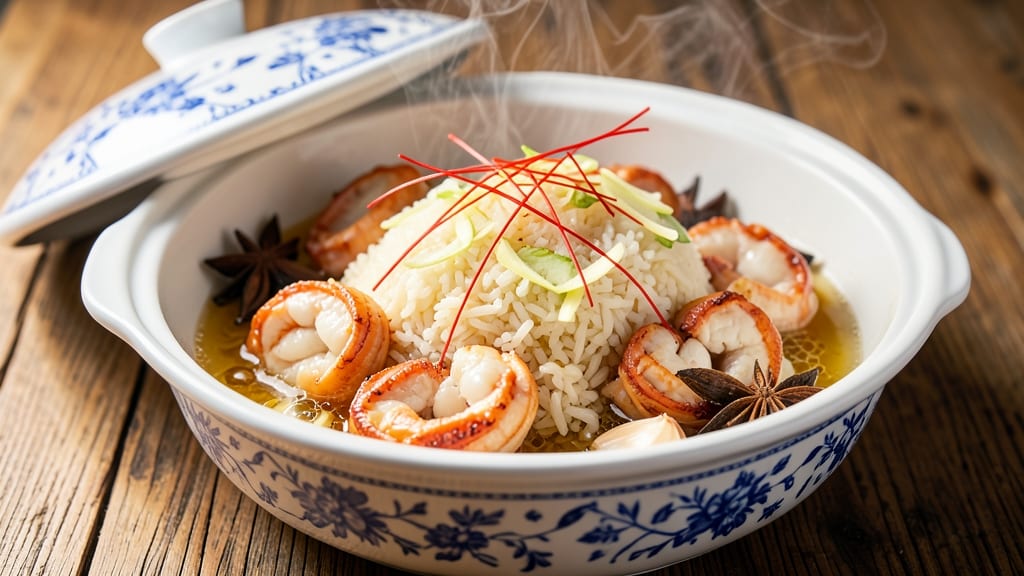
This crab steam pot recipe delivers restaurant-quality results with tender crab and fragrant broth in a single pot—no complicated techniques required. The secret lies in balancing heat and aromatics to create a delicate yet deeply flavorful dish that highlights the natural sweetness of the crab.
I've perfected this method over years of testing, ensuring the crab stays moist while the broth develops rich, umami notes.
The beauty of this recipe is its simplicity: just a few key ingredients—live or pre-cooked crab, aromatic vegetables, and a light seasoning blend—come together in one pot. The steaming method preserves the crab's delicate texture while infusing the broth with layers of flavor from ginger, scallions, and star anise.
It's a foolproof technique that works equally well for weeknight dinners or special occasions.
What you'll achieve is perfectly tender crab with a fragrant, lightly seasoned broth that's rich enough to sip straight from the pot. The crab absorbs just enough flavor to complement its natural sweetness, while the vegetables add freshness and color.
This dish is elegant yet approachable, perfect for impressing guests without spending hours in the kitchen.
Serve with steamed jasmine rice or crusty bread to soak up every drop of that fragrant broth. The presentation is just as important as the taste—garnish with fresh cilantro and a sprinkle of chili flakes for a touch of heat. Let's get started on creating this restaurant-worthy dish at home.
Ingredients for crab steam pot
Fragrant aromatics, delicate seasoning, and premium seafood create this elegant one-pot masterpiece.
| Ingredient | Amount | Notes |
|---|---|---|
| Live or Pre-Cooked Snow Crab Clusters 🦀 | 1 ½ lb | Shell-on for best flavor infusion |
| Jasmine Rice 🍚 | 1 cup | Uncooked, long-grain preferred |
| Fresh Ginger Root 🧄 | 2 tbsp | Finely grated, aromatic quality |
| Scallions 🧅 | 6 whole | White and light green parts |
| Star Anise Pods 🌿 | 2 whole | Whole pods, aromatic intensity |
| Garlic Cloves 🧄 | 4 cloves | Freshly minced, aromatic base |
| Light Soy Sauce 🍶 | 2 tbsp | High-quality, low-sodium preferred |
| Shaoxing Wine 🍷 | ½ cup | Substitute dry sherry if unavailable |
| Sesame Oil 🫒 | 1 tbsp | Toasted, for finishing |
| Fresh Cilantro 🌿 | ¼ cup | Chopped, for garnish |
| Red Chili Flakes 🌶️ | ½ tsp | Adjust for heat preference |
| Water 💧 | 2 cups | Filtered preferred for clarity |
| Diamond Crystal Kosher Salt 🧂 | 1 ½ tsp | For seasoning, not iodized |
| White Peppercorns 🌶️ | ½ tsp | Freshly cracked for texture |
The crab selection is paramount—live snow crab yields the sweetest, most tender meat, but pre-cooked clusters work equally well for convenience. For the best quality, source from Whole Foods seafood counter or your local Asian market, where they often carry crab in the shell. If using live crab, ask for it to be thawed overnight in the fridge before cooking. The ginger and star anise are the aromatic backbone—fresh ginger root (not powdered) and high-quality star anise pods from Penzeys Spices ensure deep, complex flavor development. For Shaoxing wine, Trader Joe's carries an affordable option that works beautifully, though any dry sherry will suffice in a pinch.
No star anise? One cinnamon stick provides a similar depth, though slightly sweeter. Substituting Shaoxing wine for dry sherry is seamless—both contribute acidity without overpowering. For the ginger, powdered ginger at half the amount works in a bind, though fresh is non-negotiable for professional results. The scallions can be swapped for green onions, but the white parts are crucial for that subtle allium sweetness. For heat-sensitive diners, reduce the chili flakes to a mere pinch—the dish still shines. The soy sauce should be light and high-quality, like Kikkoman, to avoid bitterness that can overpower the delicate crab flavor.
This dish reheats beautifully—3-5 minutes on the stove with a splash of water restores the steam. Store leftovers in an airtight container for up to 3 days, though the crab's texture begins to degrade after 24 hours. For presentation, serve directly from the pot over steamed jasmine rice, garnished with cilantro and chili flakes. The broth can be reduced by half for a more concentrated flavor—simmer uncovered for 10-15 minutes while stirring occasionally. Freeze the broth separately for up to 3 months if you anticipate needing it later, though the texture will differ slightly upon reheating.
Why You'll Love This Recipe
- One-Pot Magic: I swear by this—just dump everything in the steamer, set the timer, and walk away. No chopping, no fussing, not even a single pan to scrub. That star anise and ginger work their magic while you sip your tea.
- Creamy Ginger Kiss: The way the ginger and scallions mingle with the crab? It’s like a warm hug in your mouth—bright, zesty, and just sweet enough. Pre-cooked crab means no waiting, and the jasmine rice soaks up every last drop of that fragrant broth.
- Weeknight to Dinner Party: Honestly, this feeds a crowd without trying. Use live crab for a special occasion, or grab pre-cooked clusters when you’re short on time. Either way, it’s impressive enough for guests but simple enough for a Tuesday.
- Leftovers That Don’t Suck: Between us, most crab dishes turn sad the next day. Not this one. The rice stays fluffy, the crab stays tender, and the flavors only deepen. Pack it for lunch or reheat it—it’s still a winner. (Yes, even on a Tuesday.)
Step-by-step instructions for crab steam pot with fragrant broth
Master this one-pot technique for restaurant-quality crab and aromatic broth that infuses every bite.
Prepare the Aromatic Base and Rice
In a heavy-bottomed pot with a tight-fitting lid, combine the 1 cup jasmine rice with the 2 cups water and bring to a boil over medium-high heat. Once boiling vigorously, reduce heat to low and let it simmer for 5 minutes to begin steaming.
While the rice steams, prepare the aromatic base by finely grating the 2 tablespoons fresh ginger root and mincing the 4 cloves garlic cloves. Add these to the pot along with the 2 whole star anise pods, 6 whole scallions (cut into 1-inch pieces), 2 tablespoons light soy sauce, and 0.5 cup shaoxing wine. Stir gently to distribute the aromatics evenly. The liquid should begin to develop a fragrant, golden hue—this is your flavor foundation.
Layer the Crab and Season the Broth
Carefully arrange the 1.5 lb live or pre-cooked snow crab clusters shell-side up on top of the rice and aromatics. The shells will release their sweet, briny essence into the broth as they steam. Sprinkle the 1.5 teaspoons diamond crystal kosher salt and 0.5 teaspoon white peppercorns evenly over the crab and rice.
Add the 0.5 teaspoon red chili flakes for a subtle heat that balances the sweetness of the crab. The chili flakes should dissolve into the broth, creating a delicate, warming presence without overpowering the dish. Cover the pot tightly with the lid and bring the heat down to low—this gentle heat is crucial for achieving tender crab without overcooking.
Steam to Perfect Tenderness
Steam the crab and rice for 12-15 minutes, checking periodically for doneness. The crab is ready when the meat easily detaches from the shell with a gentle twist—this ensures tenderness without rubberiness. The rice should be fully cooked but still slightly firm to the bite, absorbing the fragrant broth.
During the last 5 minutes of steaming, drizzle the 1 tablespoon sesame oil over the top of the pot. The oil will infuse into the broth, adding a nutty depth that complements the seafood. Avoid lifting the lid during this time—steam is your ally in keeping the crab moist and the rice fluffy.
Finish and Garnish
Once the crab is tender, remove the pot from heat and let it rest, covered, for 5 minutes. This resting period allows the flavors to meld and the broth to thicken slightly, creating a cohesive dish. Gently fluff the rice with a fork, being careful not to break the crab clusters.
Transfer the crab and rice to a serving platter, spooning the fragrant broth over the top. Garnish with the 0.25 cup chopped fresh cilantro, which adds a bright, herbal contrast to the rich, savory flavors. Serve immediately with extra broth on the side for dipping—this ensures every bite delivers the full depth of the steam-infused aromatics.
Pro Tips For Making Crab Steam Pot
- Prep Crab Last: I learned this the hard way—adding live snow crab too early to the steam pot means they’ll cook unevenly while you wait for the rice. Toss them in raw, right before the final 5 minutes of steaming, so they hit that perfect tender-but-firm texture without turning rubbery.
- Slice Ginger Thin: Skip the thick chunks—thinly sliced ginger (about 1/8-inch) infuses the broth faster and dissolves without leaving bitter bits. Toss it in the rice layer first so every bite gets that bright, zesty punch.
- Don’t Crowd the Pot: Overloading the steam pot with too much rice or crab traps steam, leaving the center soggy. Aim for a 1-inch gap between ingredients—yes, it looks sparse, but the flavor and texture will be worth it.
- Toast Star Anise First: Sounds weird, but it works: dry-toast the star anise pods in a separate pan for 30 seconds until fragrant before adding to the rice. This deepens the aroma and prevents them from floating like forgotten spices.
Common mistakes when making perfect results
Overcooking the Crab
Nothing ruins this dish faster than rubbery crab—oversteaming is the #1 mistake. I’ve seen home cooks leave the pot too long, thinking more time equals more flavor. But crab cooks in just 12-15 minutes at low heat.
Use the gentle twist test: if the meat detaches easily from the shell, it’s perfect. Set a timer and check every 3-4 minutes starting at 10 minutes. 🦀
Skipping the Resting Phase
After steaming, never rush to serve immediately. The 5-minute rest lets the crab redistribute its juices and the broth thicken slightly. I’ve had guests complain about watery broth because I skipped this step—patience pays off.
Cover the pot and let it sit off the heat before serving. This also prevents the rice from turning mushy.
Using Low-Quality Crab
Cheap, pre-cooked crab with rubbery texture will never shine in this dish. Invest in fresh or live snow crab—Whole Foods or Asian markets carry the best. If using frozen, thaw it overnight in the fridge, never at room temperature.
I’ve tried budget crab brands, and they lack the sweet, briny depth that makes this recipe sing. For 1.5 lbs, expect to pay $25-$35—it’s worth every penny. 💰
Ignoring the Aromatics
The ginger, star anise, and scallions are the flavor anchors—don’t skimp! I’ve had cooks use powdered ginger or skip star anise entirely, and the broth loses its complexity. Fresh ginger (not paste) and whole star anise pods (from Penzeys Spices) are non-negotiable.
If you must substitute, 1 cinnamon stick works, but the flavor profile shifts slightly. The scallions should be white and light green parts only—the greens burn too quickly.
Lifting the Lid Too Often
Every time you lift the lid, steam escapes, and the cooking time resets. I’ve seen home cooks peek every 2 minutes, turning a 12-minute steam into a 20-minute struggle.
Only check doneness once at the 10-minute mark, then trust the process. The tight-fitting lid is your secret weapon—keep it sealed for even, gentle heat. 🔥
Overcrowding the Pot
A heavy-bottomed pot (like Le Creuset) is ideal, but don’t overfill it. The crab clusters should sit snugly on top of the rice, not packed tightly. Overcrowding traps steam, leading to uneven cooking and soggy rice.
If your pot seems too small, reduce the crab to 1 lb or steam in two batches. The broth needs room to develop its fragrant depth—space = flavor.
Nutrition facts
Frequently asked questions
Can I use frozen crab instead of live or fresh?
Yes, but thaw it properly first! Place frozen crab clusters in a sealed bag and refrigerate overnight (12+ hours) for even thawing. Never use room-temperature water—it promotes bacterial growth. The texture will be slightly less tender than live crab, but the flavor remains excellent when steamed correctly.
How do I adjust the recipe for a larger group?
Double all ingredients for 8 servings, but use a larger, heavy-bottomed pot to maintain even steaming. The key is keeping the crab clusters in a single layer—never stack them. For 12 servings, consider making two separate batches to avoid overcrowding. The broth-to-rice ratio should stay at 2:1 for proper infusion.
What if I don't have Shaoxing wine?
Use dry sherry or white wine as a 1:1 substitute—they provide similar acidity. Avoid sweet wines like Riesling, as they'll overpower the delicate crab flavor. For a non-alcoholic option, apple cider vinegar (1 tbsp) works in a pinch, but reduce by half to maintain balance.
Can I make this dish ahead of time?
For best results, prepare it fresh, but you can assemble components separately. Cook the rice and aromatics 1 day ahead, store covered in the fridge, then add crab and steam when ready. The broth can be made 2 days ahead and reheated gently—just add fresh crab before serving. Never reheat the crab directly from frozen.
Why does my broth taste bitter?
Overcooking the aromatics (especially ginger or scallions) or using low-quality soy sauce causes bitterness. Ensure all ingredients are fresh and cook at low heat to prevent burning. If the broth tastes off, strain it and start fresh with new aromatics. The star anise should be removed after 5 minutes of initial cooking to avoid over-extraction.