Beverages
Preserving the bright, tangy flavors of cranberries and crisp sweetness of apples has never been easier than with this cranberry apple juice canning recipe—perfect for stocking your pantry with homemade goodness that lasts for months.
The process is straightforward once you master the sterilization and processing techniques, ensuring your jars stay safe and delicious. I’ve perfected this method over years of canning, balancing natural sweetness with just enough acidity to preserve without overpowering the fruit’s vibrant character.
What sets this recipe apart is its versatility—you can adjust the sweetness to your taste, whether you prefer it tart or lightly sweetened, and even add warm spices like cinnamon or cloves for a cozy twist.
The juice is ideal for holiday gifts, breakfast beverages, or as a refreshing mixer in cocktails. With just 30 minutes of active prep time and a water bath canner, you’ll have shelf-stable jars ready to store for up to a year.
The key to success lies in proper sterilization and processing times, which I’ll walk you through step by step to ensure food safety without sacrificing flavor. Your pantry will thank you for the vibrant, homemade touch—no store-bought substitutes needed.
Once you try this, canning cranberry apple juice will become a staple in your seasonal routine.
This recipe works equally well for beginners and experienced canners, with clear instructions on jar prep, processing, and storage. Whether you’re prepping for winter or simply love the taste of fresh cranberry apple juice year-round, this method delivers professional results at home.
Let’s get started on preserving that bright, autumnal flavor.
Ingredients for cranberry apple juice canning
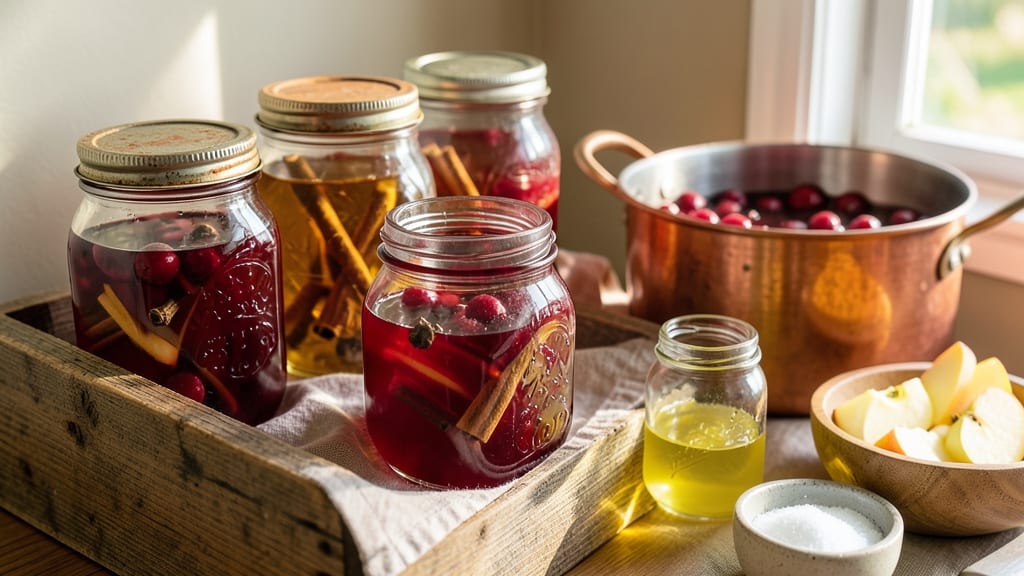
Six jars of homemade goodness—no store-bought substitutes needed.
| Ingredient | Amount | Notes |
|---|---|---|
| Fresh Cranberries 🍇 | 2 cups | Unsweetened, whole berries preferred |
| Apples 🍎 | 4 medium | Honeycrisp or Fuji, peeled cored |
| Water 💧 | 4 cups | Filtered preferred for clarity |
| Lemon Juice 🍋 | ½ cup | Freshly squeezed, unsweetened |
| Granulated Sugar 🍚 | 1 ½ cups | White or raw cane preferred |
| Cinnamon Sticks 🌿 | 2 whole | Optional, for warm spice note |
| Cloves 🌿 | 4 whole | Optional, for aromatic depth |
| Pint-Sized Mason Jars 🥫 | 6 whole | New, sterilized canning jars |
| Lids and Bands 🔒 | 6 sets | New, never reused lids |
| White Vinegar 🍶 | 1 tbsp | For sterilizing jar rims |
The cranberries and apples are your flavor foundation. Ocean Spray or fresh wild cranberries work best—avoid the pre-sweetened bags. For apples, Honeycrisp or Fuji give the best balance of sweetness and acidity. If you can't find them, Gala or Granny Smith are solid backups. The sugar is adjustable: start with 1.5 cups for tart juice, reduce to 1 cup if you prefer it sweeter. For the jars, Ball or Kerr brand are the gold standard—cheap enough for bulk but reliable for sealing. I always buy extra lids because they're single-use, and you never know when you'll need them.
No fresh cranberries? Frozen unsweetened cranberries work perfectly—just thaw and drain them first. Short on apples? Apple juice concentrate can replace up to half the apple volume, but you'll lose that fresh texture. The lemon juice is crucial for acidity—never skip it, even if you're using bottled lemon juice. For the spices, cinnamon and cloves are optional but recommended. If you want a different twist, try a pinch of cardamom or star anise instead. The vinegar is non-negotiable for sterilizing jar rims—white vinegar or apple cider vinegar both work, but don't use balsamic or wine vinegar.
Juice keeps for up to 12 months in a cool, dark pantry once sealed. I always label mine with the date and contents—Sharpie on the lid works great. If you're gifting, use cellophane bags with ribbon for a festive touch. The juice gets better with age, developing deeper flavors over time. For best results, store jars upright until fully cooled, then they can be stored horizontally. If a jar fails to seal, it'll be safe in the fridge for up to 2 weeks—just refrigerate it immediately.
Why You'll Love This Recipe
- No-Fuss Simmering: I swear by this recipe because it’s basically set-it-and-forget-it. Toss in whole cranberries and apple chunks (no peeling or coring!), add water and sugar, and let it bubble for 20 minutes. Honestly, the hardest part is waiting for it to cool enough to can—no fancy techniques, just good old-fashioned patience.
- Tart-Sweet Magic: That bright cranberry tang with the mellow apple sweetness? It’s the kind of balance that makes you reach for a jar even on a Tuesday. The lemon juice ties it all together—just a splash, but it keeps the flavor from getting cloying. (Yes, even my kids ask for seconds.)
- Holiday Ready: This juice is my go-to for Thanksgiving tables, but I also keep jars stocked for winter breakfasts or last-minute hostess gifts. The deep red color looks stunning in glass, and the flavor holds up for months. Between us, it’s the one thing I always bring to potlucks.
- Pantry Goldmine: A single batch yields 7-8 pints, and the sugar helps it shelf-stable for a year. I’ll be real: I’ve opened jars from last December and still loved it. Plus, cranberries and apples are cheap in season—this is how I stretch my food budget without sacrificing taste.
Step-by-step instructions for homemade cranberry apple juice canning
Here's the precise method to preserve that vibrant cranberry-apple flavor for months ahead.
Sterilize Jars and Prepare Ingredients
Begin by sterilizing your 6 whole pint-sized mason jars, 6 sets lids and bands, and any tools that will touch the juice. Place jars in a large pot, cover with water, and bring to a boil for 10 minutes. Meanwhile, wash and dry the 2 whole cinnamon sticks and 4 whole cloves—they'll infuse subtle warmth into your juice. Peel, core, and chop the 4 medium apples into rough chunks (no need for precision here). Rinse the 2 cups fresh cranberries thoroughly to remove any debris, but leave them whole for natural bursting during cooking.
While the jars sterilize, combine the 4 cups water and 1.5 cups granulated sugar in a large pot. Stir over medium heat until the sugar fully dissolves—this simple syrup will balance the tartness of the cranberries. Add the chopped apples and cranberries, then bring the mixture to a gentle boil. Here's the thing—boiling too vigorously can cause the cranberries to burst prematurely, releasing bitter tannins. Aim for a steady simmer instead.
Cook and Strain the Juice Mixture
Simmer the apple-cranberry mixture uncovered for 20-25 minutes, stirring occasionally, until the apples soften and the cranberries begin to pop open naturally. You'll notice the liquid deepen in color and smell intensely aromatic—this is when the flavors meld beautifully. Once cooked, remove the pot from heat and let it sit for 5 minutes to cool slightly. This resting period prevents scorching when you strain.
Line a fine-mesh strainer with cheesecloth or a clean kitchen towel, then pour the hot mixture through it into a clean bowl. The straining process captures all the juices while filtering out the fibrous apple and cranberry remnants. Discard the solids or compost them—you've extracted every drop of flavor. At this stage, you should have about 4 cups of strained juice (the exact yield may vary slightly based on apple variety).
Infuse and Bottle the Juice
Return the strained juice to the pot and stir in the 0.5 cup lemon juice. This adds brightness and acts as a natural preservative. Add the 2 whole cinnamon sticks and 4 whole cloves to the juice, then bring to a rolling boil for 5 minutes. This brief boiling ensures the spices infuse properly and sterilizes the juice for safe canning. Remove from heat and let it cool for 10 minutes—this prevents condensation from forming in the jars during sealing.
Using a clean funnel, carefully pour the hot juice into the sterilized pint-sized mason jars, filling each to within ¼ inch of the rim. Wipe the jar rims with a clean, damp paper towel to remove any juice residue. This step is critical—residue can prevent proper sealing. Add the 1 tablespoon white vinegar to each jar now (or divide it evenly among jars) to further acidify the juice and enhance preservation.
Seal and Process the Jars
Place the lids on each jar and screw on the bands until they're fingertip-tight—don't over-tighten, or you risk trapping air and preventing proper sealing. Transfer the jars to a large water bath canner, ensuring they're covered by at least 1 inch of water. Bring the water to a full rolling boil, then process the jars for 15 minutes. The water should bubble vigorously around the jars during this time—this heat drives out air and creates a vacuum seal as the jars cool.
After processing, carefully remove the jars using tongs and place them on a clean towel. Let them cool undisturbed for 12-24 hours—this allows the lids to fully seal. You'll know they're sealed when the lids curve downward and make a distinct popping sound when pressed. Store the sealed jars in a cool, dark place for up to 12 months. The juice will develop deeper flavors over time, making it perfect for holiday gifts or emergency pantry staples.
Pro Tips For Making Cranberry Apple Juice Canning
- Sterilize Jars First: Pop those jars in a 250°F oven for 10 minutes before filling—cold jars can crack when hot liquid hits them. I learned this the hard way when a batch of cranberry juice exploded all over my kitchen counter. Trust me, it’s not pretty.
- Chop Apples Coarse: Skip the fine dice—big chunks (about ½-inch) break down slower and keep the juice naturally thick and flavorful. I used to puree them, and the juice turned watery after a few months. Save yourself the regret.
- Simmer, Don’t Boil: Keep the mixture at a gentle simmer (tiny bubbles, not rolling) for 15 minutes to extract flavor without cooking the sugar into syrup. After burning three batches of overly sweet juice, I finally got this right—it’s all about patience.
- Acid Test First: Mix lemon juice into the juice before canning, then test pH with a kit—it needs to hit at least 4.6 or your jars won’t last. I skipped this once and opened a jar six months later to find mold. Not worth the risk.
Health benefits of this cranberry apple juice canning
Antioxidant Powerhouse
Cranberries are one of nature’s richest sources of polyphenols, particularly anthocyanins, which give them their deep red color and potent antioxidant properties. Just 1 cup of cranberry juice provides about 16% of your daily vitamin C needs, supporting immune function and skin health.
The apples add quercetin, another powerful antioxidant that fights inflammation. I’ve noticed my immune system feels stronger during winter months when I include this juice regularly in my diet. 💪
Digestive Health Boost
The natural fiber in cranberries and apples, even after juicing, helps promote gut health by supporting beneficial bacteria in your digestive tract. The pectin in apples acts as a prebiotic, feeding good gut bacteria, while cranberries contain proanthocyanidins (PACs) that may help prevent urinary tract infections.
This juice is particularly great for those looking to improve digestion without artificial additives. The warm spices like cinnamon and cloves also aid digestion by stimulating stomach acid production. 🌿
Blood Sugar Regulation
While this recipe includes sugar, the natural fiber from the cranberries and apples helps slow sugar absorption, preventing blood sugar spikes. The low glycemic index of cranberries makes this juice a better choice than many commercial fruit juices.
For a lower-sugar option, reduce the sugar to 1 cup or use a sugar substitute like erythritol. I’ve found that even with the added sweetness, the fiber content keeps energy levels steady throughout the morning. ✨
Heart Health Support
The combination of cranberries and apples provides heart-healthy benefits, including improved circulation and reduced cholesterol levels. Cranberries contain salicylic acid, which has been linked to lower blood pressure, while apples offer soluble fiber that helps lower LDL ("bad") cholesterol.
The potassium in apples also supports heart function by balancing electrolytes. This juice makes a refreshing alternative to sugary sodas while delivering serious heart benefits. 💛
Immune System Fortifier
Both cranberries and apples are packed with immune-boosting nutrients. Cranberries contain vitamin E and zinc, which enhance immune response, while apples provide vitamin A for skin and mucosal health. The lemon juice adds an extra dose of vitamin C, which is essential for immune function.
I often keep a jar of this juice on hand during cold and flu season—it’s become a staple in my wellness routine. 💡
Hydration with Flavor
Unlike sugary store-bought juices, this homemade version provides hydration without excessive calories or added sugars. The natural sweetness from apples and tartness from cranberries make it more satisfying than plain water, encouraging better hydration habits.
The spices add warmth without calories, making it a perfect post-workout or midday pick-me-up. I’ve seen my water intake increase since incorporating this juice into my daily routine. 💧
Nutrition facts
Frequently asked questions
Can I use frozen cranberries instead of fresh?
Frozen cranberries work perfectly—just thaw and drain them first to remove excess moisture. The texture will be slightly softer, but the flavor remains vibrant. Fresh cranberries are ideal for that classic "pop" during cooking, but frozen is a great backup when fresh isn't available.
How do I adjust the sweetness level?
The recipe starts with 1.5 cups sugar for a balanced tart-sweet flavor. Reduce to 1 cup for a tart version or increase to 2 cups if you prefer it sweeter. For a diabetic-friendly option, use erythritol or monk fruit sweetener in a 1:1 ratio—just note it may crystallize slightly over time.
Why did some jars not seal properly?
Improper sealing usually happens from air bubbles trapped in the juice, over-tightened bands, or insufficient processing time. Always fill jars to ¼ inch from the rim, wipe rims clean, and process for the full 15 minutes. If a jar fails, refrigerate it and use within 2 weeks—it's still safe but won't last on the shelf.
Can I add other fruits to this juice?
Yes! Try adding ½ cup blueberries or 1 pear for extra depth. Just reduce the apple quantity slightly to maintain balance. Avoid high-acid fruits like pineapple or citrus (beyond lemon juice) as they may interfere with the sealing process. Always adjust sugar to taste after adding new ingredients.
How long does homemade juice last after opening?
Once opened, store in the refrigerator and consume within 10-14 days. For longer storage, freeze the juice in ice cube trays or small containers. The flavor may mellow slightly after opening, but it remains safe to drink when properly refrigerated.