
Desserts
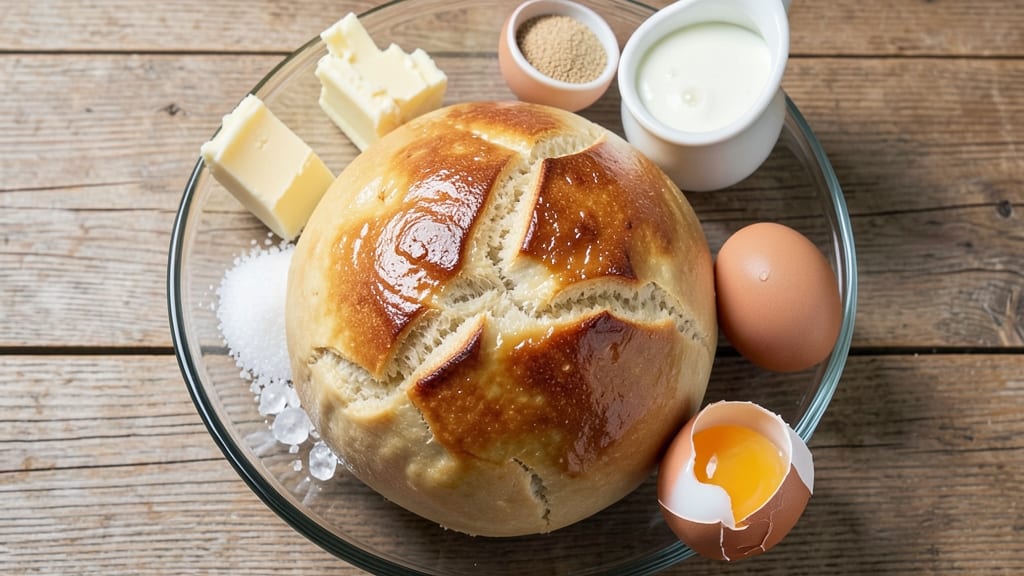
This cream bread recipe delivers the perfect balance of buttery richness and tender layers, with swirls of vanilla that make every slice irresistible. After years of perfecting the technique—from precise dough development to the ideal baking temperature—I’ve finally cracked the code for that signature pillowy texture and golden crust.
The secret lies in using a combination of butter and cream, which creates a moist, almost custard-like crumb while maintaining structure.
What sets this recipe apart is its versatility—whether you prefer a classic brioche-style loaf or a quick bread variation, the same foundational method ensures success.
The dough requires a gentle touch during mixing to avoid overdevelopment, followed by a brief proofing period that allows the gluten to relax while the yeast does its work. Baking at a controlled temperature ensures even rise and a crisp exterior without compromising the soft interior.
Once out of the oven, the bread delivers on every promise: tender, slightly crumbly layers with pockets of vanilla-infused butter that melt at the first bite. Toasted with a pat of butter or slathered with jam, it becomes the ultimate breakfast or dessert companion.
The aroma alone—warm, buttery, and faintly sweet—will have everyone asking for seconds.
This recipe is designed to be both approachable for beginners and refined enough for experienced bakers. With a few key adjustments, you can transform it into a cinnamon swirl loaf, a savory herb bread, or even a decadent brioche.
Let’s get started on creating your perfect loaf—one that’s as impressive as it is delicious.
Ingredients for cream bread
Buttery richness meets tender layers—just 13 ingredients for that signature pillowy cream bread.
| Ingredient | Amount | Notes |
|---|---|---|
| Unsalted Butter 🧈 | 1 cup | Cold, cubed for dough development |
| Heavy Cream 🥛 | ½ cup | Full-fat for richness |
| Granulated Sugar 🍚 | ¼ cup | For subtle sweetness |
| Large Eggs 🥚 | 2 whole | Room temperature preferred |
| All-Purpose Flour 🌾 | 2 ½ cups | Sifted for light texture |
| Active Dry Yeast 🍞 | 2 ¼ tsp | Fresh yeast for best results |
| Vanilla Extract 🍯 | 1 tbsp | Pure extract preferred |
| Milk 🥛 | ¼ cup | Warmed for yeast activation |
| Salt 🧂 | ½ tsp | Kosher or sea salt |
| Vanilla Bean Paste 🍯 | 1 tbsp | For swirls, optional but worth it |
| Powdered Sugar 🍚 | ¼ cup | For dusting finished loaf |
| Granulated White Sugar 🍚 | ¼ cup | For sprinkling on top |
| Vanilla Sugar 🍯 | ¼ cup | For swirls, homemade or store-bought |
The butter is non-negotiable here—unsalted, cold cubes create the perfect flaky layers. Land O'Lakes or Plugrá are my go-tos, but any good-quality brand works. For the yeast, fresh packets from the baking aisle are more reliable than jarred yeast, which can lose potency. The vanilla extract? Pure Madagascar bourbon from Williams Sonoma adds that extra depth, but any good brand will do. Pro tip: warm your milk to 110°F—just enough to melt the butter cubes without cooking the yeast.
No vanilla bean paste? Mix vanilla extract with a pinch of sugar for swirls. Short on heavy cream? Whole milk plus 1 tbsp melted butter gets you close. The powdered sugar is just for dusting—skip it if you prefer a simpler finish. For the flour, King Arthur or Gold Medal brands are ideal, but any all-purpose will work. The key is sifting it to avoid dense layers. And if you're feeling fancy, swap the vanilla sugar for homemade vanilla sugar—simmer vanilla beans in sugar for 10 minutes, then cool.
This dough is best used within 24 hours of mixing—it keeps in the fridge, covered, but the texture softens over time. For swirls, chill the dough 30 minutes before shaping to make rolling easier. Once baked, store at room temperature in an airtight container for 2 days, or freeze slices for 1 month. Toasting slices before serving? Game-changer—the butter melts into pure decadence.
Why You'll Love This Recipe
- No-Fuss Mixing: I swear by this recipe because it’s just three bowls—cream, butter, flour—no fancy techniques. The dough comes together smoother than my attempts at pie crust, and honestly? That’s saying something.
- Rich Without Trying: The heavy cream and sugar melt into the butter like a hug—warm, buttery, and just sweet enough. It’s not cloying; it’s that perfect balance where every bite feels like a treat, not a dessert.
- Breakfast or Snack: I make a batch on Sundays and keep it in the fridge for toast with jam, French toast, or even as a quick sandwich base. (Yes, even on a Tuesday night when I’m too tired to think.)
- Leftovers That Last: This bread stays fresh for days—no sad, dry ends here. I slice it thin, freeze half, and pull out perfect toast whenever I need it. Budget-friendly? Absolutely. Reliable? Even more so.
Step-by-step instructions for cream bread with vanilla swirls
Here's how to create that perfect buttery, swirled cream bread with layers so tender they practically melt in your mouth.
Activate the Yeast for Perfect Rise
In a small bowl, combine the 0.25 cup warm milk (about 110°F) with the 2.25 teaspoons active dry yeast and let it sit for 5-10 minutes until it becomes frothy. You'll see tiny bubbles forming on the surface—this tells you the yeast is alive and ready to work its magic. If it doesn't bubble after 10 minutes, your yeast might be expired, and you'll need to start over.
While waiting, whisk together the 2 whole large eggs, 1 tablespoon vanilla extract, and 0.25 cup granulated sugar in a separate bowl. This mixture will add richness and sweetness to your cream bread. The eggs should be at room temperature for best results—they'll incorporate more smoothly into the dough.
Mix the Dough for Light, Airy Texture
In the bowl of a stand mixer fitted with the paddle attachment, combine the 2.5 cups all-purpose flour and 0.5 teaspoon salt. Mix on low speed to aerate the flour, then add the yeast-milk mixture and egg mixture. With the mixer running on low, gradually add the 1 cup cold cubed unsalted butter—this should take about 1 minute to fully incorporate.
Once all the butter is added, increase the speed to medium and mix for another 2-3 minutes until the dough comes together and pulls away from the sides of the bowl. The dough should be soft but not sticky—if it's too sticky, you might need to add 1 tablespoon more flour. This step is crucial for developing gluten, which gives your bread its structure and that perfect pillowy texture.
Prepare the Vanilla Swirl Filling
In a small bowl, mix together the 0.5 cup heavy cream, 1 tablespoon vanilla bean paste, and 0.25 cup vanilla sugar until smooth. This will be your swirl filling, adding that signature vanilla flavor and beautiful marbled pattern. The vanilla bean paste gives an extra depth of flavor that pure extract can't match—it's worth the small splurge if you can find it.
For the topping, combine 0.25 cup granulated white sugar with a pinch of salt in a small bowl. This sweet, slightly salty topping will caramelize beautifully during baking, creating that perfect crunchy crust on top. Keep this mixture ready—you'll need it in the next step.
Layer and Shape the Dough
Transfer the dough to a lightly floured surface and divide it into three equal parts. Roll each piece into a rectangle about 12x8 inches. Spread about 1/3 of the vanilla cream mixture evenly over each rectangle, leaving a ½-inch border around the edges. This ensures the filling stays contained during the swirling process.
Starting with one rectangle, roll it up tightly from the long side like a jelly roll. Repeat with the remaining two rectangles. Place one rolled dough piece seam-side down in a greased 9x5-inch loaf pan. Unroll the second piece and place it on top, then unroll the third piece and place it on top of the second. Gently press down to create layers—this is where you'll get those beautiful swirls.
Bake to Golden Perfection
Preheat your oven to 350°F. Brush the top of the dough with any remaining vanilla cream mixture, then sprinkle evenly with the sugar-salt topping. Bake for 50-55 minutes or until the top is golden brown and a toothpick inserted in the center comes out clean. The bread is done when it springs back slightly when pressed in the center.
Remove the bread from the oven and let it cool in the pan for 10 minutes, then invert onto a wire rack. Dust the top generously with 0.25 cup powdered sugar while still warm for that classic cream bread finish. Slice when completely cool—this bread is best enjoyed fresh from the oven, but it keeps well at room temperature for 2 days or can be frozen for up to 3 months.
Pro Tips For Making Cream Bread
- Whip Butter First: Take 30 seconds to beat the unsalted butter with the sugar until it’s pale and fluffy—no streaks. I used to skip this, and the bread turned out dense and flat. That light color means air gets trapped, so your loaves rise higher and stay tender.
- Chill the Dough: Let the mixed batter rest in the fridge for at least 30 minutes before baking—yes, even if you’re in a hurry. After forgetting this, I got a sunken center every time. The cold slows gluten formation, so the bread stays soft instead of gummy.
- Don’t Overmix the Flour: Fold in the flour just until combined—lumpy is fine. I learned this the hard way when my bread turned tough and chewy. Overworking the dough activates too much gluten, and cream bread should be light, not dense.
- Use Room-Temp Eggs: Take the eggs out of the fridge 15 minutes before using them—no need to warm them up. Cold eggs can cause the batter to curdle, and I’ve had to start over twice because of it. Room temp keeps everything smooth and consistent.
Wine and beer pairings for cream bread
Sweet White Wine
This buttery, vanilla-infused cream bread pairs beautifully with a crisp Sauvignon Blanc from New Zealand or a delicate Chardonnay from California. The bright acidity cuts through the richness while complementing the vanilla swirls.
I love Kim Crawford Sauvignon Blanc—its citrus notes enhance the bread’s sweetness without overpowering it. Serve slightly chilled for the best experience. 🍷
Rich Dessert Red
For a bolder pairing, try a Pinot Noir with subtle fruit notes. The red fruit flavors in a Oregon Pinot Noir like Domaine Serene mirror the vanilla and butter beautifully.
Avoid heavy, tannic reds—they’ll clash with the bread’s delicate texture. A glass of this wine elevates the dessert experience to restaurant-quality. 🍇
Creamy Sparkling Wine
Celebrate your masterpiece with a glass of Prosecco or Cava—their effervescence cleanses the palate between bites. I recommend La Marca Prosecco for its crisp, fruity profile that balances the bread’s sweetness. The bubbles also make it feel extra special for gatherings. 🥂
Craft Beer Pairings
If wine isn’t your thing, try a Belgian Witbier like Hoegaarden. The coriander and citrus notes create a refreshing contrast to the buttery richness. For a darker option, a honey brown ale from Allagash adds caramel sweetness that pairs surprisingly well. 🍺
Coffee or Tea
For a non-alcoholic option, vanilla chai latte or espresso works perfectly. The warm spices in chai enhance the vanilla flavors, while espresso’s bitterness balances the bread’s sweetness. I often enjoy this pairing in the afternoon for a cozy treat. ☕
Seasonal Adaptations
In summer, a rosé with its berry notes adds a refreshing twist. For winter, a Moscato d’Asti—lightly fizzy and sweet—mirrors the bread’s vanilla swirls. Adjust your pairing based on the season and your mood! 🍂
Nutrition facts
Frequently asked questions
Can I make this cream bread without a stand mixer?
The recipe works perfectly with just a large mixing bowl and wooden spoon! Mix the flour, salt, and yeast first, then add the wet ingredients gradually. Use your hands to knead the dough for about 5-7 minutes until smooth and elastic. The key is patience—let the dough rest 10 minutes between kneading sessions to develop gluten properly.
Why did my cream bread turn out dense instead of pillowy?
Overmixing or underproofing are the most common culprits. The dough should be soft but not sticky, and the yeast should have 5-10 minutes to activate before mixing. Also, ensure your butter is cold (not melted) and the oven temperature is accurate—use an oven thermometer if needed. Proofing too long (over 1-2 hours) can also cause density.
How can I store leftover cream bread?
Keep it fresh in an airtight container at room temperature for up to 2 days. For longer storage, slice and freeze for 1 month. Toast slices directly from frozen for best results—no thawing needed! The texture remains tender when reheated gently in the toaster or oven at 300°F for 5-7 minutes.
Can I substitute heavy cream with something else?
Yes! Use whole milk plus 1 tbsp melted butter for each 0.5 cup of heavy cream. For a lighter version, try Greek yogurt (reduce by 0.25 cup)—it adds tanginess that balances the sweetness. Avoid low-fat options, as they won’t create the same rich, moist texture. The vanilla swirls will still shine!
What’s the best way to serve this cream bread?
Warm slices with a pat of softened butter or a drizzle of honey are classic choices. For a decadent treat, spread with cream cheese frosting or layer with fresh berries. It’s also perfect for French toast—cut into cubes, soak in egg mixture, and cook until golden. The vanilla swirls add extra magic to any preparation!