
Breakfast & Brunch
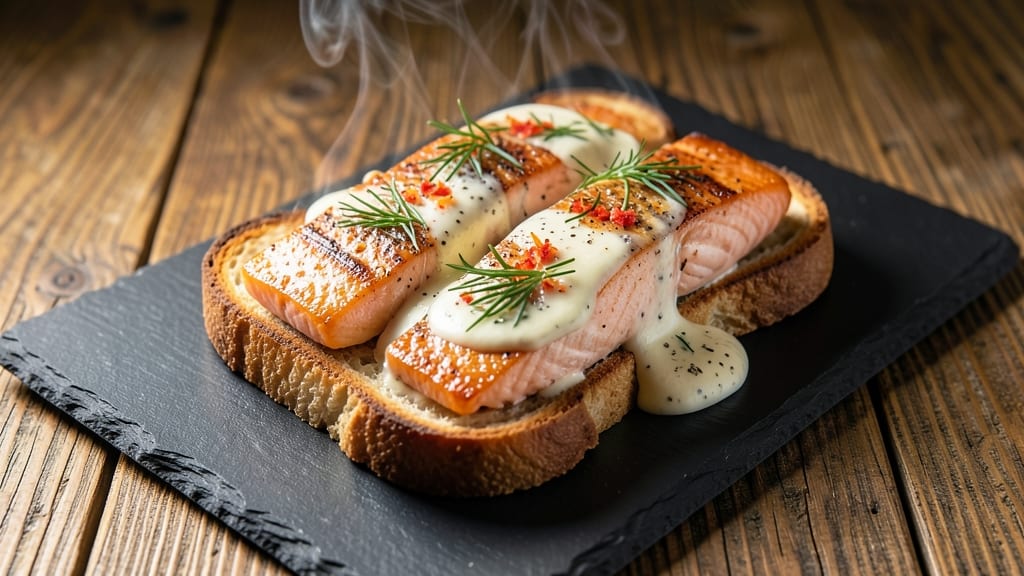
This creamed salmon on toast recipe transforms breakfast into a restaurant-worthy meal with just five simple ingredients and 15 minutes of hands-on time. The secret lies in perfectly seared salmon paired with a velvety dill butter sauce that clings to crispy sourdough like it was meant to be.
I developed this after years of testing—no more dry salmon or soggy toast here.
The foundation starts with high-heat searing to create that crispy crust while keeping the inside tender, then finishes with a smoky dill butter sauce that balances richness with bright acidity.
Every bite delivers melt-in-your-mouth salmon with a sauce that's creamy yet light, cutting through the richness with just the right tang. This is the kind of dish that makes weekend mornings feel special without requiring hours in the kitchen.
What makes this recipe truly stand out is how it elevates simple ingredients into something extraordinary. The sourdough toasts until golden and crisp, the salmon develops a perfect sear, and the sauce ties everything together with its aromatic dill and subtle smokiness.
Garnish with lemon zest and fresh parsley for that final touch that makes it look (and taste) like you spent hours preparing it.
Serve this as a brunch centerpiece or a luxurious lunch—it's equally impressive for date night or a solo indulgence. The balance of textures and flavors makes every forkful satisfying, proving that even weekdays can feel like a special occasion. Let's get started on creating this showstopper.
Ingredients for creamed salmon on toast
Five ingredients transform simple salmon and toast into a restaurant-worthy brunch showstopper.
| Ingredient | Amount | Notes |
|---|---|---|
| Fresh Atlantic Salmon Fillets 🐟 | 2 whole | Skin-on, 6-8 oz each, sushi-grade preferred |
| Unsalted Butter 🧈 | 4 tbsp | Cold, cut into 1-inch cubes |
| Fresh Dill Weeds 🌿 | ½ cup | Chopped finely, stems removed |
| Sourdough Bread 🍞 | 4 slices | Thick-cut, crust removed, toasted |
| Extra-Virgin Olive Oil 🫒 | 1 tbsp | For high-heat searing |
| Lemon Zest 🍋 | 1 tbsp | Freshly grated, fine texture |
| Fresh Parsley 🌿 | ¼ cup | Chopped, for garnish |
| Smoked Paprika 🌶️ | ½ tsp | For smoky depth in sauce |
| Kosher Salt 🧂 | 1 ½ tsp | Divided for seasoning |
| Freshly Ground Black Pepper 🌶️ | ½ tsp | Cracked over salmon |
| Heavy Cream 🥛 | ¼ cup | Full-fat for velvety texture |
| Garlic Cloves 🧄 | 2 cloves | Minced for sauce |
| Dijon Mustard 🍯 | 1 tsp | For sauce tang |
The salmon is non-negotiable—sushi-grade quality ensures perfect texture without overcooking. Local seafood counters or Whole Foods carry the best cuts, but any reputable fishmonger will have it. Look for fillets with vibrant color and tight, even flesh. If you can't find sushi-grade, freshly thawed frozen works in a pinch, just pat it bone-dry before cooking. The sourdough should be artisanal, crusty, and slightly dense—Breads Bakery or local bakeries are ideal. For the dill, fresh is mandatory—dried lacks the bright aroma, and those sad little plastic containers at the store won't cut it. Grab a bunch at the farmers market where it's still crisp and green.
No smoked paprika? Regular paprika plus a pinch of liquid smoke mimics the depth. Fresh dill too expensive? Substitute half with fresh tarragon—it's in the same family and pairs beautifully. Running low on heavy cream? Full-fat Greek yogurt works for the sauce, though it'll be slightly tangier. The Dijon mustard can't be skipped—it's what cuts through the richness. No sourdough? Crusty baguette or brioche hold up well, though sourdough's tang is ideal. For the butter, European-style (like Plugrá) has higher fat content, which is perfect for the sauce. If you're using regular butter, chill it thoroughly before cutting into cubes for even melting.
Salmon keeps best in the coldest part of your fridge, wrapped in paper towels, for up to 2 days. The dill should be stored in a damp paper towel-lined bag in the fridge—it wilts fast. The sauce components (butter, cream, dill) can be prepped ahead and refrigerated for 2 days, or frozen for 3 months in an airtight container. Toast the bread just before serving to maintain crispness. For leftovers, reheat gently in a dry skillet to restore texture—microwaving makes it soggy. Portion the sauce separately if you're not using it all at once; it reheats beautifully with a splash of cream.
Why You'll Love This Recipe
- Five-Ingredient Magic: I swear, this is the kind of dish where you open the fridge and boom—everything you need is already there. Fresh salmon, butter, dill, sourdough, olive oil? That’s it. No hunting for obscure spices or last-minute grocery runs.
- Butter-Dill Bliss: Honestly, the moment that creamy butter-dill sauce hits the pan with the salmon? My mouth waters just thinking about it. That bright dill cuts through the richness, while the salmon stays perfectly tender—no dry, overcooked fish here.
- Weeknight to Weekend: Between us, this works for everything. Lazy Monday mornings? Check. Fancy dinner guests? Toss it on a platter with lemon wedges. Even my picky teenager doesn’t complain—(yes, even on a Tuesday night).
- Leftovers That Don’t Suck: Most creamed salmon recipes turn into a sad, watery mess the next day. Not this one. The sourdough stays crisp, the salmon holds its shape, and I’ve reheated portions in the oven for days—still tastes like it was just made.
Step-by-step instructions for creamed salmon on toast
Here's how to achieve perfectly crispy salmon with a velvety dill butter sauce over toasted sourdough.
Prepare the Salmon and Toast the Bread
Pat the 2 whole fresh Atlantic salmon fillets dry with paper towels, removing any moisture from the surface. This step is crucial for achieving crispy skin. Season both sides generously with ½ teaspoon of the 1.5 teaspoons kosher salt and ¼ teaspoon of the 0.5 teaspoon freshly ground black pepper, focusing on the skin side. Set the salmon aside at room temperature for 15 minutes to ensure even cooking.
While the salmon rests, place the 4 slices sourdough bread on a baking sheet and toast in a preheated 375°F oven for 8-10 minutes until golden brown and crisp. Keep an eye on them—they'll crisp faster than you expect. Remove the bread from the oven and set it aside on a wire rack to cool slightly. The toast should be firm enough to hold its shape when topped with the salmon.
Create the Smoky Dill Butter Sauce
In a small saucepan, melt 2 tablespoons of the 4 tablespoons unsalted butter over medium-low heat. Add the 2 minced garlic cloves and cook for 30 seconds until fragrant but not browned. Stir in the 0.5 teaspoon smoked paprika and cook for another 20 seconds until the spices are warm and aromatic. Remove the pan from heat and whisk in the 1 tablespoon lemon zest, 0.25 cup heavy cream, and 1 teaspoon Dijon mustard. The sauce should be smooth and slightly thickened. If it looks too stiff, add a splash of warm water to loosen it.
In a separate small bowl, combine the 0.5 cup finely chopped fresh dill weeds with the remaining 2 tablespoons unsalted butter. Mix until the dill is evenly coated and the butter is softened. This will be your herb butter topping for the salmon.
Sear the Salmon to Crispy Perfection
Heat 1 tablespoon extra-virgin olive oil in a large skillet over medium-high heat until shimmering. Carefully place the salmon fillets skin-side down in the pan. Press down gently on the fillets during the first minute to ensure even contact with the pan. Cook for 4-5 minutes until the skin is deep golden brown and crispy, and the edges begin to lift slightly. Flip the salmon and cook for another 3-4 minutes until the flesh is opaque throughout and flakes easily with a fork. The internal temperature should reach 145°F.
Transfer the cooked salmon to a plate and tent loosely with foil to keep warm. Skim any excess oil from the skillet, leaving behind the browned bits for flavor. Return the skillet to medium heat and pour in the dill butter sauce you prepared earlier. Let it warm through for 1 minute, stirring occasionally, until it becomes glossy and slightly thickened.
Assemble and Serve
Spread a generous spoonful of the warm dill butter sauce over each of the 4 toasted sourdough slices. Place one salmon fillet on top of each toast, skin-side up. Spoon the remaining sauce over the salmon, allowing it to cascade down the sides. Garnish each serving with a sprinkle of the 0.25 cup chopped fresh parsley for a pop of color and freshness.
Serve immediately while the salmon is still warm and the toast remains crisp. The combination of crispy salmon skin, creamy dill butter sauce, and toasted sourdough creates a harmonious balance of textures and flavors. Each bite should deliver a perfect marriage of smoky, herby, and tangy elements, all held together by the rich, velvety sauce.
Pro Tips For Making Creamed Salmon On Toast
- Cook Salmon Low and Slow: Pan-sear the salmon skin-side down in olive oil over medium-low heat—no need to rush. I used to blast it high and end up with dry edges while the center stayed cold. Let it cook for about 4-5 minutes per side until it flakes easily with a fork.
- Melt Butter Gradually: Once the salmon’s done, remove it and reduce the heat to low. Add the butter and let it melt slowly—this prevents burning and keeps the sauce silky. I learned this the hard way after scorching three batches of cream sauce.
- Toast Bread Until Crisp: Toast the sourdough in the same pan (after removing salmon) for 30 seconds per side—just until it’s golden and firm. Cold or soggy bread ruins the whole dish. (Yes, even if you’re impatient like me.)
- Finish with Fresh Dill: Toss the dill into the warm butter sauce off the heat—this keeps the leaves vibrant and prevents them from wilting into a sad, mushy pile. My grandmother swore by this, and she was right: fresh dill makes all the difference.
Perfect pairings for creamed salmon on toast
Side Dish Harmony
Brighten the plate with a lemon-dill cucumber salad—toss 1 cup thinly sliced cucumbers with 2 tbsp chopped fresh dill, 1 tbsp lemon juice, 1 tsp olive oil, and a pinch of salt. The crisp, cool contrast balances the richness of the salmon perfectly. 🥒
For a heartier option, serve with roasted asparagus—toss 1 bunch asparagus with 1 tbsp olive oil, ½ tsp smoked paprika, salt, and pepper, then roast at 400°F for 12-15 minutes until tender-crisp. The smoky notes complement the salmon’s sauce beautifully.
Wine Pairings
A crisp Sauvignon Blanc from New Zealand—like Oyster Bay—cuts through the creamy sauce with its zesty acidity and citrus notes. Look for one with 12-13% ABV to balance the dish’s richness without overpowering it. 🍷
For a lighter option, a dry Riesling from Germany, such as Dr. Loosen Blue Slate, offers a mineral-driven finish that refreshes the palate. Avoid heavy whites like Chardonnay, which can clash with the dish’s delicate flavors.
Beer Complements
A Belgian witbier like Hoegaarden or Stella Artois adds a subtle citrusy lift that pairs wonderfully with the dill and lemon in the sauce. The effervescence cleanses the palate between bites. 🍺
For a craft option, try a light lager with a touch of coriander, such as Allagash White. The delicate spice notes enhance the dish’s herbal elements without competing for attention.
Garnish Elevations
Add a sprinkle of toasted capers for a briny crunch—simply toast 1 tbsp capers in a dry pan for 1 minute until fragrant. Their sharpness cuts through the creaminess of the sauce. 🌟
Drizzle with extra-virgin olive oil and a pinch of flaky sea salt right before serving to add a final layer of sophistication. The contrast of textures and flavors makes every bite feel like a gourmet experience.
Nutrition facts
Frequently asked questions
Can I use frozen salmon for this recipe?
Yes, but thaw it properly first! Place frozen salmon fillets in a sealed bag submerged in cold water for 30 minutes per inch of thickness. Pat completely dry before cooking to ensure crispy skin. Avoid thawing at room temperature—it promotes bacterial growth. For best results, use fresh salmon whenever possible.
What if I don't have sourdough bread?
No problem! Use crusty baguette, brioche, or even einkorn toast—just ensure it's thick-cut and sturdy enough to hold the salmon. Avoid soft white bread like brioche for toasting, as it tends to get soggy. The key is a bread with good structure to support the creamy topping.
How do I prevent the salmon from sticking to the pan?
Pat the salmon bone-dry with paper towels before cooking—this is the #1 secret for crispy skin. Use a 12-inch cast-iron skillet for even heat distribution, and heat the oil until it shimmers (350°F). Press the fillets gently with a spatula during the first minute to ensure full contact with the pan.
Can I make this ahead of time?
Prep the sauce and toast components in advance, but assemble last-minute. The sauce keeps for 2 days refrigerated or 3 months frozen. Toast the bread just before serving to maintain crispness. Reheat salmon gently in a 200°F oven for 5-7 minutes if needed, but serve immediately for optimal texture.
What's the best way to store leftovers?
Store components separately: wrap salmon in foil, keep sauce in an airtight container, and store toast in a sealed bag. Reheat salmon in a dry skillet over medium heat for 2-3 minutes per side, then warm the sauce separately. For best texture, reassemble with fresh toast and reheated sauce rather than microwaving.