
Appetizers
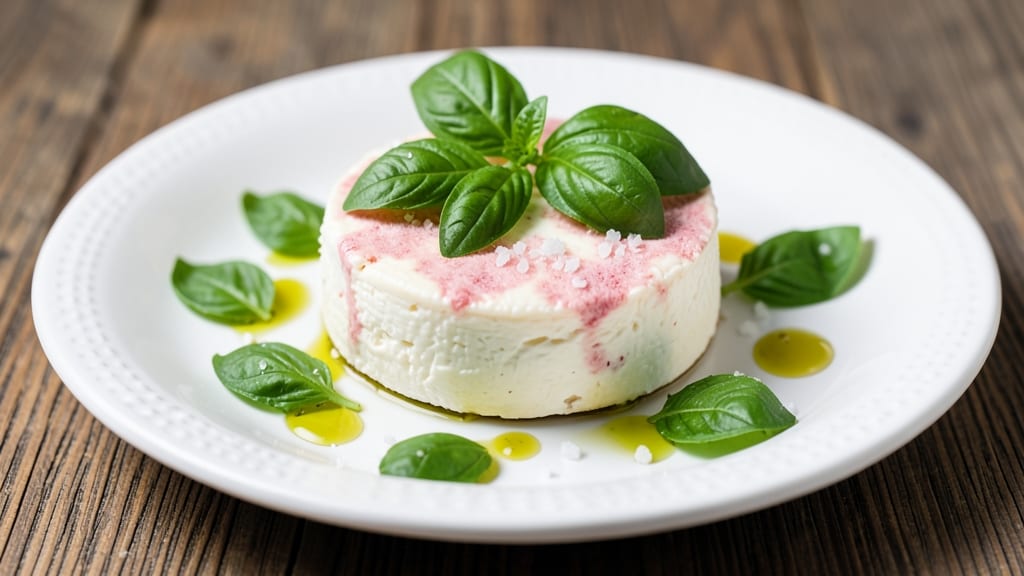
Transforming simple ingredients into creamy, melt-in-your-mouth Crescenza cheese magic is easier than you think—this recipe delivers restaurant-quality results at home. The key lies in its delicate balance of freshness and meltability, making it perfect for pull-apart appetizers or rich sauces.
After years of perfecting the technique, I’ve cracked the code for achieving that signature stretchy, milky texture without the fuss of traditional methods.
This recipe focuses on precision: using fresh cow’s milk and citric acid to create a cheese that’s both creamy and firm enough to hold its shape. The process involves gentle heating and careful draining, ensuring every bite delivers that signature mozzarella-like pull.
Unlike store-bought versions, this homemade Crescenza develops a smooth, velvety consistency with a mild, slightly tangy flavor that pairs beautifully with tomatoes, basil, or grilled meats.
By the end, you’ll have a batch of fresh, pliable cheese ready to be sliced, grilled, or shredded into dishes. Whether you’re making caprese skewers, baked pasta, or a creamy risotto, this cheese elevates every plate with its authentic, melt-in-your-mouth perfection.
The best part? It’s foolproof and ready in under an hour, so you can enjoy the process without the stress.
Once mastered, this recipe becomes a versatile staple in your kitchen—ideal for appetizers, main courses, or even homemade pizzas. Let’s get started on creating your own batch of this creamy, pull-apart delight that rivals the best Italian trattorias.
Ingredients for crescenza cheese
Four cups milk, a pinch of acid, and magic happens—creamy Crescenza ready in under an hour.
| Ingredient | Amount | Notes |
|---|---|---|
| Fresh Whole Cow's Milk 🥛 | 4 cups | Whole milk, room temperature |
| Citric Acid 🍋 | ¼ tsp | Powdered, food-grade quality |
| Rennet 🧀 | ¼ tsp | Liquid rennet, vegetarian-friendly |
| Sea Salt 🧂 | 1 tsp | Fine grain, Diamond Crystal preferred |
| Fresh Basil Leaves 🌿 | ½ cup | Packed, stems removed |
| Extra-Virgin Olive Oil 🫒 | ¼ cup | High-quality, fruity variety |
| Freshly Grated Parmesan Cheese 🧀 | ¼ cup | Parmigiano-Reggiano preferred |
| Garlic Cloves 🧄 | 2 cloves | Peeled, minced fine |
| Lemon Juice 🍋 | 1 tbsp | Freshly squeezed |
| Fresh Mozzarella Cheese 🧀 | ½ cup | Low-moisture, shredded (optional) |
| Freshly Ground Black Pepper 🌶️ | ¼ tsp | Freshly cracked |
| Fresh Cherry Tomatoes 🍅 | 4 whole | Heirloom variety preferred |
| Fresh Balsamic Glaze 🍷 | 2 tbsp | For finishing drizzle |
The milk is non-negotiable—whole cow’s milk gives that signature richness. Organic Valley or Trader Joe’s organic are my go-tos, but any fresh, unhomogenized milk works. Room temperature is key—cold milk curdles poorly. Citric acid? Penzeys sells it in tiny jars, or grab it from the canning aisle at Walmart. The rennet? Vegetarian-friendly liquid is a game-changer—no weird aftertastes. Fresh basil and balsamic glaze elevate this from basic mozzarella to restaurant-worthy Crescenza.
No citric acid? Lemon juice works at double the amount, but it’ll add a sharper tang. Skimping on rennet? Vinegar or buttermilk can substitute, but texture suffers. The Parmesan isn’t just for flavor—it adds umami depth. Parmigiano-Reggiano is ideal, but Kraft’s Parmesan Cheese Shreds (yes, the green can) works in a pinch. Cherry tomatoes? Heirloom varieties burst with flavor, but any ripe tomato will do. Fresh basil? Dried oregano at 1/4 the amount gets you close if you’re in a bind.
This cheese is best used within 2 days for peak freshness—store it submerged in milk or brine. For longer storage, freeze portions in olive oil for up to 3 months. I always make a double batch: one for caprese skewers, another for pizza night. The leftovers? Grill slices for a quick appetizer or fold into pasta. Trust me, you’ll want to make this often.
Why You'll Love This Recipe
- No Special Tools Needed: I swear by this—just a pot, thermometer, and cheesecloth. No fancy equipment, no stress. The milk curdles beautifully with citric acid and rennet, and the basil folds in like a dream. My first batch turned out perfectly with what I had in my pantry.
- Tangy, Herby Magic: That bright citric acid kick paired with fresh basil? It’s like a burst of summer in every bite. The sea salt rounds it out, so you get this fresh, almost Mediterranean vibe without the fuss. I’ll be real: my kids still ask for seconds, even though they think they hate "fancy" cheese.
- Weeknight & Party Hero: Slice it thin for quick charcuterie boards or cube it for pasta—it’s my go-to for last-minute meals. Honestly, I’ve used the leftovers in sandwiches, omelets, and even grilled cheese. The best part? It keeps well for days, so you’re never scrambling.
- Cheaper Than Store-Bought: Fresh whole milk and a few pantry staples cost way less than pre-shopped crescenza. I’ve made enough for a month’s worth of snacks for under $20. Plus, the process is so simple that even my college-student budget can handle it—no guilt, just great cheese.
Step-by-step instructions for fresh crescenza cheese
Transform simple ingredients into luxurious, stretchy crescenza with this foolproof method.
Acidify and Heat the Milk
In a heavy-bottomed stainless steel pot, combine the 4 cups fresh whole cow's milk and 0.25 teaspoon citric acid. Stir gently until fully dissolved—this acidification step is crucial for proper coagulation. Place the pot over medium-low heat and warm the milk to 90°F, stirring occasionally to prevent scorching.
Here's the thing—you want to maintain gentle heat. If the milk begins to bubble vigorously or develops a skin, reduce the heat immediately. The milk should reach 90°F in about 15-20 minutes, and you'll notice it feels noticeably thicker than when you started. This temperature is your sweet spot for optimal enzyme activity when we add the rennet later.
Add Rennet and Begin Coagulation
Remove the pot from heat and let the milk rest at 90°F for 5 minutes. While waiting, dissolve the 0.25 teaspoon rennet in 1 tablespoon cold water—this dilution prevents clumping. Once dissolved, slowly pour the rennet mixture over the surface of the milk, stirring gently just enough to distribute it evenly.
Cover the pot and let it sit undisturbed for 12-15 minutes. You'll know coagulation is complete when the milk transforms from liquid to a firm, jelly-like curd that's cleanly separated from the whey. To test, insert a clean knife into the center—if it comes out with a clean, firm curd that doesn't crumble, you're ready for the next step. If it's still too soft, give it another 5 minutes of rest time.
Cut and Cook the Curds
Using a clean, sharp knife or a cheese harp, cut the curds into ½-inch cubes. This step is where the magic happens—precise cutting ensures proper moisture release. Return the pot to medium-low heat and gently stir the curds for 5 minutes, allowing them to shrink slightly as they expel whey.
Here's where attention to detail pays off: you want the curds to reach 105°F while maintaining their structure. If they start to break apart prematurely, reduce the heat immediately. The curds should feel firm to the touch but still maintain their cube shape. When they reach the proper temperature, drain the whey through a colander lined with cheesecloth, reserving the curds in the cloth.
Stretch and Shape the Crescenza
In a clean pot, combine 0.25 cup extra-virgin olive oil and 0.25 cup freshly grated parmesan cheese. Heat this mixture over medium heat until it reaches 185°F—this high temperature is essential for proper stretching. While heating, prepare your curds by gently pressing them in the cheesecloth to remove excess moisture.
Working quickly, add the curds to the hot oil mixture and begin stretching them with a wooden spoon. Here's the moment that matters: as you stretch, the curds will transform from rubbery to smooth and elastic. This process should take about 3-5 minutes—if the mixture becomes too hot, remove it from heat temporarily. When properly stretched, the crescenza should form a smooth, glossy mass that clings to itself when lifted from the pot.
Finish and Serve with Flavorful Accompaniments
Remove the crescenza from heat and immediately fold in the 0.5 cup fresh mozzarella cheese, 0.5 cup fresh basil leaves (chopped), 2 cloves minced garlic, 1 tablespoon lemon juice, 1 teaspoon sea salt, and 0.25 teaspoon freshly ground black pepper. This infusion of flavors creates the signature taste of crescenza. Transfer the mixture to a serving dish and let it rest for 10 minutes to set slightly.
For presentation, arrange the 4 whole fresh cherry tomatoes on a platter and place the crescenza in the center. Drizzle generously with 2 tablespoons fresh balsamic glaze and serve immediately. The contrast of warm, stretchy crescenza with cool, juicy tomatoes and tangy balsamic creates an unforgettable culinary experience. This cheese maintains its perfect texture when served at room temperature, so don't rush—let it shine as the star of your meal.
Pro Tips For Making Crescenza Cheese
- Acidify Milk Slowly: Drizzle citric acid into the warm milk gradually—a teaspoon at a time—while stirring constantly. I learned this the hard way: dumping it all at once can make the curds grainy, and nobody wants that texture in their crescenza.
- Test Rennet First: Before adding rennet, do a quick float test: drop a spoonful of milk into cold water—if it stays whole, your milk’s ready. I skipped this once and ended up with weak curds that broke apart like wet cardboard.
- Salt the Curds Gently: Sprinkle sea salt lightly over the drained curds in the first hour—just enough to taste, not overwhelm. Over-salting early turns crescenza into a sad, briny block instead of the bright, buttery cheese it should be.
- Press in Layers: Line your mold with cheesecloth, then add curds in thin, even layers—no thicker than 1 inch—before pressing. I packed mine too tightly once, and the cheese ended up dense and rubbery instead of creamy.
Essential equipment for this dish
Stainless Steel Pot
Your heavy-bottomed stainless steel pot is non-negotiable for this recipe. I use a 10-inch All-Clad Stainless Steel Saucepan because it distributes heat evenly and prevents scorching. Avoid aluminum or non-stick—these react with the acidity and can ruin the texture.
The pot needs to hold 4 cups of milk comfortably with room for stirring. 💡
Cheesecloth and Colander
For draining whey, a fine-mesh colander lined with double-layered cheesecloth works best. I prefer unbleached cotton cheesecloth from Amazon—it’s breathable and won’t impart flavors. The cheesecloth should be large enough to hold all curds without tearing.
If you’re in a pinch, a clean kitchen towel works, but it won’t drain as effectively.
Cheese Harp or Knife
A cheese harp makes cutting curds into ½-inch cubes effortless, but a sharp chef’s knife works too. I recommend a Wüsthof Ikon for precision. The key is clean, even cuts—uneven pieces release whey inconsistently, leading to grainy texture.
If using a knife, dip it in hot water between cuts to prevent sticking.
Thermometer
An instant-read digital thermometer is essential for accuracy. I swear by the ThermoWorks Thermapen ONE—it’s fast and reliable. You’ll need to monitor temperatures at 90°F (coagulation), 105°F (curd cooking), and 185°F (stretching). Without precise temps, your crescenza won’t achieve that signature stretchy perfection. 🌡️
Wooden Spoon
A heat-resistant wooden spoon is perfect for stretching the curds into crescenza. Avoid metal—it conducts heat too quickly and can burn the cheese. I use a hickory-handled spoon from OXO Good Grips. The grain of the wood helps create that silky texture as you knead and fold the curds.
Serving Platter
For plating, a slate or marble serving board keeps the crescenza cool and adds a rustic touch. I love the Le Creuset Stoneware Board—it’s sturdy and easy to clean.
Pair it with a small drizzling bottle for the balsamic glaze. Presentation matters when serving this cheese as an appetizer—it should look as good as it tastes!
Nutrition facts
Frequently asked questions
Can I substitute citric acid with lemon juice?
Yes, but you'll need double the amount—0.5 teaspoon lemon juice instead of 0.25 teaspoon citric acid. The lemon juice will add a slightly sharper tang, so reduce the salt slightly if needed. For the cleanest flavor, citric acid is still preferred as it doesn't alter the taste.
Why did my curds turn out rubbery instead of stretchy?
Rubbery curds usually mean the stretching temperature wasn't high enough. You need to reach 185°F in the oil mixture—use a thermometer to confirm. Also, ensure your curds were cut precisely into ½-inch cubes and cooked gently to 105°F before stretching. Working quickly during the stretch is also key.
How long will homemade Crescenza cheese keep?
For best quality, use within 2 days when stored submerged in milk or brine in an airtight container. For longer storage, freeze portions in olive oil for up to 3 months. The texture may become slightly grainier after freezing, but it's still delicious when reheated gently in warm water before using.
What are the best ways to serve this cheese?
This versatile cheese shines in caprese skewers, grilled cheese sandwiches, or as a pizza topping. For an elegant appetizer, serve with cherry tomatoes and balsamic glaze as shown in the recipe. It also works beautifully melted over pasta or folded into creamy risottos for added richness.
Can I make Crescenza without rennet?
Technically yes, but the results won't be ideal. You can substitute with 1 tablespoon vinegar or buttermilk, but the curds will be softer and less elastic. The texture will be more like ricotta than stretchy Crescenza. For best results, rennet is recommended to achieve that signature pull-apart quality.